
The Consortium of Medical, Engineering and Dental Colleges of Karnataka (COMEDK) will conduct the Undergraduate Entrance Test (UGET) for engineering admissions on May 9, marking a crucial date for thousands of aspirants across the country. The entrance exam serves as a gateway for admission to undergraduate engineering courses offered by member institutions in Karnataka. Students seeking seats in private engineering colleges under the COMEDK quota are preparing intensively, as the test plays a significant role in shaping their academic futures.
Officials associated with the examination process have indicated that arrangements are being made to ensure smooth conduct across designated centres. The computer-based test will be held in multiple cities, with strict adherence to examination protocols. Authorities emphasized that candidates must follow guidelines regarding reporting time, identification documents, and permitted items inside exam halls. Such measures aim to maintain transparency and fairness throughout the process.
COMEDK UGET remains one of the key alternative pathways for engineering aspirants, particularly for students from outside Karnataka seeking admission in private institutions. The exam typically evaluates candidates in Physics, Chemistry, and Mathematics, aligning with the standard curriculum followed at the higher secondary level. Education experts advise students to focus on conceptual clarity and time management, as the competitive nature of the test demands both accuracy and speed.
COMEDK
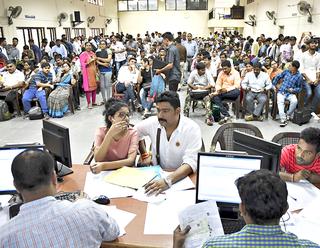
Coaching centres and schools have reported heightened activity as the exam date approaches. Mock tests, revision sessions, and doubt-clearing classes are being conducted to help students strengthen their preparation. Teachers emphasize the importance of understanding question patterns and avoiding last-minute stress. Many students describe this period as both challenging and hopeful, as performance in the exam could determine access to desired colleges and courses.
Parents, too, are closely involved, providing emotional support and helping manage schedules. The pressure associated with entrance examinations often affects family routines, with households adjusting to study timetables and revision needs. Counselors encourage a balanced approach, suggesting adequate rest, healthy eating, and stress management techniques to help students remain focused.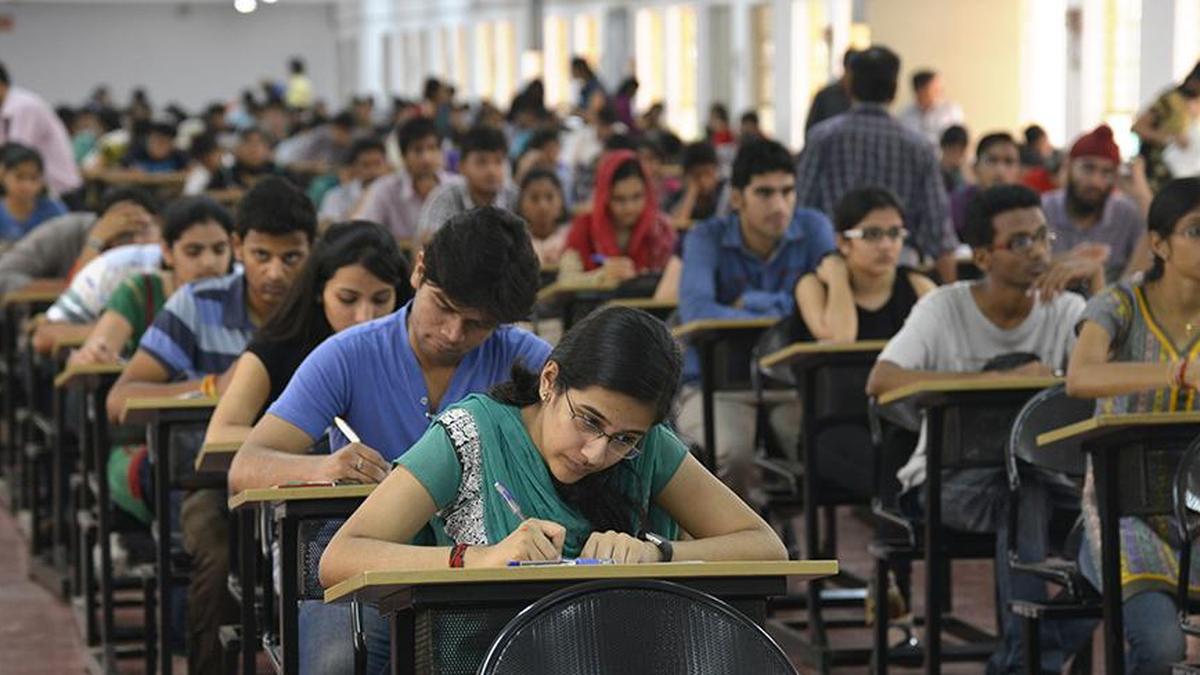
Authorities have also highlighted the role of online resources in preparation. Digital learning platforms offering practice tests and explanatory sessions have become increasingly popular. Students from smaller towns, who may not have access to extensive coaching facilities, are using such tools to bridge learning gaps. The growing reliance on digital preparation reflects broader trends in competitive exam readiness.
Examination officials reiterated the importance of following official updates regarding hall tickets, centre details, and instructions. Candidates are advised to verify information carefully and avoid misinformation from unofficial sources. Clear communication, they say, helps prevent confusion on exam day and ensures candidates can concentrate fully on performance.
For many aspirants, COMEDK UGET represents not just an exam but a step toward long-term career aspirations in engineering and technology. With Karnataka hosting several reputed private engineering institutions, the examination holds national relevance. As May 9 approaches, the atmosphere among students reflects a mix of determination, anxiety, and anticipation, underscoring the emotional significance of competitive entrance tests in India’s education landscape.
As the examination date approaches, the atmosphere across Karnataka and beyond reflects a blend of anticipation and determination. For many students, May 9 represents months of preparation and dreams of entering engineering careers. Authorities, educators, and families are working together to ensure that candidates can perform to the best of their abilities. While competition remains intense, the focus on preparation, well-being, and transparency underscores a shared commitment to fair opportunities. COMEDK UGET thus stands not only as an academic test but also as a milestone in the aspirations of thousands of young learners.
Examination authorities have stated that security measures will be strengthened to ensure a fair testing environment across all centres. Biometric verification, surveillance systems, and strict invigilation protocols are expected to be implemented. Such steps are designed to prevent impersonation and malpractice, which can undermine merit-based admissions. Candidates have been advised to cooperate with security checks and reach their centres well in advance to avoid last-minute stress. Officials noted that smooth coordination between centre administrators and law enforcement agencies will play a key role in ensuring that the examination process remains transparent, credible, and free from disruptions on the scheduled date.
Students from rural and semi-urban areas are making special travel arrangements to reach exam centres, which are often located in larger cities. Transport availability, accommodation, and unfamiliar surroundings can add to pre-exam anxiety. Educational counselors suggest that candidates visit their centres a day earlier if possible, so they are comfortable with the location. Parents accompanying students are also planning logistics carefully. Authorities have advised candidates to check centre addresses and reporting times thoroughly to avoid confusion. These preparations highlight how entrance examinations extend beyond academics, requiring coordination, planning, and emotional resilience from both students and families.
Academic experts have emphasized that revision in the final days should focus on strengthening fundamentals rather than attempting entirely new topics. Physics problem-solving speed, Chemistry formula recall, and Mathematics accuracy are considered crucial. Time management strategies during the exam are equally important, as multiple-choice questions demand quick decision-making. Teachers recommend practicing mock tests under timed conditions to simulate real exam pressure. They also advise students to remain calm if they encounter difficult questions, moving ahead and returning later if time permits. Maintaining composure, they say, can significantly influence performance during high-stakes competitive exams like COMEDK UGET.
School administrators have noted that many students balancing board exam preparations alongside entrance test readiness face fatigue. Institutions are therefore offering counseling support and flexible revision schedules. Teachers remind students that health should not be neglected during intense study periods. Proper sleep, hydration, and short breaks can improve concentration and retention. Parents are being encouraged to create supportive home environments, reducing unnecessary pressure and comparisons. This holistic approach recognizes that mental well-being plays a crucial role in academic performance, particularly during competitive examination seasons when expectations are high and stress levels can escalate rapidly.
The role of technology in examination management has expanded significantly in recent years. Computer-based testing allows for efficient question delivery, quicker evaluation, and secure data handling. However, it also requires candidates to be comfortable with digital interfaces. Practice tests familiarizing students with screen navigation, marking answers, and reviewing responses have become essential. Authorities have assured that technical teams will be on standby at centres to address any system-related issues promptly. These digital arrangements aim to enhance efficiency while maintaining fairness, ensuring that the examination process remains streamlined and accessible to candidates from diverse backgrounds.
Career counselors point out that performance in COMEDK UGET opens doors to various engineering disciplines, including computer science, electronics, civil engineering, and mechanical engineering. Students often select branches based on interest, career prospects, and institutional reputation. Counselors advise aspirants to research colleges and programs beforehand, so they can make informed choices during counseling rounds. Understanding curriculum structures, placement records, and specialization opportunities can help students align their academic paths with long-term goals. The exam thus serves as an entry point into a broader decision-making journey that shapes professional futures.
Private engineering colleges affiliated with COMEDK are also preparing for the admission season. Institutions are updating infrastructure, faculty recruitment, and academic planning to accommodate incoming batches. Admission counseling processes, document verification, and orientation programs will follow the announcement of results. College administrators highlight that early planning ensures smooth transitions for new students. Many institutions are also emphasizing industry partnerships, internships, and skill-based training to enhance employability. The examination, therefore, initiates a chain of activities across the higher education ecosystem, influencing institutional readiness and student engagement alike.
Educational policymakers view entrance exams like COMEDK UGET as mechanisms to standardize admission processes across diverse institutions. By providing a common evaluation platform, the exam helps maintain uniform academic benchmarks. However, experts also stress the need to ensure inclusivity so that talented students from varied socio-economic backgrounds can compete fairly. Scholarship programs, fee waivers, and financial aid options are being promoted to support deserving candidates. Balancing merit with accessibility remains an ongoing objective in India’s higher education system, and entrance examinations play a central role in this evolving framework.
Students who have previously appeared for COMEDK UGET often share experiences and tips with new aspirants. Peer guidance through online forums and school networks has become a valuable resource. Discussions typically cover question patterns, difficulty levels, and strategies for handling exam stress. Such peer interactions create a sense of community among candidates facing similar challenges. Teachers encourage students to use these discussions constructively while relying on verified information. Collective learning and shared experiences can reduce anxiety and foster confidence, reinforcing that competitive exams are shared journeys rather than isolated struggles.
As the examination date approaches, the atmosphere across Karnataka and beyond reflects a blend of anticipation and determination. For many students, May 9 represents months of preparation and dreams of entering engineering careers. Authorities, educators, and families are working together to ensure that candidates can perform to the best of their abilities. While competition remains intense, the focus on preparation, well-being, and transparency underscores a shared commitment to fair opportunities. COMEDK UGET thus stands not only as an academic test but also as a milestone in the aspirations of thousands of young learners.
Follow: Karnataka Government
Also read: Home | Channel 6 Network – Latest News, Breaking Updates: Politics, Business, Tech & More
