
A Congress delegation has urged Karnataka Chief Minister Siddaramaiah to allocate ₹1,000 crore in the first phase for the proposed Greater Mysuru City Corporation, marking a significant political push to accelerate urban expansion and infrastructure development in one of the state’s most culturally and historically important cities. The demand reflects growing consensus within the party that Mysuru, long regarded as Karnataka’s cultural capital, requires a comprehensive and well-funded administrative framework to manage its rapid growth and rising civic expectations.
The coming months will therefore be crucial in shaping the fate of the Greater Mysuru City Corporation proposal. If the state government moves swiftly from discussion to allocation, it could set a precedent for proactive urban governance beyond Bengaluru. A clear financial commitment in the first phase would not only empower planners and administrators but also reassure citizens that the vision for Greater Mysuru is grounded in action. As expectations rise, the proposed ₹1,000 crore allocation now stands as a symbol of intent—one that will test the government’s ability to convert regional aspirations into structured, inclusive, and sustainable urban growth.
The delegation, comprising senior legislators, local representatives, and party leaders from the Mysuru region, presented a detailed case to the Chief Minister, outlining the urgent need for financial backing to operationalise the Greater Mysuru City Corporation. They argued that the proposed expansion is not merely a change in administrative boundaries but a transformative step aimed at ensuring planned development, equitable service delivery, and long-term sustainability for the city and its surrounding areas.
According to members of the delegation, Mysuru’s population growth, urban sprawl, and increasing economic activity have placed immense pressure on existing civic infrastructure. Roads, water supply systems, drainage networks, waste management facilities, and public transport are struggling to keep pace with demand. Without a substantial initial allocation, they warned, the vision of a Greater Mysuru risks remaining on paper rather than translating into tangible improvements for citizens.
The appeal to allocate ₹1,000 crore in the first phase is being positioned as a foundational investment rather than an exhaustive solution. Leaders stressed that early financial commitment from the state government would signal seriousness of intent, build public confidence, and enable systematic planning. They emphasised that delayed or piecemeal funding could undermine the effectiveness of the new civic body and repeat mistakes seen in other urban expansions.
Mysuru’s unique identity also featured prominently in the delegation’s argument. As a city that blends heritage with modern aspirations, Mysuru requires development that is sensitive to its cultural legacy while meeting contemporary urban needs. The proposed Greater Mysuru City Corporation, they said, offers an opportunity to strike this balance through integrated planning and adequate financial support.
Why Greater Mysuru Needs a Strong Financial Start
The concept of Greater Mysuru involves expanding the city corporation’s jurisdiction to include surrounding urbanising areas, villages, and growth corridors. This expansion aims to bring rapidly developing peripheral regions under a unified governance structure, enabling coordinated planning and uniform civic standards. However, such an expansion significantly increases administrative responsibility, making substantial funding essential from the outset.
Members of the Congress delegation pointed out that newly added areas often suffer from inadequate basic amenities. Many peripheral localities lack proper roads, underground drainage, reliable water supply, and solid waste management systems. Bringing these areas up to urban standards requires heavy capital investment, particularly in the initial years. The proposed ₹1,000 crore allocation, they argued, would help address these gaps systematically.
They also highlighted the importance of strengthening core infrastructure within Mysuru city limits. Ageing pipelines, congested roads, and overstretched public services require urgent upgrades. Without parallel investment in the existing city, the expansion could exacerbate inequalities between old and new areas. A strong first-phase allocation would allow planners to adopt a holistic approach rather than a fragmented one.
Urban experts supporting the demand note that cities transitioning to larger municipal corporations often face financial stress if initial funding is inadequate. In such cases, civic bodies are forced to rely excessively on loans or user charges, placing a burden on citizens. By committing ₹1,000 crore upfront, the state government could reduce long-term financial strain and enable sustainable revenue planning.
The delegation also stressed employment generation as a key benefit of early investment. Large-scale infrastructure projects create jobs across skill levels, from construction workers to engineers and planners. In a city like Mysuru, where youth employment is a growing concern, accelerated urban projects could provide both immediate and long-term economic opportunities.
Another critical aspect raised was environmental planning. Mysuru’s lakes, green spaces, and tree cover are integral to its identity and livability. Delegation members argued that adequate funding would allow the Greater Mysuru City Corporation to invest in eco-friendly infrastructure, lake rejuvenation, and sustainable mobility solutions, preventing unplanned growth from damaging the city’s ecological balance.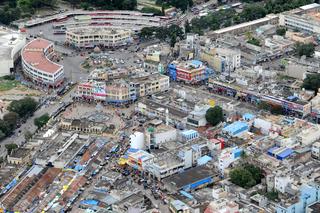
Political Signals and Regional Aspirations
The Congress delegation’s demand is being viewed as a strong political signal within the party and to the public. Mysuru holds symbolic importance for the Congress, both historically and electorally. By advocating for a substantial allocation, party leaders aim to reinforce their commitment to regional development and decentralised urban growth.
Several delegation members noted that Bengaluru-centric development has long dominated Karnataka’s policy landscape. While the capital city’s needs are undeniable, they argued that secondary cities like Mysuru must also receive focused attention to achieve balanced regional growth. Strengthening Mysuru, they said, would ease migration pressure on Bengaluru and create multiple urban growth centres across the state.
The timing of the demand is also significant. With the state government preparing budgets and planning long-term infrastructure priorities, early advocacy ensures that Mysuru’s needs are firmly on the agenda. Delegation leaders emphasised that waiting for later phases could result in reduced allocations or diluted focus.
Chief Minister Siddaramaiah, who represents a constituency in the Mysuru region, was reportedly receptive to the delegation’s concerns. While no immediate commitment was announced, sources indicated that the Chief Minister acknowledged the importance of planned urban expansion and assured the delegation that their proposal would be examined seriously within the government’s financial framework.
Political analysts observe that the demand aligns with the Congress government’s broader narrative of inclusive development. By focusing on urban infrastructure outside Bengaluru, the party can project itself as attentive to regional aspirations and long-term planning rather than short-term political gains.
However, analysts also caution that translating such demands into budgetary reality requires careful fiscal balancing. With competing priorities across sectors like welfare, rural development, and infrastructure, allocating ₹1,000 crore in one phase will require strong political will and administrative clarity.
Challenges and Expectations Ahead
While the demand has generated optimism, experts warn that funding alone will not guarantee success. The effectiveness of the Greater Mysuru City Corporation will depend on governance capacity, technical expertise, and transparent implementation. Without these, even substantial allocations risk being underutilised or misdirected.
Urban planners stress the need for a clear roadmap detailing how the ₹1,000 crore would be spent. Prioritisation of projects, phased execution, and measurable outcomes are essential to ensure accountability. Citizens, they note, will closely watch whether promised funds translate into visible improvements on the ground.
Coordination between state departments, local bodies, and planning authorities is another challenge. Expanding municipal boundaries often involves integrating different administrative cultures and systems. Adequate funding can ease this transition, but strong leadership and institutional coordination are equally critical.
Public participation is also expected to play a key role. Residents of areas proposed to be included in the Greater Mysuru City Corporation have diverse concerns, ranging from taxation to service delivery. Transparent communication and consultation can help build trust and reduce resistance to change.
The delegation underscored that the first phase allocation should prioritise essential services and connectivity. Roads linking peripheral areas, water and sewage infrastructure, and waste management facilities were identified as immediate needs. Investments in these areas would lay the foundation for future economic and social development.
Education, healthcare, and public spaces were also highlighted as priority sectors. A growing city requires not just infrastructure but also institutions that enhance quality of life. Adequate funding could support the development of schools, health centres, parks, and community facilities across the expanded city.
A Test of Vision and Commitment
The demand for a ₹1,000 crore allocation in the first phase for the Greater Mysuru City Corporation represents more than a budgetary request; it is a test of the state government’s vision for urban Karnataka. Mysuru’s transformation into a larger municipal entity has the potential to redefine its development trajectory for decades to come.
For the Congress, the issue carries political, administrative, and emotional weight. Delivering on this promise could strengthen the party’s credibility in the region and demonstrate its commitment to decentralised growth. Failure to act decisively, on the other hand, could fuel disappointment and scepticism among citizens who have long awaited comprehensive urban planning.
As discussions move from political advocacy to administrative decision-making, expectations are high. Citizens, experts, and party workers alike will watch closely to see whether the proposed allocation finds a place in the state’s financial plans and how effectively it is implemented.
The Congress delegation’s appeal has brought Greater Mysuru into sharp focus, framing it as a city at the cusp of transformation. Whether the ₹1,000 crore first-phase allocation becomes reality will determine if this moment is remembered as a turning point of promise fulfilled or another chapter of delayed aspiration. For Mysuru, the stakes are not just financial, but deeply tied to its future identity, livability, and pride.
Follow: Karnataka Government
Also read: Home | Channel 6 Network – Latest News, Breaking Updates: Politics, Business, Tech & More
