
Congress legislators staged a strong protest in Belagavi, accusing the Union government of undermining democratic values through the renaming of the Mahatma Gandhi National Rural Employment Guarantee Act scheme and what they described as the “targeting” of senior party leaders in the National Herald case. The protest, held within the precincts of the legislature, brought legislative proceedings to a halt for a brief period and underscored the deepening political confrontation between the ruling party at the Centre and the Opposition.
Raising slogans and holding placards, Congress members said the renaming of MNREGA was a deliberate attempt to erase the legacy of Mahatma Gandhi and weaken the ideological foundations of a scheme that has provided livelihood security to millions of rural households. They argued that the programme is not merely an employment initiative but a constitutional commitment to social justice, enshrined in law after years of political struggle. Any attempt to rebrand or dilute it, they said, amounts to rewriting history for political convenience.
Alongside the MNREGA issue, the legislators accused central agencies of selectively targeting Opposition leaders under the guise of legal action, particularly in the National Herald case. They claimed that investigative processes were being weaponised to intimidate political opponents and distract from governance failures. The protest reflected broader concerns within the Opposition about shrinking democratic space and the increasing use of state power against dissenting voices.
Senior Congress leaders said Belagavi was chosen deliberately as the site of protest to signal that issues affecting national democracy resonate deeply in Karnataka. They emphasised that the State has a long tradition of political debate and constitutional values, which they said must be defended against what they described as authoritarian tendencies. The demonstration, they added, was not about disrupting governance but about drawing attention to issues of national importance.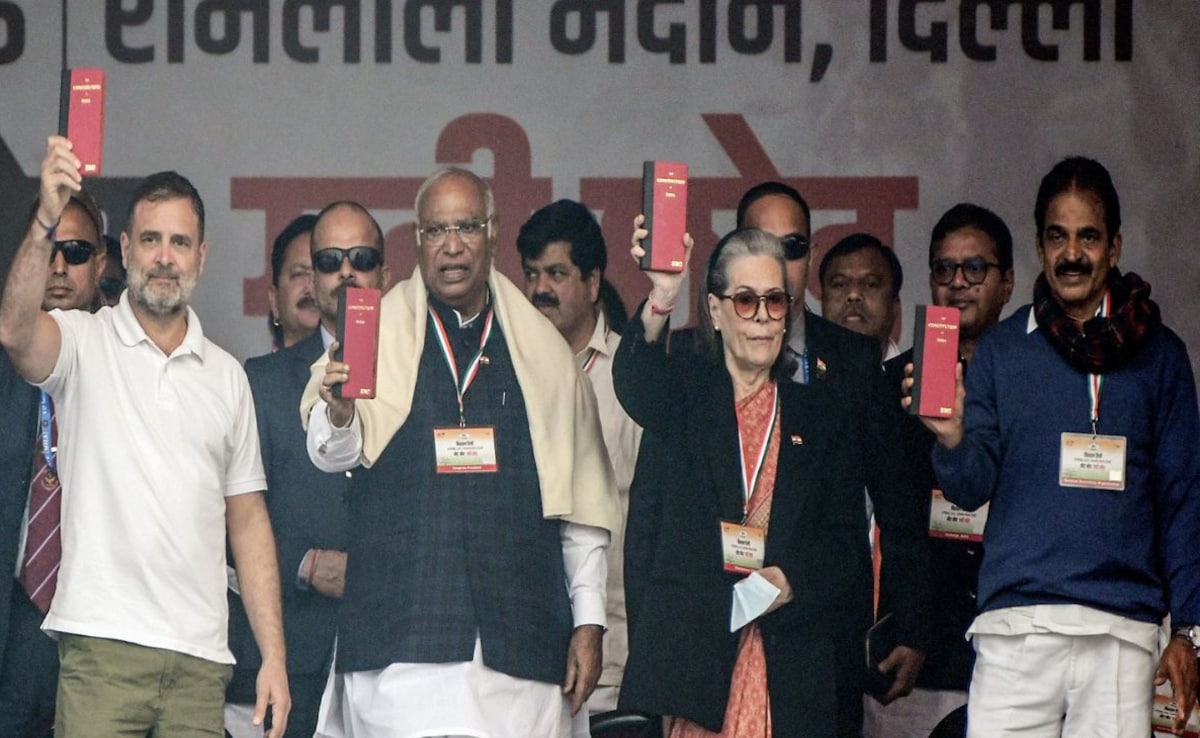
MNREGA and the Politics of Symbolism
At the heart of the protest was the renaming of the MNREGA scheme, which Congress leaders described as an ideological move rather than an administrative necessity. They argued that Mahatma Gandhi’s name symbolises dignity of labour, rural empowerment, and the moral foundation of public welfare. Removing or sidelining that association, they said, risks reducing the scheme to a transactional programme devoid of its ethical core.
Legislators pointed out that MNREGA has been a lifeline during times of distress, including droughts, floods, and the pandemic. In Karnataka, the scheme has supported rural incomes, strengthened local infrastructure, and empowered women through guaranteed employment. Congress members accused the Centre of undermining the scheme by altering its identity while simultaneously reducing allocations and delaying payments, allegations the Union government has denied in the past.
The protest also highlighted fears that renaming schemes sets a precedent for politicising welfare initiatives. Lawmakers warned that frequent rebranding could confuse beneficiaries and weaken institutional continuity. Welfare schemes, they argued, should transcend political cycles and be protected from partisan reinterpretation. By foregrounding MNREGA, Congress leaders sought to frame the issue as one of principle rather than party rivalry.
Several legislators invoked Mahatma Gandhi’s philosophy, stating that the struggle for economic justice is inseparable from the values of truth and non-violence. They said retaining his name on the scheme was a reminder of the moral responsibilities of the state toward its most vulnerable citizens. The renaming, they argued, was symbolic of a broader attempt to reshape national narratives.
National Herald Case and Allegations of Selective Action
The second pillar of the protest centred on the National Herald case, which Congress legislators described as an example of selective enforcement. They claimed that senior party leaders were being subjected to repeated summons and investigations despite cooperating with legal processes. According to them, the timing and intensity of the actions suggested political motivation rather than impartial law enforcement.
Congress leaders argued that the case, which has been in the public domain for years, was being revived periodically to keep Opposition leaders under constant pressure. They warned that such practices could have a chilling effect on political dissent and weaken public faith in independent institutions. The protestors reiterated that no individual is above the law but insisted that the law must be applied uniformly and without prejudice.
During the protest, legislators drew parallels with past instances where, they said, investigative agencies acted with restraint and autonomy. They contrasted this with what they described as the current climate of hyper-vigilance against Opposition figures, while alleged violations involving those aligned with the ruling party were ignored or delayed. These allegations were strongly contested by supporters of the Centre, who maintain that agencies act independently.
The issue sparked sharp exchanges on the floor of the House, with ruling party members accusing Congress of deflecting attention from legal accountability. Congress legislators responded by saying that questioning the misuse of institutions is not an attempt to evade scrutiny but a defence of constitutional balance. The heated atmosphere reflected the broader polarisation shaping national politics.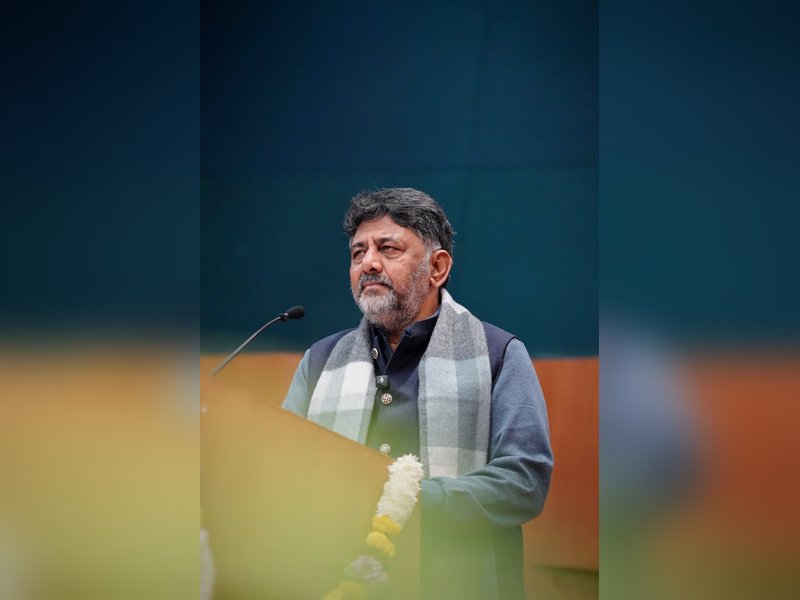
The protest also brought into focus the role of State legislatures as platforms for articulating national concerns. Congress members argued that federalism allows States to question decisions taken at the Centre, especially when they affect schemes implemented on the ground by State governments. By raising MNREGA and the National Herald case in Belagavi, they sought to underline that issues of constitutional propriety are not confined to Parliament alone.
Within the Congress ranks, leaders described the demonstration as a show of unity at a time when Opposition cohesion is being tested. They said that standing together on issues of welfare and institutional integrity sends a message to party workers and supporters that the leadership remains committed to core ideological values. The protest, they added, was also intended to energise grassroots cadres ahead of future political battles.
Political observers noted that the choice of issues reflects a calibrated strategy. MNREGA appeals directly to rural voters, while the National Herald case resonates with concerns about political freedoms and agency autonomy. By combining the two, the Congress aimed to bridge economic and democratic narratives, presenting itself as both a defender of livelihoods and a guardian of constitutional norms.
The ruling party, while dismissing the protest as theatrics, acknowledged that welfare schemes remain a sensitive political terrain. Supporters of the Centre argued that renaming or restructuring programmes does not diminish their impact, while critics countered that symbolism matters deeply in public policy. The divergence of views highlighted how governance decisions are increasingly interpreted through ideological lenses.
There was also discussion about the long-term implications of frequent legislative disruptions. Some members expressed concern that repeated protests, regardless of their cause, could erode the effectiveness of legislative forums. Others countered that protest is an integral part of parliamentary democracy and becomes necessary when conventional debate fails to elicit adequate responses.
As the session in Belagavi progressed, the protest left behind a charged atmosphere that continued to influence subsequent discussions. While no immediate resolutions emerged, the issues raised are likely to reappear in future debates, both in Karnataka and at the national level. For now, the Belagavi protest stands as a reminder that political contestation in India is increasingly shaped by questions of identity, accountability, and the meaning of democracy in a changing political landscape.
Beyond immediate political stakes, analysts say the protest reveals a deeper anxiety within Opposition parties about the erosion of institutional neutrality. As legal and administrative processes increasingly intersect with political competition, the boundaries between governance and contestation have become blurred. The Belagavi protest, in this sense, was as much about safeguarding democratic norms as it was about specific cases.
As the protest concluded and legislative business resumed, Congress leaders said the demonstration was only one step in a sustained campaign to raise these issues across forums. They indicated that similar protests and discussions would continue, both within legislatures and outside, to mobilise public opinion. Whether these efforts translate into policy changes or legal outcomes remains uncertain.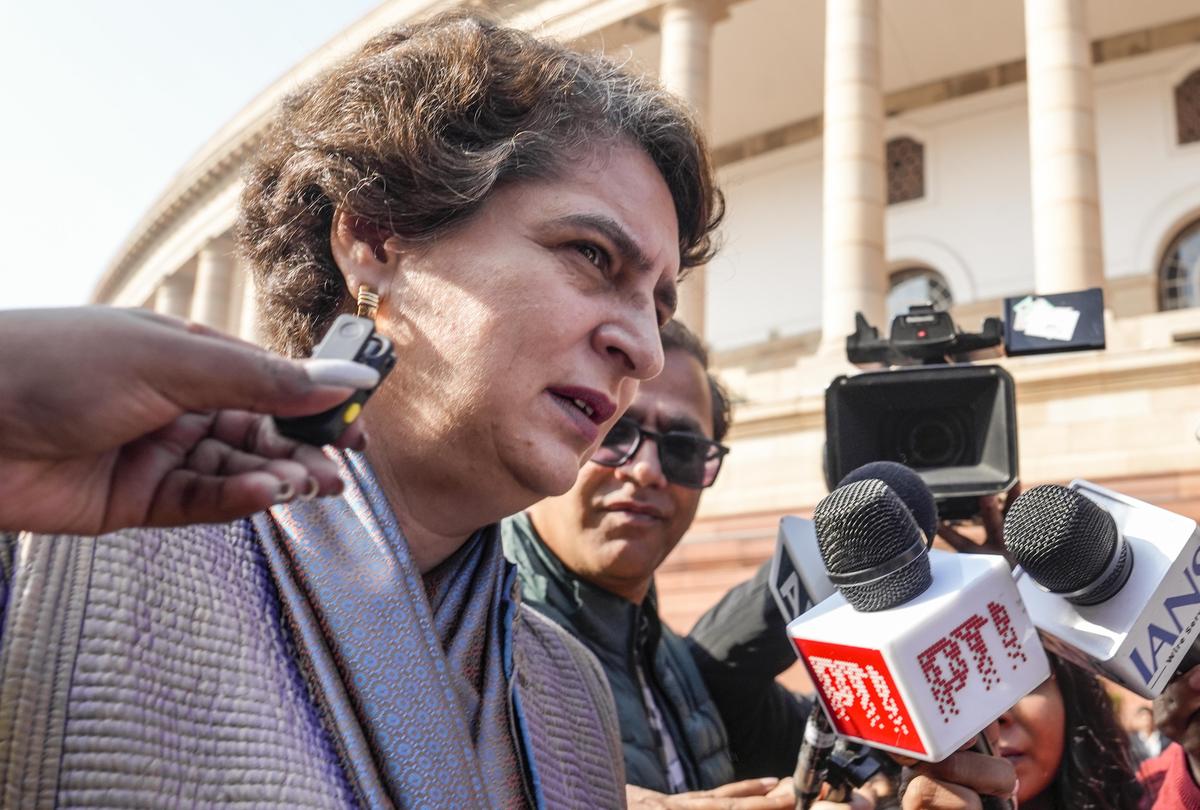
What is clear, however, is that the twin issues of MNREGA’s identity and the National Herald case have become rallying points for the Opposition. In Belagavi, they converged into a single expression of dissent, reflecting the intensity of political contestation in contemporary India. As debates over welfare, accountability, and institutional integrity intensify, such protests are likely to remain a recurring feature of the political landscape, shaping not only legislative discourse but also public perception of democracy itself.
The protest also brought into focus the role of State legislatures as platforms for articulating national concerns. Congress members argued that federalism allows States to question decisions taken at the Centre, especially when they affect schemes implemented on the ground by State governments. By raising MNREGA and the National Herald case in Belagavi, they sought to underline that issues of constitutional propriety are not confined to Parliament alone.
Within the Congress ranks, leaders described the demonstration as a show of unity at a time when Opposition cohesion is being tested. They said that standing together on issues of welfare and institutional integrity sends a message to party workers and supporters that the leadership remains committed to core ideological values. The protest, they added, was also intended to energise grassroots cadres ahead of future political battles.
Political observers noted that the choice of issues reflects a calibrated strategy. MNREGA appeals directly to rural voters, while the National Herald case resonates with concerns about political freedoms and agency autonomy. By combining the two, the Congress aimed to bridge economic and democratic narratives, presenting itself as both a defender of livelihoods and a guardian of constitutional norms.
The ruling party, while dismissing the protest as theatrics, acknowledged that welfare schemes remain a sensitive political terrain. Supporters of the Centre argued that renaming or restructuring programmes does not diminish their impact, while critics countered that symbolism matters deeply in public policy. The divergence of views highlighted how governance decisions are increasingly interpreted through ideological lenses.
There was also discussion about the long-term implications of frequent legislative disruptions. Some members expressed concern that repeated protests, regardless of their cause, could erode the effectiveness of legislative forums. Others countered that protest is an integral part of parliamentary democracy and becomes necessary when conventional debate fails to elicit adequate responses.
As the session in Belagavi progressed, the protest left behind a charged atmosphere that continued to influence subsequent discussions. While no immediate resolutions emerged, the issues raised are likely to reappear in future debates, both in Karnataka and at the national level. For now, the Belagavi protest stands as a reminder that political contestation in India is increasingly shaped by questions of identity, accountability, and the meaning of democracy in a changing political landscape.
Follow: Karnataka Government
Also read: Home | Channel 6 Network – Latest News, Breaking Updates: Politics, Business, Tech & More
