
In a disturbing incident that has sent shockwaves across Karnataka, police in Chamarajanagar district have arrested five individuals, including the biological parents, for allegedly selling a newborn baby girl for ₹50,000. The case came to light following a tip-off to local authorities, who launched an investigation that uncovered an illegal transaction involving the infant just days after birth. Officials described the episode as a deeply troubling reflection of social and economic vulnerabilities that can push families toward desperate and unlawful decisions. The arrests have sparked outrage and renewed discussions on child protection, poverty, and the need for stronger monitoring systems.
District officials have indicated that a detailed review of maternal and child welfare outreach in the region will be undertaken in the wake of the incident. Health workers, Anganwadi staff, and Accredited Social Health Activists may receive additional training to identify families showing signs of distress during pregnancy and immediately after childbirth. Authorities believe that closer monitoring and supportive counseling at these stages could help prevent vulnerable parents from being drawn into illegal arrangements. Strengthening early intervention systems, they say, is crucial to ensuring that economic hardship or social pressure does not translate into actions that endanger a child’s rights and safety.
Child rights activists have stressed the importance of expanding community awareness about safe surrender and legal adoption mechanisms. In situations where parents feel unable to care for a newborn, there are lawful channels designed to protect both the child and the parents from criminal consequences. However, lack of information often leads people to rely on informal and illegal networks. Activists argue that public campaigns through local governance bodies, hospitals, and schools can help spread awareness. Clear communication about available options may reduce the likelihood of desperate and unlawful decisions involving infants.
Law enforcement authorities also plan to intensify surveillance on suspected intermediaries who may exploit such vulnerabilities. Officials noted that illegal transactions involving children sometimes involve brokers who target families in financial distress. By mapping patterns and monitoring suspicious activities, police hope to dismantle any networks facilitating such crimes. Collaboration with cyber units is also being considered, as communication in such cases increasingly occurs through digital platforms. Preventive policing, combined with community cooperation, is seen as an essential strategy to curb trafficking-related offenses.
The incident has reinforced calls for a more compassionate yet vigilant social environment. Community leaders and social organizations have emphasized that families facing difficulties should feel encouraged to seek help without fear of stigma. Encouraging open dialogue about financial and emotional struggles can make it easier for authorities and civil society groups to offer timely support. Ultimately, experts agree that preventing such tragedies requires not only legal enforcement but also empathy, awareness, and accessible welfare systems that protect both parents in crisis and the rights of every child.
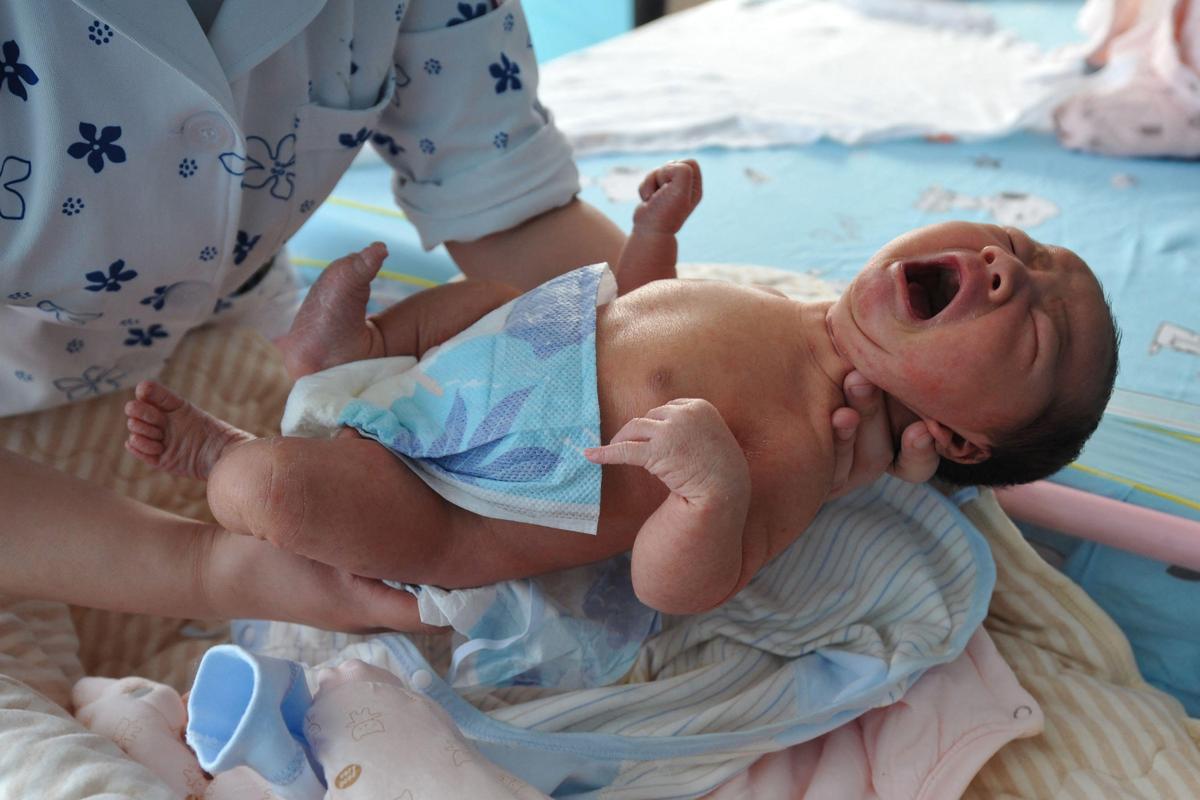
According to preliminary police reports, the newborn girl was allegedly handed over to a couple through intermediaries in exchange for money. Investigators said the transaction was arranged discreetly, bypassing all legal procedures related to adoption. Authorities emphasized that legal adoption in India requires strict compliance with child welfare laws, verification of adoptive parents, and oversight by designated agencies. Any direct exchange of money for a child outside these procedures constitutes a criminal offense. The police stated that the case involves charges under provisions related to human trafficking, illegal adoption practices, and violation of child protection laws.
Officers involved in the investigation said that local health workers and community sources played a role in raising suspicion. Discrepancies regarding the baby’s whereabouts after birth reportedly prompted further inquiries. When police questioned the family and those allegedly involved in facilitating the deal, inconsistencies emerged, leading to the eventual arrests. The infant has since been placed under the care of the Child Welfare Committee, which will oversee her protection and future rehabilitation. Officials assured that the child is safe and receiving necessary medical attention and support.
Authorities expressed concern that such incidents, though not widespread, highlight the presence of informal networks that exploit vulnerable families and couples seeking children. These networks often operate outside legal frameworks, exposing children to potential exploitation and depriving them of safeguards provided under regulated adoption systems. Police officials stated that investigations are ongoing to determine whether the case is linked to a larger racket or remains an isolated instance. They are also examining financial transactions and communication records to trace the sequence of events leading to the alleged sale.
Community members in the area reacted with disbelief and sadness, describing the episode as a tragic sign of social distress. Many residents expressed sympathy for the child and called for stronger support systems for families facing economic hardship. Social workers pointed out that lack of awareness about legal adoption channels and government assistance schemes can make vulnerable individuals susceptible to illegal offers. They emphasized the importance of outreach and education to prevent families from resorting to such actions under pressure or misinformation.
SOCIAL FACTORS AND INFANT PROTECTION CONCERNS
Experts working in child rights advocacy say the incident underscores how poverty, social stigma, and limited access to institutional support can intersect dangerously. In some cases, families facing financial strain, health issues, or societal pressures may feel overwhelmed, making them vulnerable to exploitative propositions. Activists stressed that the solution lies not only in strict law enforcement but also in strengthening social safety nets. Timely counseling, financial assistance, and healthcare support can help prevent desperate decisions that jeopardize children’s rights and well-being.
Child welfare officials reiterated that India has an established legal framework for adoption designed to protect both children and adoptive families. This system ensures that background checks, home studies, and psychological assessments are conducted before a child is placed. Such procedures are intended to safeguard children from trafficking and ensure they enter secure environments. When individuals bypass this system, they not only break the law but also place the child at risk. Authorities emphasized that public awareness campaigns are needed to inform people that shortcuts in adoption can have serious legal and ethical consequences.
Women’s rights groups highlighted the emotional and social dimensions of such cases. They noted that mothers in vulnerable circumstances may face intense pressures, including financial insecurity or lack of family support. Without counseling or institutional help, they may see no alternative. Activists called for better coordination between healthcare providers, local authorities, and welfare departments to identify at-risk families early. Providing emotional support and practical guidance during pregnancy and childbirth, they said, can reduce the likelihood of illegal arrangements that endanger newborns.
Police officials stated that the accused individuals will face legal proceedings, and further investigations will determine the extent of their involvement. They emphasized that while sympathy may exist for families under distress, the law treats the sale of a child as a grave offense. Ensuring justice, they said, is essential to deter similar incidents. Authorities also appealed to the public to report suspicious activities related to child trafficking or illegal adoption. Community vigilance, they believe, plays a crucial role in preventing exploitation and protecting vulnerable children.
Psychologists observing the case pointed out that the long-term well-being of the rescued infant will depend on consistent care and nurturing support. Early intervention through healthcare, counseling, and stable placement can help mitigate potential trauma. Child welfare authorities confirmed that the baby will remain under institutional protection until a lawful decision regarding her future is made. They reiterated that every child has the right to a safe, loving environment and that the system is designed to prioritize the child’s best interests above all other considerations.
LEGAL ACTION, PUBLIC RESPONSE, AND WAY FORWARD
Legal experts noted that the case could lead to significant penalties if the allegations are proven in court. Offenses related to trafficking and illegal child transactions carry strict punishments under Indian law. Courts typically consider such crimes serious violations of fundamental rights. The legal process will involve collecting evidence, witness statements, and forensic details to establish the facts. Observers believe that the outcome of the case may serve as a warning against similar attempts and reinforce the message that child protection laws will be strictly enforced.
Public reaction to the incident has been marked by a mix of anger and sorrow. Many citizens expressed concern over the circumstances that could lead parents to such an act. Community leaders have called for awareness programmes to educate people about government schemes that support pregnant women, new mothers, and economically weaker families. They argued that improved access to assistance could reduce vulnerability. Religious and social organizations in the region have also offered to collaborate with authorities in spreading information about legal adoption and child welfare services.
Officials from the district administration said they are reviewing local outreach mechanisms to ensure that frontline workers can identify families in distress. Strengthening coordination between health services, Anganwadi centres, and social welfare departments is being considered. Early detection of risk factors, they said, could allow authorities to intervene before situations escalate. The administration also plans to conduct awareness sessions emphasizing that children are not commodities and that legal channels exist for adoption and support.
The case has prompted renewed discussion on ethical responsibility within communities. Social workers emphasized that neighbors, relatives, and local leaders must be attentive to signs of distress among families. Compassionate engagement and guidance can sometimes prevent harmful decisions. They stressed that protecting requires collective vigilance and empathy. By addressing the root causes of vulnerability and ensuring access to support, society can help reduce the likelihood of similar tragedies in the future.
As the investigation proceeds, the focus remains on securing justice and safeguarding the infant’s future. Authorities maintain that while legal accountability is necessary, broader preventive measures are equally important. Strengthening awareness, social support, and enforcement mechanisms can together create a protective environment . The incident serves as a stark reminder that safeguarding the rights and dignity of every is a shared responsibility. Ensuring that no family feels driven to such extremes is a goal that requires sustained commitment from institutions and communities alike.
Follow: Karnataka Government
Also read: Home | Channel 6 Network – Latest News, Breaking Updates: Politics, Business, Tech & More
