
The language laboratory at the Central University of Karnataka has emerged as a crucial platform for strengthening English communication skills among students from rural and semi-urban backgrounds across the State. Designed to bridge linguistic and confidence gaps, the facility has become a cornerstone of academic and professional development for first-generation learners who often enter higher education with limited exposure to spoken English. Faculty members and administrators say the initiative is steadily transforming classroom participation, employability prospects, and self-confidence among students who previously struggled with language barriers.
Located on the Kalaburagi campus, the language lab is equipped with modern audio-visual tools, interactive software, and guided modules tailored to varying proficiency levels. Students undergo structured training in listening, speaking, reading, and writing, with a strong emphasis on pronunciation, vocabulary building, and conversational fluency. For many rural students, this marks their first experience of learning English in an immersive and supportive environment rather than through rote classroom methods.
University officials noted that the lab was conceptualised keeping in mind the socio-economic realities of the region. A significant proportion of students enrolled at CUK come from government schools where English exposure is limited. The language lab, therefore, functions not merely as an academic support system but as an equaliser, helping students compete on a more level playing field with peers from urban and English-medium backgrounds.
The impact of the language lab has also extended to improving students’ performance in competitive examinations. Faculty members noted that enhanced reading comprehension and vocabulary skills have helped students better understand exam questions, instructions, and reference materials. Rural students aspiring for civil services, banking, teaching eligibility tests, and postgraduate entrance exams have benefited from structured language exposure. The lab sessions complement academic preparation by strengthening analytical reading and clear expression, which are crucial in both written and interview stages. This indirect academic support has increased students’ confidence to attempt examinations they earlier felt were beyond their reach.
Another significant outcome of the initiative has been the gradual reduction of language-based discrimination on campus. Students who once felt marginalised due to their accent or limited fluency now report a more inclusive academic environment. Faculty members observed that peer interactions have become more balanced, with language differences no longer determining classroom dynamics. The lab’s emphasis on practice rather than perfection has helped normalise mistakes as part of learning, fostering mutual respect. This cultural shift has played an important role in improving students’ mental well-being and sense of belonging within the university ecosystem.
Teachers involved in running the language lab highlighted the importance of contextual learning. Instead of relying solely on standard textbooks, sessions incorporate everyday scenarios relevant to rural life, campus interactions, and professional settings. This approach helps students relate to the language organically rather than viewing it as an abstract or intimidating subject. Educators believe this contextualisation has been key to sustained engagement, as students are able to immediately apply what they learn in real-life conversations, academic discussions, and public speaking activities.
The language lab has also become a space for identifying and nurturing hidden talent among rural students. Faculty members noted that several students who initially struggled with English later emerged as effective speakers and presenters after consistent practice. Some have gone on to anchor university events, participate in inter-university debates, and represent the institution at academic conferences. These achievements have challenged stereotypes about rural students’ capabilities and reinforced the idea that access and opportunity, rather than background, determine language proficiency.
Administrators pointed out that parental attitudes towards English learning have also begun to change. As students return home with improved communication skills and confidence, families increasingly recognise the value of language training in higher education. This has encouraged parents to support continued learning rather than viewing English as unnecessary or elitist. Officials believe this ripple effect can influence younger siblings and communities, gradually creating a more positive environment for language learning in rural areas.
The success of the language lab has prompted discussions on policy-level interventions in higher education. Educationists suggest that structured language support should be embedded into undergraduate curricula, especially in universities serving rural and backward regions. Rather than treating language labs as optional facilities, they argue for making them integral to academic programmes. The CUK model is increasingly being cited in academic forums as evidence that targeted investments in language infrastructure can yield long-term social and educational benefits.
As the programme matures, university officials emphasised the need for continuous evaluation and innovation. Feedback from students is being used to refine modules and introduce new learning techniques. The long-term vision, they said, is to ensure that no student graduates from the university feeling disadvantaged due to language barriers. In doing so, the language lab is not just teaching English, but empowering rural students to claim their space with confidence in academic, professional, and social spheres.
BOOSTING CONFIDENCE AND CLASSROOM PARTICIPATION
One of the most visible impacts of the language lab has been the change in students’ confidence levels. Faculty members report that students who were initially hesitant to speak in class now actively participate in discussions, presentations, and seminars. The fear of making mistakes, often a major psychological barrier, is gradually being replaced by a willingness to communicate and learn through practice.
Students undergoing regular sessions in the lab say the structured exercises and non-judgmental environment have helped them overcome inhibition. Interactive activities such as role-plays, group discussions, mock interviews, and listening drills allow learners to apply language skills in practical contexts. Many students credit the lab for helping them articulate their ideas clearly, both academically and socially, enhancing their overall campus experience.
Teachers involved in the programme emphasised that language acquisition is closely linked to self-esteem. By creating a space where students can learn at their own pace without stigma, the lab has fostered a culture of encouragement rather than correction. This approach, they say, is particularly effective for rural students who often internalise linguistic disadvantage as personal inadequacy.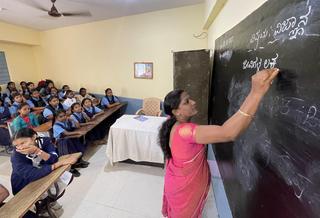
ENHANCING EMPLOYABILITY AND CAREER READINESS
Beyond academic benefits, the language lab has played a significant role in improving students’ employability. Career guidance and placement cells at CUK have observed that students who regularly attend language lab sessions perform better in interviews, group discussions, and written assessments. Improved communication skills have opened doors to internships, competitive examinations, and private-sector opportunities that previously seemed out of reach for many rural learners.
The curriculum integrates professional communication modules, including resume writing, email etiquette, workplace communication, and interview skills. These components are designed to align with industry expectations, ensuring that students are not disadvantaged due to language limitations despite having subject knowledge. Officials noted that several alumni have acknowledged the lab’s role in helping them secure jobs and adapt to professional environments with confidence.
Recruiters visiting the campus have also responded positively, pointing out noticeable improvements in students’ articulation and interpersonal skills. This feedback has reinforced the university’s belief that language proficiency is a critical component of holistic education, especially for students aspiring to enter national and global job markets.
ADDRESSING REGIONAL AND SOCIAL DISPARITIES
The success of CUK’s language lab has highlighted the broader issue of language inequity in higher education. Students from rural Karnataka often face systemic disadvantages due to uneven schooling standards and lack of exposure to English outside the classroom. By addressing this gap institutionally, the university has taken a step towards inclusive education that recognises diversity in learning backgrounds.
Administrators stressed that the lab is not about promoting elitism through language, but about empowering students to access opportunities that increasingly demand English proficiency. The initiative aligns with the university’s mandate to serve socially and educationally disadvantaged regions, ensuring that talent is not constrained by linguistic limitations.
Education experts observing the programme note that such models can be replicated across universities and colleges in rural India. They argue that language labs, when designed with sensitivity to learners’ backgrounds, can significantly reduce dropout rates, improve academic performance, and enhance social mobility.
STUDENT EXPERIENCES AND PERSONAL TRANSFORMATION
For many students, the language lab experience has been life-changing. Several first-generation learners shared that they initially avoided speaking English due to fear of ridicule, but consistent practice in the lab helped them gain fluency and self-assurance. Students also reported improved comprehension of textbooks, lectures, and reference materials, leading to better academic outcomes.
Peer learning has emerged as another strength of the programme. Mixed-ability groups allow students to learn from each other, creating a collaborative environment that reinforces language use beyond formal sessions. This sense of shared progress has contributed to a supportive campus culture where language learning is seen as a collective journey rather than an individual struggle.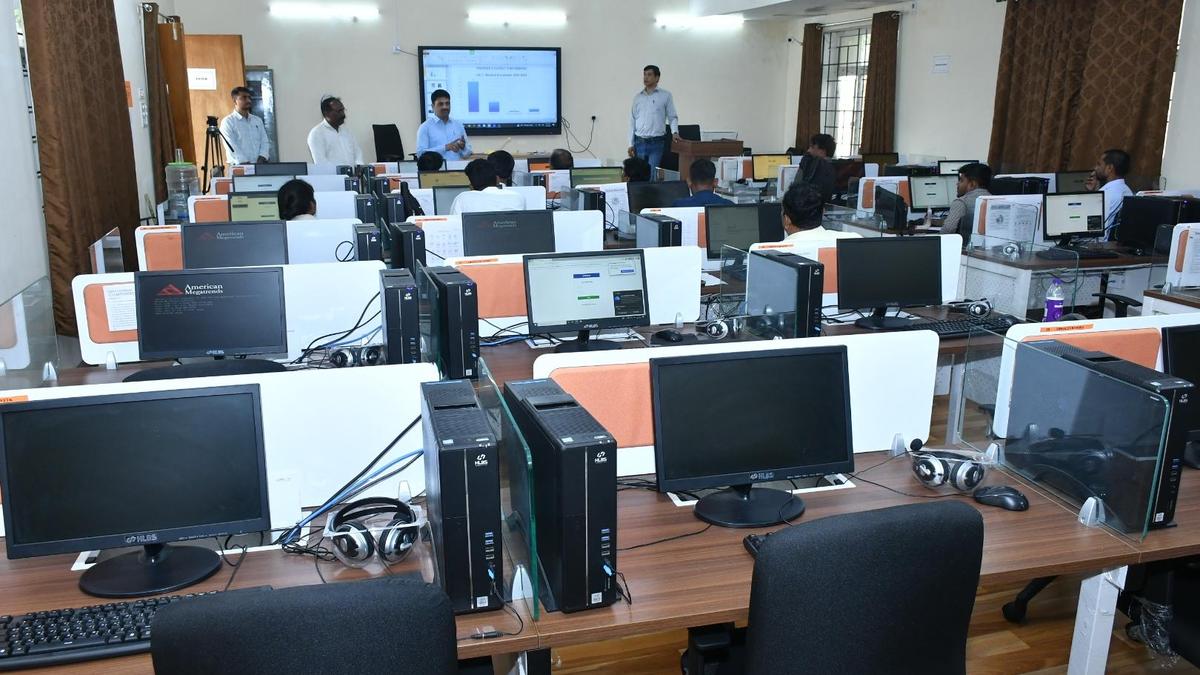
FUTURE PLANS AND EXPANSION
Encouraged by the positive response, the Central University of Karnataka is exploring plans to expand the language lab’s reach. Proposals include increasing session frequency, introducing advanced modules, and integrating digital platforms for self-paced learning. There are also plans to extend similar support to research scholars and postgraduate students who require advanced academic writing and presentation skills.
University officials indicated that collaborations with language experts and educational institutions are being considered to further strengthen the programme. Training faculty in innovative language teaching methods is also on the agenda, ensuring sustainability and continuous improvement.
A MODEL FOR INCLUSIVE HIGHER EDUCATION
As CUK’s language lab continues to empower rural students, it stands out as a model for inclusive and responsive higher education. By addressing one of the most persistent barriers faced by students from disadvantaged backgrounds, the initiative demonstrates how targeted institutional support can unlock potential and transform lives.
In a State where educational disparities between urban and rural areas remain stark, the success of this programme sends a clear message: with the right resources and intent, universities can play a pivotal role in bridging gaps, building confidence, and preparing students not just for degrees, but for meaningful participation in a rapidly evolving world.
Follow: Karnataka Government
Also read: Home | Channel 6 Network – Latest News, Breaking Updates: Politics, Business, Tech & More
