
Senior Congress leader and Member of Parliament D.K. Suresh has said that Deputy Chief Minister D.K. Shivakumar is waiting patiently and that power does not come easily to anyone in public life. His remarks come amid ongoing political discussions within the party and growing speculation about leadership roles and future responsibilities. By emphasising patience and perseverance, Suresh sought to frame ambition not as entitlement but as a journey shaped by struggle, timing, and collective will.
Suresh also indicated that democratic politics demands emotional intelligence as much as strategic planning. He said leaders must know when to assert themselves and when to step back, allowing institutions and collective leadership to function. According to him, impatience often leads to avoidable confrontations that can weaken both the government and the party. By contrast, patience allows leaders to build wider consensus, deepen public trust, and strengthen their moral authority. In this sense, he argued, waiting is not inactivity but a conscious investment in credibility and stability.
Referring indirectly to public expectations, Suresh said voters judge leaders not only by ambition but by restraint. He noted that people value stability, continuity, and visible governance outcomes over constant leadership churn. When leaders demonstrate patience, he said, it reassures citizens that governance will not be disrupted by internal rivalries. This, he added, is particularly important at a time when Karnataka is focused on welfare delivery, infrastructure expansion, and administrative reforms that require consistent political direction and steady leadership.
Suresh further observed that political power, when attained after long periods of effort, carries greater responsibility. Leaders who have waited, he said, understand the value of authority and are less likely to misuse it. Such leaders tend to prioritise institutional strength over personal gain. Drawing from political history, he remarked that many respected leaders across parties earned their stature through perseverance rather than immediate elevation, reinforcing the idea that endurance often shapes more grounded leadership.
He also addressed concerns among party workers who sometimes feel anxious during periods of uncertainty. Suresh urged them to view patience as part of political training rather than neglect. He said organisational loyalty, consistent grassroots engagement, and disciplined conduct are always noticed, even if recognition takes time. According to him, parties ultimately rely on those who remain steadfast during waiting phases, as they form the backbone of long-term political success.
Political commentators believe Suresh’s words also reflect an awareness of public fatigue with power struggles. In an environment where constant speculation can dominate headlines, his emphasis on patience offers a counter-narrative focused on governance and responsibility. By downplaying immediacy and highlighting process, the statement seeks to shift attention back to policy delivery and administrative performance rather than individual ambition.
Ultimately, Suresh’s remarks frame patience as a defining democratic virtue. By stating that power does not come easily to anyone, he underscored the idea that authority must be earned through time, trust, and service. In doing so, he offered both a political message and a philosophical reflection, reminding leaders and supporters alike that endurance, discipline, and timing often shape the most enduring careers in public life.
Speaking to reporters, D.K. Suresh said that leadership positions are earned through sustained effort, public trust, and political maturity. He stressed that there is no shortcut to power in a democracy and that even the most influential leaders have had to wait, work, and prove themselves repeatedly. His comments were widely interpreted as a message both to party workers and the public that internal discipline and long-term vision remain central to the Congress leadership’s approach.
According to Suresh, D.K. Shivakumar’s political career itself is an example of resilience. From organisational work at the grassroots to handling complex responsibilities within the party and government, Shivakumar’s rise has been marked by challenges rather than ease. “Power does not come easily to anyone,” Suresh reiterated, underlining that patience is not weakness but a strategic and moral strength in politics.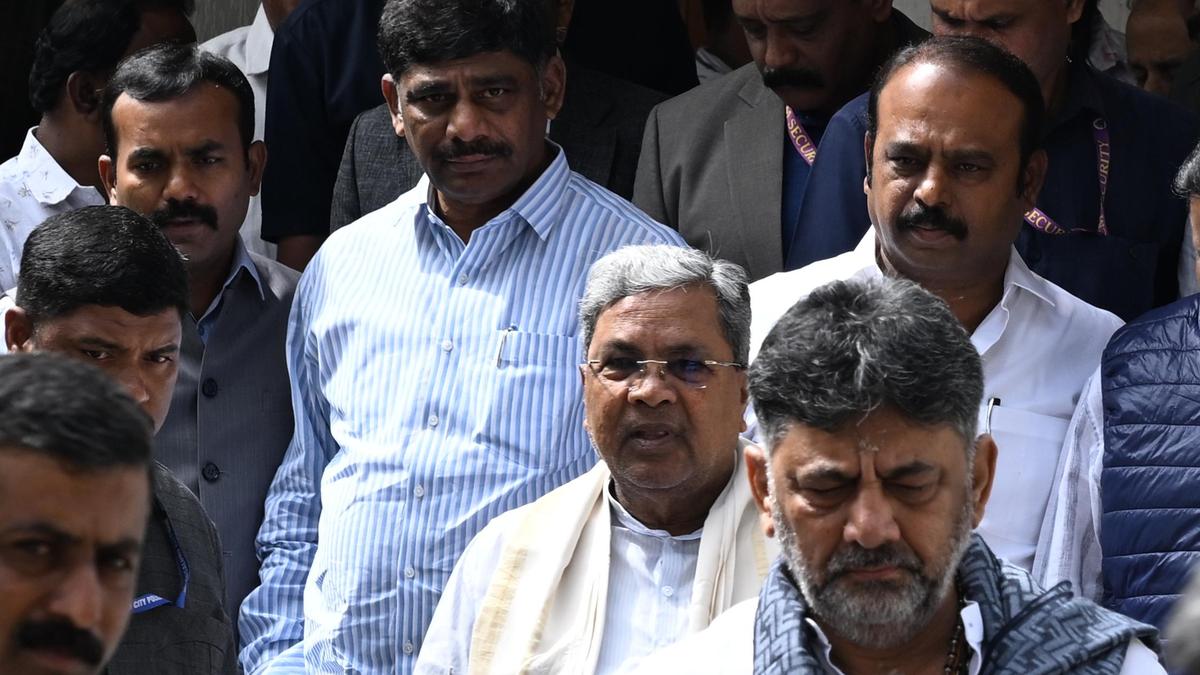
Patience as a Political Strategy
D.K. Suresh’s statement highlights patience as a deliberate political choice rather than passive waiting. He noted that in a coalition-based democracy and a party with a collective leadership structure, timing and consensus play a decisive role. Leaders must balance personal aspirations with party unity and governance priorities, he said, adding that impatience can destabilise both government and organisation.
He also pointed out that Karnataka has given the Congress a clear mandate, and the responsibility of leaders is to honour that trust through stable governance. According to him, the focus should remain on delivering development, welfare, and good administration rather than internal power equations. Any leadership transition, he suggested, must emerge naturally from performance and collective agreement.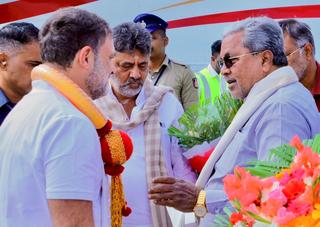
Suresh’s remarks come at a time when political observers are closely watching the Congress leadership dynamics in Karnataka. With the party firmly in power, questions around succession, authority, and future leadership naturally arise. By choosing to speak about patience rather than entitlement, Suresh appeared to deliberately lower the temperature of internal speculation and reinforce the idea that governance, not power struggle, should dominate the political discourse.
He also reminded critics and supporters alike that political journeys are rarely linear. According to Suresh, moments of waiting often define leaders more than moments of authority. He said that resilience during uncertain phases builds credibility, both within the party and among the electorate. This, he argued, is especially true in a state like Karnataka, where political awareness among voters is high and leadership is constantly scrutinised.
Party insiders view the statement as a reaffirmation of faith in institutional decision-making within the Congress. Suresh stressed that leadership roles are not decided overnight but emerge from collective discussions, performance assessments, and broader political realities. He cautioned against reading too much into day-to-day political commentary, noting that such speculation often distracts from governance priorities.
Suresh also highlighted the importance of loyalty and organisational discipline. He said that leaders who respect party processes and wait for the right moment tend to command greater respect when responsibility finally comes their way. In contrast, impatience, he warned, can erode trust and weaken both individual credibility and party unity.
Addressing comparisons with other political formations, Suresh noted that the Congress has historically valued collective leadership and ideological commitment. He argued that power-sharing and patience are intrinsic to the party’s functioning, distinguishing it from personality-driven politics. This approach, he said, has allowed the party to endure political cycles and remain relevant over decades.
He further pointed out that D.K. Shivakumar’s current role itself carries significant responsibility. According to Suresh, governance positions should not be viewed merely as stepping stones to higher office but as opportunities to serve. He added that performance in existing roles often determines future leadership trajectories more than public speculation.
Political analysts believe the statement also serves as a signal to allies and opponents that the Congress leadership is conscious of stability. By emphasising patience, Suresh positioned the party as focused on continuity and governance rather than internal churn. This message, they say, could help counter narratives of factionalism.
Suresh also spoke about the broader lesson for aspiring politicians. He said that public life demands endurance, humility, and acceptance of delayed rewards. According to him, those who enter politics seeking quick authority often struggle, while those who invest time in public service build lasting influence.
The comments have resonated with sections of party workers who see patience as validation of their own long years of grassroots work. For them, Suresh’s words reaffirm that recognition may take time but is not denied to those who remain committed and disciplined.
As Karnataka’s political journey continues, Suresh’s remarks add a reflective note to an otherwise competitive environment. By framing patience as strength and power as a consequence rather than a right, he articulated a political philosophy rooted in endurance—one that seeks to align ambition with responsibility, and authority with timing.
Political observers view Suresh’s remarks as an attempt to calm speculation and reinforce the message of unity within the party. By publicly acknowledging the reality of ambition while stressing restraint, he positioned patience as a virtue that strengthens leadership credibility. The emphasis on waiting “patiently” was seen as an assurance that internal processes are being respected.
Message to Cadres and the Public
Beyond internal politics, Suresh’s comments also carried a message for party workers and supporters. He urged cadres to remain focused on organisational strengthening and public service, rather than getting distracted by rumours or power debates. According to him, political authority ultimately flows from people’s support, not internal positioning alone.
He added that history shows how enduring leaders are those who withstand pressure and continue working despite uncertainty. In that sense, patience becomes a test of leadership character. Suresh suggested that D.K. Shivakumar’s approach reflects this understanding, reinforcing his image as a leader rooted in long-term commitment rather than immediate gain.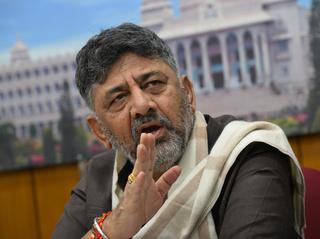
As Karnataka’s political landscape continues to evolve, Suresh’s remarks underline a broader truth about democratic politics: leadership is as much about timing and restraint as it is about ambition and ability. His statement frames patience not as delay, but as preparation—an idea likely intended to reassure both party loyalists and the wider electorate.
Follow: Karnataka Government
Also read: Home | Channel 6 Network – Latest News, Breaking Updates: Politics, Business, Tech & More
