
Karnataka Director General of Police K. Ramachandra Rao, one of the state’s most senior police officers, has been suspended following the circulation of an obscene video allegedly involving him. The development has sent shockwaves through the state’s police establishment and political circles, raising serious questions about conduct, accountability, and institutional credibility at the highest levels of law enforcement.
K. Ramachandra Rao is a senior Indian Police Service officer of the 1993 batch, known for holding several key postings in Karnataka over three decades. He has served in both operational and administrative roles, including law and order, intelligence, and internal security-related assignments. His career trajectory reflected steady institutional trust, culminating in his appointment as Director General of Police. Colleagues have often described him as procedurally strong and well-versed in policing systems, making the controversy particularly jarring for a force that values discipline and public conduct.
The emergence of the obscene video has sharply contrasted with the expectations placed on the state’s top police officer. Senior police officials privately acknowledge that the position of DGP carries not just administrative authority but also symbolic leadership. Any perceived lapse, they say, damages public confidence in the force as a whole. The suspension signals the government’s intent to uphold institutional integrity, even when allegations involve officers at the highest level of the hierarchy.
Officials familiar with the matter say the government acted swiftly to prevent further erosion of credibility. A formal inquiry has been initiated to ascertain the authenticity of the video, the circumstances under which it was recorded, and whether any misuse of authority or violation of service conduct rules occurred. The inquiry process is expected to examine both technical evidence and testimonial accounts before arriving at conclusions that could shape Rao’s professional future.
The controversy has also reignited conversations around accountability mechanisms for senior officials. Retired officers and governance experts note that while vigilance systems exist, public scrutiny intensifies significantly when allegations involve top-ranking figures. They argue that transparent inquiries are essential not only for justice but also for reinforcing public trust in institutions meant to uphold law, ethics, and order across the state.
As the investigation proceeds, the episode stands as a critical moment for Karnataka’s police establishment. The outcome will likely influence how future allegations against senior officials are handled and perceived. For now, K. Ramachandra Rao’s suspension marks a dramatic pause in a long career, underscoring how swiftly authority can be challenged when conduct comes under question in the public domain.
The suspension comes amid intense public scrutiny and mounting pressure on the government to act decisively. While investigations into the authenticity and circumstances surrounding the video are ongoing, the decision to suspend the officer has been framed as an interim administrative measure to protect the integrity of the inquiry and uphold the image of the police force.
The controversy has also triggered a wider debate on standards of conduct for top officials and the mechanisms in place to address allegations of personal misconduct involving those entrusted with public authority.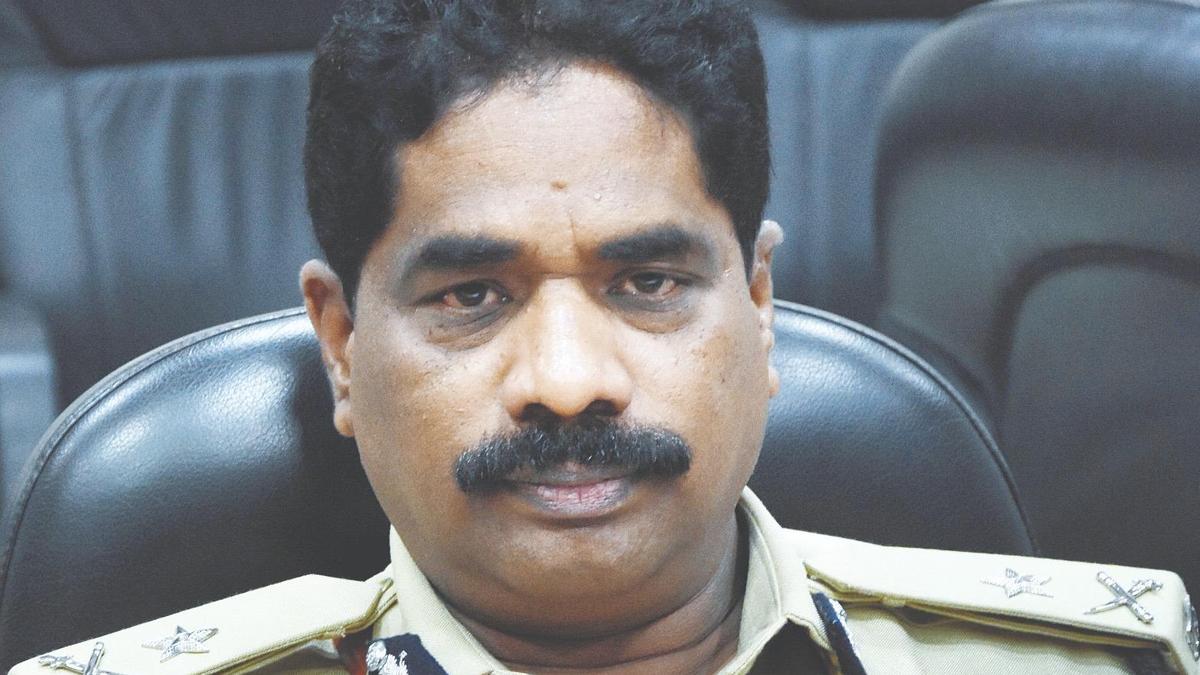
Career and Background
K. Ramachandra Rao is a senior Indian Police Service officer of the Karnataka cadre, with decades of experience in policing, intelligence, and administration. Over the years, he has held several key positions within the state police, earning a reputation as a firm administrator with a deep understanding of law and order management.
Before his appointment as Director General of Police, Rao served in various senior roles, including district-level postings, intelligence-related assignments, and leadership positions within specialised units. Colleagues have often described him as a technically competent officer who rose through the ranks through a combination of field experience and bureaucratic acumen.
His appointment to the top post came at a time when Karnataka was grappling with complex law-and-order challenges, including communal tensions, cybercrime, and urban policing pressures. As DGP, Rao was expected to provide strategic direction to a large and diverse police force, balancing enforcement with public trust.
Role as Director General of Police
As the head of the Karnataka Police, the Director General of Police occupies a position of immense responsibility. The DGP oversees law and order, crime prevention, internal discipline, and coordination with intelligence and central agencies. The role also carries symbolic weight, representing the professionalism and moral authority of the police institution.
During his tenure, Rao presided over several major policing initiatives, including efforts to modernise the force, strengthen intelligence networks, and improve coordination between district units. He was also involved in managing security arrangements for high-profile events and sensitive political developments.
However, like many senior officers, his tenure was not without criticism. Civil society groups and opposition leaders have periodically questioned policing decisions under his leadership, particularly in politically sensitive cases. Until the current controversy, however, his career had not been marked by allegations of personal impropriety of this magnitude.
The Obscene Video Controversy
The controversy erupted after an obscene video allegedly featuring Rao began circulating widely, triggering outrage and embarrassment for the police department. The content of the video, though not officially authenticated at the time of suspension, was deemed serious enough to warrant immediate administrative action.
Government sources indicated that the suspension was ordered to ensure a fair and unhindered investigation. Officials emphasised that suspension does not amount to a finding of guilt but is a precautionary step commonly taken in cases involving senior officials facing grave allegations.
The incident has raised difficult questions about personal conduct, misuse of position, and vulnerability to compromise. In law enforcement circles, such controversies are viewed as particularly damaging, as they risk eroding public confidence in institutions tasked with upholding morality and legality.
Government Response and Administrative Action
The state government moved swiftly after the video surfaced, reportedly seeking legal and administrative advice before issuing the suspension order. The decision was framed as necessary to preserve the dignity of the office of the DGP and maintain public trust in the police system.
Officials have stated that an internal inquiry, along with possible criminal and disciplinary proceedings, will examine the matter thoroughly. Digital forensics experts are expected to analyse the video to determine its authenticity, origin, and whether any laws were violated in its creation or circulation.
The government has also sought to distance the institution from the individual, stressing that the police force as a whole must not be judged by the alleged actions of one officer. An interim arrangement has been put in place to ensure continuity in leadership and operational stability.
Impact on the Police Force
The suspension of a serving DGP is a rare and unsettling event for any state police force. For officers on the ground, it creates uncertainty and affects morale, particularly when the controversy involves allegations of personal misconduct rather than policy or operational failures.
Senior officers have privately acknowledged the damage such incidents cause to institutional credibility. The police rely heavily on public trust to function effectively, and controversies at the top can undermine discipline and confidence throughout the ranks.
At the same time, some within the force see the swift action as a sign that accountability applies even at the highest levels. From this perspective, the suspension could reinforce the principle that no individual is above scrutiny, regardless of rank.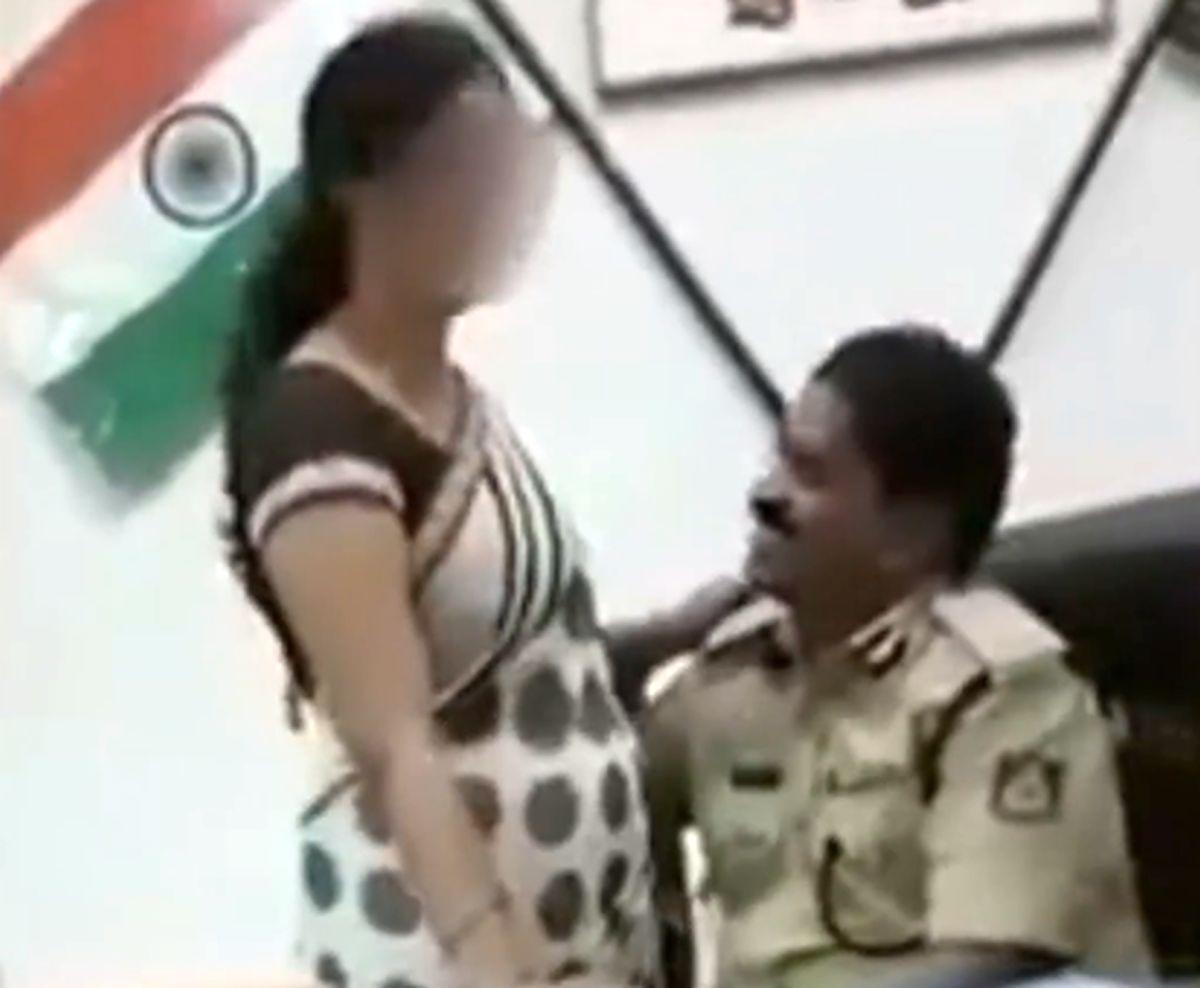
Political and Public Reactions
The incident has sparked sharp political reactions, with opposition parties demanding transparency and accountability. Critics have questioned how such an officer continued in a sensitive position and whether there were earlier warning signs that were ignored.
Civil society voices have also weighed in, calling for clear guidelines on ethical conduct for senior officials and stronger internal monitoring mechanisms. Many argue that the controversy highlights the need for institutional safeguards to prevent misuse of power and protect the dignity of public office.
Public reaction has been a mix of shock, disappointment, and anger. For many citizens, the episode reinforces cynicism about those in authority, while others have urged restraint until investigations establish the facts conclusively.
Legal and Disciplinary Process Ahead
The road ahead for K. Ramachandra Rao depends on the outcome of multiple inquiries. If the video is authenticated and found to involve misconduct, he could face departmental action, including dismissal, as well as possible criminal charges depending on the nature of the acts involved.
If, however, the video is proven to be manipulated or fabricated, the focus may shift to identifying those responsible for creating and circulating it, raising issues of cybercrime, defamation, and privacy violations. In such a scenario, Rao could seek reinstatement and legal redress.
Legal experts note that cases involving digital evidence are complex and require careful handling to avoid premature conclusions. The emphasis, they stress, must remain on due process and evidence-based decision-making.
A Test for Institutions
Beyond the individual, the episode represents a test for Karnataka’s administrative and policing institutions. How transparently and fairly the case is handled will shape public perception of the government’s commitment to accountability and rule of law.
The controversy also underscores the evolving challenges faced by public officials in the digital age, where personal actions can quickly become public scandals with far-reaching consequences. For institutions built on authority and trust, managing such crises requires both firmness and fairness.
As investigations continue, the suspension of K. Ramachandra Rao marks a moment of reckoning for the state police leadership. Whether it ultimately reinforces accountability or deepens public distrust will depend on the clarity, integrity, and credibility of the process that follows.
Follow: Karnataka Government
Also read: Home | Channel 6 Network – Latest News, Breaking Updates: Politics, Business, Tech & More
