
Dharwad district has emerged as the top-performing district in Karnataka in the implementation of the State government’s ambitious guarantee schemes, according to official data and administrative assessments. The achievement has been projected by the government as a validation of its welfare-driven governance model, while district officials credit meticulous planning, coordinated execution, and continuous monitoring for the milestone. As guarantee schemes continue to shape the political and social narrative of Karnataka, Dharwad’s performance has become a benchmark for other districts to emulate.
The guarantee schemes, introduced with the stated aim of providing economic relief and social security to vulnerable sections, have been under close scrutiny from both supporters and critics. In this context, Dharwad’s ranking has drawn statewide attention, with policymakers, administrators, and political leaders analysing the factors behind its success. For residents of the district, the recognition has reinforced confidence in the delivery of welfare benefits that directly impact daily life.
Understanding the guarantee schemes framework
The Karnataka government’s guarantee schemes were conceived as a comprehensive welfare package targeting women, students, unemployed youth, senior citizens, and economically weaker households. These schemes include free bus travel for women, monthly financial assistance to women heads of families, free electricity up to a specified limit, free rice distribution, and unemployment assistance for qualified youth.
Together, these initiatives represent one of the largest welfare outlays in the State’s history. Their success depends not only on financial allocation but also on effective identification of beneficiaries, robust grievance redressal systems, and transparent monitoring mechanisms. District administrations play a critical role in translating policy into tangible outcomes, making district-level performance a key indicator of overall success.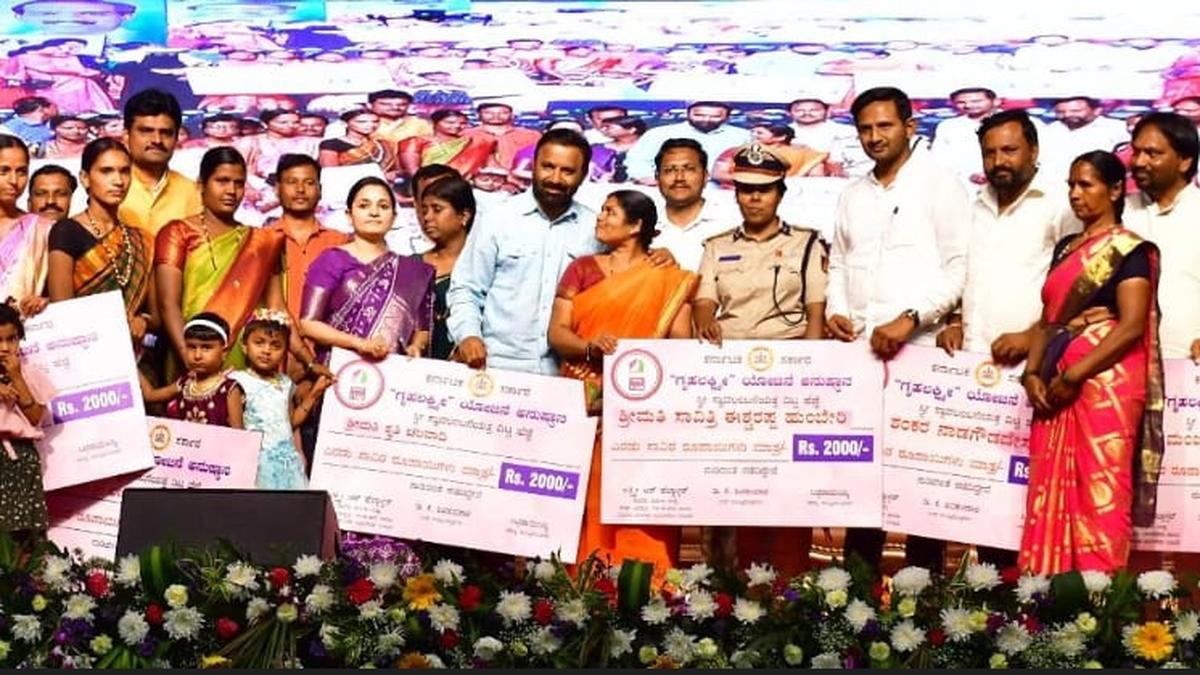
Dharwad’s top ranking and official assessment
According to officials, Dharwad topped the State based on parameters such as coverage of eligible beneficiaries, speed of benefit delivery, grievance resolution rates, and minimal exclusion errors. The district reportedly achieved near-universal coverage of eligible households under multiple schemes, ensuring that benefits reached intended recipients without significant delays.
Senior officials in the district administration said a data-driven approach was central to Dharwad’s performance. Real-time dashboards, regular field-level reviews, and close coordination between departments helped identify gaps early and address them promptly. “The focus was on execution rather than publicity. We ensured that every eligible person was identified and enrolled,” an official said.
Role of district administration and coordination
The district administration’s role has been widely acknowledged as a key factor in Dharwad’s success. Officials said that inter-departmental coordination was strengthened through weekly review meetings involving revenue, social welfare, food and civil supplies, transport, energy, and rural development departments.
Taluk-level officers were given clear targets and timelines, while frontline workers such as village accountants, anganwadi staff, and fair price shop dealers were sensitised about scheme guidelines. This ensured uniform interpretation of eligibility criteria and reduced confusion among beneficiaries.
District authorities also emphasised accountability. Officers were required to submit progress reports regularly, and field inspections were conducted to verify claims. This hands-on approach, officials said, created a culture of responsibility and urgency.
Beneficiary identification and outreach efforts
One of the major challenges in implementing large-scale welfare schemes is accurate beneficiary identification. Dharwad tackled this through extensive outreach campaigns, including village-level camps, ward meetings, and mobile help desks. Special attention was given to marginalised communities, migrant workers, and urban poor settlements.
Officials said door-to-door verification drives helped identify eligible beneficiaries who might otherwise have been excluded due to lack of documentation or awareness. Dedicated helplines and facilitation centres were set up to assist applicants with enrollment and grievance registration.
Residents in rural areas said these outreach efforts made a significant difference. Many beneficiaries reported that officials personally visited villages to explain the schemes and help with applications, reducing dependence on middlemen.
Women-centric schemes and social impact
Women-centric schemes have been among the most impactful components of the guarantee package, and Dharwad’s performance in this area has been particularly strong. Free bus travel for women reportedly saw high uptake, improving mobility for students, workers, and homemakers alike.
Women beneficiaries said the scheme reduced daily travel expenses and enabled greater participation in education, employment, and healthcare. The monthly financial assistance to women heads of families was also cited as a critical support during periods of rising living costs.
Social activists noted that these schemes had intangible benefits as well, including increased confidence and autonomy among women. Dharwad’s effective implementation, they said, demonstrated how administrative efficiency could amplify social outcomes.
Food security and energy guarantees
The free rice distribution scheme and subsidised electricity supply formed another pillar of the guarantee framework. In Dharwad, fair price shops reportedly maintained consistent stock levels, and monitoring mechanisms helped prevent diversion and delays.
Officials from the food and civil supplies department said biometric authentication and digitised records improved transparency. Beneficiaries confirmed that regular distribution schedules were largely adhered to, reducing uncertainty for low-income households.
Similarly, the free electricity scheme up to a specified consumption limit provided relief to households struggling with energy costs. While concerns were raised statewide about power supply and financial sustainability, Dharwad officials said careful monitoring helped balance beneficiary needs with grid stability.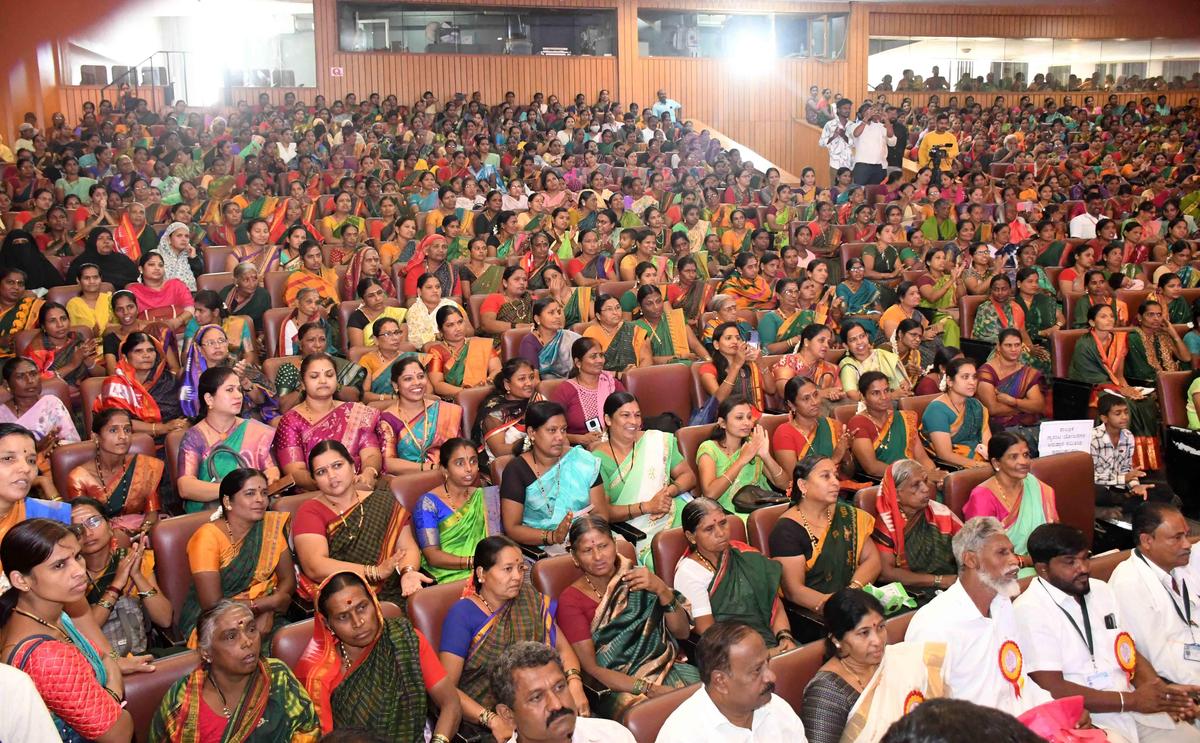
Grievance redressal and citizen feedback
An effective grievance redressal mechanism has been a cornerstone of Dharwad’s success. The district reportedly recorded one of the highest grievance resolution rates in the State, with complaints being addressed within stipulated timelines.
Officials said complaints related to exclusion, delays, or technical errors were tracked through an integrated system, allowing officers to identify recurring issues and address systemic gaps. Periodic audits and third-party reviews were also conducted to assess implementation quality.
Beneficiaries said the ability to register complaints easily and receive timely responses enhanced trust in the administration. Civil society groups noted that transparent grievance handling was essential to sustaining public confidence in welfare programmes.
Political reactions and government response
The ruling Congress highlighted Dharwad’s achievement as evidence that the guarantee schemes were not merely electoral promises but deliverable commitments. Ministers praised district officials and field workers, urging other districts to replicate Dharwad’s model.
Opposition parties, while acknowledging Dharwad’s performance, raised questions about long-term fiscal sustainability and uniformity across districts. They argued that success in one district should not overshadow challenges faced elsewhere, including delays and exclusion errors.
In response, the government maintained that continuous evaluation and course correction were part of the implementation process. Officials said Dharwad’s example would inform best practices and help improve performance statewide.
Experts weigh in on Dharwad’s model
Policy experts and economists analysed Dharwad’s performance as a case study in administrative efficiency. They noted that while financial resources were essential, the decisive factor was governance capacity at the district level.
Experts highlighted Dharwad’s emphasis on data integration, local accountability, and citizen engagement as replicable strategies. They cautioned, however, that sustaining such performance required consistent funding, political support, and capacity-building for officials.
Some experts also stressed the importance of measuring outcomes, not just coverage. They said future evaluations should assess whether the schemes led to long-term improvements in livelihoods, education, and health.
Challenges and areas for improvement
Despite its top ranking, Dharwad faced challenges common to large welfare programmes. Officials acknowledged issues such as occasional technical glitches, documentation gaps, and the need to continuously update beneficiary lists.
Urban migration and changing household compositions also posed challenges for accurate targeting. District authorities said mechanisms were being refined to account for such dynamics and ensure that benefits reached genuine beneficiaries.
Civil society groups urged greater transparency in publishing beneficiary data and audit findings. They said proactive disclosure would strengthen public trust and deter misinformation.
Impact on public perception and governance
Dharwad’s success has had a noticeable impact on public perception of governance. Residents expressed greater confidence in the administration’s ability to deliver services effectively. Some said the timely receipt of benefits reduced dependence on informal credit and improved household stability.
Political observers noted that visible welfare delivery could influence electoral outcomes, particularly in districts where trust in government institutions had been eroded. Dharwad’s performance, they said, underscored the political significance of administrative competence.
Lessons for other districts
Officials from other districts have reportedly sought insights from Dharwad’s approach. Best practices such as decentralised monitoring, regular field engagement, and integrated data systems are being discussed at the State level.
The government has indicated plans to institutionalise successful strategies through guidelines and training programmes. By standardising effective practices, officials hope to reduce disparities in implementation across districts.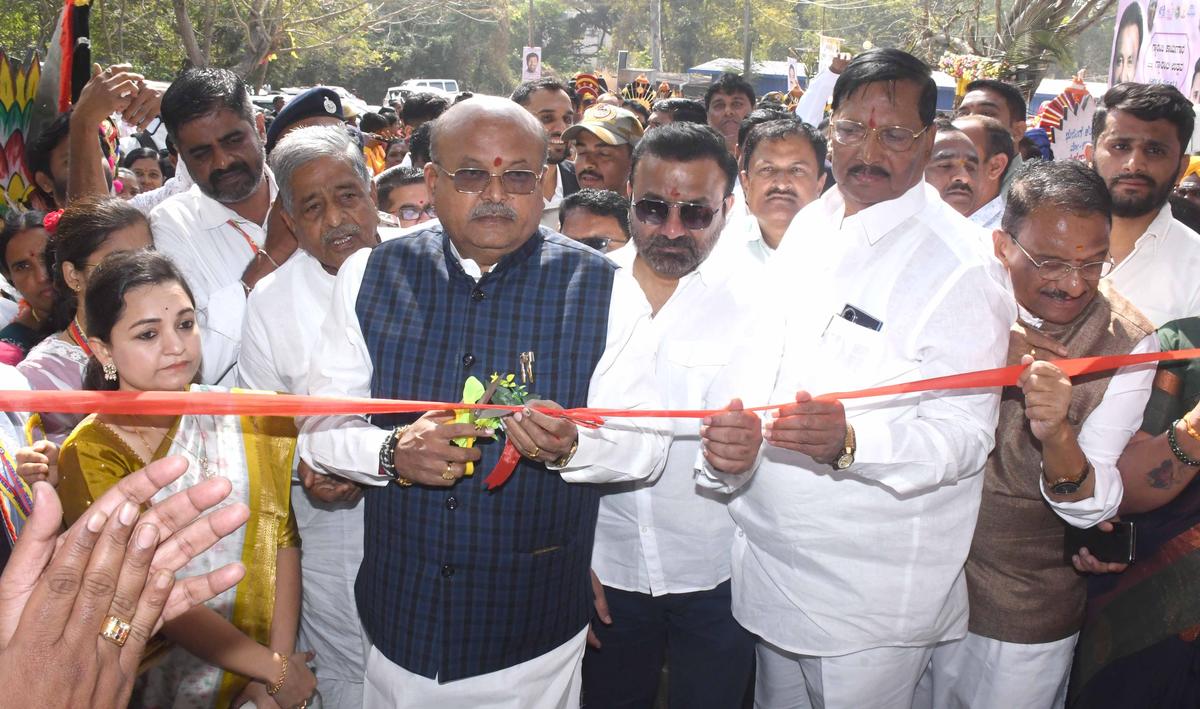
Long-term sustainability and fiscal considerations
While Dharwad’s achievement has been widely praised, questions remain about the long-term sustainability of guarantee schemes. Economists caution that sustained funding and prudent fiscal management are essential to prevent strain on public finances.
The government has argued that welfare spending stimulates local economies and generates multiplier effects. Dharwad’s experience, officials said, supported this view, with increased consumer spending and economic activity observed in some sectors.
However, experts emphasised the need for continuous evaluation to balance welfare objectives with fiscal discipline.
Conclusion
Dharwad’s emergence as the top-performing district in the implementation of Karnataka’s guarantee schemes marks a significant milestone in the State’s welfare journey. The district’s success reflects a combination of administrative efficiency, proactive outreach, and effective grievance redressal, demonstrating that large-scale welfare programmes can be delivered effectively with the right governance framework.
As the State looks to strengthen and expand its welfare initiatives, Dharwad’s experience offers valuable lessons. Sustaining this momentum, addressing challenges, and ensuring equitable outcomes across all districts will determine whether the guarantee schemes leave a lasting legacy of social security and inclusive development in Karnataka.
Follow: Karnataka Government
Also read: Home | Channel 6 Network – Latest News, Breaking Updates: Politics, Business, Tech & More
