
Dharwad has emerged as the leading district in Karnataka in the effective implementation of state-backed guarantee schemes, marking a milestone in citizen-centric governance. The district has been recognised for its efficiency, transparency, and proactive approach in delivering financial and social benefits under various welfare programs initiated by the state government. Officials highlighted that Dharwad’s performance exemplifies how coordinated administration, effective monitoring, and citizen engagement can significantly improve outcomes in public service delivery.
State authorities reported that Dharwad has successfully implemented several key schemes, including the Guaranteed Employment Program, the Rural Housing Scheme, and social security benefits for senior citizens, women, and marginalized communities. The district’s proactive approach has ensured that eligible beneficiaries receive timely support, reducing delays and enhancing public confidence in government programs. Officials emphasised that Dharwad’s model could serve as a benchmark for other districts seeking to improve welfare delivery mechanisms.
Local administrators attributed the district’s success to meticulous planning, rigorous monitoring, and strong coordination among government departments. Revenue officers, gram panchayat officials, and field-level staff worked closely to identify eligible beneficiaries, streamline documentation, and facilitate payments. Technology played a crucial role, with online databases and mobile applications allowing real-time tracking of scheme implementation and preventing duplication or misallocation of benefits.
The state government has praised Dharwad’s performance, noting that the district’s efficient execution of guarantee schemes demonstrates the potential of decentralized governance. Authorities emphasised that citizen satisfaction is central to the success of welfare programs, and timely delivery of benefits strengthens trust in public institutions. Officials confirmed that the district’s practices are being studied for replication across Karnataka, with the goal of ensuring uniform access to social security and welfare services.
STRATEGIES BEHIND DHARWAD’S SUCCESS
Experts analysing Dharwad’s performance identified several strategies contributing to its top ranking. First, the district implemented a rigorous verification system to ensure that only eligible beneficiaries received support. Second, field officers were empowered to resolve grievances and assist applicants in completing required documentation. Third, regular audits and reviews allowed authorities to detect and address discrepancies early, improving overall efficiency and accountability.
Local officials also highlighted the importance of awareness campaigns. Residents were informed about available schemes, eligibility criteria, and application procedures through community meetings, local media, and digital platforms. These efforts increased participation rates, reduced confusion, and encouraged citizens to avail themselves of benefits. Experts noted that informed citizens are more likely to report issues, improving the monitoring and effectiveness of public programs.
Dharwad’s administration has also embraced technology to enhance transparency. Online portals provide real-time information about pending applications, payment status, and grievance redressal. Mobile applications allow residents to submit complaints and track progress, while digital dashboards help authorities monitor performance metrics across different programs. Officials stressed that integrating technology with human oversight has been central to the district’s success.
Another key factor has been collaboration among various departments, including revenue, social welfare, and rural development. Regular inter-departmental meetings ensured coordinated efforts, avoiding duplication and delays in benefit delivery. Officials emphasized that collaborative governance allows for faster decision-making, prompt resolution of bottlenecks, and more equitable distribution of resources.
IMPACT ON CITIZENS
The effective implementation of guarantee schemes has significantly benefited citizens across Dharwad. Farmers reported timely receipt of crop insurance and subsidy payments, while senior citizens accessed pensions without delays. Women beneficiaries under skill development and financial inclusion programs expressed satisfaction with the support received, noting that it enhanced their economic independence and social security.
Residents in rural areas particularly praised the accessibility of services. The district administration’s outreach initiatives brought officials closer to villages, reducing the need for travel to distant offices and ensuring that even marginalized communities could access benefits. Many citizens highlighted the transparency of the process, stating that knowing the status of their applications online prevented exploitation by middlemen and unofficial intermediaries.
Businesses and local entrepreneurs also benefited from timely disbursement of credit-linked support and training programs. Authorities noted that streamlined welfare delivery encourages local economic activity, as residents can utilize financial assistance to invest in agriculture, small businesses, and skill development. Experts observed that efficient implementation of state schemes contributes not only to social welfare but also to broader economic growth.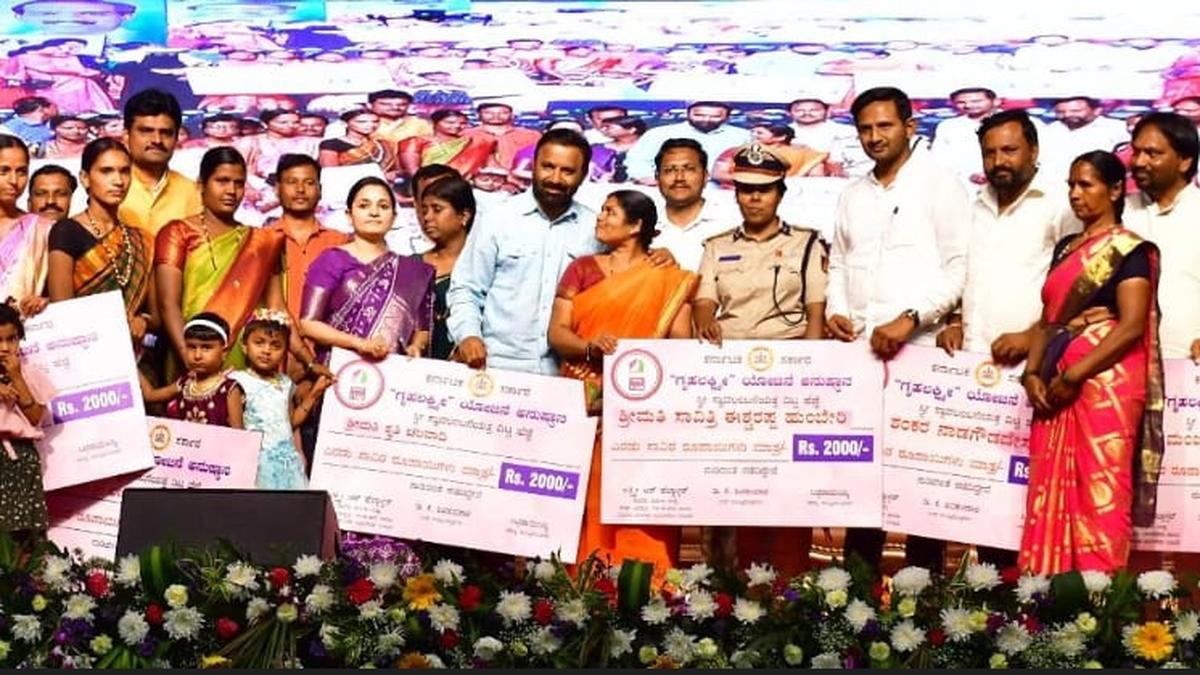
GOVERNMENT RESPONSE AND FUTURE INITIATIVES
State officials commended Dharwad for setting a benchmark in welfare scheme implementation and announced plans to replicate its model in other districts. Training programs for administrative staff, capacity-building workshops, and technology integration efforts are being scaled up statewide. Authorities emphasized that continuous monitoring, citizen engagement, and transparency are crucial for replicating Dharwad’s success in other areas.
Officials also stressed that the district’s achievements highlight the importance of decentralized governance. Empowering local authorities, equipping field officers with resources, and fostering accountability are essential for improving service delivery. Dharwad’s performance demonstrates that when administration is citizen-focused, welfare schemes achieve their intended impact.
The government plans to further enhance efficiency by incorporating advanced analytics, real-time monitoring dashboards, and predictive tools to anticipate issues in scheme implementation. Authorities believe that leveraging technology alongside human oversight can strengthen welfare delivery, minimize errors, and ensure that benefits reach those most in need.
CHALLENGES AND RESIDENTIAL CONCERNS
While Dharwad’s performance is exemplary, experts caution that challenges remain. Inaccuracies in records, delays in documentation, and occasional miscommunication with beneficiaries can impact efficiency. Authorities acknowledged these issues and highlighted ongoing measures to streamline processes, including digitization of records, mobile verification teams, and online grievance redressal mechanisms.
Some residents expressed concern over accessibility for the elderly and those without digital literacy. Officials responded by establishing help centers, community support programs, and field assistance to ensure that no citizen is excluded from receiving benefits. Experts stressed that inclusivity is as important as efficiency in welfare program delivery, particularly in ensuring equitable access to all segments of the population.
Experts also warned that political interference, resource constraints, or administrative bottlenecks in other districts could hinder replication of Dharwad’s model. Authorities emphasized the need for sustained commitment, regular audits, and citizen feedback to maintain high standards and achieve uniform implementation statewide.
POLITICAL AND SOCIAL IMPACT
Dharwad’s achievement has been hailed across the political spectrum as a model for effective governance. Analysts noted that efficient welfare delivery enhances public trust, strengthens social cohesion, and reduces grievances related to delayed or denied benefits. Political leaders from all parties highlighted the district’s practices in discussions, emphasizing transparency, accountability, and citizen-centric administration as critical for success.
The district’s performance has also inspired civil society organizations to actively monitor and assist with scheme implementation. NGOs and community groups are collaborating with government authorities to ensure that eligible residents receive timely benefits, provide assistance with documentation, and raise awareness about available programs. Experts noted that such partnerships are key to sustainable, long-term success in public service delivery.
Social activists praised Dharwad for focusing on inclusivity, ensuring that marginalized and vulnerable populations are not left behind. Programs targeting women, senior citizens, and economically weaker sections have seen high participation, highlighting the district’s commitment to equitable welfare distribution. Observers stressed that citizen empowerment and awareness are central to maintaining efficiency and accountability in public programs.
TECHNOLOGY AND INNOVATION
Technology has played a central role in Dharwad’s success. Real-time data tracking, integrated portals, and online verification systems have streamlined processes, minimized errors, and improved transparency. Mobile applications allow residents to submit complaints, track applications, and access information on entitlements. Authorities highlighted that integrating technology with human oversight ensures efficiency while maintaining accuracy.
Officials also pointed out that digital dashboards and analytics tools enable administrators to monitor performance across schemes, identify bottlenecks, and deploy resources effectively. Predictive analytics allows authorities to anticipate issues, such as delays in payments or misallocation of benefits, and take corrective action promptly. Experts noted that such innovations could redefine governance and enhance the delivery of public services in other districts.
The district administration has also initiated training programs to equip field staff with the necessary skills to operate digital tools. Village-level officers, revenue officials, and community volunteers received hands-on training to handle applications, verify documentation, and manage grievances, ensuring that technological interventions translate into practical benefits for residents.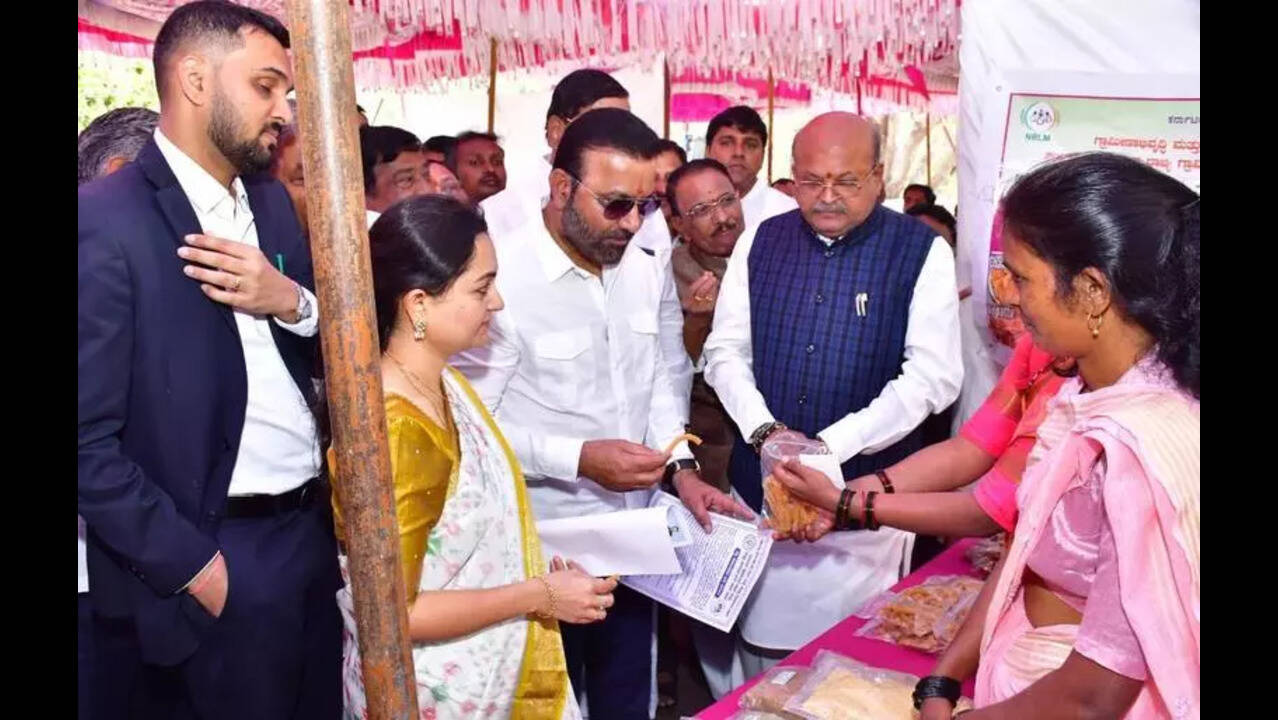
FUTURE PROSPECTS
Looking ahead, Dharwad aims to maintain its leadership in guarantee scheme implementation by continuously improving processes, adopting new technologies, and strengthening citizen engagement. Authorities emphasized that regular audits, feedback mechanisms, and capacity-building initiatives are essential to sustain high standards of service delivery.
Experts believe that Dharwad’s approach provides a replicable model for other districts in Karnataka and across India. Combining technology, transparency, and citizen-focused governance can enhance efficiency, reduce disputes, and improve public trust in government programs. Authorities plan to document best practices, share them statewide, and offer training and support to districts seeking to emulate Dharwad’s success.
Residents expressed optimism that Dharwad’s achievement will encourage other districts to adopt similar measures. Citizens noted that transparent and timely delivery of welfare benefits has a transformative impact on their lives, boosting confidence in government systems and promoting social and economic empowerment. Experts emphasized that sustained commitment, collaboration, and innovation are essential to maintain and expand these gains.
In conclusion, Dharwad’s top ranking in the implementation of guarantee schemes underscores the district’s commitment to efficient, transparent, and citizen-centric governance. Through strategic planning, technology integration, and active community engagement, the district has ensured timely delivery of benefits, enhanced public trust, and created a model of excellence in welfare administration. Dharwad’s experience demonstrates that with proactive leadership and innovative solutions, public programs can achieve their intended impact, ensuring social equity, economic empowerment, and sustainable development for all citizens.
Follow: Karnataka Government
Also read: Home | Channel 6 Network – Latest News, Breaking Updates: Politics, Business, Tech & More
