
The denial of permission for a proposed cricket match at the M. Chinnaswamy Stadium in Bengaluru has triggered widespread disappointment among fans, players, organisers, and the city’s sporting community. The iconic stadium, long regarded as the heart of cricket in Karnataka, was expected to host the match amid considerable anticipation. However, authorities cited administrative and security-related concerns while refusing clearance, once again highlighting the growing complexities involved in hosting large-scale sporting events in urban centres.
The decision comes at a time when Bengaluru’s cricket calendar has already faced multiple disruptions. Known for its vibrant cricket culture and passionate fan base, the city has repeatedly proven its capacity to host international, domestic, and league-level matches. Yet, the refusal to grant permission has raised questions about coordination between sporting bodies, civic authorities, and law enforcement agencies. For many fans, the decision feels like a missed opportunity to revive live cricketing action at one of India’s most celebrated venues.
Officials involved in the process clarified that the decision was not aimed at undermining cricket or discouraging sporting events. Instead, they stressed that public safety, traffic management, and logistical preparedness were the primary factors behind the denial. With Bengaluru grappling with infrastructure stress, congestion, and heightened security concerns, authorities argued that approving the match without comprehensive arrangements would have posed risks to both spectators and the general public.
Cricket associations and event organisers, however, expressed disappointment, pointing out that preparations had been underway for weeks. According to sources, ticketing strategies, team logistics, and broadcast arrangements had already been planned. The sudden denial not only affects fans who were eagerly awaiting the match but also results in financial losses for organisers, vendors, and ancillary service providers who depend on match-day activity.
The M. Chinnaswamy Stadium has historically been more than just a sports venue. It represents Bengaluru’s identity as a cricketing hub, having hosted memorable matches featuring legendary players and historic moments. Any decision affecting events at the stadium inevitably carries emotional weight. Fans took to public discussions to express frustration, arguing that consistent administrative hurdles risk eroding the city’s reputation as a reliable host for major sporting events.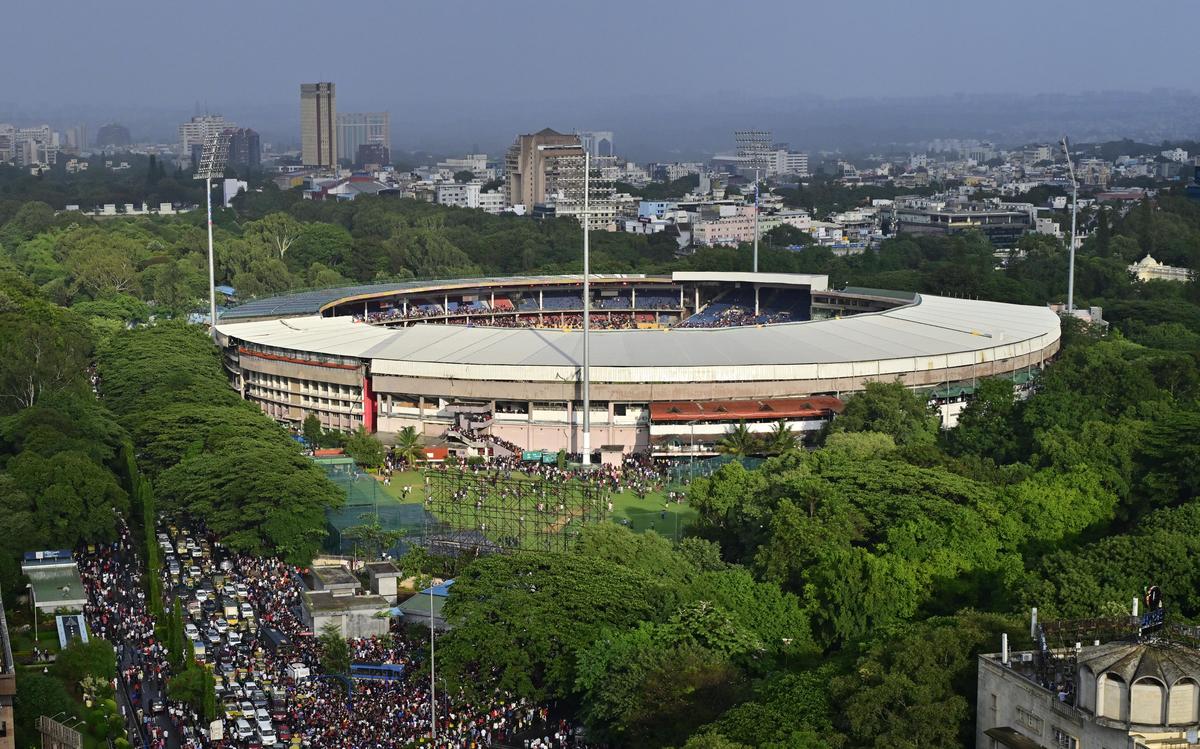
Authorities, on the other hand, maintain that the decision reflects a responsible governance approach. They argue that past experiences have demonstrated how inadequate planning can lead to crowd mismanagement, traffic chaos, and safety hazards. In recent years, the city has witnessed heightened scrutiny over large public gatherings, prompting officials to adopt a more cautious stance. The refusal, they insist, must be viewed in the larger context of urban management rather than as an isolated anti-sporting move.
Beyond immediate disappointment, the incident has reignited a larger debate on how sporting infrastructure is managed in metropolitan cities. As Bengaluru continues to grow, balancing its status as a cultural and sporting capital with the realities of urban strain has become increasingly challenging. The denial of permission at such a high-profile venue underscores the need for more coordinated, transparent, and long-term planning frameworks for hosting major events.
Security, Logistics, and Administrative Concerns Take Centre Stage
At the core of the decision to deny permission were concerns related to security preparedness and logistical feasibility. Officials familiar with the matter indicated that multiple agencies involved in crowd control and emergency response had flagged limitations. With tens of thousands of spectators expected, ensuring seamless entry, exit, and emergency evacuation was cited as a major challenge under current conditions.
Traffic congestion around the stadium area remains a persistent concern. Located in the heart of the city, the M. Chinnaswamy Stadium is surrounded by busy arterial roads and commercial zones. On match days, traffic diversions often disrupt daily commuters, leading to complaints from residents and businesses alike. Authorities noted that without a comprehensive traffic management plan, allowing the match could have caused widespread disruption.
Law enforcement agencies reportedly raised concerns about deploying adequate personnel. With multiple events and routine policing demands already stretching resources, ensuring foolproof security for a high-profile cricket match was deemed difficult. Officials emphasised that any lapse could have serious consequences, especially given the large crowds and heightened public sensitivity around safety at mass gatherings.
Administrative preparedness also came under scrutiny. Authorities pointed to pending clearances related to fire safety, emergency medical arrangements, and coordination between various civic departments. While organisers argued that these issues could be resolved with additional time, officials countered that last-minute arrangements often lead to gaps that become evident only during emergencies.
The decision-making process, according to sources, involved multiple rounds of review and consultations. Officials stressed that denying permission was not taken lightly, especially given the stadium’s legacy. However, they argued that past incidents across the country have demonstrated the dangers of compromising on safety norms. In this context, erring on the side of caution was seen as the only responsible option.
Cricket administrators have acknowledged the importance of safety but questioned whether the existing system places disproportionate hurdles on event organisers. They argue that with better advance coordination and clearer guidelines, such last-minute denials could be avoided. The lack of a predictable approval framework, they say, creates uncertainty and discourages future planning.
Fans, meanwhile, expressed mixed reactions. While many voiced anger and disappointment, others acknowledged the need for safety. Some argued that the authorities should invest more in infrastructure upgrades around the stadium to ensure that safety concerns do not repeatedly result in cancellations. The recurring nature of such issues suggests systemic gaps rather than isolated administrative lapses.
The denial of permission at the M. Chinnaswamy Stadium serves as a reminder that iconic venues alone are not enough. Effective governance, robust infrastructure, and collaborative planning are equally essential. Whether this moment becomes a turning point or another chapter in a pattern of disruption will depend on the actions taken in the months ahead. For Bengaluru’s cricket faithful, the hope is that disappointment gives way to reform, ensuring that the roar of the crowd returns stronger and safer than before.
The episode has also highlighted the need for better communication. Several stakeholders felt that clearer and earlier communication from authorities could have mitigated disappointment and logistical confusion. Transparent timelines and well-defined requirements, they argue, would help organisers plan more effectively and reduce friction between sporting bodies and civic agencies.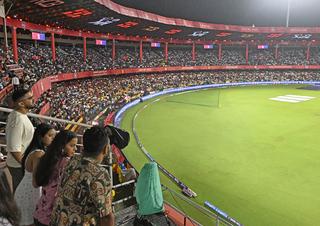
Impact on Cricket Ecosystem and the Road Ahead
The denial of permission for the match has implications that extend beyond a single event. Bengaluru’s cricket ecosystem includes players, coaches, ground staff, broadcasters, vendors, and small businesses that rely on match-related activity. Each cancelled or denied event represents lost income and diminished opportunities for engagement with the sport.
Local businesses around the stadium, including eateries, merchandise sellers, and transport providers, often experience a significant surge in activity during matches. For many, cricket events are a vital source of revenue. The decision has therefore sparked concerns about the economic ripple effects of such cancellations, particularly in a city already facing economic pressures.
For players, especially domestic and emerging talents, matches at venues like the M. Chinnaswamy Stadium offer exposure and experience. Playing in front of large, passionate crowds is an integral part of professional development. Repeated disruptions can affect scheduling, preparation, and morale, particularly for teams operating within tight domestic calendars.
Cricket associations have urged authorities to consider long-term solutions rather than reactive decisions. Suggestions include upgrading surrounding infrastructure, improving public transport connectivity on match days, and creating dedicated event management protocols. Such measures, they argue, would allow the city to continue hosting major matches without compromising safety or civic order.
The incident has also prompted calls for greater collaboration between state authorities, city administrators, and sporting bodies. Experts argue that cities like Bengaluru require integrated event management models that anticipate challenges and address them proactively. This would involve regular coordination meetings, shared responsibility frameworks, and clearly defined accountability mechanisms.
From a governance perspective, the decision reflects the broader tension between urban development and public events. As cities expand, hosting large gatherings becomes increasingly complex. Authorities face pressure to ensure safety while also supporting cultural and sporting life. Striking this balance requires both investment and innovation, areas where Bengaluru still has room to grow.
Public sentiment remains deeply tied to cricket, and the emotional response to the denial reflects the sport’s place in the city’s collective identity. Many fans expressed hope that this setback would prompt meaningful dialogue rather than recurring frustration. There is a growing expectation that authorities and organisers must move beyond blame and work toward sustainable solutions.
In the immediate term, attention is likely to shift to whether alternative venues or revised schedules can accommodate the match. However, the larger question remains unresolved: how can Bengaluru preserve its status as a premier cricketing destination while addressing legitimate safety and administrative concerns?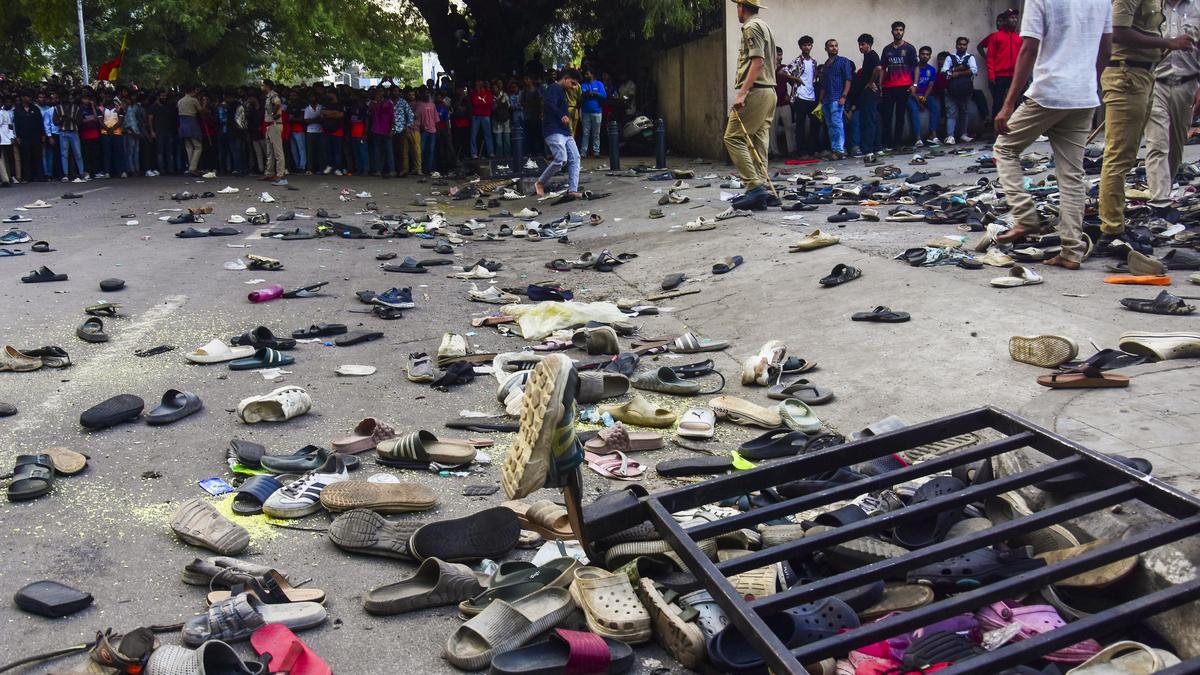
The denial of permission at the M. Chinnaswamy Stadium serves as a reminder that iconic venues alone are not enough. Effective governance, robust infrastructure, and collaborative planning are equally essential. Whether this moment becomes a turning point or another chapter in a pattern of disruption will depend on the actions taken in the months ahead. For Bengaluru’s cricket faithful, the hope is that disappointment gives way to reform, ensuring that the roar of the crowd returns stronger and safer than before.
Follow: Karnataka Government
Also read: Home | Channel 6 Network – Latest News, Breaking Updates: Politics, Business, Tech & More
