
Families displaced during the Kogilu Layout demolition in Bengaluru observed what they called the “Poor People’s Republic Day,” highlighting the hardships faced by residents evicted from their homes. The commemoration took place near the site of the demolition, where affected families gathered to express their grievances, demand rehabilitation, and draw public attention to their plight. Many participants carried placards, shared personal stories, and held symbolic acts such as laying flowers or lighting candles, underscoring the human cost of urban development projects. Organizers emphasized that the observance was intended to be peaceful, reflecting the community’s collective struggle for justice and dignity.
The observance of “Poor People’s Republic Day” also underscored the emotional toll of displacement on families. Parents expressed concern over the disruption to children’s education, with some having to switch schools mid-year or travel long distances to continue studies. Elderly family members reported difficulties in accessing medical facilities after relocation. Mental health professionals present at the gathering highlighted that trauma from eviction can persist long after physical displacement, often affecting family dynamics, productivity, and social integration. These testimonies emphasized that rehabilitation planning must address not only housing but also social, educational, and psychological support.
Activists pointed out that forced evictions without adequate consultation violate basic human rights and constitutional guarantees of equality and dignity. They stressed that while urban development is necessary, it should not come at the cost of marginalizing vulnerable populations. The “Poor People’s Republic Day” served as a public reminder that city planning must incorporate social impact assessments and participatory decision-making. Legal experts suggested that affected residents could pursue claims for compensation, alternative housing, and restitution of livelihoods under existing laws, highlighting the importance of legal literacy among displaced communities.
The protest also drew attention to the socioeconomic disparities in Bengaluru, where rising property values and rapid urbanisation have disproportionately impacted low-income families. Residents argued that redevelopment often benefits wealthier investors while leaving marginalized communities at risk of homelessness and impoverishment. Community leaders emphasized that equitable urban development should balance economic growth with social justice, ensuring that no citizen is left without shelter or support. The event aimed to pressure authorities to consider long-term social consequences alongside infrastructure goals.
Local NGOs participating in the observance provided guidance and support to families in navigating bureaucratic procedures. They assisted in documenting grievances, submitting petitions, and seeking legal advice. Volunteers also organized discussions and workshops on housing rights, emphasizing the importance of collective action and civic engagement. These efforts highlighted the role of civil society in bridging gaps between displaced communities and government authorities, ensuring that the voices of the affected are heard and considered.
The event incorporated symbolic acts to emphasize the gravity of the displacement. Candles were lit in memory of lost homes, and floral tributes were laid at the edge of the demolished layout. Some participants held a silent march along nearby streets, visually representing the journey from security to uncertainty. These gestures served as powerful reminders of the human consequences of redevelopment decisions and created visual narratives that resonated with both the public and media, amplifying awareness of the issue.
Families also shared stories of resilience and community solidarity. Despite facing significant hardships, residents have organized themselves into support networks, sharing resources, providing temporary shelter, and advocating collectively for their rights. The observance demonstrated that marginalized communities, even when displaced, can mobilize effectively to draw attention to injustices. Organizers emphasized that community cohesion is critical in negotiating with authorities and ensuring that rehabilitation processes are inclusive and fair.
Policy experts observing the event stressed the need for long-term frameworks for urban redevelopment. They suggested that mandatory pre-demolition consultations, transparent compensation formulas, and guaranteed rehabilitation housing could prevent future conflicts. Public observances like “Poor People’s Republic Day” play a crucial role in highlighting gaps in existing policies and generating pressure for legislative or administrative reforms. Authorities were urged to recognize that displacement is not merely a physical relocation but a social and economic disruption requiring comprehensive redressal.
The observance also sparked wider public debate about the ethics of city planning and redevelopment in fast-growing urban centers. Residents of nearby neighborhoods and civic-minded citizens expressed solidarity, sharing stories of similar struggles and advocating for policy changes. Social media amplified these narratives, drawing attention to the human cost of urbanization. Discussions emerged about the need for inclusive governance where development initiatives incorporate citizen feedback and uphold human dignity.
Journalists covering the event highlighted that such symbolic commemorations challenge conventional narratives of urban progress. By framing Republic Day as a moment to remember displaced families, participants critiqued the disconnect between celebratory national events and the lived realities of marginalized populations. Media coverage emphasized the need for empathy-driven policymaking, ensuring that development projects are people-centric rather than solely profit- or infrastructure-driven.
As the day ended, organizers stressed that “Poor People’s Republic Day” is both a reminder and a call to action. Participants hope that sustained advocacy will lead to policy reforms, fair rehabilitation, and recognition of the rights of displaced citizens. Families expressed determination to continue raising awareness, asserting their dignity, and demanding justice. The observance served as a poignant reminder that true national celebration must encompass the welfare and rights of all citizens, especially those most vulnerable to the consequences of rapid urban development.
The Kogilu Layout demolition had displaced dozens of families, with many reporting inadequate notice, insufficient compensation, and disruption of livelihoods. Affected residents said that children’s education, access to healthcare, and basic amenities had been severely impacted. During the “Poor People’s Republic Day” observance, families recounted their experiences of losing homes built over decades and facing uncertainty about relocation. Activists and local NGOs supported the gathering, providing a platform for voicing concerns and advocating for faster and fairer rehabilitation measures. The event was marked by speeches, emotional narratives, and calls for policy intervention.
The symbolic choice of observing Republic Day in this context highlights the contrast between national celebrations of pride and equality and the lived realities of marginalized communities. Participants noted the irony of celebrating freedom and rights while being denied basic housing and security. Residents expressed that while the nation commemorates constitutional values and citizen rights, their experiences reflect exclusion from these protections. The observance served both as a protest and a plea for attention from authorities and society at large.
HUMAN IMPACT AND REHABILITATION CONCERNS
The families’ testimonies revealed the long-term social and economic consequences of forced displacement. Many displaced residents had small-scale businesses or informal employment linked to their original neighbourhood, which were disrupted by the demolition. Women and elderly family members reported heightened vulnerability due to loss of familiar community support systems. Psychologists and social workers accompanying the observance highlighted that forced displacement can lead to emotional distress, loss of identity, and disruption of social networks, emphasizing the urgent need for structured rehabilitation and counseling.
NGOs and activist groups reiterated demands for comprehensive rehabilitation policies that go beyond monetary compensation. Suggestions included allocation of permanent housing, access to basic amenities such as water and electricity, and support for rebuilding livelihoods. Local leaders participating in the observance stressed the importance of inclusive urban planning that prioritizes people’s welfare alongside development projects. They argued that displacement without adequate planning and compensation undermines social justice and erodes public trust in governance.
Participants also used the observance to call attention to systemic issues in urban development. They noted that eviction notices were sometimes issued without clear legal backing, while compensation amounts were insufficient to purchase alternative housing in the city. Families stressed that their efforts to negotiate with authorities were met with delays or bureaucratic hurdles. The symbolic act of marking “Poor People’s Republic Day” was intended to remind policymakers and the public that development must balance infrastructure goals with human rights considerations.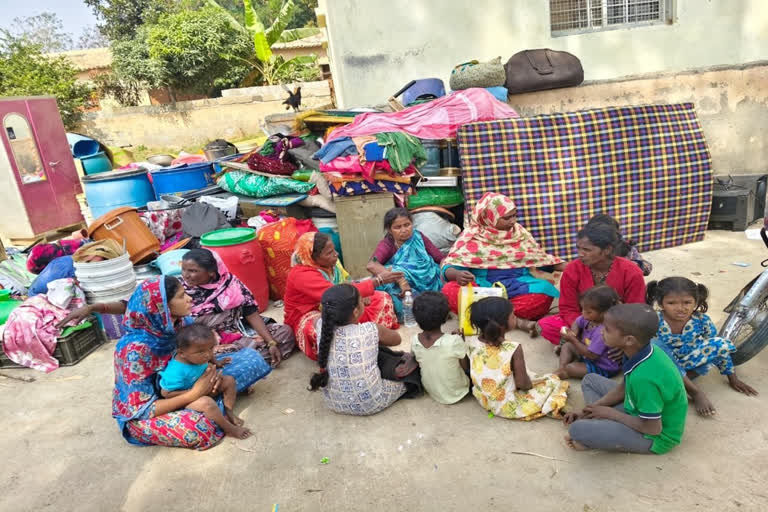
CIVIC RESPONSE AND SOCIAL AWARENESS
The observance drew attention from media, civil society organizations, and community leaders, sparking broader discussion about the treatment of marginalized populations in urban redevelopment projects. Social workers highlighted that similar cases of displacement have occurred across Bengaluru and other cities, raising questions about planning, transparency, and citizen participation. Advocates stressed that public awareness and civic engagement are crucial in ensuring accountability and humane treatment of affected communities.
Many visitors to the observance expressed solidarity, offering practical support such as food, clothing, and assistance with documentation. Local volunteers assisted in organizing the gathering, coordinating logistics, and facilitating discussions between displaced families and legal advisors. The event demonstrated the role of community support in amplifying the voices of those who might otherwise remain unheard. It also served as a reminder that civic engagement can take diverse forms, from formal protests to symbolic acts of commemoration.
The observance also highlighted the intergenerational impact of displacement. Children, who have lost access to schools or familiar neighbourhood environments, were present alongside parents and grandparents, symbolizing the long-term stakes of urban redevelopment decisions. Families emphasized that restoration of homes, community networks, and social stability is essential for ensuring that children grow up in secure and nurturing environments. The act of gathering on Republic Day reinforced the importance of rights, dignity, and equality for all citizens.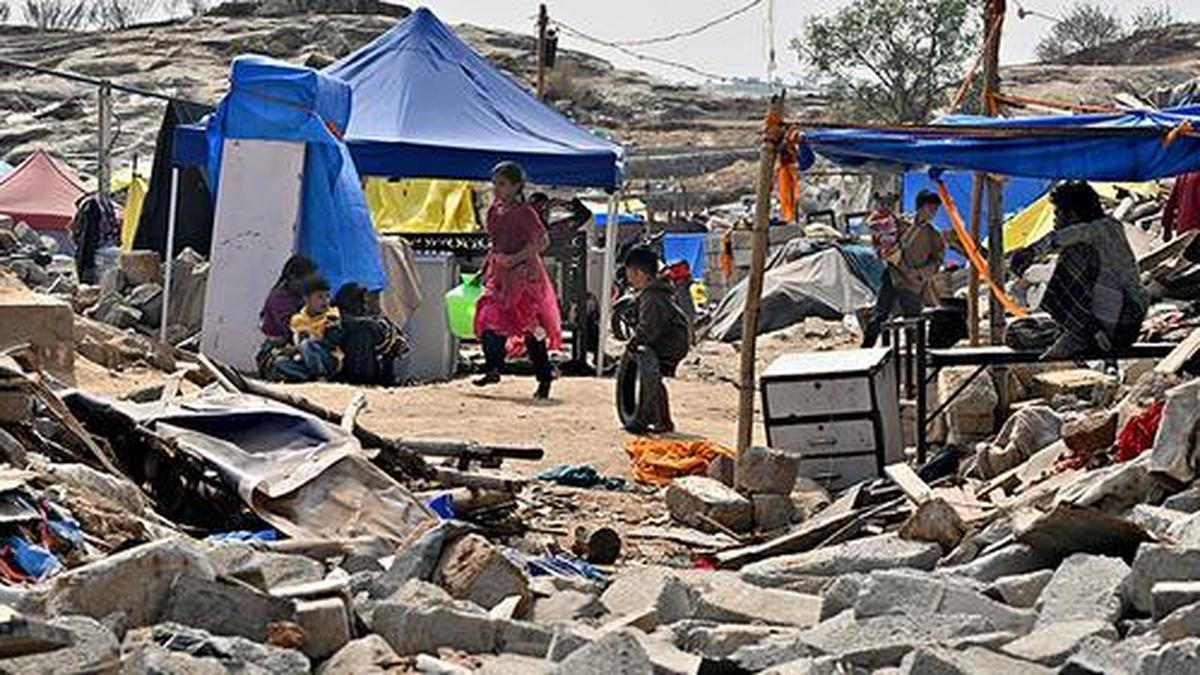
CALL FOR POLICY REFORMS
Civil society groups called on municipal authorities and urban planners to adopt more people-centric approaches in redevelopment initiatives. Recommendations included pre-demolition consultations with residents, transparent compensation mechanisms, and provision of temporary housing during transitional periods. Experts suggested that adherence to social impact assessments and stronger legal frameworks could prevent conflicts and reduce the trauma associated with forced evictions. The “Poor People’s Republic Day” observance, organizers stated, was intended to highlight these gaps and push for systemic reforms.
Local residents expressed hope that public visibility of their struggle would lead to meaningful action. They emphasized that recognition of their plight is a first step toward rehabilitation and justice. Families participating in the event also called for continued dialogue with authorities, stressing that collaborative solutions are possible if policymakers engage with affected communities empathetically.
As the day concluded, the observance left an enduring impression of resilience and determination among displaced families. By marking Republic Day through the lens of their hardships, participants sought to reclaim a sense of dignity and highlight the human cost of urban development. The “Poor People’s Republic Day” served as both a protest and a poignant reminder that true national pride must encompass social justice, inclusive development, and the protection of the most vulnerable citizens.
Follow: Karnataka Government
Also read: Home | Channel 6 Network – Latest News, Breaking Updates: Politics, Business, Tech & More
