
DMK ‘Disrespecting’ Constitution, Ambedkar on Devotees’ Right to Worship: Union Minister Murugan Says
DMK ‘disrespecting’ Constitution, Ambedkar on devotees’ right to worship: Union minister Murugan as the Union Minister of State accused the ruling party in Tamil Nadu of denying religious freedom to Hindu devotees. Speaking in Madurai, Murugan alleged that the state government failed to respect a High Court verdict related to the Karthigai Deepam lamp lighting at the Thirupparankundram hill, hurting the sentiments of devotees.
Murugan said the Constitution of India clearly guarantees the right to worship and that this fundamental right was upheld by Dr B R Ambedkar, the chief architect of the Constitution. He claimed that the DMK government had no authority to stop devotees from performing traditional rituals that have been followed for years.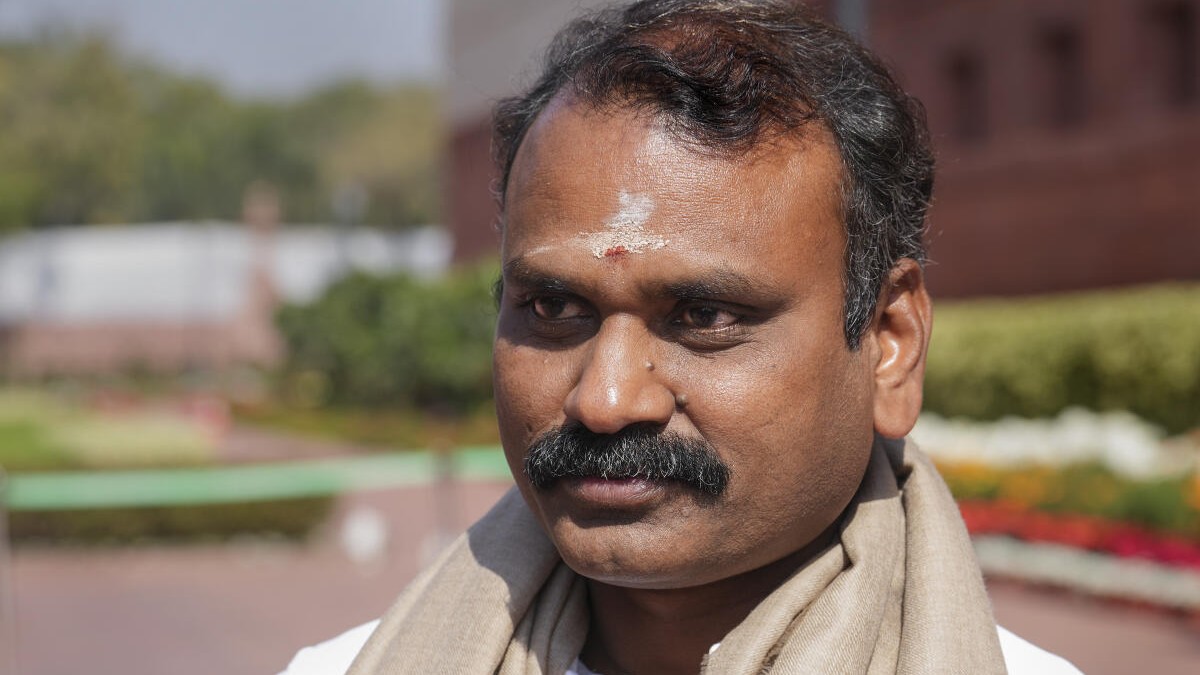
The controversy centres around the lighting of the Karthigai Deepam lamp on a pillar atop the Thirupparankundram hill, a place of religious significance for devotees of Lord Murugan. According to the Union minister, despite a court order permitting the ritual, the state administration did not allow the devotees to proceed.
He further alleged that even Central Industrial Security Force personnel who accompanied the devotees were turned away, which he described as a serious violation of constitutional rights.
DMK ‘Disrespecting’ Constitution, Ambedkar on Devotees’ Right to Worship Sparks Anger
Murugan said the actions of the state government had angered Murugan devotees across Tamil Nadu. He stated that devotees were upset not only because they were stopped from lighting the lamp, but also because the government challenged the court order that allowed the ritual.
According to him, instead of respecting the judgment of the Madurai Bench of the Madras High Court, the DMK government chose to oppose it. He alleged that the ruling party’s actions reflected a disregard for the judiciary and constitutional values.
The minister accused the DMK of consistently interfering in matters of faith and tradition. He said preventing religious practices goes against the spirit of the Constitution and the vision of Ambedkar, who ensured equal rights for all citizens, including freedom of worship.
Murugan also stated that the people of the state were watching these developments closely. He claimed that repeated interference in religious matters had created dissatisfaction among believers and temple communities.
DMK ‘Disrespecting’ Constitution, Ambedkar on Devotees’ Right to Worship Becomes Political Issue
After offering prayers at the Arulmighu Subrahmanya Swamy temple in Thirupparankundram, Murugan said he had prayed for wisdom for the state leadership. He remarked that history has shown that governments that interfere with religious faith do not prosper for long.
The Union minister linked the issue to broader governance concerns, accusing the DMK of ignoring constitutional duties while focusing on political interests. He claimed that religious freedom was under pressure in the state and warned that such actions would have consequences.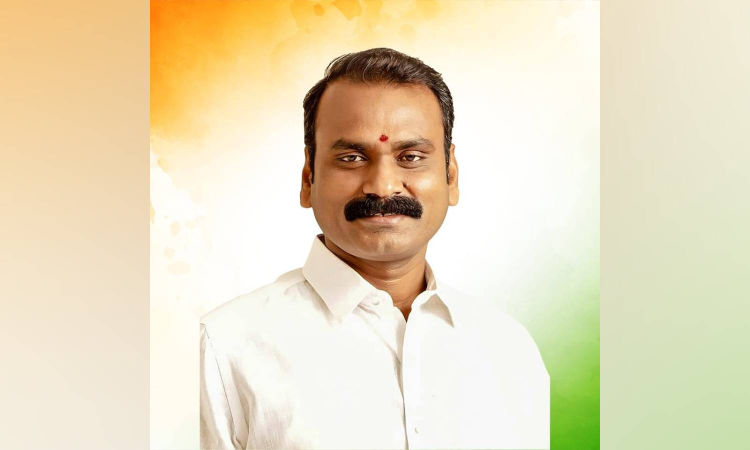
Murugan’s remarks also carried political undertones, as Tamil Nadu heads towards Assembly elections next year. He suggested that public anger over issues related to faith and constitutional rights could influence the political future of the ruling party.
The minister reiterated that the right to worship is not a favour given by any government but a guaranteed right under the Constitution. He emphasised that denying this right sets a dangerous precedent and weakens democratic values.
He also stressed that traditions like the Karthigai Deepam have deep cultural and spiritual significance and should be respected regardless of political differences. Also Read: DMK ‘disrespecting’ Constitution Ambedkar on devotees’ right to worship Union min Murugan
Conclusion
DMK ‘disrespecting’ Constitution, Ambedkar on devotees’ right to worship: Union minister Murugan highlights a growing political and constitutional debate in Tamil Nadu. As tensions rise over religious rights and court orders, the issue has moved beyond ritual practice to questions about governance, faith, and constitutional responsibility.
