
Elector-Population Ratio Emerges as Key Issue in TN SIR Exercise Amid Large-Scale Voter Deletion, Highlighting 1 Serious Concern
Elector-population ratio emerges as key issue in TN SIR exercise amid large-scale voter deletion, as concerns grow over the way electoral rolls were revised during the recent Special Intensive Revision (SIR) in Tamil Nadu. While the Election Commission of India (ECI) has maintained that the exercise was necessary to remove inflated and outdated voter entries, emerging data suggests that the revision may have excluded a significant number of eligible voters, especially in urban areas.
The ECI has repeatedly cited rapid urbanisation and migration over the last two decades as reasons for cleaning up electoral rolls. There is broad agreement on the need for updating voter lists. However, what has drawn attention is the absence of strong “health checks” before the publication of the draft SIR rolls. These checks are clearly outlined in the ECI’s own Manual on Electoral Rolls.
One of the most important indicators mentioned in the manual is the elector-population ratio (EPR). This ratio compares the number of registered voters with the estimated population aged 18 and above. A healthy electoral roll is expected to closely match population estimates. Any sharp deviation usually signals errors such as excessive deletions or omissions.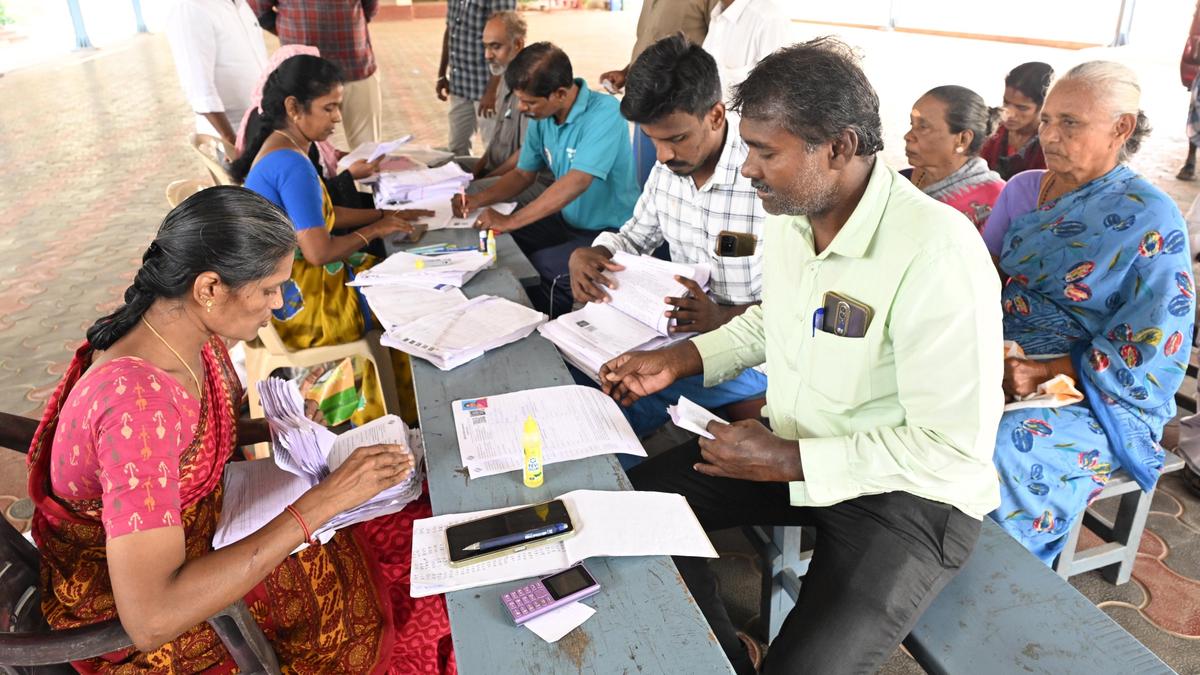
Elector-Population Ratio Emerges as Key Issue in TN SIR Exercise Amid Large-Scale Voter Deletion in Tamil Nadu’s Urban Areas
The ECI manual mandates that EPR checks be conducted at both district and state levels using standard reporting formats. These formats are meant to help election officials identify unusual patterns before finalising electoral rolls. Even in the absence of fresh Census data, the commission’s guidelines instruct officials to rely on population estimates to ensure accuracy.
However, officials familiar with the SIR process in Tamil Nadu have indicated that such checks were not properly carried out before the draft rolls were released. An analysis of available data shows worrying gaps between expected voter numbers and the revised rolls.
At the state level, the elector-population ratio is estimated to be around 90%, suggesting that nearly one in ten eligible voters may be missing from the rolls. The situation appears far more serious in urban centres. In Chennai, the EPR is estimated at under 65%, indicating that nearly one-third of eligible voters could have been left out.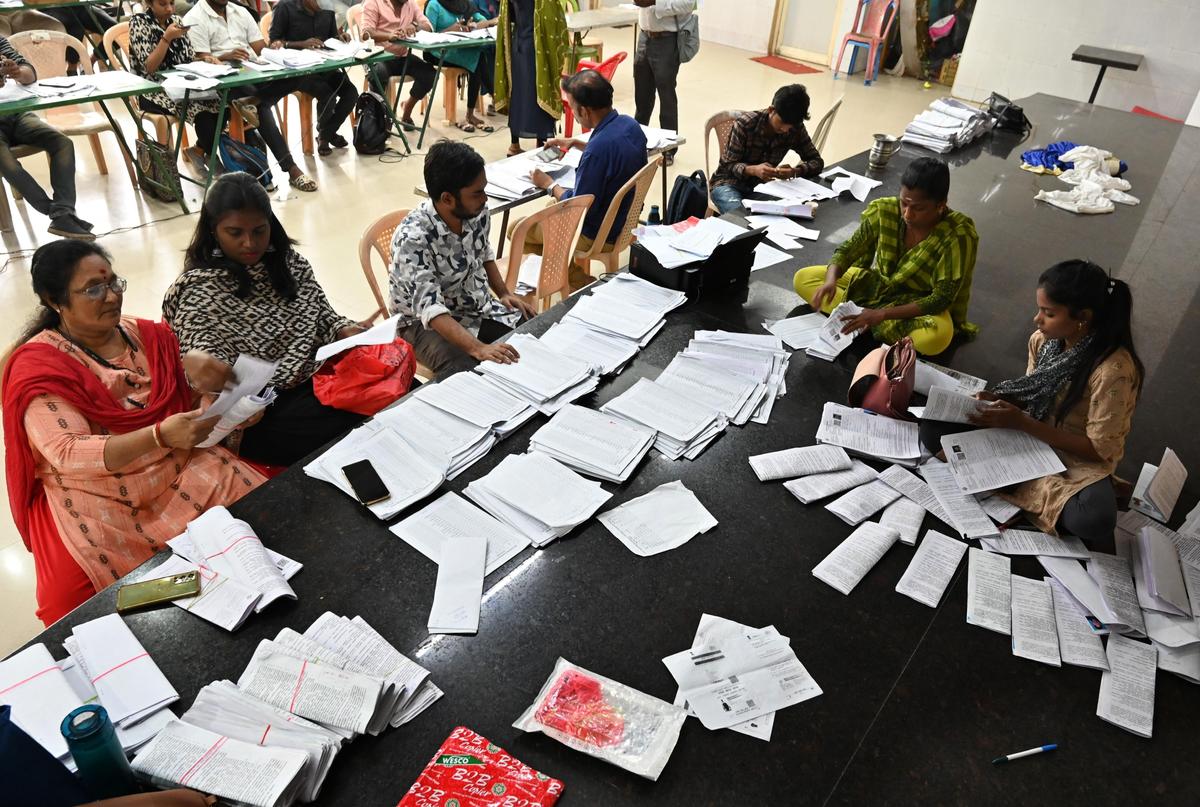
This pattern has raised serious questions because it does not align with known migration trends. Experts point out that Tamil Nadu has seen strong movement from rural areas to nearby towns and cities due to better non-farm employment opportunities. Logically, this should result in more deletions in rural areas than in urban ones. The data, however, shows the opposite.
Elector-Population Ratio Emerges as Key Issue in TN SIR Exercise Amid Large-Scale Voter Deletion and Roll Revision Concerns
Experts and policymakers have also questioned the feasibility of conducting such a large and sensitive exercise within a short timeframe. Booth Level Officers (BLOs), who are mostly part-time staff, were tasked with verifying vast numbers of voter records. Many of them reportedly worked under heavy pressure to meet deadlines.
According to observers, as timelines tightened, some BLOs may have marked voters as “shifted” in bulk, without adequate verification. This has added to fears that genuine voters were removed simply to meet targets. Critics argue that such an approach undermines the credibility of the electoral process.
Political leaders monitoring the revision exercise have echoed similar concerns. They argue that a task of this scale requires proper training, sufficient time, and robust data comparison. Relying on incomplete checks, they say, amounts to operating without a clear picture of ground realities.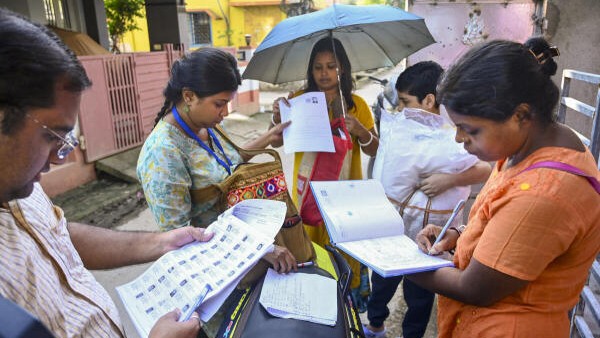
Several experts believe the SIR exercise should have been aligned with the upcoming Census. Combining efforts could have ensured better population mapping and reduced errors. Without such coordination, the risk of large-scale exclusion becomes much higher.
The Election Commission has consistently stressed the importance of neutrality and fairness in electoral processes. However, critics argue that accuracy and competence are equally important. When health checks like the elector-population ratio are ignored or underused, the integrity of the rolls comes into question. Also Read: 97 Lakh Names Deleted From Tamil Nadu Voter List After SIR Phase 1
Conclusion
As elector-population ratio emerges as key issue in TN SIR exercise amid large-scale voter deletion, the focus has shifted from the need for clean rolls to the method used to achieve them. With urban areas showing sharp voter gaps that defy known migration patterns, calls are growing for a review and correction process. Ensuring that no eligible voter is left out remains the central challenge ahead.
