
The re-emergence of senior police officer and Director General of Police K. Ramachandra Rao in a fresh controversy scandal has sent shockwaves through administrative corridors and the wider public sphere. A video clip, allegedly showing Rao engaging in inappropriate behaviour, surfaced on social media platforms late this week, triggering outrage, disbelief, and renewed scrutiny of accountability within the higher echelons of the police force. The controversy is particularly striking given Rao’s previous brushes with allegations, making this incident not just a singular lapse but a reopening of unresolved questions about conduct, power, and institutional response.
The video, reportedly recorded in a private setting but circulated widely in the public domain, has raised serious ethical concerns. Though the authenticity of the clip is yet to be officially verified, the content has already caused reputational damage and sparked intense debate. Civil society groups, opposition leaders, and former police officials have demanded a transparent probe, arguing that the credibility of the police force itself is at stake. As the state government maintains cautious silence, the incident has reignited conversations about moral responsibility, misuse of authority, and the fragile trust between law enforcement and citizens.
K. Ramachandra Rao, a senior Indian Police Service officer with decades of experience, has held some of the most influential positions in the state’s policing hierarchy. Known for his sharp administrative acumen and controversial style of functioning, Rao’s career has been punctuated by both commendations and criticism. For many observers, the resurfacing of controversy is not entirely unexpected, but the nature of the allegations has intensified the fallout. The video has transformed what might have been internal disciplinary matter into a public reckoning, amplified by digital platforms and collective outrage.
The immediate aftermath saw a flood of reactions across political and social spaces. While supporters cautioned against trial by media, critics argued that public officials must be held to the highest standards of conduct, both in professional and personal spaces. The debate has also highlighted the blurred boundaries between private behaviour and public accountability, especially for individuals occupying positions of immense power. As calls for action grow louder, the episode threatens to erode public confidence not only in one officer, but in the system that enabled his rise and continued influence.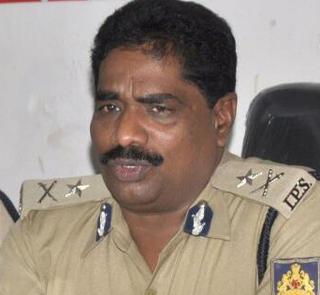
A Troubled Past Returns to the Fore
This is not the first time K. Ramachandra Rao’s name has been associated with controversy. In earlier phases of his career, he faced allegations ranging from administrative high-handedness to questionable decision-making. Though he emerged unscathed from several inquiries, critics have long alleged that institutional protection and political patronage played a role in shielding him from lasting consequences. The resurfacing of a new scandal has therefore been viewed by many as part of a pattern rather than an isolated incident.
Former colleagues recall Rao as an officer who wielded authority decisively, sometimes crossing lines that others hesitated to approach. While some praised his efficiency and fearlessness, others described an environment of intimidation under his leadership. These conflicting perceptions have now gained renewed relevance as the public revisits his past conduct in light of the present allegations. The video, regardless of its final legal standing, has acted as a catalyst for reopening old files, both literal and metaphorical.
The timing of the controversy is also significant. Coming at a moment when policing institutions across the country are under pressure to reform and modernise, the incident undermines ongoing efforts to project transparency and professionalism. Senior officers are often seen as symbols of discipline and moral authority, and any deviation from that image carries consequences far beyond the individual. For younger officers and recruits, such episodes can be deeply disillusioning, raising doubts about the values upheld within the force.
Political reactions have followed predictable lines. Opposition parties have seized upon the controversy to attack the ruling establishment, accusing it of double standards and selective accountability. They argue that swift action is taken against lower-ranking personnel, while senior officials enjoy prolonged impunity. The government, meanwhile, has adopted a wait-and-watch approach, emphasising the need for verification before any punitive measures. This cautious stance has been criticised as evasive, further fuelling public anger.
Legal experts note that the case presents complex challenges. While the circulation of the video has created a presumption of misconduct in the public mind, any formal action must be grounded in due process. Questions about consent, context, and authenticity will play a crucial role in determining the course of inquiry. However, experts also point out that ethical standards for public officials extend beyond criminal liability, encompassing conduct unbecoming of office.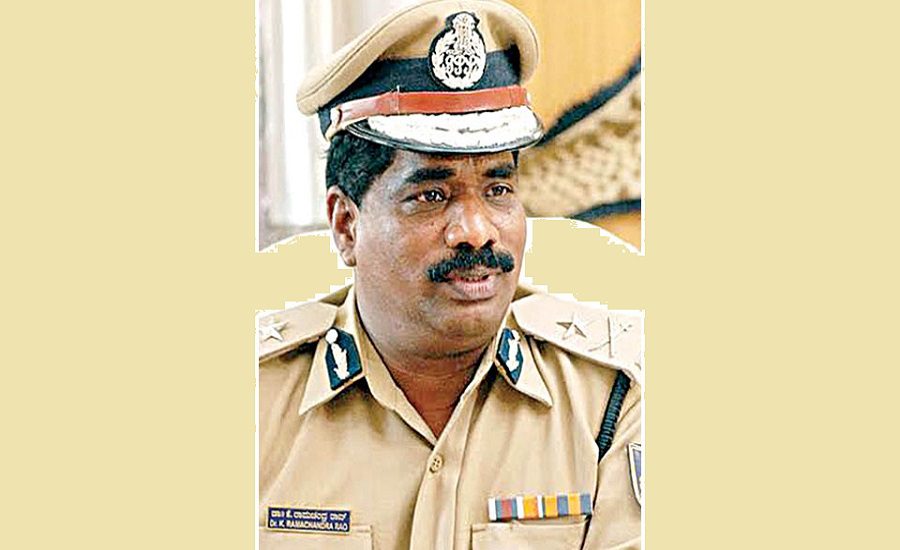
Public Trust, Digital Outrage, and the Road Ahead
The rapid spread of the video underscores the transformative role of digital media in shaping public discourse. Within hours of its appearance, clips and screenshots flooded social networks, accompanied by commentary ranging from anger to sarcasm. For many citizens, the video became symbolic of a deeper malaise, reflecting perceived arrogance and entitlement among powerful officials. The immediacy of digital outrage has left authorities struggling to control the narrative or contain the damage.
Women’s rights organisations were among the first to demand accountability, stressing that inappropriate behaviour by senior officials sends a dangerous message. They argue that such incidents discourage victims of harassment from coming forward, especially when the accused occupies a position of authority. The controversy has thus transcended individual conduct, touching upon broader issues of gender sensitivity, workplace safety, and power imbalance.
Within police circles, the mood is reportedly one of unease and embarrassment. Many serving officers privately acknowledge that the incident has tarnished the image of the force, undoing years of effort to build community trust. Retired officers have called for introspection, urging the leadership to prioritise ethical training and strict enforcement of conduct rules. Some have even suggested that the current framework for monitoring senior officials is inadequate, allowing misconduct to go unchecked.
The state government now faces a delicate balancing act. On one hand, there is immense public pressure to act decisively, possibly by ordering a suspension or inquiry. On the other, premature action without verification could invite legal challenges and claims of witch-hunting. The outcome of this dilemma will set an important precedent, signalling whether accountability applies uniformly across ranks or remains selective.
As the controversy unfolds, the personal toll on those involved cannot be ignored. Rao himself has remained out of public view since the video surfaced, with no official statement issued in his name. His silence has been interpreted in multiple ways, from legal caution to tacit admission. Meanwhile, his family and associates are reportedly facing intense scrutiny, illustrating how public scandals extend far beyond the individual at their centre.
Ultimately, the episode raises uncomfortable questions about governance, power, and morality. Can institutions effectively police themselves, or is external oversight essential? How should society balance the right to privacy with the demand for accountability from public officials? And most importantly, what measures are needed to restore trust once it has been shaken so profoundly?
As investigations are anticipated and reactions continue to pour in, the controversy surrounding DGP K. Ramachandra Rao stands as a stark reminder of the responsibilities that accompany authority. Whether this moment leads to meaningful reform or fades into another unresolved scandal will depend on the actions taken in the days ahead. For now, the incident has left a deep emotional imprint, marked by anger, disappointment, and a lingering hope that accountability will prevail over silence.
The unfolding controversy has also intensified scrutiny of internal complaint mechanisms within the police department. Activists argue that if senior officers are perceived as immune to consequences, it discourages reporting of misconduct at all levels. Several former officials have pointed out that disciplinary systems tend to function hierarchically, often protecting those at the top. This incident has therefore reopened debates on whether independent oversight bodies with real authority are necessary to ensure impartial investigations and prevent conflicts of interest when allegations involve high-ranking officers.
Public discourse has further expanded to include the psychological impact of such scandals on citizens’ perception of safety and justice. Trust in law enforcement is built not only on crime control but also on moral credibility. When a senior-most officer faces allegations of inappropriate behaviour, it creates cognitive dissonance for the public, particularly for victims of abuse seeking protection from the same institution. Sociologists note that repeated exposure to such controversies can normalise cynicism, weakening democratic accountability in the long run.
Within political circles, the issue has begun influencing broader governance narratives. Lawmakers across party lines have been compelled to comment, some cautiously advocating restraint, others openly demanding resignation. This divergence reflects the tension between institutional loyalty and public sentiment. Analysts observe that how the government handles this episode could shape its credibility on issues of transparency and ethical governance, especially ahead of future administrative or electoral milestones.
Media organisations, too, have faced ethical dilemmas in covering the story. While the public’s right to know remains paramount, editors have had to weigh concerns of sensationalism against responsible reporting. The widespread circulation of the video has raised questions about consent, privacy, and journalistic boundaries. Media critics argue that while exposure can catalyse accountability, it must not come at the cost of due process or human dignity, even for those accused of misconduct.
As the state waits for official clarity, the controversy continues to resonate as more than a fleeting scandal. It has become a mirror reflecting systemic weaknesses, societal expectations, and the fragile nature of institutional trust. Whether this moment leads to corrective reform or reinforces public disillusionment will depend on transparency, fairness, and the willingness to confront uncomfortable truths. For many observers, the hope remains that accountability will emerge not as an exception, but as a norm.
Follow: Karnataka Government
Also read: Home | Channel 6 Network – Latest News, Breaking Updates: Politics, Business, Tech & More
