
Displaced Residents Raise Voices Over Airport Expansion
In a dramatic demonstration of public dissent, families displaced by the proposed airport expansion in Karnataka staged a protest, demanding alternative relocation sites and fair compensation. Residents claim that prior resettlement plans are inadequate and fail to consider the social, economic, and cultural impacts of moving entire communities. The protest, held near the expansion site, drew attention from media, local authorities, and activists, highlighting the tension between large-scale infrastructure projects and the rights of affected citizens. Many protesters held placards demanding justice, transparency, and immediate dialogue with government representatives.
Residents argue that previous relocation proposals overlook access to livelihoods, educational institutions, and healthcare facilities. Farmers, in particular, fear the loss of fertile land and disruption to agricultural activities that sustain their families. Several families have lived in the affected area for generations, and the proposed displacement threatens community cohesion and cultural heritage. Activists supporting the protest emphasise that urban infrastructure development must balance growth with social equity. They urge authorities to consider inclusive solutions, such as alternative sites that maintain proximity to existing amenities and employment opportunities.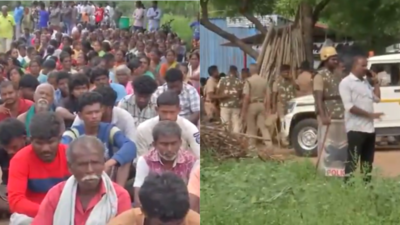
Government Response and Negotiations
The protest by displaced families has highlighted long-standing grievances regarding land acquisition policies in Karnataka. Residents argue that previous compensation schemes have been inadequate and fail to reflect rising property values and the cost of rebuilding livelihoods. Several families expressed concerns that resettlement plans focus solely on housing, ignoring access to essential services such as electricity, water supply, and public transport. Activists stress that urban infrastructure projects like airport expansion must adopt a holistic approach, integrating social, economic, and environmental considerations to prevent community displacement from resulting in long-term hardship and marginalisation.
Urban planners point out that the choice of alternative sites is critical to ensure continuity of employment for displaced residents. Many families rely on local markets, agricultural land, and small businesses for income, which could be disrupted if relocated far from their current neighbourhoods. Advocates recommend selecting sites within a reasonable distance from existing infrastructure and marketplaces to minimise economic loss. Phased relocation and temporary housing support can mitigate disruption while providing time for families to adapt. Proper planning and consultation with affected residents can reduce resistance to relocation and facilitate smoother execution of large-scale urban development projects.
Civil society organisations have criticised the lack of adequate public consultation before announcing relocation plans. Many affected families claim that they were not informed in advance or given an opportunity to voice concerns. Activists argue that participatory planning is essential for building trust between residents and authorities. Public hearings, focus groups, and inclusion of community representatives in site selection committees can ensure that relocation plans address real-world needs. Without transparency, communities may feel coerced into resettlement, exacerbating resentment and creating social tension that could hinder project implementation.
The airport expansion project, while crucial for regional economic growth, has become a flashpoint for debates over developmental priorities. Government officials emphasise that increased passenger traffic and cargo handling require expanded infrastructure to maintain competitiveness and connectivity. However, residents argue that development should not come at the cost of human displacement. Experts note that balancing economic progress with social justice is a challenge for urban authorities worldwide, and Karnataka’s handling of this situation may set a benchmark for future infrastructure projects involving large-scale land acquisition.
Families involved in the protest have shared stories of multi-generational residence, highlighting emotional attachment to their homes and neighbourhoods. Elders stress that relocation threatens cultural traditions, communal bonds, and social networks built over decades. Children’s schooling and local friendships are also at stake, making the process of displacement highly disruptive. Activists argue that relocation plans must include provisions for continuity in education, healthcare, and community cohesion. Failure to do so risks not only social unrest but also long-term psychological and economic consequences for affected families.
Legal experts note that land acquisition in India is governed by strict regulations under the Right to Fair Compensation and Transparency in Land Acquisition Act. This framework mandates proper valuation, rehabilitation, and consent of affected families. However, discrepancies between legal provisions and on-ground implementation often lead to disputes. Authorities handling the airport expansion must ensure compliance with statutory requirements to avoid litigation. Observers believe that prompt, transparent resolution of grievances can prevent prolonged legal battles and ensure that the project progresses without unnecessary delays while safeguarding the rights of displaced communities.
Environmental considerations also intersect with the relocation debate. Some proposed alternative sites for resettlement are near ecologically sensitive zones, raising concerns about sustainable land use. Urban planners advocate for comprehensive environmental assessments to ensure that relocation does not create new challenges, such as deforestation, water scarcity, or soil erosion. Integrating ecological concerns into resettlement planning ensures that development projects maintain long-term sustainability. Experts argue that proper site selection, coupled with infrastructure support, can make resettlement viable without compromising environmental integrity, while simultaneously ensuring residents’ livelihoods are protected.
Political leaders have stepped into the controversy, urging government authorities to engage in meaningful dialogue with displaced families. Representatives have visited protest sites, promising to advocate for fair compensation, alternative housing, and improved civic amenities. Analysts believe that political intervention can expedite negotiations but caution that long-term solutions must be institutionalised rather than rely solely on temporary interventions. The government’s response in balancing the demands of economic growth with citizen welfare is being closely monitored, as the outcome could influence broader policy approaches to urban infrastructure projects in Karnataka.
Media coverage of the protest has amplified the concerns of displaced families, drawing national attention to the challenges posed by airport expansion. News reports emphasise the human cost of development and highlight stories of families struggling to reconcile resettlement with livelihoods and cultural continuity. Analysts note that widespread media attention increases public accountability, encouraging authorities to adopt more transparent, participatory, and humane approaches. At the same time, media scrutiny adds pressure to ensure that relocation plans are implemented ethically, efficiently, and with full respect for the rights of affected communities.
Finally, experts stress that the resolution of the dispute will serve as a benchmark for future infrastructure projects. Successful negotiations, fair compensation, and transparent relocation procedures can demonstrate that development and citizen welfare are not mutually exclusive. Conversely, mishandling the situation could lead to prolonged protests, legal challenges, and social unrest. As the dialogue between authorities and displaced families continues, the airport expansion project remains at a crossroads, illustrating the broader challenges of balancing urban growth, infrastructure development, and the protection of vulnerable communities in Karnataka.
Authorities have acknowledged the protest and promised engagement with displaced families to address their concerns. Officials have indicated plans to assess potential relocation sites more comprehensively, factoring in access to schools, hospitals, and employment opportunities. Compensation packages, infrastructure support at new sites, and community resettlement programs are reportedly under review. While the government asserts that the airport expansion is crucial for regional economic development and improved connectivity, officials are aware that unresolved displacement issues can cause long-term social unrest.
Local leaders and activists have called for transparent processes in site selection and compensation calculation. They argue that affected families must be included in decision-making to ensure fairness and prevent arbitrary relocation. Civil society organisations have highlighted previous instances where rapid infrastructure projects led to incomplete rehabilitation, resulting in protests, litigation, and prolonged hardship. Experts stress that urban development policies should integrate displacement mitigation strategies at the planning stage, ensuring projects like airport expansions do not undermine the welfare of local communities.
The protest has also drawn attention to broader questions of governance and accountability. Citizens question whether authorities have conducted adequate environmental and social impact assessments before moving forward with expansion. Activists stress that public hearings, community consultations, and independent monitoring mechanisms are essential for maintaining trust. Failure to address grievances effectively could escalate tensions, disrupt project timelines, and invite judicial intervention. Observers note that balancing large-scale infrastructure needs with citizens’ rights is a recurring challenge in rapidly urbanising regions.
Affected families emphasise that relocation without proper planning could disrupt children’s education and access to healthcare. Many households rely on informal jobs or local commerce, which could be lost if resettlement sites are far removed from their current locations. Activists have proposed phased relocation, ensuring that residents maintain livelihoods during the transition. They also advocate for skill development programs and temporary financial assistance to mitigate the economic impact of displacement. These measures, they argue, are crucial for sustainable resettlement and maintaining social stability amid urban expansion projects.
The airport authority has responded by stating that dialogue with displaced communities is ongoing, and multiple site options are being considered. Officials insist that the project will adhere to legal frameworks governing land acquisition and rehabilitation. They also emphasise that infrastructure development is necessary to accommodate increasing passenger traffic and promote regional growth. Analysts note that the resolution of such disputes is often pivotal to the success of large-scale projects, as social unrest can lead to construction delays, cost overruns, and reputational damage for implementing authorities.
Community leaders have urged for a participatory approach to relocation planning, where residents actively evaluate potential sites. They emphasise that resettlement must not simply involve physical relocation but also the restoration of social networks, access to markets, and continuation of cultural practices. Activists highlight the importance of creating new settlements that are livable, accessible, and inclusive, rather than temporary or inadequate housing arrangements. The protest has thus drawn attention to the need for holistic planning in urban infrastructure projects.
The incident has also sparked political engagement, with representatives from local and regional parties visiting the site to mediate between authorities and residents. Some politicians have promised to raise the issue in legislative forums, stressing that citizen welfare should not be compromised for developmental projects. Political analysts suggest that how the government handles this protest could influence public perception and electoral outcomes in the area. Maintaining a balance between economic growth and social justice remains a pressing challenge.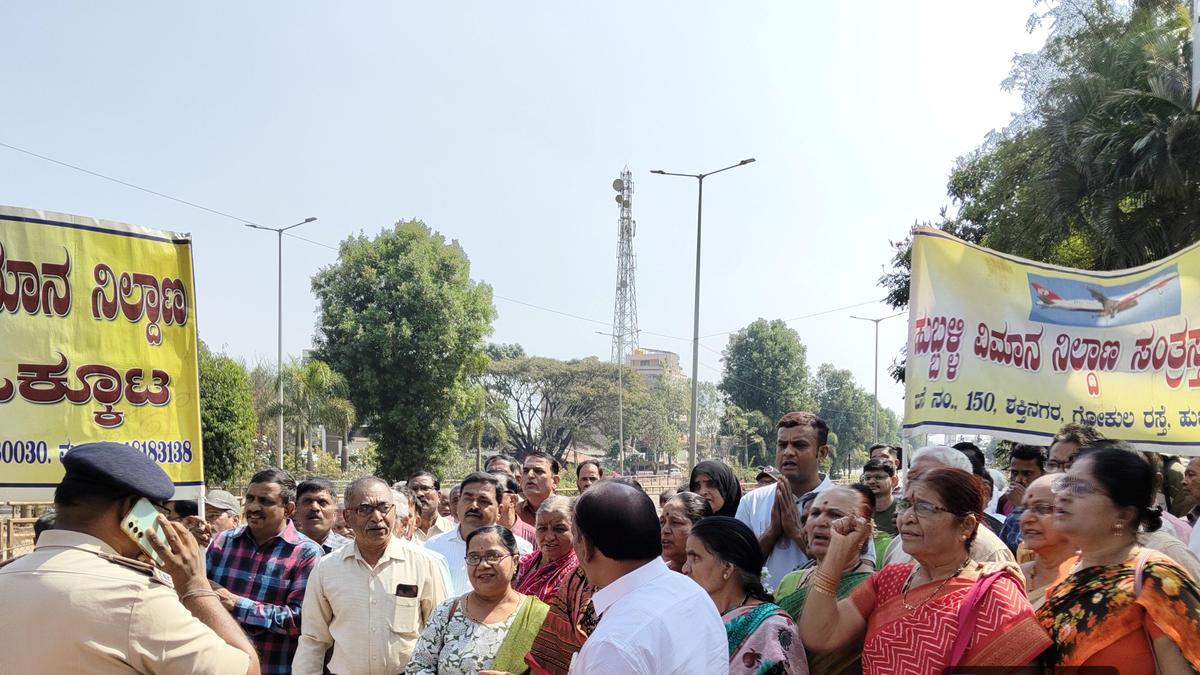
Experts in urban development stress the importance of long-term planning in airport expansions. They note that displaced communities should be treated as stakeholders rather than obstacles. Proper planning, inclusive engagement, and timely grievance redressal can prevent protests, legal battles, and project delays. The airport expansion, while critical for regional connectivity, must incorporate these principles to avoid setting precedents that undermine social accountability in future projects.
Finally, families involved in the protest have vowed to continue peaceful demonstrations until their demands for alternative relocation sites and fair compensation are addressed. Authorities have assured citizens that all concerns will be evaluated, and a final decision will be made in consultation with residents. The unfolding situation highlights the delicate balance between urban development, infrastructure expansion, and the fundamental rights of communities, serving as a reminder that sustainable progress must prioritize people alongside economic growth.
Follow: Karnataka Government
Also read: Home | Channel 6 Network – Latest News, Breaking Updates: Politics, Business, Tech & More
