
Farmers’ groups in Karnataka have urged the Union Government to formally recommend that the World Health Organization reconsider and revise the classification of arecanut from “carcinogenic” to “possibly carcinogenic to humans,” arguing that the existing categorization has deeply affected livelihoods, market perception, and the socio-economic fabric of arecanut-growing regions. The appeal emerged from a series of meetings held by growers’ associations, agricultural leaders, and trade representatives who contend that the current label has led to declining demand, price fluctuations, and growing anxiety among cultivators dependent on the crop for income. They have called for a science-based review that distinguishes between raw agricultural produce and processed consumption patterns.
Trade bodies associated with arecanut marketing have added that fluctuations in perception often translate directly into volatility in wholesale markets. Commission agents and exporters report that even unverified discussions about health classifications can trigger cautious buying behavior, leading to stock accumulation and delayed transactions. Such disruptions affect not only farmers but also workers involved in grading, packaging, and transportation. Market representatives argue that stable policy messaging and evidence-based clarification can reduce speculation-driven price swings. They emphasize that predictable demand patterns are essential for maintaining the viability of long supply chains linked to the crop.
Researchers in agricultural economics suggest that comprehensive impact assessments could help policymakers understand the full consequences of classification-related debates. These assessments would examine income levels, employment, and regional economic dependence on arecanut cultivation. By quantifying socio-economic linkages, authorities can better design support mechanisms if needed. Experts recommend that any future policy position presented at international forums should be supported by both scientific data and socio-economic analysis. Such integrated documentation, they say, strengthens the case for nuanced consideration without undermining public health objectives.
Educational institutions in arecanut-growing districts have also shown interest in contributing to the discussion. Universities and research centers may collaborate on studies exploring crop chemistry, processing variations, and patterns of use. Farmer groups believe that region-specific research can provide clarity often missing in global generalizations. They have called for funding and institutional backing to ensure that such studies meet international standards. Strengthening local research capacity, they argue, not only informs current debates but also prepares the sector to address future scientific or regulatory questions.
Communication specialists point out that public understanding of health classifications is frequently shaped by brief headlines rather than detailed explanations. They recommend that authorities develop clear outreach material explaining what scientific terms mean and how they are applied. Distinguishing between agricultural commodities and specific consumption behaviors can prevent misinterpretation. Transparent and consistent messaging, they say, protects both consumer awareness and farmer interests. Farmer organizations have expressed willingness to participate in awareness campaigns that present balanced information grounded in research.
As discussions continue, stakeholders across sectors emphasize dialogue rather than confrontation. The issue has drawn attention to the complex relationship between science, trade, and rural livelihoods. Observers note that the outcome will likely depend on sustained engagement between farmer bodies, government agencies, researchers, and international institutions. A collaborative path, they suggest, offers the best chance of addressing concerns while respecting global health frameworks. For farmers, the appeal represents hope that their voices and economic realities will be considered alongside scientific evidence in shaping future policy directions.
Arecanut cultivation forms a major component of the rural economy in several districts of Karnataka, including coastal and Malnad regions, where climatic conditions support its growth. Farmers say the crop supports thousands of families directly and indirectly through farming, trade, transport, and processing activities. According to growers, negative perceptions linked to health classifications have reduced confidence in both domestic and international markets. They argue that the issue is not merely agricultural but socio-economic, affecting employment, education, and financial stability in entire communities that have relied on arecanut cultivation for generations.
Representatives of farmer bodies stated that the classification often fails to clearly communicate the context in which health risks are studied. They claim that most scientific assessments focus on processed or combined consumption forms, while raw arecanut as an agricultural commodity is being indirectly stigmatized. Farmers believe that such generalization leads to misunderstanding among consumers and policymakers. They have urged authorities to commission detailed, updated research examining different forms of use, consumption levels, and regional practices. A clearer distinction, they say, could prevent blanket assumptions that harm agricultural producers.
Market impacts were highlighted as a major concern. Traders report that fluctuations in prices have increased over the years, with rumors and public health debates influencing demand patterns. Export prospects have also been affected in some regions where regulatory discussions mirror global health positions. Farmers’ organizations argue that the uncertainty makes long-term planning difficult. They emphasize that agriculture already faces challenges such as climate variability, rising input costs, and labor shortages. Adding reputational concerns about the crop further destabilizes the sector, they say, and discourages younger generations from continuing farming traditions.
The appeal to the Union Government centers on diplomatic engagement with international health bodies. Farmers are not seeking to deny health research, leaders clarified, but to ensure that classifications reflect nuanced understanding and updated evidence. They want the government to present data, sponsor scientific reviews, and advocate for clearer terminology that separates agricultural production from specific consumption practices. According to them, such an approach would protect public health discourse while preventing unintended economic consequences for cultivators.
State-level agricultural representatives have echoed these concerns, noting that policy communication must balance health awareness with farmer welfare. Officials acknowledge that arecanut plays a vital role in the state’s horticultural economy. They suggest that consultations between agricultural scientists, medical researchers, and policymakers could help create a more comprehensive understanding. The goal, they say, is not confrontation but constructive dialogue that protects both public health priorities and rural livelihoods.
FARMERS’ ECONOMIC AND SOCIAL CONCERNS
Farmers stress that arecanut cultivation involves long-term investment. Trees take several years to mature, and once plantations are established, shifting to alternative crops is not simple. Land preparation, irrigation systems, and labor arrangements are all structured around perennial cultivation. When market demand weakens due to perception issues, growers cannot quickly adapt. They argue that this structural rigidity makes the sector especially vulnerable to policy or classification changes that influence consumer behavior.
Rural credit systems are also tied to crop stability. Many farmers take loans based on expected yields and market prices. When uncertainty affects pricing, repayment becomes difficult, increasing financial stress. Farmer leaders warn that sustained negative sentiment could lead to indebtedness and migration away from agriculture. Such outcomes, they say, would have ripple effects on rural economies, affecting local businesses and service providers who depend on farm incomes.
Social dimensions further complicate the issue. Arecanut cultivation is deeply linked to cultural practices and local traditions in certain regions. Festivals, trade networks, and community structures have evolved around the crop. Farmers argue that when the crop is publicly associated with health risks without clear contextual explanation, it creates stigma that extends beyond economics. They seek communication strategies that respect cultural contexts while conveying scientific findings responsibly.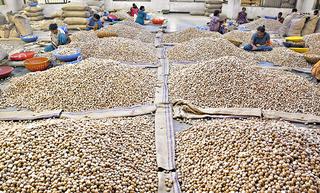
Agricultural experts have suggested exploring diversification as a long-term strategy, but farmers say diversification requires support, training, and assured markets. Sudden shifts without planning could worsen vulnerability. Therefore, they emphasize the need for gradual, research-backed decisions rather than abrupt narratives that affect demand. They request that any future advisories include consultation with agricultural stakeholders to anticipate economic consequences.
Local cooperatives have begun awareness initiatives aimed at clarifying the distinction between cultivation and consumption practices. They promote sustainable farming methods, improved post-harvest handling, and quality control to maintain market confidence. Farmer leaders believe that strengthening product standards and traceability can also help counter generalized perceptions. However, they maintain that international classification terminology remains a powerful influence that requires government-level engagement.
SCIENTIFIC, POLICY, AND GLOBAL DIMENSIONS
Public health researchers note that global health classifications are based on available evidence and aim to guide risk awareness rather than target farmers. They emphasize that such categorizations often consider patterns of use, frequency, and associated factors. Experts suggest that continued research, especially region-specific studies, can contribute to better understanding. Collaborative projects between agricultural universities and medical institutions could generate updated data that informs both health and agricultural policy.
Policy analysts point out that international classifications influence regulatory frameworks, labeling norms, and trade negotiations. Therefore, any effort to seek reconsideration requires careful preparation, scientific documentation, and diplomatic dialogue. The Union Government’s role would involve presenting evidence, facilitating expert consultations, and engaging through appropriate international channels. Analysts say that such processes are complex and take time but are not unprecedented when new evidence emerges.
Legal observers add that domestic policy responses may include improved consumer information, support for farmers, and research funding. Clear labeling and public education can help individuals make informed choices while avoiding misinformation. At the same time, economic support measures such as price stabilization, crop insurance, and diversification incentives can cushion farmers from volatility linked to perception shifts.
The debate has also sparked discussion on the broader challenge of balancing health awareness with agricultural sustainability. Many crops and products around the world face scrutiny over consumption-related health issues. Policymakers often navigate the delicate space between promoting safe practices and protecting producer livelihoods. Experts argue that transparent communication and evidence-based policymaking remain essential to maintaining trust among all stakeholders.
Farmer representatives conclude that their appeal is rooted in the desire for fairness and clarity. They seek a review that acknowledges evolving science and contextual realities. They have urged the Union Government to initiate dialogue at national and international levels while continuing to support research and farmer welfare domestically. The coming months may determine how the issue progresses, as stakeholders from agriculture, health, and policy domains work toward solutions that safeguard both public well-being and rural economic stability.
Follow: Karnataka Government
Also read: Home | Channel 6 Network – Latest News, Breaking Updates: Politics, Business, Tech & More
