
A major fire incident gutted 12 makeshift sheds in Bengaluru’s Parappana Agrahara area, triggering panic among residents but fortunately resulting in no casualties. The blaze, which broke out in the early hours of the day, rapidly spread through the closely packed temporary structures, reducing them to ashes within minutes. Though no loss of life was reported, the incident has once again highlighted the vulnerability of informal settlements in the city and raised questions about safety, preparedness, and long-term rehabilitation measures for marginalised communities living in such conditions.
According to preliminary accounts, residents were alerted to the fire by thick smoke and crackling sounds emanating from one of the sheds. Many occupants were asleep when the fire started, but quick reactions and loud warnings helped ensure that everyone managed to escape in time. Fire and emergency services rushed to the spot after receiving distress calls and worked to contain the blaze, preventing it from spreading to nearby residential areas and commercial establishments.
Parappana Agrahara, located in southeast Bengaluru, is home to several clusters of makeshift sheds occupied by daily wage workers, migrants, and low-income families. These settlements often lack proper electrical wiring, fire safety mechanisms, and access to basic civic amenities, making them particularly susceptible to such accidents. The latest incident has renewed concerns over the living conditions in these areas and the recurring risks faced by residents.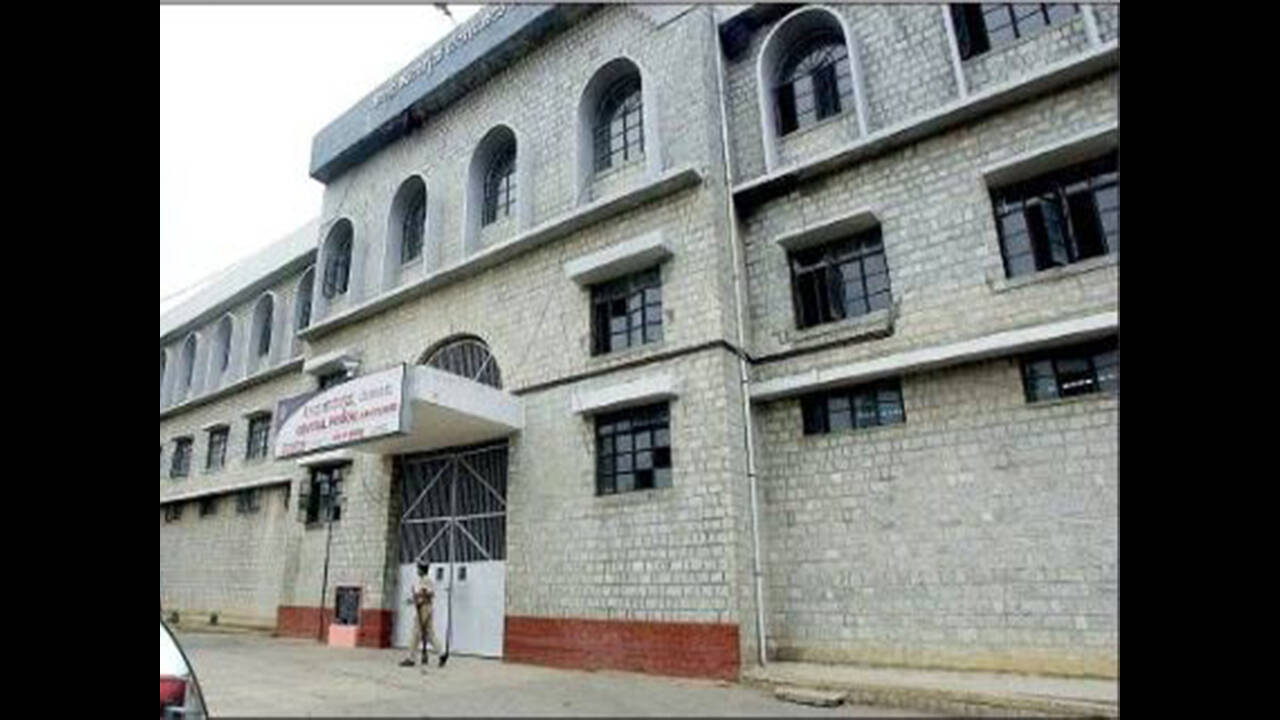
Fire officials said that the sheds, constructed largely of tin sheets, plastic, wood, and tarpaulin, provided ample fuel for the flames. Once the fire took hold, it spread swiftly from one structure to another due to their close proximity. By the time firefighters managed to bring the situation under control, all 12 sheds had been completely destroyed, leaving families without shelter and basic belongings.
Local authorities and civic officials visited the site soon after the fire was extinguished to assess the damage. Temporary relief measures, including food packets and basic essentials, were arranged for the affected families. Officials assured residents that further assistance would be extended after a detailed assessment of losses.
Civic activists have urged the Bengaluru civic body to treat the Parappana Agrahara incident as a warning rather than an isolated mishap. They argue that mapping vulnerable settlements and conducting periodic safety inspections could help authorities identify high-risk zones before disasters occur. Proactive interventions, they say, would cost far less than repeated emergency responses and post-incident relief.
There have also been calls for better coordination between departments handling housing, electricity supply, and urban welfare. Activists point out that informal settlements often fall through administrative cracks, with no single agency taking responsibility for safety upgrades. A coordinated framework, they argue, could ensure safer wiring, regulated power connections, and improved access roads for emergency vehicles.
Women and children, who form a significant portion of residents in such settlements, are among the most affected after fires. Loss of shelter disrupts schooling, healthcare access, and basic hygiene, compounding long-term vulnerabilities. Child rights groups have emphasised the need for special attention to continuity of education and nutrition support in the aftermath of such incidents.
The incident has also renewed debate on rehabilitation timelines. Past fire victims in the city have often waited months for compensation or alternative housing, eroding trust in institutional promises. Experts stress that clearly defined timelines and transparent processes are essential to prevent affected families from slipping deeper into poverty.
As investigations continue and relief efforts progress, the Parappana Agrahara fire is likely to remain a reference point in discussions on urban safety and inclusive development. Whether it leads to structural changes or fades into statistics will depend on how decisively authorities act in the coming weeks, and whether lessons from yet another close call are finally translated into lasting reform.
Firefighting Efforts, Immediate Relief and Official Response
Fire department officials stated that multiple fire tenders were deployed to control the blaze, and the operation continued for over an hour before the fire was fully doused. The narrow access roads and congested layout of the settlement posed challenges for emergency vehicles, slowing down initial response efforts. Despite these obstacles, firefighters managed to prevent the fire from engulfing adjacent structures.
Preliminary investigations suggest that the fire may have been triggered by an electrical short circuit, a common cause in informal settlements where makeshift wiring is often used. However, officials said that the exact cause would be confirmed only after a detailed inquiry. Residents reported frequent power fluctuations in the area and said that many sheds relied on improvised electrical connections to run basic appliances.
Civic authorities acknowledged the difficulties faced by emergency responders in such densely populated localities. Officials noted that unplanned settlements not only pose risks to residents but also complicate rescue and relief operations during emergencies. They emphasised the need for coordinated planning between urban development agencies and welfare departments to address these challenges.
The Bruhat Bengaluru Mahanagara Palike and local ward officials arranged for temporary shelter for those affected, with community halls and nearby facilities being identified for immediate accommodation. Basic necessities such as blankets, drinking water, and cooked food were distributed. Officials also initiated steps to document the losses suffered by each family, which is expected to form the basis for compensation or rehabilitation assistance.
Residents, while relieved that no lives were lost, expressed anguish over the loss of their belongings. Many families lost clothing, documents, utensils, and savings accumulated over years. For daily wage workers, the destruction of tools and materials used for work added to their distress, raising fears about how they would resume livelihoods in the coming days.
Local elected representatives who visited the spot assured residents that the matter would be taken up with higher authorities. They emphasised the need for long-term solutions rather than temporary relief, pointing out that similar incidents have occurred in other parts of the city with alarming regularity. The representatives called for urgent measures to improve safety standards and explore relocation options where feasible.
Social workers and volunteers from nearby areas also stepped in to provide assistance, collecting clothes and essentials for the affected families. Several community organisations highlighted that while immediate relief is crucial, sustained support is necessary to help families recover from such shocks. They urged authorities to ensure that rehabilitation efforts are not delayed by bureaucratic procedures.
Recurring Risks, Urban Inequality and the Question of Rehabilitation
The Parappana Agrahara fire is the latest in a series of incidents involving fires in informal settlements across Bengaluru. Such incidents underscore the broader issue of urban inequality and the precarious living conditions faced by thousands of migrant workers and low-income families who form the backbone of the city’s economy. Despite contributing significantly to construction, sanitation, and service sectors, many of these workers continue to live in unsafe and unregulated environments.
Urban planners note that the proliferation of makeshift settlements is closely linked to the shortage of affordable housing in the city. With rising rents and limited access to formal housing, migrant workers often have little choice but to settle in temporary structures on vacant land. These areas typically lack basic infrastructure, including safe electrical connections, sanitation facilities, and access roads, making them vulnerable to disasters.
Experts argue that frequent fires in such settlements are not merely accidents but symptoms of systemic neglect. They point out that while post-incident relief is often swift, preventive measures receive far less attention. Regular safety audits, community awareness programmes, and provision of basic infrastructure could significantly reduce risks, but these measures require sustained political and administrative commitment.
The incident has also raised questions about disaster preparedness at the local level. While fire services respond promptly, residents often lack knowledge about basic fire safety practices or access to simple safety equipment such as fire extinguishers. Community-based training and early warning systems, experts suggest, could empower residents to respond more effectively during emergencies.
For the affected families in Parappana Agrahara, the immediate concern remains rebuilding their lives. Many have appealed to authorities for assistance in reconstructing their shelters or providing alternative accommodation. However, past experiences have made some residents sceptical, as rehabilitation efforts following similar incidents have often been delayed or limited in scope.
Policy analysts stress that addressing the root causes of such tragedies requires a comprehensive approach. This includes expanding affordable housing projects, ensuring inclusive urban planning, and integrating informal settlements into the city’s development framework. Without such measures, they warn, fires and other disasters will continue to disproportionately affect the most vulnerable sections of society.
As the city grows and attracts more migrant workers, the challenge of providing safe and dignified housing will only intensify. The Parappana Agrahara fire serves as a stark reminder that urban growth must be accompanied by social responsibility and foresight. Ensuring that no lives were lost is a relief, but preventing such incidents in the future will require moving beyond reactive responses to proactive and inclusive solutions.
In the aftermath of the blaze, the resilience of the affected families stands out. Despite losing nearly everything, many residents expressed gratitude for their safety and the support received from neighbours and volunteers. Their resilience, however, should not become a justification for inaction. The incident has once again placed the spotlight on the urgent need for policies that prioritise safety, equity, and dignity for all of Bengaluru’s residents.
Follow: Karnataka Government
Also read: Home | Channel 6 Network – Latest News, Breaking Updates: Politics, Business, Tech & More
