
The Karnataka Forest Department has successfully captured the elephant responsible for the death of a woman in Hassan district, bringing temporary relief to fearful villagers even as larger questions around human–wildlife conflict remain unresolved. The operation followed days of tension in forest-fringe villages, where residents had restricted movement after the fatal encounter. Officials said the elephant was identified, tranquillised, and shifted after a carefully coordinated effort involving veterinarians, trackers, and local forest staff, highlighting both the urgency and complexity of such interventions.
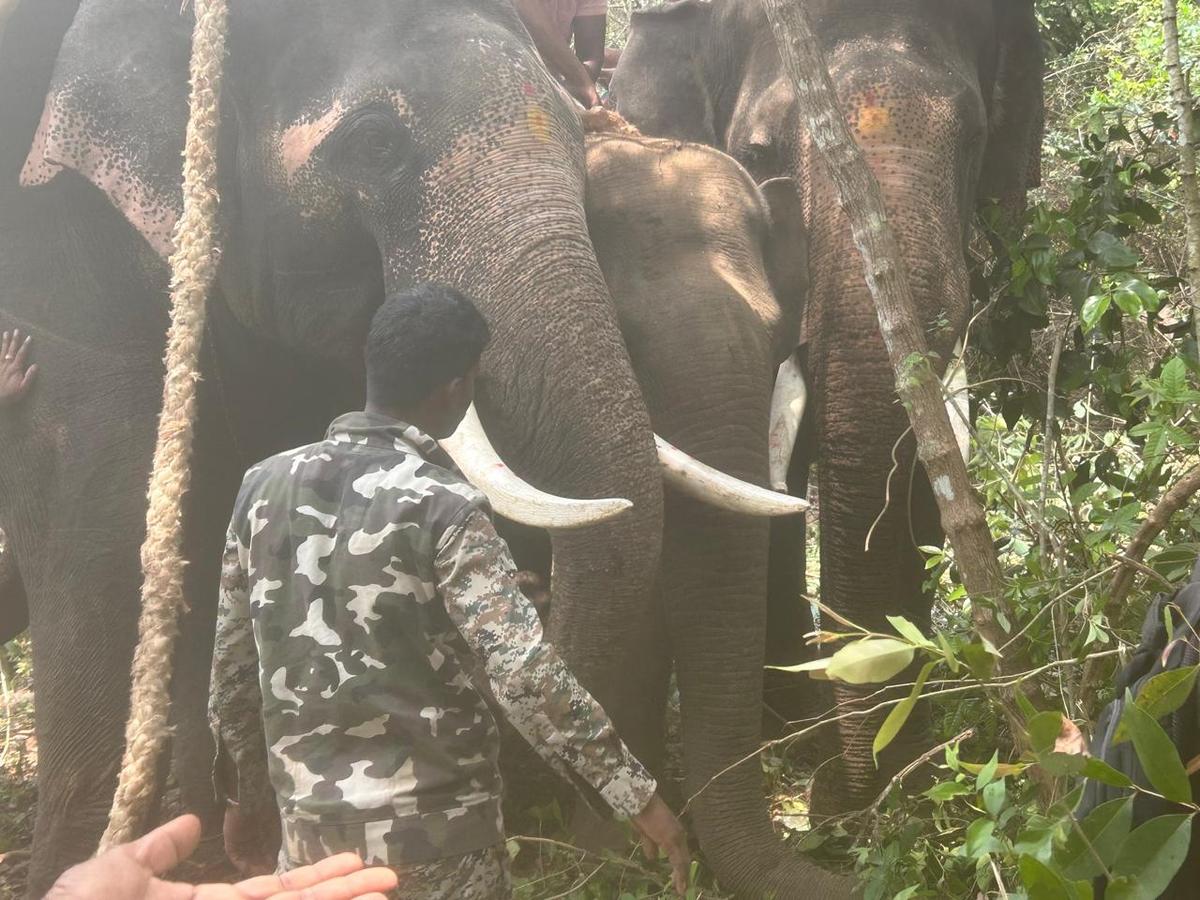
The Forest Department has captured the elephant responsible for the death of a woman in Hassan district, following sustained pressure from local residents. The animal was traced after officials confirmed its repeated movement near human settlements even after the fatal incident. A specialised team, including veterinarians and trained staff, carried out the operation early in the morning to avoid public risk. The elephant was tranquilised and secured using kumki elephants before being shifted to a forest camp. Officials said the operation was conducted with minimal stress to the animal while ensuring public safety.
The incident that triggered the operation occurred when the woman was attacked near her village while carrying out routine work. Her death sent shockwaves through the local community, reviving long-standing anxieties about elephant movement in the region. Villagers reported frequent sightings of the animal in recent weeks, particularly during early morning and late evening hours. Despite prior alerts to authorities, the fatal encounter exposed the thin line between coexistence and catastrophe in forest-border areas.
Forest officials said the elephant was part of a herd that had strayed into human habitation zones in search of food and water. After the attack, teams tracked the animal’s movement using footprints, dung trails, and eyewitness accounts. The operation to capture the elephant was launched after confirming that the same animal continued to linger near settlements, posing an immediate threat to human life. Authorities stressed that the decision to capture was taken as a last resort, prioritising public safety.
The capture operation involved tranquilising the elephant and restraining it with the help of trained kumki elephants. Veterinarians monitored the animal’s health throughout the process to prevent injury or stress-related complications. Once secured, the elephant was shifted to a forest camp for observation. Officials said further decisions on its relocation would be taken based on behavioural assessment and expert recommendations.
FEAR, GRIEF, AND A FRAGILE SENSE OF SAFETY
For villagers in Hassan’s forest-fringe areas, the capture has brought a sense of immediate relief, but not closure. The woman’s death has left a deep emotional scar, particularly among families who depend on forest-adjacent land for their livelihoods. Many residents say fear had gripped the villages since the incident, with people avoiding fields, delaying farm work, and escorting children to school in groups. The presence of the elephant had disrupted daily life long before the fatal attack.
Local residents argue that warnings about increased elephant movement were ignored or addressed too slowly. They point out that crop damage, broken fences, and repeated sightings should have prompted stronger preventive measures. While acknowledging the Forest Department’s swift action after the death, villagers insist that reactive responses come at too high a cost. For them, the tragedy underscores the need for prevention rather than post-incident control.
The Forest Department, however, maintains that managing elephant movement is increasingly difficult due to shrinking habitats and changing land use patterns. Officials note that elephants in the region often follow traditional migratory routes that now pass through farms, roads, and settlements. Blocking these corridors or responding only after conflicts arise creates a cycle of tension that is hard to break. The Hassan incident, they say, is part of a wider pattern seen across southern Karnataka.
Family members of the deceased woman have demanded compensation and long-term safety measures. While officials assured them that ex gratia relief would be provided as per norms, the family stressed that no amount of money could replace a life lost. Community leaders echoed this sentiment, calling for fencing, early warning systems, and better coordination between villagers and forest staff to prevent future tragedies.
HUMAN–ELEPHANT CONFLICT AND THE ROAD AHEAD
The Hassan case has once again drawn attention to the growing problem of human–elephant conflict in Karnataka. Forest experts point out that elephants are increasingly forced into human-dominated landscapes due to habitat fragmentation, deforestation, and water scarcity. As agriculture expands closer to forest boundaries, encounters become more frequent and more dangerous. Fatalities, both human and animal, are often the tragic outcome of this imbalance.
Wildlife conservationists caution against viewing capture as a permanent solution. While necessary in specific cases to prevent immediate harm, repeated captures and relocations can stress animals and disrupt herd dynamics. Some elephants, they warn, become habitual conflict animals after repeated human encounters. Long-term solutions, they argue, lie in restoring corridors, securing habitats, and adopting landscape-level planning that accounts for wildlife movement.
An elephant that killed a woman near a village in Hassan district was captured by the Forest Department after days of monitoring. According to officials, the animal had been frequenting human settlements, damaging crops and causing panic. The fatal incident intensified demands for immediate action. Veterinarians ensured the elephant’s health during the capture, after which it was shifted to a secure location. Forest officials reiterated that capture is a last-resort measure and stressed the need for community cooperation to manage wildlife movement.
Forest officials said steps are being taken to strengthen preventive measures in Hassan district. These include increased patrolling, installation of solar-powered fences in vulnerable zones, and community awareness programmes. Efforts are also underway to improve communication systems so that villagers can alert authorities quickly when elephants are sighted near settlements. However, officials admit that resources and manpower remain constraints.
The incident has also prompted calls for better inter-departmental coordination. Experts suggest that forest, revenue, agriculture, and local administration departments must work together to address land-use conflicts. Crop patterns, water sources, and waste management all influence elephant movement, and isolated interventions often fail to address root causes. The Hassan tragedy has renewed demands for an integrated policy rather than piecemeal responses.
As the captured elephant remains under observation, uncertainty lingers about the future. Villagers want assurances that the animal will not return, while conservationists urge caution in making decisions that could harm wildlife. This tension reflects the broader challenge of balancing human safety with ecological responsibility. Neither can be ignored without consequences.
In the end, the capture of the elephant may have calmed immediate fears, but it does not erase the loss suffered by one family or the anxiety shared by many others living on the forest’s edge. The Hassan incident stands as a stark reminder that coexistence requires constant effort, planning, and empathy. Without sustained preventive measures, tragedies like this risk repeating, leaving communities to mourn lives lost at the fragile boundary between forest and village.
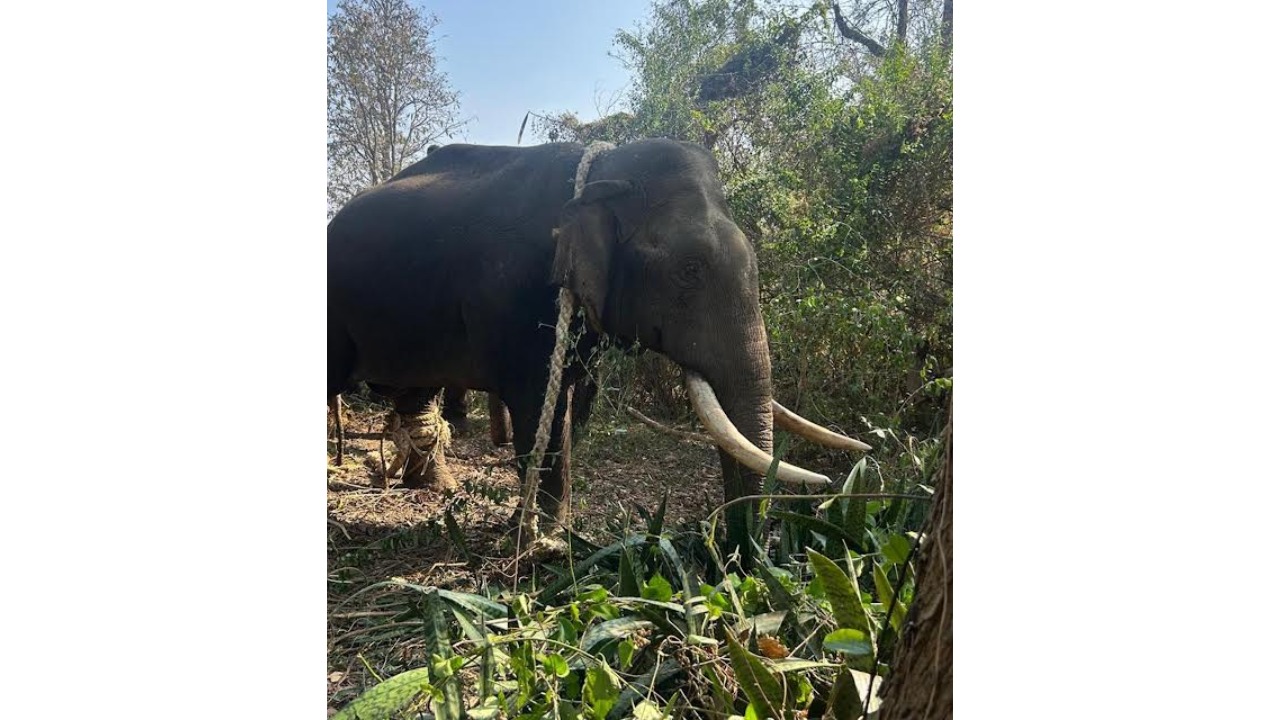
Following the death of a woman in an elephant attack, the Karnataka Forest Department captured the animal in Hassan district, restoring a sense of safety among villagers. The operation involved multiple teams working across forest and village boundaries to track the elephant’s movements. Officials said the capture was necessary as the animal continued to pose a threat to human life. Local residents, while relieved, expressed grief over the loss and urged authorities to act proactively in forest-border areas to avoid such tragedies.
The elephant involved in the fatal attack on a woman in Hassan district has been captured after a carefully coordinated operation by the Forest Department. Officials said the animal had strayed repeatedly into agricultural land in search of food and water. The incident has highlighted growing concerns over human–wildlife conflict in the region. Villagers welcomed the capture but demanded long-term solutions such as fencing and early warning systems. Forest authorities said the elephant will remain under observation before a decision is taken on its relocation.
Tension prevailed in villages near the forest fringes of Hassan after a woman was killed in an elephant attack, prompting the Forest Department to capture the animal involved. Residents had restricted outdoor movement for several days due to fear of another attack. Forest officials said tracking teams followed fresh signs of the elephant’s movement before launching the capture operation. The department assured villagers that increased patrolling and preventive measures would be put in place to prevent similar incidents. Compensation to the victim’s family is expected to be processed soon.
The capture of the elephant that killed a woman in Hassan district has once again brought attention to rising human–wildlife conflict in Karnataka. Forest officials said the animal was tranquilised and shifted after careful assessment of the risk it posed. Villagers expressed mixed emotions, welcoming the action while mourning the loss of life. Conservation experts caution that such incidents are likely to increase unless habitat pressures are addressed. Authorities said preventive strategies would be reviewed in vulnerable areas across the district.
After a woman lost her life in an elephant attack in Hassan, forest officials launched a targeted operation to capture the animal involved. The department said the elephant had separated from its herd and entered human-dominated areas. Local residents cooperated with officials during the operation by staying indoors. While the capture has eased immediate fears, villagers said long-term planning is required to prevent elephants from entering settlements. The Forest Department said steps would be taken to address recurring conflict zones.
Follow: Karnataka Government
Also read: Home | Channel 6 Network – Latest News, Breaking Updates: Politics, Business, Tech & More
