
A four-year-old child lost his life in a devastating accident in Bengaluru after bricks fell from an under-construction building, triggering outrage, grief and renewed questions about safety norms at construction sites across the city. The incident, which occurred in a densely populated neighbourhood, has once again highlighted the human cost of regulatory lapses and the vulnerability of children in rapidly urbanising spaces. Residents described the scene as harrowing, with the sudden collapse of bricks turning an ordinary moment into a lifelong tragedy for the family.
The tragedy has also drawn attention to the lack of clear communication between civic authorities and residents regarding ongoing construction activities. Many locals said they were unaware of whom to approach when they noticed unsafe practices at construction sites. This absence of accessible grievance redressal mechanisms often leaves residents feeling helpless, forcing them to live alongside potential hazards until an accident occurs. Urban governance experts argue that empowering citizens through clear reporting channels and swift response systems could play a crucial role in preventing such incidents before they turn fatal.
Questions have also been raised about the frequency and quality of inspections carried out by municipal officials. While regulations mandate periodic safety checks, residents and activists allege that inspections are either infrequent or reduced to procedural formalities. In rapidly developing neighbourhoods, where multiple projects operate simultaneously, this lack of rigorous oversight increases the risk of accidents. Experts stress that inspections must be unannounced, thorough and backed by immediate enforcement powers to ensure compliance.
The incident has prompted calls for mandatory insurance and victim compensation mechanisms linked directly to construction projects. Legal scholars suggest that builders should be required to maintain insurance policies that automatically compensate victims in case of accidents caused by negligence. Such systems, they argue, could provide quicker relief to affected families while legal proceedings continue, reducing the financial burden during periods of grief and uncertainty.
As the investigation continues, the city is left grappling with a familiar yet unresolved challenge. Each construction-related death reignites promises of reform, but sustained change remains elusive. The death of a four-year-old has struck a particularly painful chord, intensifying demands that this not become just another statistic. For many residents, the hope is that accountability in this case will set a precedent, ensuring that safety violations are treated with the seriousness they deserve and that future tragedies are prevented through decisive action.
According to the police, the child was walking along the roadside with a family member when a stack of bricks allegedly fell from an upper level of a building under construction. The impact caused severe injuries, and despite being rushed to a nearby hospital, the child succumbed. Doctors said the injuries were critical and beyond recovery. The death has cast a shadow over the locality, with residents expressing shock and anger at what they described as a preventable incident.
Eyewitnesses said there were no visible safety barricades or warning signs around the construction site. Many claimed that construction materials had been stacked precariously for days, raising concerns that had gone unaddressed. The accident has fuelled public anger, with locals demanding accountability from the builder, contractors and civic authorities responsible for monitoring construction safety.
The Fall of Bricks
The police registered a case and initiated an investigation to determine responsibility. Officials said they were examining whether safety protocols were violated and if negligence played a role. The building owner and contractor are likely to be questioned as part of the inquiry. Authorities have also sought construction permits and safety clearances related to the project to verify compliance with existing norms.
For the grieving family, the loss is immeasurable. Neighbours described the child as cheerful and playful, someone whose laughter echoed through the street. The suddenness of the incident has left the family traumatised, struggling to come to terms with a life cut short due to what many see as sheer negligence. Community members gathered at the family’s home, offering condolences and support amid palpable sorrow.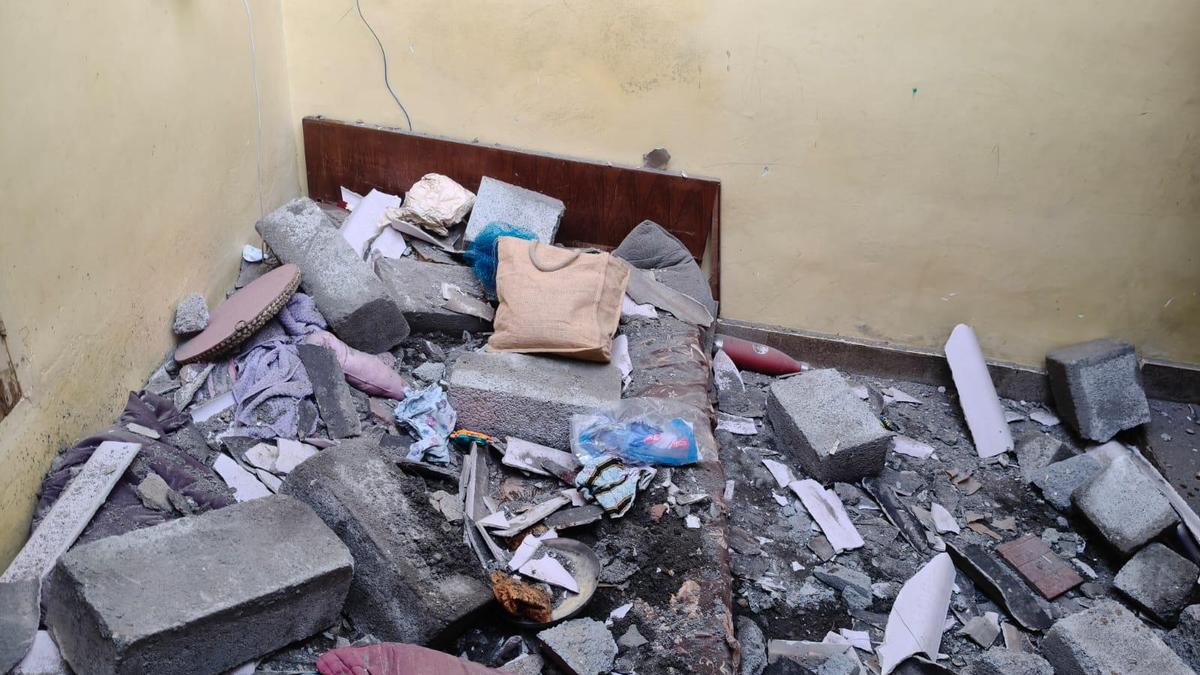
The tragedy has sparked renewed debate over construction safety in Bengaluru, a city witnessing relentless vertical growth. With hundreds of buildings under construction at any given time, concerns about lax enforcement of safety rules have persisted for years. This incident has brought those concerns into sharp focus, raising questions about whether existing regulations are adequate and, more importantly, whether they are being enforced on the ground.
Negligence Allegations and Safety Lapses Under Scrutiny
Preliminary findings suggest that basic safety measures were either inadequate or entirely absent at the construction site. Residents alleged that the area was not cordoned off and that there were no nets, barriers or warning signs to prevent debris from falling onto public spaces. Such measures are mandatory under building safety regulations, particularly in areas with pedestrian movement.
Civic officials acknowledged that construction safety remains a challenge, especially in congested neighbourhoods where buildings rise close to narrow roads and footpaths. They admitted that monitoring every site consistently is difficult due to manpower constraints but stressed that this cannot excuse lapses that result in loss of life. Following the incident, officials said they would inspect the site and take action based on the findings.
The police are examining whether the incident falls under culpable negligence, which could attract serious legal consequences. Legal experts say that if it is established that the builders failed to follow mandated safety norms, they could face criminal charges. In past cases, such incidents have resulted in fines or temporary shutdowns, but activists argue that penalties are often too lenient to act as effective deterrents.
Urban planners and safety experts point out that construction safety in Indian cities is frequently treated as an afterthought. While building approvals focus on design and zoning compliance, on-site safety during construction often escapes rigorous scrutiny. This gap, they argue, leaves workers and the public exposed to significant risks.
Residents of the area said complaints about the construction had been raised earlier, particularly regarding debris and materials encroaching onto public space. They claim that no effective action was taken despite repeated concerns. This has led to accusations that enforcement mechanisms are reactive rather than preventive, stepping in only after tragedies occur.
Child safety advocates emphasised that children are especially vulnerable in such environments. With limited understanding of danger and unpredictable movement, children are at greater risk near unsafe construction sites. They argue that authorities must treat safety violations near residential areas as serious threats, not minor infractions.
The incident has also raised concerns about the role of contractors and subcontractors, who are often responsible for on-site safety. Experts say that fragmented responsibility allows accountability to be diffused, making it difficult to pinpoint who is at fault. Clearer assignment of responsibility and stricter enforcement, they argue, are essential to prevent such tragedies.
Public Outrage, Accountability Demands and the Way Forward
The child’s death has triggered widespread outrage, both within the neighbourhood and across the city. Residents staged protests, demanding immediate action against those responsible and calling for stricter enforcement of construction safety norms. Many expressed fear that similar incidents could happen again if authorities fail to act decisively.
Civil society groups have urged the government to conduct a citywide audit of construction sites, particularly those located near schools, parks and residential areas. They argue that safety audits should not be limited to paperwork but include physical inspections to ensure compliance with ground-level realities.
The incident has also reignited debate over urban governance and planning in Bengaluru. Critics argue that rapid development has outpaced the city’s ability to regulate and monitor construction activity effectively. As a result, safety often becomes secondary to speed and profit. The tragedy, they say, is a grim reminder of the consequences of prioritising growth without adequate safeguards.
Legal experts have called for stronger penalties for violations leading to injury or death. They argue that fines alone are insufficient and that criminal liability should be enforced more consistently to deter negligence. Families of victims, they say, often face prolonged legal battles with little closure, underscoring the need for faster and more victim-centric justice mechanisms.
The role of civic bodies has also come under scrutiny. Activists point out that municipal authorities have the power to halt unsafe construction but rarely exercise it proactively. Regular inspections, transparent reporting and public access to information about construction safety compliance could improve accountability, they argue.
Psychologists note the long-term impact such incidents have on families and communities. The sudden loss of a child can cause profound emotional trauma, affecting mental health and social stability. Neighbours, too, experience fear and anxiety, especially parents who worry about their children’s safety in shared public spaces.
In response to the incident, officials have promised to review safety protocols and strengthen monitoring mechanisms. Some have suggested the use of technology, such as real-time reporting and geo-tagged inspections, to improve oversight. Whether these measures translate into meaningful change remains to be seen.
Urban safety experts stress that preventing such tragedies requires a collective approach. Builders must prioritise safety, authorities must enforce regulations without compromise, and residents must be empowered to report violations without fear of inaction. Public awareness, they argue, is a crucial component of prevention.
For the family that lost their child, however, policy debates offer little comfort. Their grief stands as a stark reminder that behind every statistic is a human story of loss and shattered dreams. Neighbours say the child’s absence is deeply felt, a silence that underscores the cost of negligence.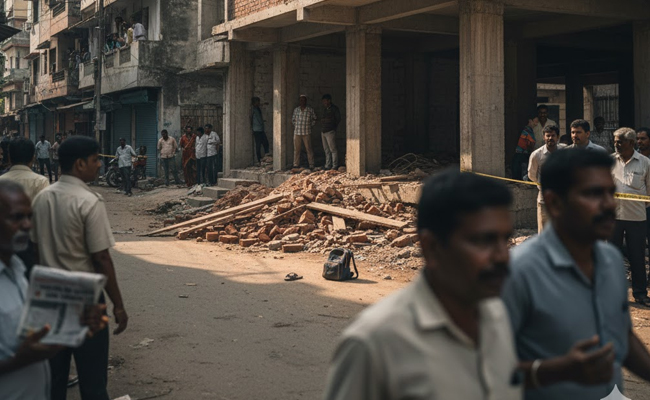
As Bengaluru continues to grow skyward, the tragedy raises a fundamental question about the kind of city it aspires to be. Development without safety, many argue, is a hollow achievement. The death of a four-year-old due to falling bricks is not just an accident but a failure of systems meant to protect the most vulnerable.
The incident has left the city grieving and searching for answers. Whether this moment of collective sorrow leads to lasting reform will depend on the actions taken in its aftermath. For now, the loss serves as a painful call to prioritise human life above all else, reminding authorities and builders alike that safety is not optional, but essential.
Follow: Karnataka Government
Also read: Home | Channel 6 Network – Latest News, Breaking Updates: Politics, Business, Tech & More
