
G.O. Issued to Strengthen Action Against Orderly System in Tamil Nadu
G.O. issued by the Tamil Nadu government has marked a renewed administrative push to eliminate the long-criticised orderly system, where police personnel are informally assigned for personal or household work of senior officials. The development was placed before the Madras High Court, signaling the state’s intent to enforce accountability through structured monitoring at the district level.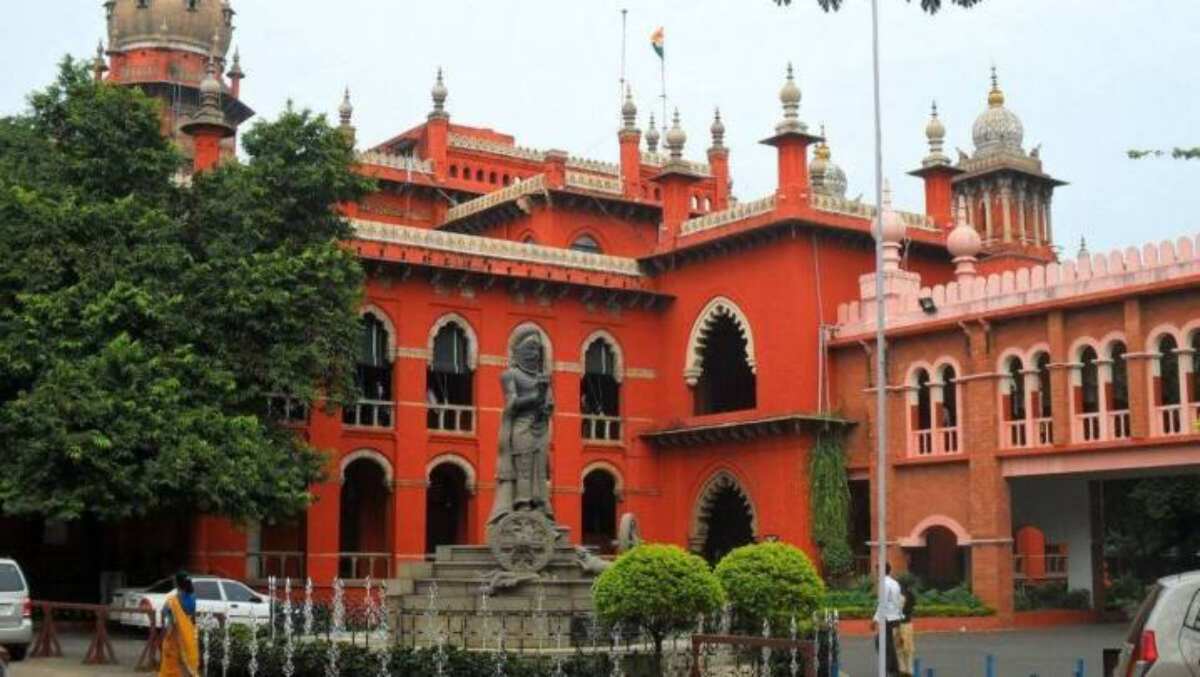
The government order, issued on January 21, provides for the formation of district-level monitoring committees across Tamil Nadu. These committees are expected to ensure that police personnel are used strictly for official duties and not diverted for private tasks. The move comes in response to strong judicial observations made during earlier hearings, where the court expressed concern over the continued existence of the practice despite previous directions.
The issue surfaced again when a plea related to the shortage of police personnel was taken up for hearing. During the proceedings, the court highlighted that misuse of police staff through the orderly system directly affects public policing and law enforcement efficiency.
G.O. Issued Following Court Pressure and Administrative Review
The Advocate General informed the division bench that the G.O. issued was part of a broader administrative response aimed at dismantling the system entirely. The bench, while acknowledging the step, made it clear that issuing orders alone would not be sufficient unless effective monitoring and strict enforcement followed.
The High Court had earlier expressed strong displeasure over the continuation of the orderly system, describing it as outdated and incompatible with constitutional values. The judges emphasized that engaging police personnel for non-official work undermines both human dignity and institutional discipline.
In line with this, the Home Department had already issued instructions to the Director General of Police outlining steps to prevent such misuse. These instructions were communicated to senior police officials, reinforcing that any violation would invite action.
The district-level committees proposed under the G.O. are expected to act as watchdog bodies. Their role includes reviewing complaints, conducting inspections, and ensuring that no police personnel are unofficially attached to individuals for personal assistance.
G.O. Issued to Create District Monitoring Committees
The monitoring panels will function at the district level, making supervision more localised and practical. This structure is intended to reduce delays in action and prevent the issue from being buried under higher-level bureaucracy. Officials believe that decentralised monitoring will help identify violations quickly and discourage recurrence.
The committees are also expected to submit periodic reports, enabling the state government to assess progress and take corrective steps where needed. This reporting mechanism is seen as crucial in maintaining transparency and accountability. Also Read: New Moffusil Bus Stand Marks a Major Transport Shift in Dharmapuri in 2026
G.O. Issued Reinforces Commitment to Police Reforms
The orderly system has long been criticised by civil rights groups and legal experts, who argue that it reflects an imbalance of power and misuse of public resources. The court echoed these concerns, stressing that police personnel are appointed to serve the public, not individual officials.
By issuing the G.O., the government has acknowledged the seriousness of the issue and the need for institutional reform. However, the court has made it clear that results, not assurances, will determine the success of this initiative.
The Advocate General assured the bench that effective measures would be taken to ensure complete abolition of the system. The court, in turn, directed the state to maintain continuous oversight and avoid symbolic compliance.
Conclusion
The G.O. issued by the Tamil Nadu government represents a significant administrative step toward ending the orderly system. While the framework for monitoring is now in place, the real test lies in enforcement. The High Court’s continued scrutiny signals that the matter will remain under close watch until the practice is fully eliminated.
