
The Greater Bengaluru Authority (GBA) has issued a stern warning to all civic agencies and utility providers against unauthorised road-cutting across the city, citing safety hazards, traffic congestion, and long-term infrastructure damage. Authorities emphasised that any breach of the directive could attract strict penalties, including fines, suspension of work, and legal action, underscoring the administration’s commitment to maintaining Bengaluru’s road infrastructure.
The warning comes after several instances of haphazard road-cutting by multiple civic agencies, including water, electricity, and telecom service providers, which have disrupted traffic flow and delayed commuter movement. The GBA’s directive aims to ensure that road maintenance, utility upgrades, and excavation works are conducted in a coordinated, regulated, and transparent manner.
Urban planners pointed out that repeated unauthorised road-cutting has a cascading effect on city infrastructure, often damaging underground utilities such as sewer lines, stormwater drains, and fibre-optic networks. These secondary damages frequently go unnoticed until they result in flooding, service outages, or road cave-ins, increasing repair costs and public inconvenience. Authorities said coordinated planning is essential to prevent such hidden infrastructure failures.
Officials also acknowledged that citizens often bear the brunt of poor restoration practices following excavation works. In several cases, roads are left uneven or temporarily patched, creating accident-prone stretches for two-wheelers and pedestrians. The GBA has instructed agencies to ensure full restoration within stipulated timelines, failing which contractors may be blacklisted from future projects.
Traffic police officials have stressed that unauthorised road-cutting complicates traffic management, especially during peak hours. Sudden lane closures without prior intimation force last-minute diversions, leading to bottlenecks and increased risk of collisions. Authorities said advance coordination with traffic enforcement is non-negotiable and will be strictly monitored going forward.
Residents’ welfare associations across Bengaluru have welcomed the GBA’s warning, stating that poor coordination among civic agencies has long been a source of frustration. Many associations reported instances where newly asphalted roads were dug up within weeks for unrelated utility work, eroding public confidence in infrastructure planning and governance.
Experts in urban governance suggested that the directive could pave the way for a common utility corridor model, where water, electricity, telecom, and gas lines are placed within designated ducts. Such systems, already adopted in some global cities, significantly reduce the need for repeated road excavation and simplify maintenance without disrupting surface traffic.
The authority also plans to publish periodic compliance reports detailing approved road-cutting works, restoration status, and penalties imposed for violations. Officials said public disclosure would enhance transparency, deter non-compliance, and allow citizens to track infrastructure projects in their neighbourhoods more effectively.
Senior GBA officials reiterated that the warning should not be seen as an obstruction to development but as a necessary measure to ensure responsible urban growth. They emphasised that infrastructure expansion must go hand in hand with accountability, planning, and respect for public spaces, adding that the city’s long-term sustainability depends on disciplined civic coordination.

REASONS BEHIND THE CRACKDOWN
Officials highlighted that unauthorised road-cutting has become a recurring problem in Bengaluru, causing inconvenience to citizens and increasing the city’s maintenance costs. Excavations carried out without prior approval have led to waterlogging during monsoon, damaged roads, and prolonged traffic jams, affecting daily commuters and local businesses.
Authorities emphasised that proper permissions and coordination with civic bodies are essential for maintaining public safety and ensuring timely restoration of roads. Unplanned or unauthorised cutting not only endangers pedestrians and vehicles but also accelerates wear and tear of newly laid roads, undermining infrastructure investments.
The GBA noted that unauthorised works often bypass safety protocols, resulting in accidents and property damage. Officials warned that future violations would be treated as serious offences, with agencies held accountable for both administrative and financial liabilities.
DIRECTIVE AND ENFORCEMENT MEASURES
The authority’s directive mandates that all civic agencies must obtain prior permission before cutting or excavating roads. This includes submitting detailed project plans, duration of work, safety measures, and restoration schedules. Authorities will monitor compliance through inspections, digital tracking, and public reporting mechanisms.
Civic agencies have been instructed to use advanced technology, including GIS mapping and real-time monitoring, to plan and execute road works efficiently. Coordination with traffic police is also required to minimise disruption during excavation or repair activities.
Officials clarified that unauthorised work could result in immediate suspension of ongoing projects, cancellation of future contracts, and financial penalties. In cases of repeated violations, agencies may face stricter administrative or legal consequences, including criminal liability in extreme instances.
IMPACT ON CITIZENS AND TRAFFIC FLOW
The warning comes as a relief for commuters who frequently face delays due to unplanned road-cutting activities. Residents have long complained about potholes, incomplete repairs, and chaotic traffic caused by multiple agencies digging roads simultaneously without coordination.
Traffic management authorities noted that haphazard road-cutting not only disrupts normal traffic but also affects emergency services, school and office commutes, and public transport schedules. Authorities stressed that coordinated planning, adherence to schedules, and timely restoration are critical to ensure smooth traffic flow.
Public awareness campaigns are also being planned to educate citizens about reporting unauthorised road works. Authorities encouraged residents to notify local civic bodies if they observe unapproved digging or excavation, creating a participatory approach to city maintenance.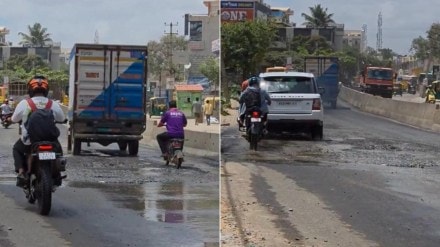
CIVIC AGENCY RESPONSE
Several civic agencies welcomed the directive, noting that formal coordination helps reduce confusion and ensures safer execution of works. Representatives emphasised that prior approval processes, while sometimes perceived as cumbersome, ultimately benefit agencies by avoiding delays, penalties, and public complaints.
Utility companies acknowledged that lack of communication between departments has historically led to overlapping projects, repeated excavation, and delayed restoration. They assured authorities that updated protocols would be implemented to comply with the GBA’s orders.
Officials from water, electricity, and telecom departments confirmed that they would review internal workflows, allocate dedicated teams for approvals, and adopt digital monitoring systems to ensure adherence to the directive. Coordination with municipal corporations is expected to become more structured to prevent future violations.
LEGAL AND ADMINISTRATIVE FRAMEWORK
The GBA’s warning is backed by existing municipal laws and urban development regulations that govern road cutting and maintenance. Legal experts emphasised that unauthorised excavation is considered a violation of municipal statutes and may involve both civil and criminal penalties.
Authorities cited instances where non-compliant agencies were held liable for restoration costs, fines, and compensation for accidents. Officials stressed that stringent enforcement ensures that public infrastructure investments are protected, reducing the burden on taxpayers and improving overall urban management.
By mandating formal permissions, inspection protocols, and coordinated execution, the GBA seeks to strengthen accountability, maintain service quality, and enhance citizen trust in civic administration.
CHALLENGES IN IMPLEMENTATION
Officials acknowledged challenges in enforcing the directive, including the volume of ongoing road projects, the multiplicity of agencies involved, and gaps in monitoring infrastructure. To overcome these, the GBA is implementing a digital permit system, tracking excavation requests, and deploying field inspectors to verify compliance.
Coordination meetings between civic agencies are being scheduled regularly to align project timelines, reduce overlapping works, and ensure safety measures are in place. Experts noted that such collaborative frameworks are essential in complex urban environments where multiple service providers operate simultaneously.
The authority also stressed the importance of citizen participation. Reporting mechanisms, mobile apps, and hotlines will allow residents to notify authorities of unauthorised work, enabling prompt corrective action and reinforcing civic accountability.
FUTURE OUTLOOK AND INFRASTRUCTURE PROTECTION
The crackdown on unauthorised road-cutting is expected to have long-term benefits for Bengaluru’s infrastructure. Proper planning, monitoring, and coordination will extend the lifespan of roads, reduce maintenance costs, and enhance public safety.
Experts believe that digital tracking, inspection protocols, and strict enforcement will serve as a model for other urban centres facing similar issues. By ensuring accountability and timely restoration, the city can maintain smoother traffic flow and improve quality of life for residents.
Authorities indicated that the directive is part of a larger urban governance strategy focused on integrated infrastructure management, citizen engagement, and sustainable city planning. Successful implementation is expected to strengthen public trust and set a precedent for future urban projects.
CONCLUSION: TOWARD ACCOUNTABLE URBAN MANAGEMENT
The GBA’s warning to civic agencies against unauthorised road-cutting underscores the need for accountability, planning, and collaboration in urban management. By enforcing strict regulations, monitoring compliance, and involving citizens in reporting, authorities aim to protect public infrastructure, ensure safety, and improve traffic management.
Officials emphasised that all civic agencies must adhere to protocols, obtain proper approvals, and coordinate projects efficiently to avoid penalties and legal repercussions. Public cooperation and timely reporting will also be critical in ensuring the directive’s effectiveness.
The initiative reflects a proactive approach to urban governance, combining regulatory enforcement, technological tools, and citizen participation. With these measures, Bengaluru aims to minimise infrastructure damage, reduce traffic disruptions, and create a safer, more organised urban environment.
As the city continues to grow and modernise, strict adherence to road-cutting regulations will play a pivotal role in maintaining the integrity of infrastructure, protecting public investments, and ensuring that residents experience a safer, smoother commute across the metropolitan area.
Follow: Karnataka Government
Also read: Home | Channel 6 Network – Latest News, Breaking Updates: Politics, Business, Tech & More
