
GI Mahotsav 3.0 is set to open at the Central Food Technological Research Institute in Mysuru from December 5 to 8, bringing India’s celebrated Geographical Indication products under one roof. The event aims to highlight the depth of India’s cultural, agricultural, and artisanal identity through its certified products. Organised by NABARD’s Madurai Agri Business Incubation Forum in association with the Ministry of MSME, Tamil Nadu Agricultural University, and CFTRI, the four day exhibition will run from 10 a.m. to 5 p.m. and is expected to draw artisans, entrepreneurs, students, and visitors eager to understand India’s GI ecosystem.
Background and Significance of GI Products
India’s Geographical Indication registry includes products that reflect unique regional expertise shaped by climate, culture, heritage, and traditional knowledge. GI tags protect not only the identity of these products but also the legacy of the communities that sustain them. From handicrafts to agricultural produce, each certified item carries a story of origin, technique, and continuity. Events like GI Mahotsav help consumers understand how these products function as cultural ambassadors. They also offer producers a chance to expand their market access while preserving centuries old craftsmanship and farming practices passed down through generations.
Objectives of GI Mahotsav 3.0
The central objective of GI Mahotsav 3.0 is to strengthen the visibility and market reach of GI registered communities. The organisers aim to support artisans, producers, rural entrepreneurs, farmer groups, and start ups working within India’s traditional ecosystem. The event intends to foster sustainable livelihoods and encourage innovation that respects heritage while embracing modern market needs. By showcasing GI products directly from the hands of producers, the organisers hope to create authentic buyer seller connections. The Mahotsav also seeks to build consumer appreciation for heritage goods in a rapidly shifting commercial landscape.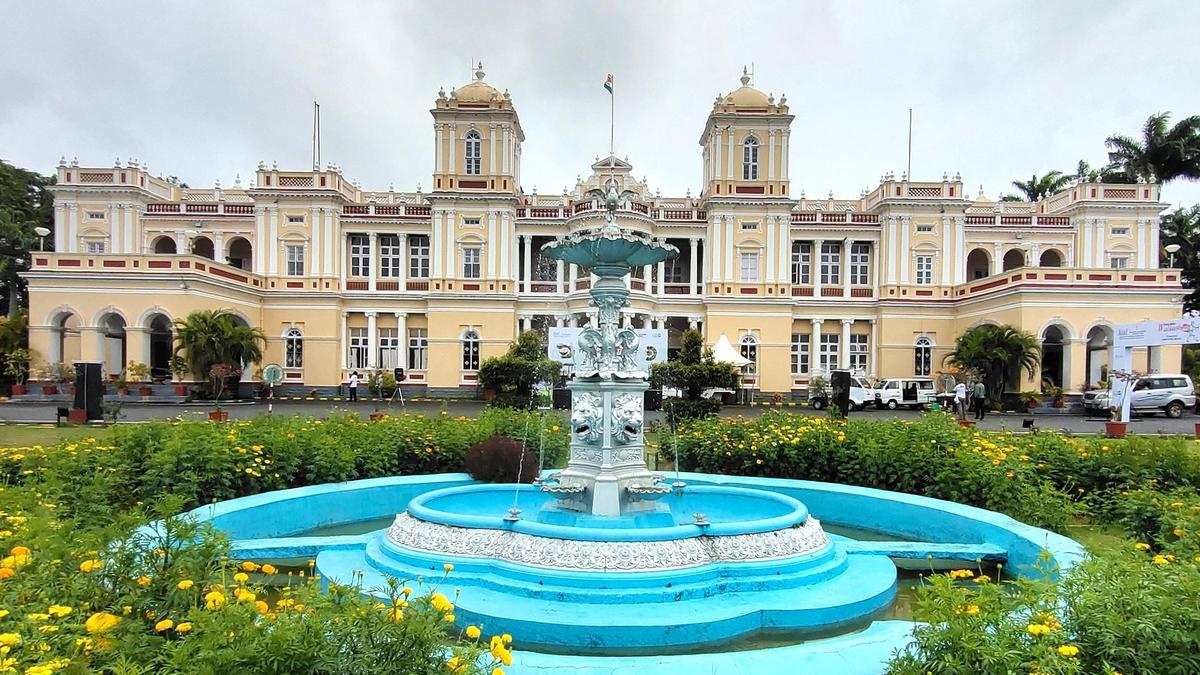
Event Structure and Exhibition Setup
The four day festival will feature about fifty curated stalls dedicated exclusively to GI registered artisans and producer groups. These stalls will represent regions across South India, offering an immersive experience of cultural diversity through the products on display. Visitors will be able to witness demonstrations, interact with producers, and purchase items directly without intermediaries. The exhibition design emphasises authenticity, storytelling, and interaction. Each stall is expected to showcase distinctive methods, raw materials, and crafting traditions. This will help visitors understand how the geographical and cultural context influences the identity of GI products.
Role of NABARD and Collaborating Institutions
NABARD’s Madurai Agri Business Incubation Forum has been leading initiatives to empower small producers, integrate innovation into agriculture, and strengthen rural entrepreneurship. In partnership with the Ministry of MSME and Tamil Nadu Agricultural University, the forum plays a significant role in helping GI communities navigate technological, financial, and marketing challenges. CFTRI’s role as a scientific and research institution adds further credibility by strengthening quality standards, food technology incubation, and product development. The combined involvement of these organisations ensures that GI Mahotsav is not only an exhibition but also a platform for capacity building and knowledge sharing.
Inaugural Session and Key Announcements
The Mahotsav will begin on December 5 with an inaugural ceremony attended by senior officials and experts from NABARD, MSME, TNAU, and CFTRI. During the session, a memorandum of understanding will be signed between MABIF and CFTRI. This agreement aims to build collaborative avenues for research, innovation, and entrepreneurship in the GI and agri food sector. The inauguration will also feature the launch of new start up products developed under incubation programmes. Announcements of prize winners from the recent GI Hackathon will form another major highlight, showcasing youth led innovation in the GI ecosystem.
Importance of the MABIF CFTRI MoU
The new partnership between MABIF and CFTRI is expected to become a significant step toward strengthening India’s GI development framework. It will allow the two institutions to jointly work on food technology solutions, product diversification, value addition, and sustainable packaging. By combining traditional knowledge with scientific research, the collaboration aims to develop new market ready products that still retain the core identity of their GI origin. This partnership also plans to offer training, technical support, and business mentoring to entrepreneurs who seek to scale production without compromising authenticity or cultural value.
Daily Technical Sessions and Expert Panels
Over the four days, the Mahotsav will host a series of technical sessions featuring academicians, industry leaders, policymakers, and specialists in intellectual property and traditional crafts. These sessions will address emerging themes including branding strategies for GI products, value chain optimisation, sustainable business models, and the use of digital platforms for heritage marketing. Experts will also discuss the challenges faced by producers, such as counterfeiting, limited market access, and lack of standardisation. The sessions aim to provide actionable insights to artisans, start ups, and farmer groups working within the GI framework.
Cultural Events and Community Showcases
Beyond the technical aspects, GI Mahotsav 3.0 will celebrate India’s cultural richness through daily cultural performances representing regional art forms. These events are designed to complement the exhibition by demonstrating the living traditions behind many GI products. Dance, music, storytelling, and folk performances will highlight how deeply traditional arts are intertwined with local economies. On the final day, the valedictory ceremony will feature success stories from Farmer Producer Organisations, self help groups, and GI associations. These presentations will illustrate how community driven enterprises can thrive with the right institutional support.
Relevance of Mysuru as the Venue
Hosting the Mahotsav in Mysuru adds symbolic and practical value because the region is home to several well known GI products such as Mysore silk, Mysore sandal soap, and Nanjangud banana. CFTRI’s presence in the city strengthens the event by providing scientific engagement, food processing expertise, and research facilities. Mysuru’s long standing reputation as a centre of culture and craftsmanship makes it an ideal location to host an event that celebrates heritage based economic sectors. The city also attracts students, tourists, and professionals who contribute to a diverse and engaged audience.
Impact on Small Scale Producers and Rural Economy
Events like GI Mahotsav can create significant economic opportunities for small producers who often struggle with limited visibility and market access. Direct interaction with customers helps artisans build networks, receive feedback, and understand current consumer preferences. For rural communities, participation in such events can translate into better income, sustained livelihoods, and preservation of traditional skills. The Mahotsav also connects them with institutional frameworks such as MSME programmes, incubation centres, and cooperative structures. This allows producers to scale their work while reducing dependence on middlemen.
Role of GI Products in Protecting Heritage
Geographical Indication products serve as powerful tools to protect and promote traditional knowledge systems. They ensure that the economic benefits of these goods return directly to the communities that created them. GI registration prevents unauthorised imitation and misrepresentation, which can damage both quality and reputation. By bringing attention to the craft, farming, and artisanal skills embedded within each product, events like the Mahotsav play a role in safeguarding intangible heritage. They also create public awareness about why authenticity matters and how consumers can support genuine producers.
Challenges for the GI Ecosystem
Despite their cultural and economic significance, GI communities face challenges related to limited infrastructure, inconsistent production capacity, raw material constraints, and lack of modern marketing strategies. Many producers operate without adequate branding knowledge, packaging resources, or digital skills. Competition from cheaper mass produced alternatives also poses difficulties. Institutions like CFTRI and MABIF aim to bridge these gaps by providing scientific support, training programmes, business mentoring, and incubation facilities. The Mahotsav’s technical sessions will address these challenges with practical solutions and case studies.
Promotion of Innovation within Traditional Frameworks
While GI products are rooted in tradition, the ecosystem is gradually embracing innovation to meet contemporary market demands. Innovations in packaging, value addition, shelf life enhancement, and quality control allow traditional producers to compete effectively in national and international markets. Start ups are increasingly interested in building businesses around heritage based products by integrating technology and efficient supply chains. The Mahotsav’s focus on innovation seeks to encourage producers to adapt while still maintaining the defining features that make their products unique.
Expected Outcomes and Future Prospects
The organisers anticipate that GI Mahotsav 3.0 will lead to stronger market linkages, better recognition of artisanal communities, and higher demand for heritage goods. With increased consumer awareness, producers may see improvements in income stability and long term sustainability. The MoU between MABIF and CFTRI could lead to the development of new products, collaborative research, and wider adoption of technology across the GI sector. The event is also expected to inspire future editions that may expand to more regions, include more producer groups, and attract international participation.
Conclusion
GI Mahotsav 3.0 arrives at a time when safeguarding traditional knowledge and supporting rural livelihoods are national priorities. By bringing producers, researchers, entrepreneurs, and policymakers together, the event highlights how heritage can be both preserved and strengthened through innovation. The festival not only celebrates India’s rich GI heritage but also emphasises the need for sustained institutional support. As visitors explore the stalls and interact with artisans, they participate in a collective effort to recognise and preserve the stories woven into every GI product. The Mahotsav stands as a reminder that cultural identity and economic progress can move forward together.
Follow: Karnataka Government
Also read: Home | Channel 6 Network – Latest News, Breaking Updates: Politics, Business, Tech & More
