
Trump Invites PM Modi to Be Part of Gaza “Board of Peace” Initiative
In a bold move aimed at securing lasting peace in the Gaza Strip and beyond, former U.S. President Donald Trump has formally invited Indian Prime Minister Narendra Modi to join a newly proposed international body called the “Board of Peace”. The initiative, unveiled this month, forms a central part of Trump’s broader plan to transition the Gaza region from conflict to stability and development.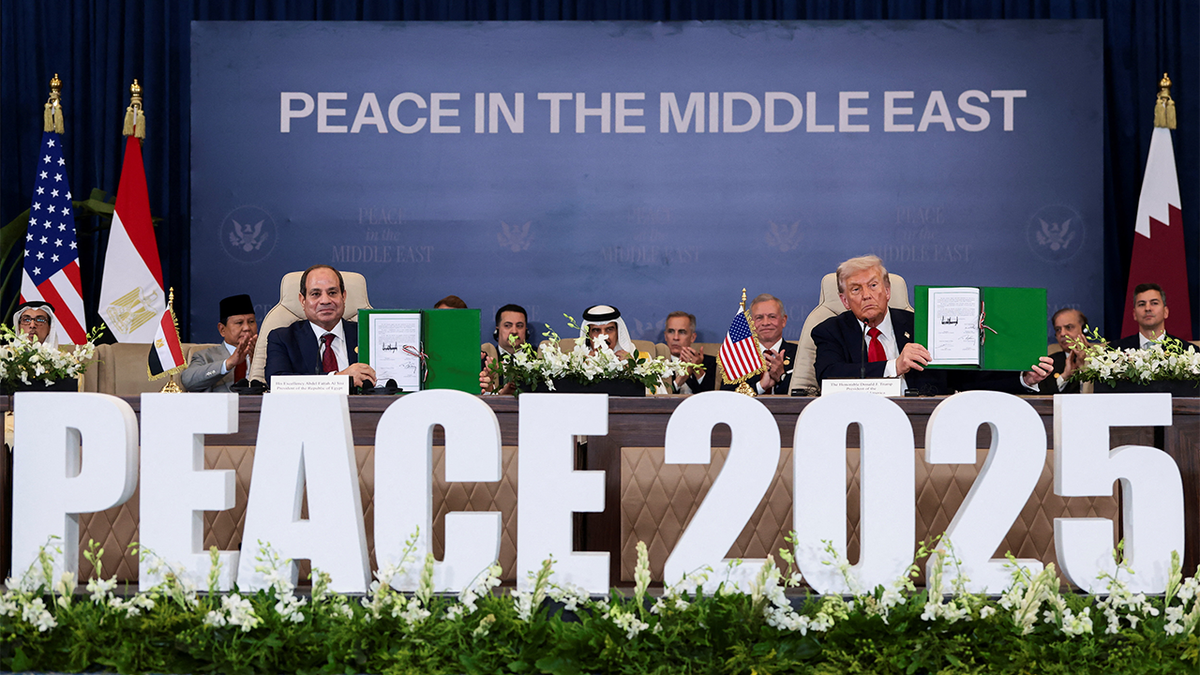
The invitation, sent in a letter dated January 16, 2026, was shared publicly by U.S. Ambassador to India Sergio Gor on social media. In the message, Trump described the effort as a “critically historic and magnificent” endeavour to solidify peace in the Middle East and embark on a “bold new approach to resolving global conflict.”
“*It is my great honor to invite you, as Prime Minister of the Republic of India, to join me in a critically historic and magnificent effort to solidify peace in the Middle East and, at the same time, to embark on a bold new approach to resolving global conflict,” Trump wrote to Modi.
A New International Initiative
The Board of Peace is designed as a multilateral mechanism that would bring together world leaders and experts to oversee the implementation of peace and reconstruction efforts in Gaza following the October 2025 ceasefire agreement between Israel and Hamas. This ceasefire forms part of a larger 20-point roadmap Trump announced in September 2025, which aims to end the long-running conflict in Gaza and promote long-term stability.
According to White House statements, the Board of Peace is set to act as a strategic oversight body, mobilising international resources, coordinating aid, and supporting effective governance as Gaza transitions from conflict to peace and reconstruction. Such efforts include establishing a new Palestinian civil administration, reconstructing infrastructure, and fostering economic recovery.
Several countries have reportedly received invitations. Alongside India, nations such as Pakistan, Jordan, Greece, Cyprus, Canada, Turkey, Egypt, Paraguay, Argentina and Albania are among those approached to participate in the initiative. Some countries have publicly acknowledged receiving invitations, although responses from New Delhi remain under consideration.
India’s Geopolitical Role
The outreach to India highlights New Delhi’s growing global diplomatic stature and its traditional role as a key actor in international peace efforts. India has historically supported a two-state solution to the Israel-Palestine conflict and has maintained balanced diplomatic relations with countries across the Middle East.
If India accepts the invitation, its participation would signal renewed engagement in global conflict resolution mechanisms, particularly in an initiative that seeks to move beyond immediate humanitarian aid toward long-term governance and development assistance. However, New Delhi’s official response has not yet been announced.
Structure and Controversy
The concept of the Board of Peace has drawn both interest and scrutiny from international observers. The proposal envisages the body as a new international organisation and transitional governing administration, bringing together “a distinguished group of nations” to assume responsibility for peacebuilding. Trump’s letter emphasised that the Board would include leaders who are committed to peace, security and prosperity.
In addition to heads of state, the initiative’s executive committee announced by the White House includes prominent figures such as U.S. Secretary of State Marco Rubio, former British Prime Minister Tony Blair, Trump’s Middle East envoy Steve Witkoff, World Bank President Ajay Banga and Trump’s adviser Jared Kushner.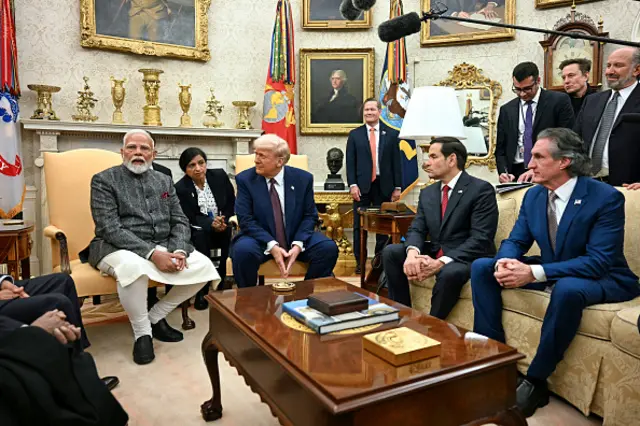
While many leaders have been invited, some aspects of the Board, including proposed funding mechanisms and scope, have prompted debate. Reports indicate that permanent membership may be tied to contributions — reportedly as high as USD 1 billion — although official details from the White House have described these claims as “misleading.”
Broader Diplomatic Considerations
The invitation comes at a complex time for global diplomacy. The Board of Peace initiative aims to work alongside the United Nations Security Council, which in November 2025 endorsed the Comprehensive Plan to End the Gaza Conflict — a key component of Trump’s framework.
Critics, however, have expressed concern that new structures like this could potentially diminish the role of traditional multilateral institutions such as the U.N. and raise questions about accountability, representation and long-term legitimacy. These debates are likely to continue as countries consider their level of engagement.
Also read: https://channel6network.com/supreme-court-directs-eci/
