
The State government has decided to hold back a proposed Bill seeking amendments to the Anti Cow Slaughter Act, triggering intense political debate, legal scrutiny, and renewed social unease across Karnataka. The decision, announced amid mounting pressure from multiple stakeholders, reflects the sensitive intersection of law, livelihood, faith, and federal politics that the legislation occupies. While the government has maintained that the move is temporary and intended to allow further consultations, the pause has opened up sharp disagreements between ruling party members, the Opposition, civil society groups, and communities directly affected by the Act.
The proposed amendment was expected to address several implementation-related issues that have emerged since the Anti Cow Slaughter Act came into force. These include procedural ambiguities, enforcement challenges, penalties, and concerns raised by farmers, traders, and minority communities. However, with the Bill now withheld from legislative consideration, uncertainty has returned to a policy space already marked by tension and polarisation.
Officials familiar with the decision-making process indicated that the government chose caution over confrontation, especially given the possibility of widespread protests and legal challenges. The timing of the proposed amendment, political observers note, also coincided with broader debates on governance priorities, social harmony, and the limits of criminal law in regulating traditional economic activity.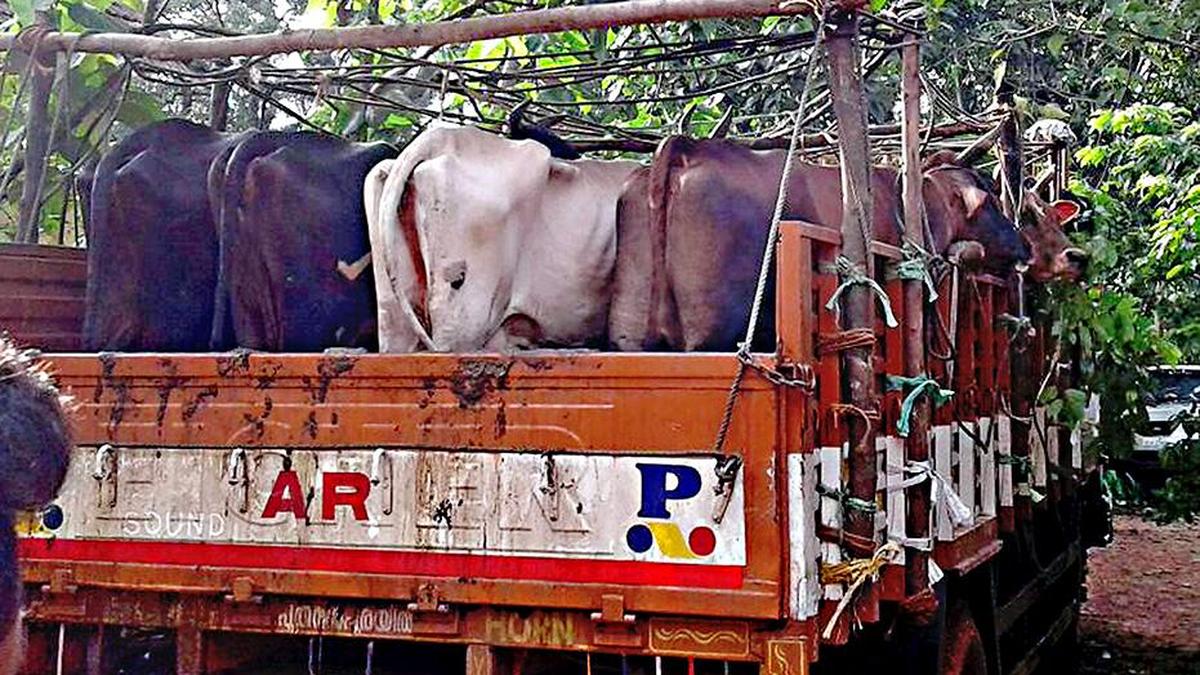
Political calculations and legislative hesitation
Within the corridors of power, the decision to hold back the amendment is widely seen as a product of political calibration rather than legislative indecision. Members of the ruling party acknowledged that while there was internal consensus on the need to clarify certain provisions of the Act, there was no unanimity on the scope and direction of the proposed changes. Some legislators argued that any amendment, even if procedural, would be interpreted as either dilution or reinforcement of the law, both of which carry political risks.
Opposition parties seized on the government’s hesitation, accusing it of lacking clarity and courage. Leaders claimed that the ruling dispensation was attempting to strike a balance between ideological commitments and electoral considerations, resulting in policy paralysis. They argued that the original Act itself was flawed and that any amendment should begin with a comprehensive review rather than piecemeal corrections.
Inside the legislature, debates revealed sharp ideological divides. Supporters of the Act insisted that strong legal protections were necessary to prevent illegal slaughter and cattle trafficking. They contended that enforcement challenges stemmed from administrative laxity rather than legislative defects. On the other hand, critics maintained that the law, as currently framed, criminalises livelihood activities, disproportionately affects certain communities, and grants excessive discretionary power to enforcement agencies.
The government, responding to these criticisms, stated that it was committed to upholding constitutional values while ensuring law and order. Ministers emphasised that holding back the Bill did not mean abandoning reform, but rather reworking it to avoid unintended consequences. However, this assurance has done little to quell speculation about internal divisions and external pressures influencing the decision.
Livelihood concerns and social impact
At the heart of the controversy surrounding the Anti Cow Slaughter Act and its proposed amendment lies the question of livelihood. Farmers, cattle traders, transporters, and workers in allied sectors have repeatedly raised concerns about the economic fallout of stringent enforcement. Many argue that restrictions on sale, transport, and disposal of cattle have led to increased costs, reduced income, and a rise in abandoned animals.
Dairy farmers, in particular, have highlighted the difficulty of managing unproductive cattle. With legal avenues for sale severely limited, farmers are often forced to bear the financial burden of maintaining ageing or infirm animals. This, they argue, has contributed to distress in rural areas and exacerbated existing agrarian challenges.
Communities traditionally involved in cattle trade and meat processing have also expressed anxiety over the uncertainty created by the government’s decision. For them, the delay in amending the Act prolongs a state of legal ambiguity, where enforcement practices vary widely across districts. Reports of harassment, arbitrary checks, and prolonged legal proceedings have deepened mistrust between affected communities and the State.
Social activists warn that such uncertainty fuels social tension. They argue that laws touching upon religious sentiment must be crafted with exceptional care, ensuring that enforcement does not become a tool for vigilantism or selective targeting. The decision to hold back the amendment, they say, offers an opportunity for meaningful dialogue but also risks prolonging hardship if consultations remain inconclusive.
Legal scrutiny and constitutional questions
Legal experts have consistently pointed out that the Anti Cow Slaughter Act raises important constitutional questions related to federalism, proportionality, and fundamental rights. While the State has the authority to legislate on animal preservation, the extent of criminal penalties and restrictions on trade invite judicial scrutiny. Several cases challenging aspects of the Act are already pending, and the proposed amendment was expected to address some of these concerns.
The government’s decision to pause the amendment process has been interpreted by some legal scholars as an attempt to avoid further complicating ongoing litigation. Introducing changes without resolving core constitutional issues, they argue, could weaken the State’s position in court. Others, however, believe that delaying reform only strengthens the perception that the law is being used more as a political signal than a carefully balanced regulatory framework.
Senior advocates have also highlighted the need for clarity in definitions and procedures under the Act. Ambiguities around cattle classification, transport permissions, and enforcement authority have led to inconsistent application. An amendment, if drafted transparently and inclusively, could have reduced scope for misuse. Holding it back, critics argue, leaves both citizens and officials navigating a grey zone.
Administrative challenges and enforcement realities
From an administrative standpoint, enforcing the Anti Cow Slaughter Act has proven to be complex and resource-intensive. Police officials privately acknowledge that distinguishing between legal and illegal transport, verifying documentation, and handling seized animals place significant strain on personnel and infrastructure. Gaushalas and shelters, already operating at capacity, struggle to accommodate animals confiscated during enforcement drives.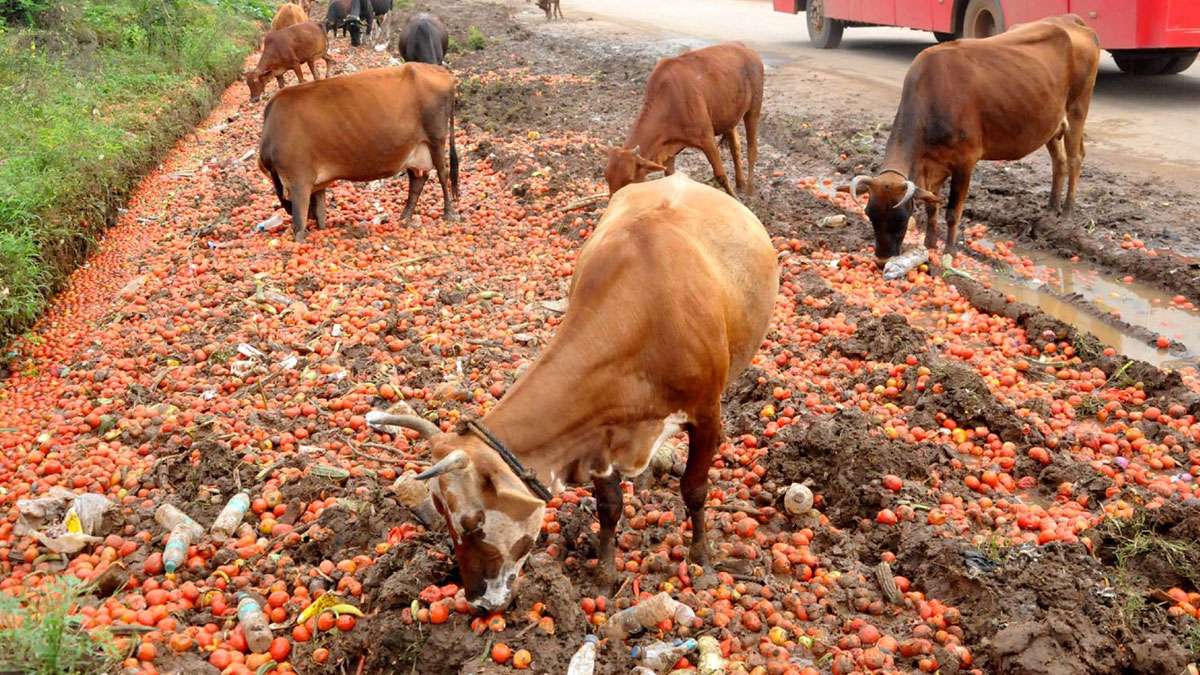
District administrations have also flagged coordination issues between departments. Veterinary certification, transport regulation, and policing often operate in silos, leading to delays and disputes. The proposed amendment was expected to streamline some of these processes, making enforcement more predictable and less confrontational.
By holding back the Bill, the government has effectively postponed administrative reform. Officials argue that interim guidelines and advisories can address immediate concerns, but ground-level experience suggests that such measures lack the force and clarity of statutory provisions. This gap, observers note, increases dependence on individual discretion, which can vary widely in its application.
Civil society voices and calls for consultation
Civil society organisations have responded to the government’s decision with mixed reactions. Some view the pause as a positive step that opens space for broader consultation. They have called for structured dialogue involving farmers’ groups, legal experts, religious leaders, and human rights organisations to re-examine the objectives and impact of the law.
Others, however, fear that the consultation process may become a symbolic exercise rather than a substantive one. Past experiences with contentious legislation, they argue, show that consultations are often rushed or selectively inclusive. For these groups, the real test lies in whether the government is willing to reconsider foundational aspects of the Act rather than merely adjusting procedural details.
Student groups and rights collectives have also weighed in, framing the issue within a larger debate on criminalisation and governance. They argue that laws rooted in moral or cultural considerations must be evaluated through the lens of social justice and economic reality. Holding back the amendment, they say, should not become an excuse to avoid these difficult conversations.
The road ahead for the government
Politically, the government faces a delicate balancing act. Proceeding with the amendment risks alienating sections of its support base, while abandoning reform could deepen dissatisfaction among affected communities. The decision to hold back the Bill suggests an attempt to buy time, but time itself can be a double-edged sword in a charged political environment.
Senior ministers have indicated that the government will revisit the amendment after further deliberation. They have emphasised the need to maintain social harmony while ensuring that laws are enforceable and just. However, without a clear timeline, such assurances offer limited comfort to those living with the law’s consequences on a daily basis.
Analysts note that the episode reflects a broader pattern in contemporary governance, where contentious social legislation often becomes a site of hesitation and recalibration. The Anti Cow Slaughter Act, with its symbolic weight and practical implications, exemplifies the challenges of legislating in a plural society.
A pause that speaks volumes
The decision to hold back the Bill amending the Anti Cow Slaughter Act is more than a procedural delay; it is a moment that reveals the complexities of lawmaking in Karnataka today. It underscores the difficulty of reconciling ideology with administration, sentiment with livelihood, and political conviction with constitutional obligation.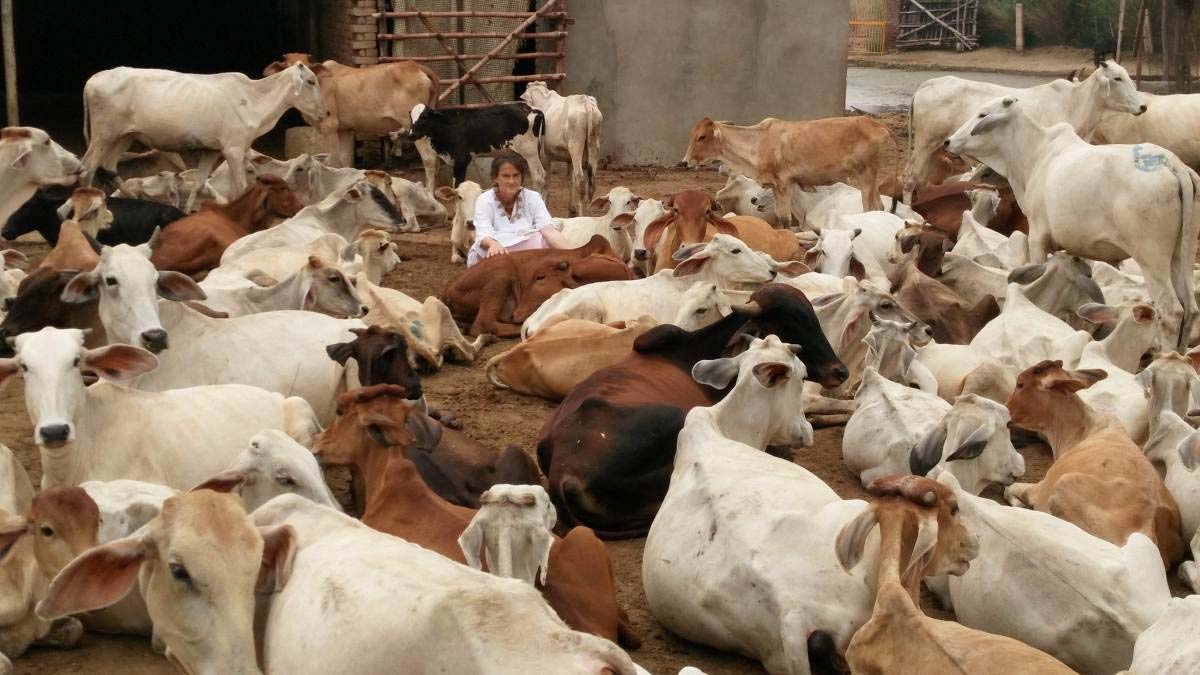
Whether the pause leads to a more inclusive, balanced, and workable legal framework remains to be seen. What is clear, however, is that the issue will not fade quietly. As long as the Act continues to shape lives and livelihoods, pressure for clarity and fairness will persist.
For the government, the challenge lies not just in deciding when to bring the amendment back, but in demonstrating that lawmaking can be both principled and pragmatic. In holding back the Bill, it has chosen caution. The coming months will determine whether that caution translates into constructive reform or prolonged uncertainty.
Follow: Karnataka Government
Also read: Home | Channel 6 Network – Latest News, Breaking Updates: Politics, Business, Tech & More
