
A troubling incident in Hassan district has raised serious concerns about police conduct after a local man was allegedly assaulted by a serving police inspector over a financial dispute. The victim, a resident of Hassan town, reported that the altercation stemmed from a disagreement regarding a financial transaction, which escalated into physical assault at the inspector’s hands. The incident has sparked outrage among residents and civil society groups, highlighting issues of accountability, abuse of power, and public trust in law enforcement.
According to the victim’s statement, the conflict began over an unpaid debt or alleged financial mismanagement, after which the inspector reportedly used his official authority to intimidate and physically attack the individual. The assault left the victim with visible injuries and emotional trauma, prompting him to file a formal complaint with higher police authorities. Local witnesses have corroborated the account, claiming that the inspector acted aggressively despite the dispute being a private financial matter.
The Hassan Police Department has confirmed receipt of the complaint and has initiated a preliminary inquiry. Senior officials stated that the matter would be investigated thoroughly, and appropriate action would be taken if the allegations are substantiated. The case has also drawn attention from local media and human rights advocates, who are calling for swift accountability and transparent handling to ensure justice and restore public confidence.
Public reaction has been one of anger and concern, with residents expressing disbelief that a law enforcement officer could allegedly misuse power in such a manner. Social media platforms in the region have amplified the incident, with calls for strict disciplinary action and assurances that police personnel should be held to the highest standards of conduct. The controversy underscores the need for stronger oversight mechanisms and accountability within the police force to prevent abuse of authority.
Civil society organisations have demanded an independent inquiry into the assault, emphasising that incidents involving police misconduct erode the community’s trust in law enforcement. Legal experts note that even a single case of abuse of power can have far-reaching implications for public perception and cooperation with the police, which is crucial for maintaining law and order. They also pointed out that internal departmental inquiries must be conducted transparently to avoid accusations of cover-up or bias
The incident comes at a time when police conduct across various districts is under heightened scrutiny, with growing calls for reform, ethical training, and clear protocols to prevent misuse of authority. Observers say that the Hassan case could serve as a litmus test for departmental responsiveness and commitment to accountability, as swift action would signal that no official is above the law.
Authorities have assured the public that the investigation will be impartial and thorough, and that the inspector involved could face suspension, departmental action, or legal consequences depending on inquiry findings. Meanwhile, the victim has received medical attention and is pursuing legal recourse, supported by local advocacy groups. The incident has reignited discussions on police ethics, financial disputes involving officials, and the broader need for safeguarding citizen rights against institutional abuse.
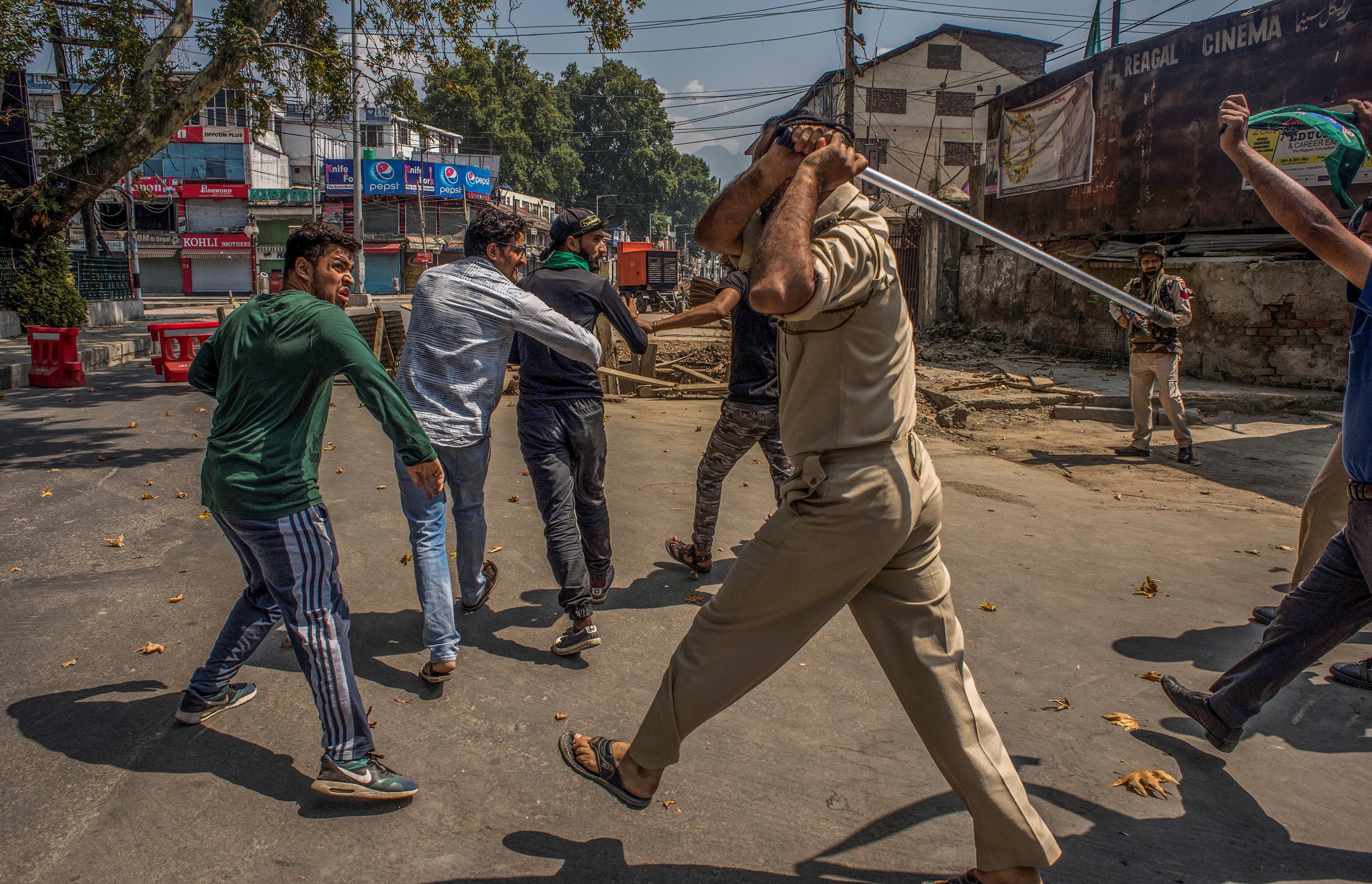
The allegations against the Hassan police inspector have sparked widespread concern across the district, with residents questioning the integrity of law enforcement personnel. Community leaders emphasised that an officer entrusted with upholding the law should never exploit his position to settle personal disputes. Citizens reported heightened anxiety, particularly among those who engage in financial transactions with acquaintances, fearing similar abuse of authority. Local community forums have demanded immediate transparency and called for the inspector to be placed on suspension pending inquiry.
Civil society groups and human rights activists have also taken note of the incident, framing it as part of a larger pattern of power misuse by officials in positions of authority. They argue that isolated cases often reflect systemic gaps in monitoring and accountability mechanisms within the police force. Advocacy organisations have urged the state government to ensure independent supervision over the investigation, stressing that impartiality is crucial to restore public trust.
Social media has amplified the controversy, with residents posting videos, photos, and first-hand accounts of the aftermath. Online discussions reflect anger and disappointment, with many users demanding stricter penalties for officers who violate public trust. This digital attention has forced local authorities to act more swiftly than usual, underlining the role of public scrutiny in promoting accountability.
The victim, meanwhile, continues to receive support from legal aid organisations and community representatives. Psychological counselling has been recommended to help him cope with trauma resulting from both the assault and the sense of betrayal from someone meant to enforce the law. Experts note that addressing the emotional impact is as crucial as pursuing legal action, particularly when misconduct involves authority figures.
Local businesses and traders have expressed solidarity, emphasising that financial disputes are common in daily life and should never be resolved through intimidation or violence. Chambers of commerce in Hassan have reportedly called for an internal review to ensure no further incidents occur and to reinforce ethical behaviour among public officials. The public narrative is increasingly focused on accountability and systemic reform rather than only the individual case.
HASSAN: INVESTIGATION, LEGAL RAMIFICATIONS, AND GOVERNMENT RESPONSE
The police department has launched an official investigation into the matter, with senior officers overseeing the proceedings. The inquiry will determine whether the inspector acted within the bounds of law or committed a criminal offence. Investigators are expected to examine witness statements, medical records, and any video evidence, while also questioning the accused officer. Depending on findings, the inspector could face suspension, departmental penalties, or criminal prosecution under relevant sections of the Indian Penal Code.
Legal experts observing the case note that assault by a public servant in the discharge of duties is taken seriously under Indian law. Sections pertaining to criminal intimidation, voluntary causing of hurt, and abuse of authority could apply if allegations are proven. The case could also set a precedent, demonstrating that law enforcement officials are accountable not only in their professional capacity but also in private disputes where they misuse authority.
The state government has expressed concern and directed the district police commissioner to ensure a fair, unbiased, and timely inquiry. Officials emphasised that no officer is above the law and that swift action will be taken to maintain the credibility of the police force. These assurances are intended to reassure the public that institutional mechanisms will function effectively to uphold justice.
Meanwhile, neighbouring districts have been briefed to monitor similar cases, signalling proactive measures to prevent replication of such misconduct. Police leadership has announced workshops on ethics, financial responsibility, and citizen engagement to reinforce professional conduct. These training sessions are expected to include scenario-based learning, highlighting the consequences of overstepping authority.
Observers note that the Hassan case underscores broader governance challenges, where trust between citizens and law enforcement can be fragile. Strengthening grievance redressal mechanisms, whistleblower protections, and transparent complaint procedures will be essential to prevent future incidents. Analysts argue that public confidence can be rebuilt only through consistent enforcement of accountability, clear communication, and visible corrective action.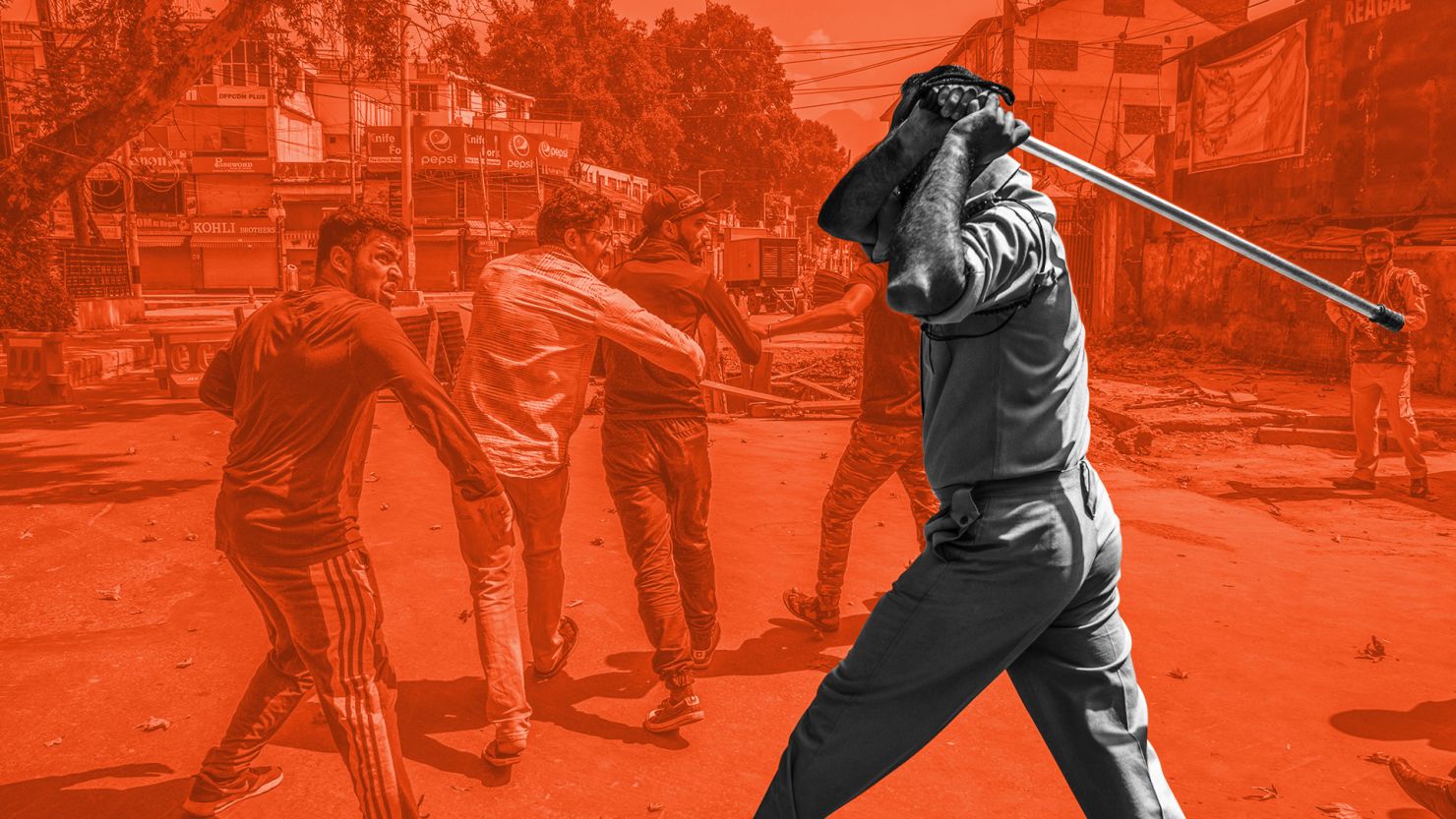
The incident in Hassan has reignited conversations about public trust in law enforcement. Residents expressed concern that a single case of misconduct can overshadow the efforts of honest officers and erode confidence in the police. Experts emphasise that perceived misuse of authority often discourages citizens from reporting crimes or cooperating with investigations, which can have long-term consequences for law and order. Restoring trust requires not only action against the accused but systemic reforms to ensure ethical behaviour across the force.
Community members highlighted the psychological toll on the victim and his family, noting that fear of reprisal may prevent others from coming forward in similar situations. Activists have called for enhanced protective mechanisms for complainants against abuse by officials. They also stressed the importance of awareness campaigns to inform citizens of their rights when dealing with police personnel, particularly in sensitive matters like financial disputes or property disagreements.
Political leaders have weighed in, urging both accountability and a measured response. While some have condemned the inspector’s actions outright, others have called for patience until the inquiry is complete. This dual message seeks to balance the demand for justice with procedural fairness, ensuring that departmental investigations are not overshadowed by public outrage or political pressure.
The case also raises questions about internal oversight within police departments. Analysts suggest that regular audits of conduct, strict monitoring of officer behaviour, and transparent disciplinary mechanisms could prevent recurrence. Departments in other districts have reportedly started reviewing grievance handling procedures to identify gaps and implement proactive measures.
Legal practitioners note that successful prosecution of a serving officer sends a strong signal to other officials, reinforcing the principle that power must never be abused. They highlight that beyond disciplinary action, ethical training, accountability workshops, and continuous professional development can instil a culture of integrity within law enforcement agencies.
For the residents of Hassan, the incident is a stark reminder of the vulnerability citizens face when power is misused. While the ongoing investigation offers hope for justice, it also underscores the need for vigilance, awareness, and systemic safeguards to ensure that trust between the public and police is not compromised again.
Follow: Karnataka Government
Also read: Home | Channel 6 Network – Latest News, Breaking Updates: Politics, Business, Tech & More
