
With public safety at large sporting venues under renewed scrutiny, Karnataka Home Minister has convened a high-level meeting on February 11 to review the progress of safety measures implemented by the Karnataka State Cricket Association at Bengaluru’s M. Chinnaswamy Stadium. The meeting assumes significance amid rising concerns over crowd management, emergency preparedness, and infrastructure readiness at one of the country’s busiest cricket venues, which regularly hosts high-profile international and domestic matches attracting tens of thousands of spectators.
The proposed review meeting gains significance in the backdrop of repeated concerns raised by civil society groups, sports enthusiasts, and former players about crowd management and emergency preparedness at the stadium. With Chinnaswamy hosting high-profile cricket matches, IPL fixtures, and international games, footfall during events often crosses safe limits, putting pressure on existing infrastructure. Past incidents involving stampede-like situations, traffic congestion, and delayed emergency response have intensified calls for stricter safety audits and accountability from stadium authorities.
Officials familiar with the matter said the Home Minister is expected to seek a detailed compliance report from the Karnataka State Cricket Association on the implementation of safety recommendations issued earlier by police and disaster management authorities. These include installation of additional CCTV cameras, improved lighting in concourse areas, clearly marked emergency exits, and deployment of trained security personnel during major events. The meeting is also likely to examine whether private security arrangements meet mandated standards.
Sources added that the police department has flagged gaps in coordination between event organisers, KSCA officials, and city traffic police during match days. In several instances, traffic diversions were announced late, leading to chaos for commuters and emergency vehicles alike. The Home Minister is expected to stress the need for real-time coordination and advance planning, particularly during matches scheduled on weekdays or late evenings.
The review is also likely to touch upon structural safety concerns, including the condition of entry gates, staircases, and spectator stands. Officials from the Public Works Department and Fire and Emergency Services are expected to present their findings on fire safety compliance, evacuation drills, and accessibility for ambulances and fire tenders. Any lapses, officials said, could invite stringent directions or penalties against the stadium management.
The meeting comes at a time when the State government is under increased pressure to ensure public safety at large gatherings, following a series of incidents across Karnataka involving overcrowding at public events. By calling for a high-level review, the Home Minister is signalling that safety lapses at iconic venues like Chinnaswamy will not be treated lightly. The outcome of the meeting is expected to shape future protocols for sporting events across the State.
According to officials familiar with the development, the meeting will assess whether the KSCA has complied with the safety directives issued earlier by the State government and law enforcement agencies. These include measures related to structural safety, fire preparedness, entry and exit management, surveillance systems, and coordination with police and emergency services. The Home Minister is expected to seek detailed updates on both completed actions and pending works, with a focus on timelines and accountability.
Chinnaswamy Stadium occupies a sensitive location in the heart of Bengaluru, surrounded by major roads, commercial establishments, and public spaces. Its central location, while convenient for spectators, poses complex challenges for traffic regulation, crowd dispersal, and emergency response. Any lapse in safety protocols, officials warn, could have serious consequences not only within the stadium but also in the surrounding areas.
Sources indicate that the review meeting was called following internal assessments and public concerns raised over safety preparedness during large-scale events. While the KSCA has repeatedly stated that it adheres to prescribed norms, the Home Department has sought a comprehensive, ground-level evaluation to ensure that safety measures are not merely on paper but effectively operational.
Senior police officials, representatives from the fire and emergency services, disaster management authorities, and KSCA office-bearers are expected to attend the meeting. The Home Minister is likely to emphasise inter-agency coordination, stating that stadium safety cannot be treated as the responsibility of a single organisation but must involve seamless cooperation between multiple departments.
For the State government, the meeting is also an exercise in reassurance. Sporting events are major public gatherings that reflect the city’s capacity to host global events safely. Any perception of inadequate preparedness could undermine public confidence and Bengaluru’s reputation as a sporting hub.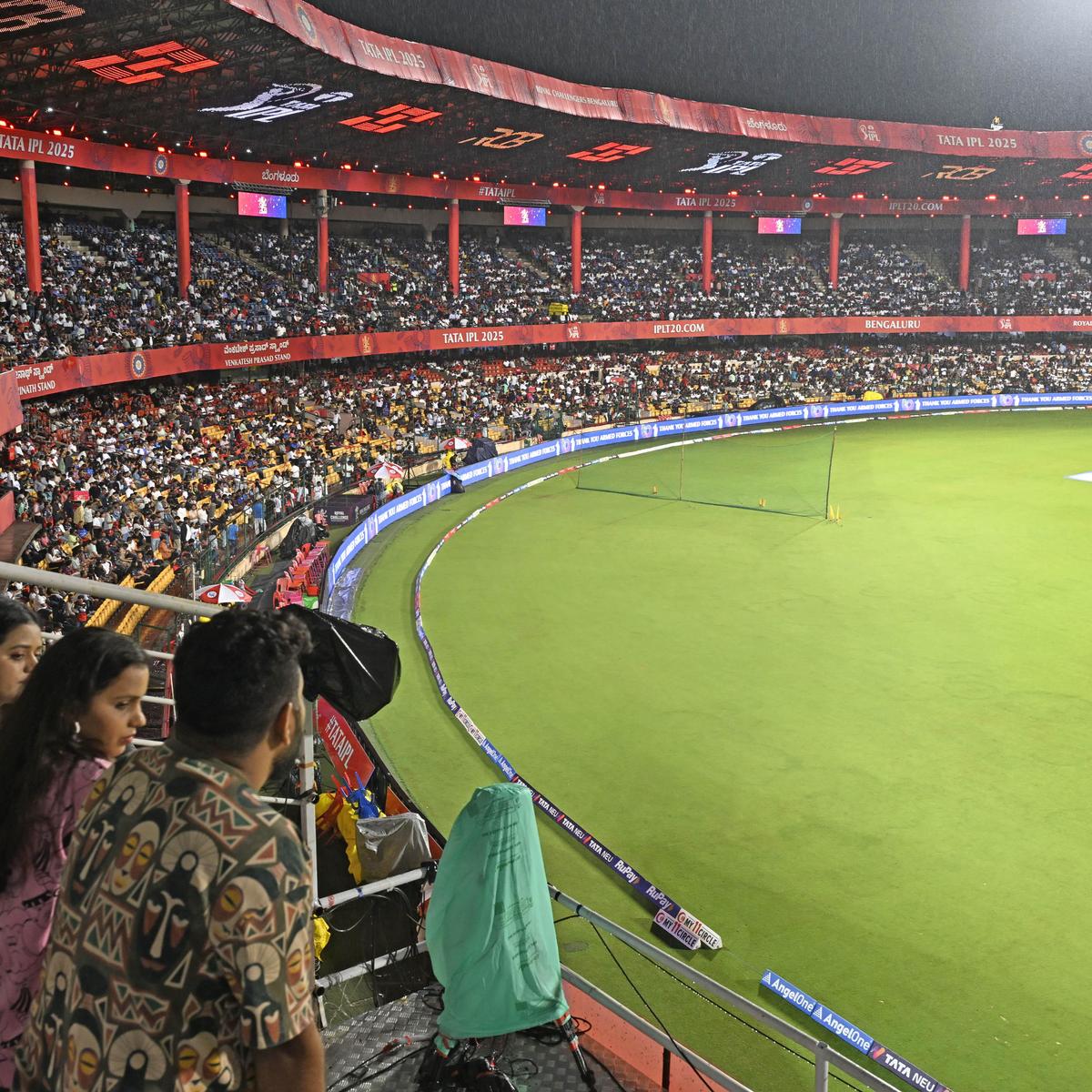
Crowd Control, Infrastructure, and Emergency Readiness Under Lens
At the core of the review will be crowd management strategies, particularly during peak entry and exit times. Past experiences have shown that congestion at gates and surrounding roads can escalate quickly if not managed efficiently. Officials are expected to examine whether adequate barricading, signage, queue management systems, and trained personnel are in place to prevent stampede-like situations.
Fire safety is another major area of focus. Authorities will review the availability and functioning of fire-fighting equipment, evacuation routes, and compliance with fire department norms. Given the age of certain sections of the stadium, ensuring that electrical systems and structural components meet safety standards is critical. Fire officials are likely to present their findings and recommendations during the meeting.
Surveillance and monitoring mechanisms will also come under scrutiny. The Home Department is expected to assess the coverage and functionality of CCTV cameras within and around the stadium, integration with city police control rooms, and real-time monitoring capabilities. Officials believe that effective surveillance not only helps in responding to emergencies but also acts as a deterrent against unlawful activities.
Medical preparedness is another key component of stadium safety. The review is likely to include an assessment of first-aid facilities, availability of ambulances, and coordination with nearby hospitals. During high-attendance events, medical emergencies ranging from dehydration to cardiac incidents are not uncommon, making on-site preparedness essential.
KSCA representatives are expected to present updates on improvements made following earlier advisories. These may include upgrades to entry gates, reinforcement of barriers, improved lighting in concourse areas, and enhanced communication systems. The association has, in the past, stated that it is committed to spectator safety and regularly reviews its arrangements in consultation with authorities.
However, officials indicate that the Home Minister is keen on moving beyond assurances. The emphasis, they say, will be on demonstrable compliance and clear responsibility. Any gaps identified during the review could lead to fresh directives with strict deadlines, and possibly warnings of consequences if safety norms are not adhered to.
Urban planners and safety experts note that stadium safety must evolve with changing crowd behaviour and threat perceptions. What was considered adequate a decade ago may no longer suffice in an era of higher footfalls, heightened security risks, and increased public expectations.
Governance, Accountability, and Public Confidence
The February 11 meeting reflects a broader push by the State government to assert oversight over public safety at large venues. Legal experts point out that while associations like KSCA manage stadium operations, the ultimate responsibility for public safety rests with the State. Periodic reviews and inspections, they argue, are essential to prevent complacency.
Public reactions to the announcement of the meeting have been mixed. Many citizens have welcomed the proactive review, saying it is better to address safety concerns before incidents occur. Others have questioned why such reviews are not conducted more regularly, especially ahead of major tournaments and international fixtures.
Opposition leaders have also weighed in, urging the government to ensure transparency in the review process. They have called for the findings of safety audits to be made public, arguing that spectators have a right to know whether venues they visit meet safety standards. The government, however, maintains that sensitive security details cannot be disclosed but assures that corrective action will be taken wherever necessary.
For KSCA, the meeting is both a test and an opportunity. A positive assessment could reinforce its credibility as a responsible sporting body, while adverse observations could invite criticism and stricter regulation. Insiders say the association is keen to demonstrate compliance and avoid any perception of negligence.
Police officials stress that safety at stadiums like Chinnaswamy is not limited to match days. Preparations often begin days in advance, involving traffic diversions, deployment of personnel, and coordination with civic agencies. The review meeting is expected to address whether these preparatory processes are streamlined and responsive to real-time challenges.
The Home Minister’s involvement signals the political importance attached to the issue. In a city that prides itself on hosting international events, lapses in safety can quickly become political flashpoints. By personally reviewing the progress of safety measures, the Minister is sending a message that accountability will be enforced at the highest levels.
In the larger context, the meeting also reflects changing expectations of governance. Citizens increasingly demand preventive action rather than reactive responses. Reviews like this, if followed by concrete improvements, can help rebuild trust in institutions responsible for managing public spaces.
As Bengaluru continues to host major sporting events, concerts, and public gatherings, the lessons from the Chinnaswamy stadium review could have wider implications. Officials hint that similar assessments may be extended to other large venues across the State.
In conclusion, the February 11 review meeting is more than a routine administrative exercise. It represents a renewed focus on safety, coordination, and accountability at one of Bengaluru’s most iconic public venues. Whether it leads to lasting improvements will depend on the seriousness of the review and the willingness of all stakeholders to prioritise public safety over convenience. For spectators, the hope is simple: that the thrill of sport is never overshadowed by preventable risks.
Follow: Karnataka Government
Also read: Home | Channel 6 Network – Latest News, Breaking Updates: Politics, Business, Tech & More
