
The Kidwai Memorial Institute of Oncology (KMIO) in Bengaluru has announced plans to establish a dedicated 50-bed hospice for terminally ill cancer patients, a move hailed by healthcare professionals and patient advocacy groups. The initiative aims to provide specialised palliative care, comfort, and emotional support to patients in the advanced stages of cancer, ensuring dignity and quality of life in their final days. The project reflects the institute’s commitment to holistic oncology care that extends beyond treatment to compassionate end-of-life support.
Authorities emphasised that the hospice will operate on a patient-centric model, where care plans are individually tailored according to medical needs, personal preferences, and cultural sensitivities. Each patient will have a dedicated care team responsible for monitoring progress, managing pain, and providing emotional and spiritual support. This model ensures that patients are treated holistically rather than just medically.
The hospice will include specialised units for pain management, symptom control, and psychological counselling. Medical staff will be trained to use advanced techniques in palliative care, including opioid management, non-pharmacological therapies, and comfort-oriented interventions. The goal is to alleviate suffering while maintaining dignity and respect for the patient’s choices.
Education and training will be a core component of the hospice. KMIO plans to collaborate with national and international palliative care institutions to develop training modules for doctors, nurses, and volunteers. These programs will focus on best practices, ethical care, and handling complex cases, helping create a skilled workforce in end-of-life care.
The institute is also exploring the integration of technology to enhance patient monitoring and communication. Digital health records, remote consultations, and tele-counselling services will allow patients to receive timely guidance and support even after leaving the hospice. Families will also have access to these platforms to stay informed and engaged in care decisions.
Community participation will play a significant role in the hospice’s operations. Volunteers from NGOs, student groups, and local communities will be trained to provide companionship, assist with daily activities, and organise recreational and therapeutic programs. Such involvement is expected to create a supportive environment and help patients feel less isolated.
Financial sustainability of the hospice is also being considered. The institute plans to offer subsidised care for economically disadvantaged patients, ensuring that quality palliative services are accessible to all. Funding will be sourced from government grants, philanthropic contributions, and corporate social responsibility initiatives, with transparency and accountability maintained in all operations.
Healthcare policymakers have welcomed the initiative, noting that dedicated hospices fill a critical gap in the healthcare continuum. With increasing cancer prevalence in India, terminal care services are in high demand, and the establishment of such facilities can reduce strain on hospitals while improving patient outcomes and satisfaction.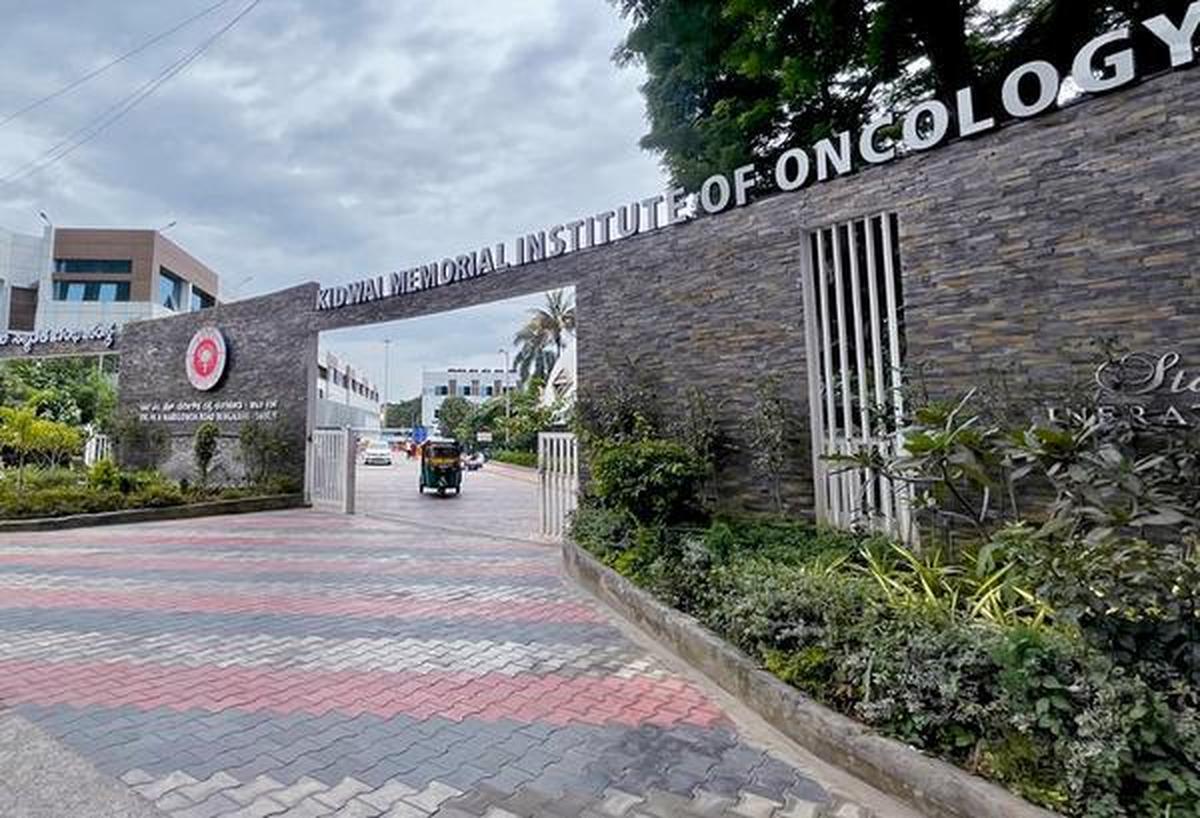
Experts also highlighted the importance of awareness campaigns alongside the hospice. Many families are unaware of the benefits of palliative care or reluctant to seek hospice services due to misconceptions. Kidwai Institute plans to conduct seminars, workshops, and media outreach programs to educate the public on the role and value of hospice care.
The hospice is expected to offer spiritual and cultural support as part of its holistic approach. Meditation rooms, prayer spaces, and culturally sensitive counselling sessions will cater to patients’ diverse backgrounds, promoting peace, acceptance, and comfort in the final stages of life. Staff will be trained to respect and integrate individual beliefs into care plans.
Finally, Kidwai authorities emphasised that the 50-bed hospice is just the first phase of a broader vision to strengthen palliative care in Karnataka. Plans for expansion include additional beds, community-based home care services, and collaboration with other hospitals to develop a state-wide network of palliative facilities. The initiative is set to serve as a model for compassionate end-of-life care across the country, ensuring that terminally ill patients receive dignity, comfort, and support in their final journey.
The proposed hospice will cater to patients who require continuous medical supervision, pain management, and psychological counselling. Authorities emphasised that the facility is intended not only for inpatients but also for family members who need guidance and respite while caring for their loved ones. The hospice will include private rooms, communal spaces, counselling centres, and areas for spiritual care, aiming to create a supportive environment tailored to patient and family needs.
Healthcare experts have stressed the importance of palliative care for terminally ill cancer patients. According to studies, timely access to hospice facilities can significantly improve patients’ physical comfort, mental well-being, and overall quality of life. Kidwai Institute officials highlighted that while Bengaluru has advanced cancer treatment facilities, access to dedicated end-of-life care remains limited, making this initiative a critical addition to the city’s healthcare infrastructure.
Focus on Holistic Palliative Care
The hospice will provide comprehensive palliative services, including pain relief, symptom management, nutrition guidance, and physiotherapy. Specialised medical teams comprising oncologists, nurses, psychologists, and social workers will work together to ensure a multidimensional approach to care. The initiative also aims to address emotional and spiritual needs through counselling sessions, meditation spaces, and community engagement programs.
Authorities at KMIO emphasised that the hospice will adhere to global standards of palliative care. Training programs for medical staff will ensure the application of evidence-based protocols for managing pain, preventing complications, and providing psychosocial support. By combining clinical expertise with compassionate care, the hospice aims to set a benchmark for end-of-life services in Karnataka and beyond.
In addition to patient care, the hospice will provide guidance and counselling for caregivers and family members. Staff will offer training on basic care techniques, emotional support, and coping strategies to help families navigate the challenges of caring for terminally ill loved ones. Social workers will assist in connecting families with community resources and financial support programs to ease the burden of prolonged caregiving.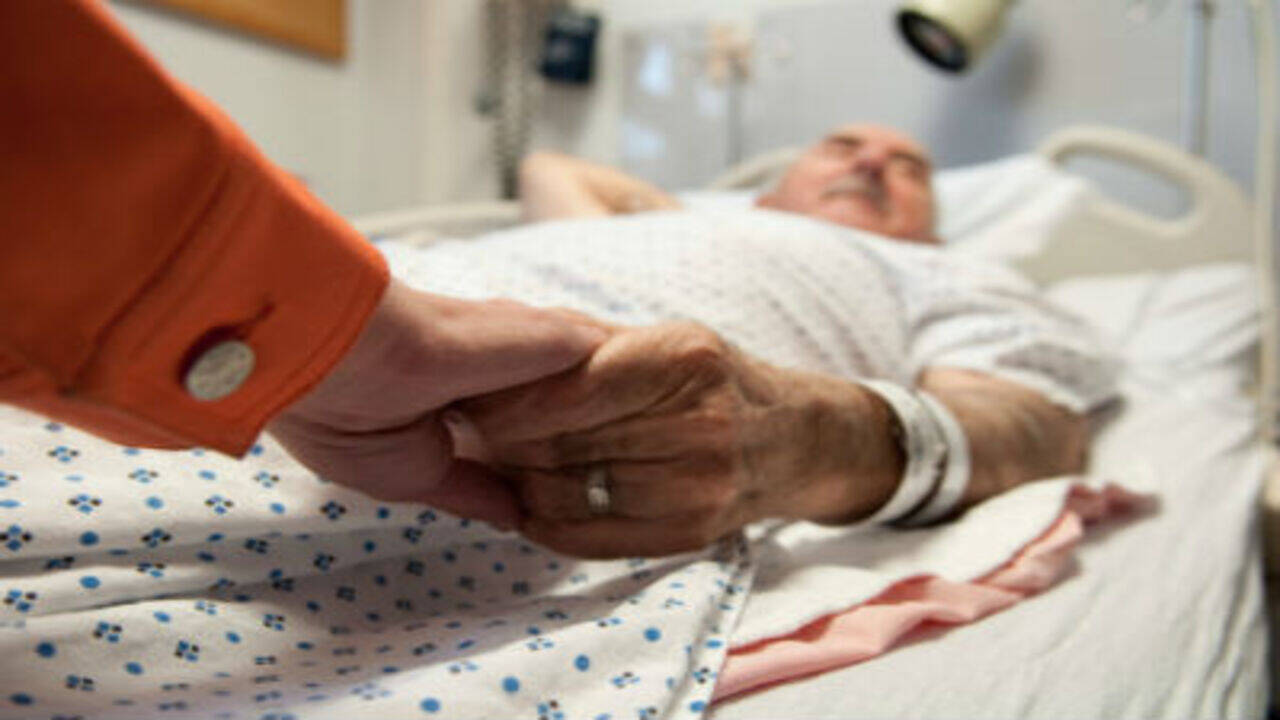
The institute is also planning community outreach programs to educate families about palliative care and the importance of hospice support. Awareness campaigns will focus on alleviating myths and stigma surrounding end-of-life care, highlighting its role in providing dignity, comfort, and relief from suffering. Authorities believe that informed families can better support patients while making well-informed healthcare decisions.
Bridging Gaps in Cancer Care
Currently, many cancer patients in Bengaluru face challenges in accessing specialised end-of-life care, often resulting in prolonged hospital stays or inadequate home care. The new hospice seeks to bridge this gap by providing a safe and supportive environment for patients whose conditions require expert supervision. The 50-bed capacity is expected to relieve pressure on hospital wards, allowing acute care units to focus on active treatment while terminally ill patients receive targeted palliative services.
Kidwai Institute officials noted that the hospice is part of a broader strategy to strengthen the continuum of cancer care. Alongside treatment, follow-up, and rehabilitation services, the facility will serve as a crucial link in ensuring that patients receive comprehensive support at every stage of their illness. Officials also highlighted plans to collaborate with NGOs, volunteers, and community organisations to extend outreach and improve patient care.
Medical professionals have lauded the initiative as a much-needed intervention. Dr. Raghavendra, a senior oncologist at KMIO, stated, “While curing cancer remains our priority, providing relief and dignity to patients who are terminally ill is equally important. A dedicated hospice will ensure patients receive professional care, emotional support, and a peaceful environment during their final days.”
Supporting Families and Caregivers
In addition to patient care, the hospice will provide guidance and counselling for caregivers and family members. Staff will offer training on basic care techniques, emotional support, and coping strategies to help families navigate the challenges of caring for terminally ill loved ones. Social workers will assist in connecting families with community resources and financial support programs to ease the burden of prolonged caregiving.
The facility will also host support groups and educational sessions for patients and families, fostering a sense of community and shared understanding. These initiatives are designed to alleviate isolation, promote mental well-being, and encourage peer learning about coping mechanisms and end-of-life care options.
Kidwai authorities have indicated that the project is in the advanced planning stages, with construction and staffing expected to begin shortly. The institute is working closely with architects, medical consultants, and palliative care experts to ensure that the design and operations meet both clinical and emotional care standards. Officials aim to open the hospice within the next 18 to 24 months, subject to regulatory approvals and resource mobilisation.
By establishing a dedicated hospice, the Kidwai Institute hopes to set a precedent for end-of-life care in India. The project reflects a growing recognition of the importance of palliative services as an integral part of healthcare, highlighting that compassionate care and quality of life are as essential as curative treatments. The initiative is expected to benefit not only patients and their families but also the broader healthcare ecosystem by promoting best practices in terminal care.
The Kidwai Memorial Institute of Oncology (KMIO) in Bengaluru has announced plans to establish a dedicated 50-bed hospice for terminally ill cancer patients, a move hailed by healthcare professionals and patient advocacy groups. The initiative aims to provide specialised palliative care, comfort, and emotional support to patients in the advanced stages of cancer, ensuring dignity and quality of life in their final days. The project reflects the institute’s commitment to holistic oncology care that extends beyond treatment to compassionate end-of-life support.
Follow: Karnataka Government
Also read: Home | Channel 6 Network – Latest News, Breaking Updates: Politics, Business, Tech & More
