
The Karnataka government has announced the release of water from the Bhadra reservoir for summer cultivation starting January 3, bringing much-needed relief to farmers across the command areas dependent on the project. The decision follows sustained demands from farmer groups and careful assessment of reservoir storage levels, rainfall patterns, and drinking water requirements. Officials said the move aims to support standing crops, prevent agricultural distress, and stabilise rural livelihoods during the critical summer season.
Officials noted that weather forecasts for the coming weeks have also influenced the decision to permit summer cultivation. While no significant rainfall is expected, temperatures are likely to rise steadily, increasing evaporation losses from both the reservoir and canals. Authorities said this makes disciplined water use even more critical, and field staff have been instructed to regulate releases strictly according to the approved schedule.
Agriculture department officials have begun advising farmers on crop planning and input management to maximise yields under limited irrigation conditions. Extension officers are encouraging the use of short-duration crop varieties that can mature within the assured water supply period, reducing the risk of crop stress if releases are curtailed later in the season.
There is also renewed emphasis on preventing conflicts between farmers along the canal network. In previous years, disputes over water sharing escalated during peak summer, occasionally requiring police intervention. This year, district administrations have been asked to proactively engage village leaders and water user associations to resolve grievances locally and prevent escalation.
Officials said the irrigation department will deploy additional staff at vulnerable canal stretches to prevent unauthorised pumping and breach of bunds. Surprise inspections and night patrols are planned to ensure that water reaches designated areas without illegal diversion, particularly in head-reach zones where misuse has been reported earlier.
Farmers in tail-end villages said they remain cautiously optimistic but stressed that timely flow, not just announcement of release, will determine success. Several cultivators recalled past instances where water arrived too late to support sowing, leading to partial crop failure. Authorities have assured that real-time adjustments will be made to address such concerns.
Economists observed that successful summer cultivation under the Bhadra project could have a stabilising effect on local markets by ensuring steady supply of vegetables, pulses, and fodder. This, in turn, could help moderate price volatility and support livestock-dependent households during the lean summer months.
Senior officials reiterated that public cooperation will play a decisive role in the outcome of the summer irrigation programme. They appealed to farmers to view water as a shared resource rather than an individual entitlement, stressing that equitable distribution and restraint are essential to safeguarding both current crops and future water security.
Authorities clarified that the water release has been planned after balancing competing needs such as drinking water supply, industrial use, and ecological flow requirements. The irrigation department has assured that water distribution will be closely monitored to ensure equitable access across tail-end and head-reach areas. Farmers have been urged to use water judiciously and adhere to the prescribed cropping patterns to maximise benefits during the limited release period.
RELIEF AFTER MONTHS OF UNCERTAINTY
For several months, uncertainty loomed over summer cultivation in the Bhadra command area due to concerns over reservoir levels and erratic rainfall. Farmers had delayed sowing decisions, fearing water shortages during critical crop growth stages. The announcement of water release has restored confidence among cultivators, many of whom depend entirely on canal irrigation for their livelihoods.
Officials said reservoir storage, though not abundant, was found sufficient to support controlled summer irrigation if managed carefully. Technical teams conducted multiple reviews before recommending the release, factoring in inflows, evaporation rates, and projected demand. Authorities stressed that the decision reflects a cautious yet farmer-centric approach aimed at avoiding crop losses while ensuring long-term water security.
Farmer leaders welcomed the announcement but urged the government to remain vigilant during implementation. They highlighted past instances where uneven distribution left tail-end farmers struggling despite official releases. In response, officials assured strict monitoring of canal flows and field-level supervision to prevent misuse and illegal diversion of water.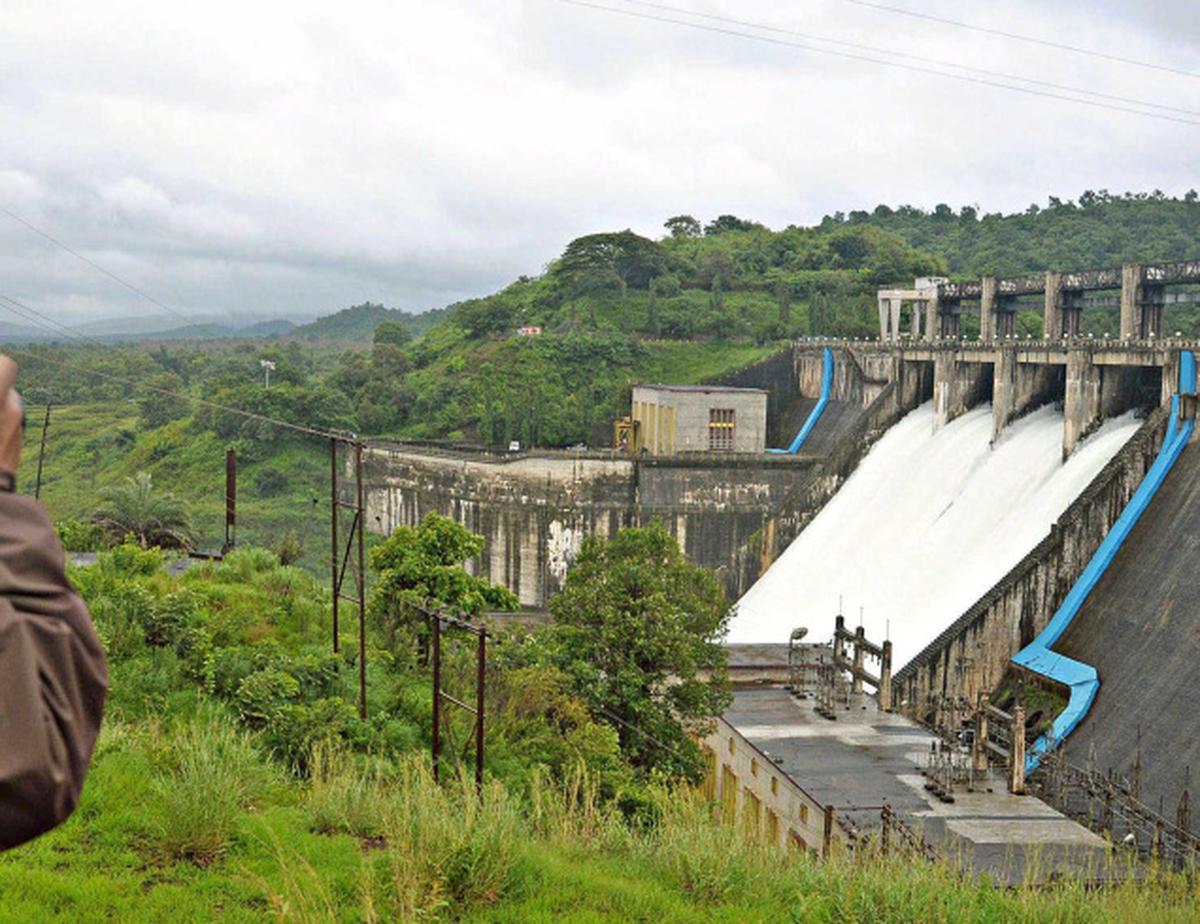
DISTRIBUTION PLAN AND CROPPING GUIDELINES
The irrigation department has issued detailed guidelines for summer cultivation, specifying crop types, acreage limits, and water usage norms. Priority has been given to less water-intensive crops to reduce stress on the reservoir. Farmers have been advised to avoid high water-consuming crops and to adopt efficient irrigation practices wherever possible.
Authorities said canal schedules have been prepared to ensure rotational supply, allowing all regions within the command area to benefit. Special attention will be given to tail-end villages, which often face delayed or inadequate supply. Field engineers have been directed to remain stationed at critical points to oversee flow regulation and address grievances promptly.
Officials also emphasised the role of water user associations in managing distribution at the local level. These groups will assist in resolving disputes, ensuring compliance with schedules, and promoting collective responsibility among farmers. The government believes that community participation is key to preventing conflicts and ensuring optimal utilisation of available water.
IMPACT ON FARMERS AND RURAL ECONOMY
The release of Bhadra waters is expected to provide significant relief to thousands of farming families across Shivamogga, Chikkamagaluru, and Davanagere districts. Summer cultivation plays a crucial role in sustaining incomes between major agricultural seasons, particularly for small and marginal farmers.
Economists noted that assured irrigation during summer helps stabilise rural economies by generating employment, sustaining allied activities, and preventing migration to urban areas. Crops grown during this period also contribute to local food supply, helping control price fluctuations in regional markets.
Farmers expressed cautious optimism, stating that timely water availability could help recover losses incurred during previous seasons affected by erratic rainfall. Many cultivators said they plan to adopt conservative cropping strategies to minimise risk and ensure that crops can be sustained with the available water.
CONCERNS OVER WATER MANAGEMENT
Despite the positive response, concerns remain over effective water management and enforcement of guidelines. Environmentalists warned that overuse or mismanagement could deplete reservoir levels, affecting drinking water supply during peak summer months. They urged authorities to prioritise transparency and real-time monitoring.
Officials acknowledged these concerns and said contingency plans are in place to respond to changing conditions. Reservoir levels will be reviewed periodically, and releases may be adjusted if inflows fall short or demand exceeds projections. Authorities stressed that flexibility and responsiveness will be critical to navigating the summer months.
The government also reiterated its commitment to long-term water conservation measures, including desilting, catchment area treatment, and promotion of micro-irrigation. Officials said such efforts are essential to reduce dependence on emergency decisions and ensure sustainable water availability in the future.
POLITICAL AND ADMINISTRATIVE RESPONSE
The decision to release Bhadra waters has drawn reactions across the political spectrum. Ruling party leaders described it as a farmer-friendly move reflecting sensitivity to rural needs. Opposition leaders, while welcoming the relief, called for greater accountability and long-term planning to prevent recurring crises.
Administrators highlighted the complexity of balancing agricultural demands with drinking water priorities, especially in years of uneven rainfall. They said the decision underscores the importance of data-driven governance and stakeholder consultation in managing shared natural resources.
District administrations have been instructed to coordinate closely with irrigation officials, agriculture departments, and local bodies to ensure smooth implementation. Regular review meetings will be held to assess progress, address complaints, and make necessary adjustments.
LESSONS FROM PAST SEASONS
Officials said lessons learned from previous summer releases have informed the current strategy. Past experiences revealed that lack of coordination and delayed interventions often led to disputes and inefficient usage. This time, authorities aim to adopt a proactive approach with clear communication and strict enforcement.
Farmers have been advised to complete sowing within the stipulated window to avoid extending water demand beyond the planned period. Officials warned that deviations could strain the system and affect equitable distribution.
Experts noted that summer irrigation decisions often highlight broader structural issues in water management, including overdependence on reservoirs and insufficient diversification of water sources. They stressed the need for integrated planning that combines surface water, groundwater, and conservation practices.
LOOKING AHEAD: SUSTAINABILITY AND SECURITY
As Bhadra waters flow into canals from January 3, attention will remain focused on ensuring that the relief translates into tangible benefits for farmers without compromising future needs. Authorities said success will depend on discipline, cooperation, and continuous monitoring at all levels.
The government reiterated that the release is a temporary relief measure, not a substitute for long-term solutions. Investments in water-saving technologies, crop diversification, and watershed management are being prioritised to enhance resilience against climate variability.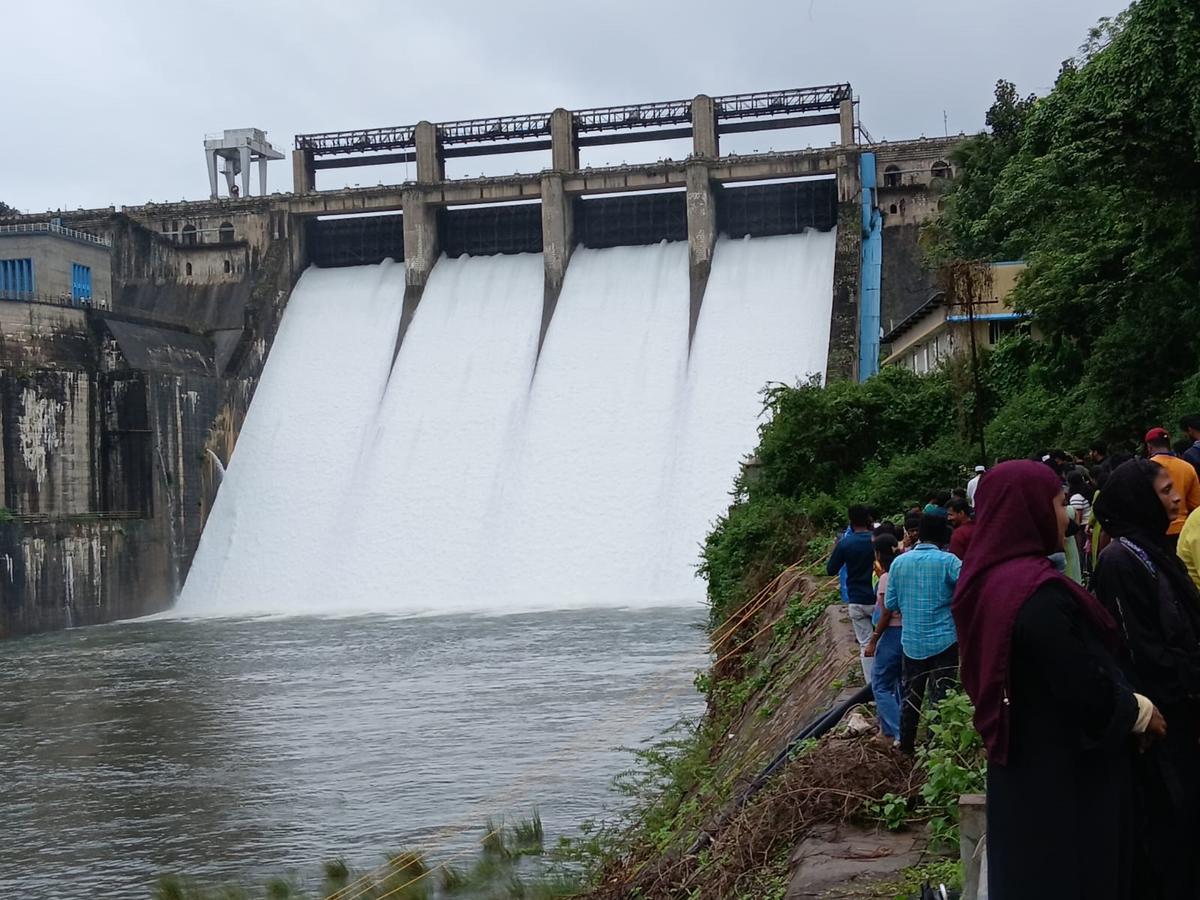
For now, the decision has brought a sense of hope to farming communities preparing for summer cultivation. As fields are readied and canals come alive, the coming weeks will test the effectiveness of planning, cooperation, and governance in managing one of the region’s most vital resources.
The release of Bhadra waters marks a critical moment in the agricultural calendar, offering farmers a chance to sustain livelihoods through the harsh summer months. Whether this opportunity leads to lasting stability will depend on careful management, responsible use, and continued commitment to sustainable water practices across the command area.
Follow: Karnataka Government
Also read: Home | Channel 6 Network – Latest News, Breaking Updates: Politics, Business, Tech & More
