
For decades, Agumbe, the mist-laden rainforest village perched in the Western Ghats of Karnataka, was known as a place beyond reach — geographically remote, ecologically fragile, and digitally disconnected. Often referred to as the “Cherrapunji of the South,” Agumbe’s dense forests, heavy rainfall, and rugged terrain made mobile connectivity nearly impossible. Emergency calls failed, internet access was non-existent, and residents lived with the paradox of being surrounded by rich biodiversity while remaining cut off from the modern world. That reality has now changed, following a carefully planned effort to bring connectivity without compromising ecology.
Agumbe’s transformation from a no-network zone to a connected settlement was not sudden, nor was it easy. The region’s ecological sensitivity meant that conventional infrastructure expansion, such as tall mobile towers or extensive road digging, faced strong resistance from conservationists and forest authorities. At the same time, local residents, healthcare workers, students, and researchers increasingly voiced the need for basic communication facilities, especially during medical emergencies and natural disasters.
The challenge was clear: how to introduce digital connectivity into one of India’s most environmentally sensitive rainforests without damaging what makes Agumbe unique.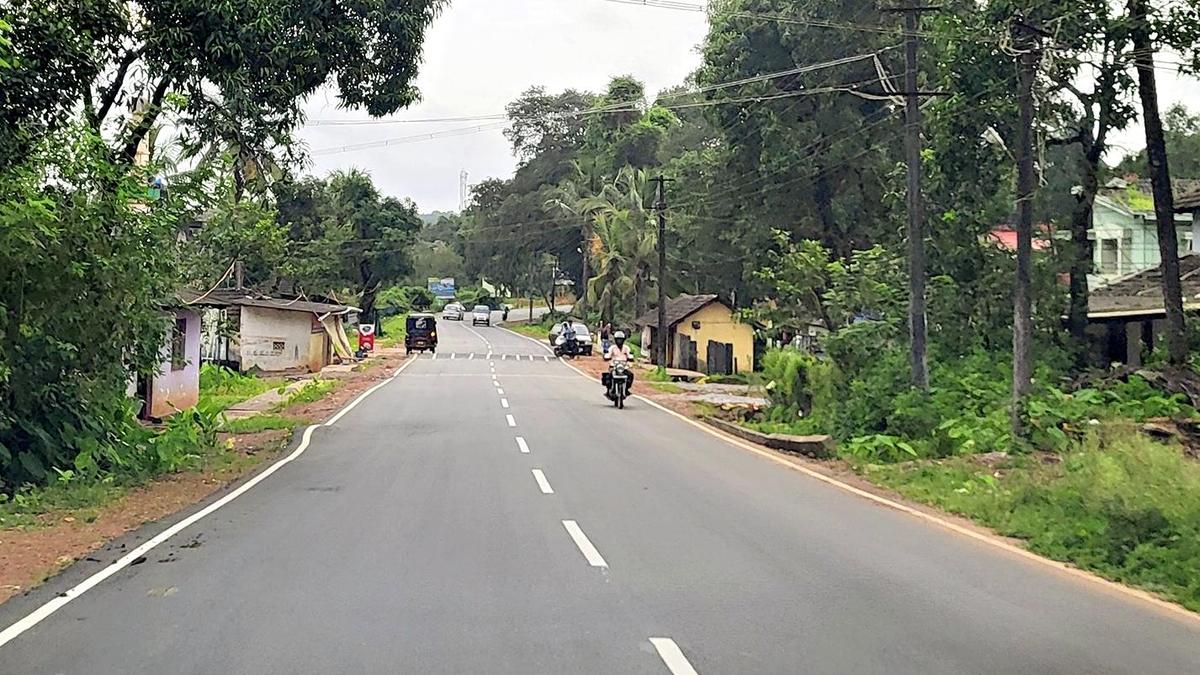
A LONG STRUGGLE BETWEEN CONNECTIVITY AND CONSERVATION
Agumbe lies within the Western Ghats, a globally recognised biodiversity hotspot. Any developmental activity in the region requires multiple layers of environmental clearance. Earlier attempts to install mobile towers were rejected due to concerns about deforestation, visual intrusion, and long-term ecological impact. Environmental groups feared that connectivity could accelerate unregulated tourism and construction, threatening wildlife corridors and fragile ecosystems.
However, residents argued that lack of connectivity posed real risks. During medical emergencies, villagers had to travel long distances to make phone calls. Researchers studying snakes, frogs, and climate patterns struggled to transmit data. Students preparing for competitive exams were disadvantaged, relying on sporadic access in nearby towns. During heavy monsoons, when landslides and road blockages are common, complete communication blackouts made the situation even more dangerous.
Gradually, the narrative shifted from “development versus conservation” to “essential services with ecological responsibility.”
THE TECHNOLOGICAL SOLUTION THAT MADE IT POSSIBLE
The breakthrough came through the use of low-impact telecom infrastructure. Instead of conventional high-rise towers, authorities approved compact, camouflaged installations designed to blend into the forest landscape. Fibre-optic cables were laid using existing pathways to avoid fresh land disturbance, and power requirements were minimised through energy-efficient systems.
Officials involved in the project said every stage required coordination between telecom providers, the forest department, district administration, and environmental experts. Clearances were granted with strict conditions, including limits on radiation levels, regular environmental audits, and restrictions on future expansion.
The rollout was phased and closely monitored. Initial connectivity focused on basic voice services and limited data access, prioritising emergency communication rather than high-speed commercial usage. This cautious approach helped ease fears among conservationists while addressing critical needs of the local population.
WHAT CONNECTIVITY HAS CHANGED ON THE GROUND
For Agumbe’s residents, even basic network coverage has had a transformative impact. Health workers can now coordinate emergencies, consult doctors remotely, and alert authorities during crises. Students access online learning resources, apply for scholarships, and attend virtual classes without leaving the village. Government services, once dependent on physical travel, are now accessible digitally, reducing delays and costs.
Local homestay operators say connectivity has improved safety and coordination rather than triggering uncontrolled tourism. Visitors can communicate responsibly, while authorities monitor inflow more effectively. Researchers studying Agumbe’s famed king cobras and amphibians say real-time data sharing has improved scientific accuracy and response capabilities.
Importantly, connectivity has also strengthened disaster preparedness. During peak monsoon months, officials can issue warnings, track conditions, and maintain contact with isolated households, reducing the risks posed by floods and landslides.
BALANCING MODERN NEEDS WITH ECOLOGICAL LIMITS
Officials emphasise that Agumbe’s connectivity model is not about rapid digital expansion but sustainable inclusion. Internet speeds remain regulated, and infrastructure growth is tightly controlled. The aim, they say, is to ensure dignity, safety, and access — not to turn Agumbe into a commercial hub.
Environmental experts monitoring the project note that connectivity, when implemented thoughtfully, can actually support conservation. Digital tools help track wildlife, report illegal activities, and educate visitors about ecological responsibility. Connectivity has also enabled local voices to participate in policy discussions rather than remain unheard due to isolation.
However, they caution that continued vigilance is essential. Any future upgrades must follow the same principles of minimal intrusion and ecological accountability.
A MODEL FOR REMOTE REGIONS ACROSS INDIA
Agumbe’s journey from digital silence to cautious connectivity is now being cited as a model for other remote and ecologically sensitive regions. It demonstrates that development and conservation need not be mutually exclusive if policy, technology, and community engagement align.
For residents, the change is deeply personal. Connectivity has not altered Agumbe’s misty mornings, rainforest sounds, or slow rhythms of life. It has simply ensured that when help is needed, voices can be heard beyond the forest canopy.
In bridging the digital divide without breaking the ecological balance, Agumbe’s story stands as a quiet but powerful example of how modern infrastructure can adapt to nature — not dominate it.
For decades, Agumbe lived with a paradox. It was globally known for its rainforests, biodiversity, and conservation work, yet remained digitally invisible. Residents accepted the absence of mobile networks as part of life in the Western Ghats, but the reality was far from idyllic. Communication gaps affected education, healthcare, governance, and livelihoods. Students struggled to access online resources, while families depended on unreliable landlines or physical travel to nearby towns. The lack of connectivity reinforced the feeling that development often stops where dense forests begin, leaving communities like Agumbe caught between preservation and progress.
Medical emergencies slowly became the most compelling argument for change. With no reliable mobile signal, even a minor health crisis could turn life threatening. Residents had to rush to higher ground or drive several kilometres just to make a phone call. During monsoons, when landslides and flooding are common, this delay proved dangerous. Healthcare workers repeatedly raised concerns about delayed ambulance services and the inability to consult specialists remotely. These incidents highlighted that connectivity was not a luxury but a critical public service, essential for saving lives in remote and ecologically sensitive regions.
Conservationists initially expressed reservations about bringing network infrastructure into a rainforest zone. Agumbe is home to rare species and is a critical ecological corridor. The fear was that telecom towers would disturb wildlife, invite unchecked tourism, and accelerate unplanned development. Environmental groups insisted that any connectivity plan must prioritise ecological balance. The challenge before policymakers was to design a model that delivered communication access without compromising the fragile ecosystem that Agumbe is celebrated for protecting.
The breakthrough came through sustained dialogue between local residents, forest officials, conservationists, and telecom authorities. Instead of conventional high-impact towers, authorities explored low-intensity, carefully placed infrastructure. Surveys were conducted to ensure minimal tree cutting and no interference with animal movement paths. The forest department played a central role in scrutinising proposals, ensuring that environmental safeguards were non-negotiable. This collaborative approach helped build trust among stakeholders who otherwise stood on opposing sides of the development debate.
Administrative persistence also played a key role in bringing Agumbe online. Multiple proposals had earlier stalled due to regulatory hurdles linked to forest clearance norms. Over time, officials worked to align telecom expansion policies with environmental laws, creating a rare example of inter-departmental coordination. Permissions were granted with strict conditions, including limits on radiation levels, regular environmental audits, and restrictions on future expansion. This cautious approval process reflected a shift in governance thinking, recognising digital access as part of inclusive development even in protected landscapes.
When network connectivity finally arrived, its impact was immediate yet understated. Residents could make calls from their homes for the first time without trekking to hilltops. Emergency services became reachable within minutes. Students gained access to online classes and educational materials, reducing the learning gap between rural and urban areas. Government officials could communicate faster, improving service delivery and grievance redressal. Importantly, connectivity arrived without dramatic visual changes, preserving the landscape that defines Agumbe’s identity.
Tourism, a major source of income for locals, also underwent a subtle transformation. Earlier, visitors struggled with navigation, bookings, and emergency communication. With limited connectivity, responsible tourism operators could coordinate better and promote safety. However, authorities remained cautious, emphasising sustainable tourism practices. Restrictions on infrastructure expansion and commercial exploitation were reinforced to prevent Agumbe from becoming another overdeveloped hill destination. Connectivity was positioned as a support system, not an invitation for unchecked growth.
For conservation research, the network became an unexpected ally. Researchers studying amphibians, reptiles, and climate patterns could now transmit data in real time. Wildlife monitoring, weather alerts, and coordination during rescue operations improved significantly. Conservation groups noted that digital tools enhanced their ability to protect forests rather than weaken them. This outcome challenged the long-held assumption that technology and conservation must always be in conflict, offering a new model for other ecologically sensitive regions.
Despite these gains, concerns continue to be voiced by sections of the community. Residents worry that connectivity could gradually alter Agumbe’s social fabric, attracting speculative interests and increasing land pressure. Forest officials remain vigilant against unauthorised construction and misuse of digital access. Periodic reviews have been built into the system to ensure that connectivity does not become a gateway for environmental violations. The experience has reinforced the need for constant regulation, not one-time approvals.
Agumbe’s journey from a no-network zone to a connected rainforest reflects a larger national challenge. It shows that development does not always have to come at the cost of ecology, provided policies are rooted in dialogue, restraint, and long-term thinking. Connectivity in Agumbe is not about faster internet speeds but about dignity, safety, and inclusion. The village stands as a reminder that even in the most remote corners, access and conservation can coexist when pursued with care and responsibility.
Follow: Karnataka Government
Also read: Home | Channel 6 Network – Latest News, Breaking Updates: Politics, Business, Tech & More
