
The Bengaluru Development Authority completing fifty years was meant to be a moment of celebration, reflection, and pride. Instead, the milestone has triggered uncomfortable introspection, especially among thousands of citizens whose long-cherished dream of owning a BDA site slowly transformed into a saga of waiting, litigation, and disillusionment. What was once envisioned as a transparent, equitable model for urban development has, over decades, become a symbol of bureaucratic inertia and broken trust.
The debate around the BDA’s legacy has also reopened questions about equity in urban land distribution. Bengaluru’s expansion has disproportionately benefited those with access to information, influence, or financial flexibility, while ordinary applicants who relied on statutory processes were left behind. This imbalance has deepened social divides within the city, where legality and affordability increasingly operate at odds. For many, the failure of the BDA site system symbolises how formal mechanisms meant to democratise land ownership have instead widened inequality.
Former officials have often pointed to systemic constraints, arguing that land acquisition in and around Bengaluru has become progressively more complex due to resistance from landowners, rising compensation demands, and legal scrutiny. While these challenges are real, critics counter that they do not fully explain decades-long delays or the absence of contingency planning. The inability to anticipate and adapt to such hurdles, they argue, reflects institutional rigidity rather than unavoidable circumstance.
Younger generations, watching their parents’ experiences, have largely disengaged from the idea of applying for BDA sites. Many prefer private builders despite higher costs, valuing certainty over affordability. This shift represents a quiet but profound loss for public housing institutions, whose relevance depends on public trust. When faith erodes, even well-intentioned reforms struggle to gain traction, leaving authorities trapped in cycles of announcement and scepticism.
The environmental dimension of large-scale layout development has also come under scrutiny. Critics argue that the BDA’s traditional approach contributed to the depletion of lakes, loss of green cover, and increased pressure on infrastructure. As climate concerns grow, the sustainability of past planning models is being questioned. The failure to integrate ecological considerations has added another layer to the perception that the authority has lagged behind contemporary urban challenges.
Ultimately, the story of the BDA site dream is a cautionary tale for cities across India. It underscores how delays, opacity, and unmet promises can hollow out even the most ambitious public institutions. As Bengaluru continues to grow and redefine itself, the lessons of the past fifty years demand attention. Without decisive reform rooted in transparency and empathy, the mistakes that soured one generation’s dream risk becoming a recurring chapter in the city’s future.
For generations of middle-class Bengalureans, a BDA site represented stability and dignity. Applying for a site was an act of faith in public institutions, a belief that patience and legality would be rewarded. Families saved for decades, filling forms, renewing applications, and checking lists with hope. Yet, as the city expanded and land values skyrocketed, the promise of a BDA allotment began to fade, replaced by uncertainty and frustration.
At 50, the BDA stands at a crossroads. While it has played a central role in shaping Bengaluru’s urban form, its site allotment mechanism has drawn sustained criticism. Delays running into decades, repeated scheme announcements without follow-through, and allegations of favouritism have eroded public confidence. The dream of an affordable, legally secure site has turned sour for many, becoming a reminder of how institutions can drift from their founding ideals.
The golden jubilee has thus become less about celebration and more about reckoning. Citizens, activists, and urban planners are questioning whether the BDA has adapted to the realities of a rapidly growing metropolis or remained trapped in outdated frameworks. The story of the BDA site is not merely about land; it is about expectations, governance, and the emotional cost of prolonged uncertainty.
From Planned Growth to Prolonged Waiting
When the BDA was established, its mandate was clear: plan Bengaluru’s growth in an orderly manner and provide affordable housing and sites to citizens. In its early decades, the authority earned goodwill by developing layouts that combined basic infrastructure with legal clarity. For many first-generation homeowners, a BDA site was the foundation upon which entire family futures were built.
Over time, however, the gap between demand and supply widened dramatically. Bengaluru’s population exploded, driven by industrialisation and the IT boom. Land became scarce and expensive, but the BDA’s pace of site development failed to keep up. New layouts were announced sporadically, often delayed by land acquisition hurdles, legal disputes, and administrative bottlenecks.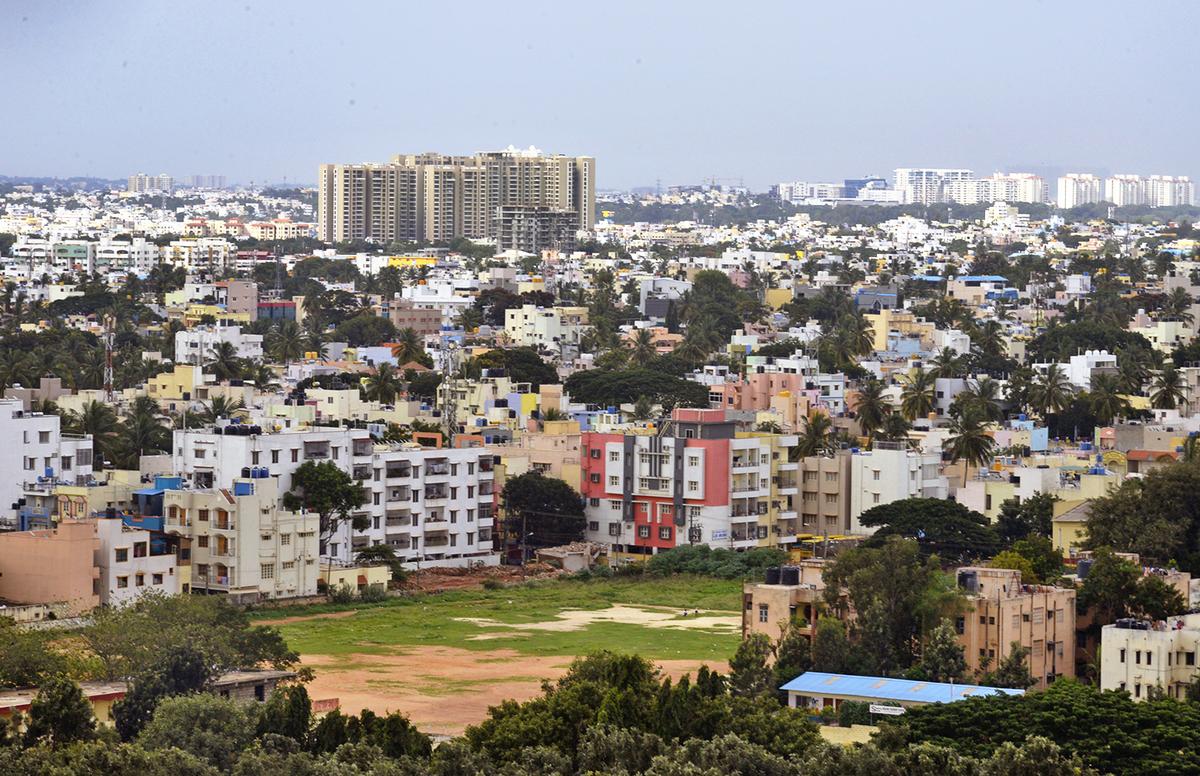
Applicants found themselves trapped in an endless cycle of waiting. Some applied in their twenties and reached retirement without receiving an allotment. Application numbers swelled, but transparency diminished. Lists were published and revised, objections were invited, and yet final allotments remained elusive. For many, the process felt opaque and unpredictable, undermining trust in the institution.
The waiting carried real consequences. Families postponed life decisions, hesitating to invest elsewhere in the hope that a BDA site would materialise. As market prices soared, those who waited lost the chance to buy affordable private land. What began as patience turned into regret, with citizens realising that loyalty to the system had come at a heavy cost.
Compounding the problem were repeated scheme announcements that raised expectations but delivered little. Each new housing or site scheme rekindled hope, only for delays to extinguish it once again. Over time, cynicism replaced optimism, and the BDA site dream became synonymous with disappointment rather than security.
Allegations, Inequity, and a Crisis of Trust
As delays mounted, allegations of irregularities began to surface. Critics pointed to instances where influential individuals appeared to secure sites faster, while ordinary applicants languished for years. Reports of multiple allotments, cancelled sites, and re-allotments added to the perception of unfairness. Whether proven or not, such narratives deepened public mistrust.
Litigation became a constant companion to BDA projects. Land acquisition disputes stalled layouts for years, sometimes decades. Court cases froze development, leaving applicants in limbo. While legal challenges are an inherent part of urban expansion, the lack of contingency planning exacerbated their impact. Citizens bore the brunt of delays they had no role in creating.
The absence of clear communication further alienated applicants. Many complained of unanswered queries, unclear timelines, and sudden policy changes. In an era of digital governance, the persistence of manual processes and fragmented information systems seemed anachronistic. The emotional toll of uncertainty was significant, particularly for elderly applicants who feared they would never see their allotment realised.
The crisis of trust extended beyond individuals to the broader idea of planned urban development. If a statutory authority could not reliably deliver sites, critics asked, what hope was there for inclusive housing in a market-driven city? The failure of the BDA site system became emblematic of governance challenges in rapidly urbanising India.
Urban planners also questioned the relevance of the traditional site allotment model. As cities densify, the focus has shifted globally towards vertical housing and mixed-use development. The BDA’s continued emphasis on large layouts of individual sites, critics argue, reflects an outdated approach ill-suited to contemporary realities.
The Human Cost Behind the Numbers
Behind every application number lies a human story. Retired government clerks, schoolteachers, factory workers, and small traders invested their aspirations in the promise of a BDA site. Many recount years of visiting offices, submitting documents, and tracking announcements, only to be met with silence or shifting goalposts.
For some families, the disappointment turned into financial strain. Money set aside for construction lay idle, losing value over time. Others borrowed funds in anticipation of allotment, only to find themselves servicing loans without assets. The psychological burden of uncertainty weighed heavily, particularly on senior citizens who saw the dream slipping away with age.
The sense of betrayal was often sharper because the promise came from a public authority. Unlike private developers, the BDA was expected to act in the public interest. Its failures therefore felt personal, striking at the idea that the state could be a reliable partner in fulfilling basic aspirations like housing.
Community groups formed to demand accountability, staging protests and filing petitions. Their demands were simple: clarity, fairness, and timelines. While some corrective measures were announced over the years, many felt these were reactive rather than transformative, addressing symptoms rather than systemic flaws.
The emotional dimension of the BDA site story is often overshadowed by policy debates, yet it remains central. Housing is not merely an economic asset; it is tied to identity, security, and belonging. The souring of the BDA dream has thus left scars that extend beyond balance sheets and legal files.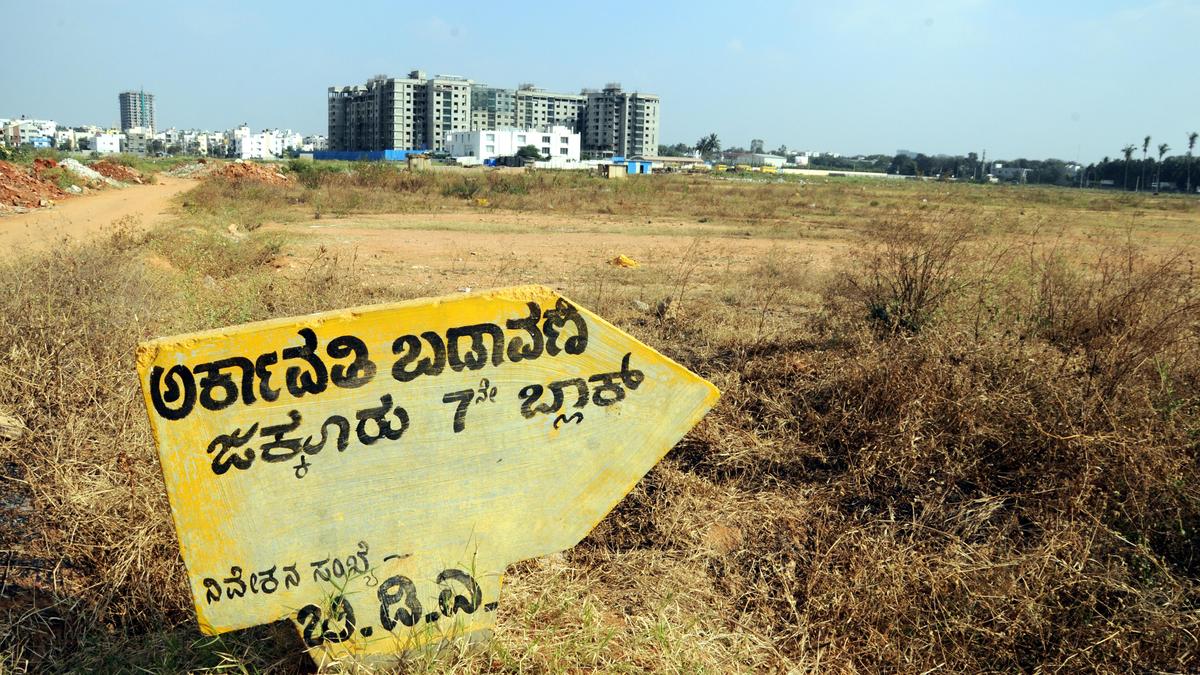
Reform, Rethink, or Repeat the Past
As the BDA marks its fiftieth year, the question is not merely about legacy but about the future. Can the authority reinvent itself to meet Bengaluru’s evolving needs, or will it continue to grapple with the weight of unresolved promises? Many experts argue that incremental tweaks are insufficient; a fundamental rethink is required.
Reforms suggested include greater transparency through real-time digital tracking of applications, fixed timelines for allotment, and clear accountability mechanisms. Others advocate a shift away from individual site allotments towards affordable apartment-based housing, which could accommodate more people with less land.
There is also a call to address the backlog with empathy. Special provisions for senior citizens and long-waiting applicants could offer partial redress, even if full allotments are no longer feasible. Acknowledging past failures openly, critics argue, would be the first step towards rebuilding trust.
The state government’s role is crucial in this transition. Political will, policy clarity, and consistent oversight are essential to prevent the repetition of past mistakes. Without this, the BDA risks becoming an institution remembered more for unfulfilled promises than for planned development.
The golden jubilee thus presents an opportunity as much as a warning. Celebrations ring hollow when thousands feel excluded from the narrative of success. True commemoration would involve confronting uncomfortable truths and committing to change.
At 50, the BDA’s story is inseparable from the hopes it nurtured and the disappointments it caused. The souring of the site dream is not just an administrative failure but an emotional one, reflecting the cost of broken trust. Whether the next chapter restores faith or deepens cynicism will determine how history remembers this milestone—not as a celebration of growth, but as a test of accountability.
Follow: Karnataka Government
Also read: Home | Channel 6 Network – Latest News, Breaking Updates: Politics, Business, Tech & More
