
An iconic single-screen cinema in south Bengaluru, which has entertained generations of moviegoers for more than five decades, now finds itself at the centre of a prolonged land litigation, casting uncertainty over its future. The theatre, long regarded as a cultural landmark rather than just a movie hall, has been a part of the city’s social and cinematic memory since the early 1970s. Its present predicament has triggered concern among film lovers, residents, and heritage enthusiasts who view the dispute as another sign of Bengaluru’s rapidly changing urban and cultural landscape.
For over 50 years, the theatre has served as a gathering space for families, students, and working professionals, offering affordable entertainment and a sense of community that multiplexes rarely replicate. From first-day-first-show celebrations to late-night screenings and festival releases, the single screen has witnessed the evolution of Kannada, Tamil, Telugu, and Hindi cinema. Its wide balconies, familiar ticket counters, and hand-painted posters are etched into the memories of thousands who grew up around it.
The ongoing litigation has also raised questions about the absence of structured archival documentation for cinema halls that have shaped regional film cultures. Historians point out that while films themselves are preserved and studied, the spaces that exhibited them are often ignored in urban records. This gap makes it difficult to argue for preservation on formal grounds, even when public sentiment strongly favours it. The case has therefore renewed calls for documenting and recognising exhibition spaces as part of the city’s cultural infrastructure.
Younger audiences, many of whom grew up during the multiplex era, have also begun to engage with the debate. For them, the single screen represents an experience they are only now discovering, marked by affordability, spontaneity, and community participation. College students and first-time visitors say the theatre offers a sense of authenticity missing from standardised multiplex formats. Their voices have added a new dimension to public discussions, bridging generational divides around cultural preservation.
Local businesses in the surrounding area are closely watching the outcome of the dispute. Small eateries, tea stalls, and vendors who depend on movie crowds fear a downturn if the theatre shuts down or relocates. For decades, the cinema has functioned as an anchor for the neighbourhood’s micro-economy. Its potential disappearance could alter the character of the area, replacing everyday social activity with more exclusive commercial spaces.
Legal observers note that prolonged uncertainty itself can be damaging, regardless of the final verdict. As maintenance is deferred and investments stall, the physical condition of the theatre risks gradual decline. Even if the dispute is eventually resolved in favour of continued operations, reviving the space may require significant resources. This limbo, they argue, underscores the need for time-bound resolution mechanisms in cases involving functioning public spaces.
As the case progresses, the theatre’s story continues to resonate far beyond south Bengaluru. It has become a reference point in broader conversations about urban memory, cultural continuity, and the cost of unchecked development. Whether the curtains rise on a future of renewal or fall on a long-running legacy will depend on decisions made in courtrooms and boardrooms alike. For now, the iconic single screen endures, holding on to its place in the city’s heart while its fate remains undecided.

The land litigation, currently under consideration by the courts, revolves around ownership and redevelopment rights of the property on which the theatre stands. According to sources familiar with the matter, competing claims have been made over the land, with arguments ranging from inheritance disputes to questions over lease agreements executed decades ago. While the legal process unfolds, the uncertainty has affected both the theatre’s operations and its long-term planning.
Employees associated with the cinema say the dispute has created anxiety about job security and continuity. Many staff members have worked at the theatre for decades, building livelihoods around its steady operations. The possibility that the land could be repurposed for commercial development has heightened fears that the single screen may eventually shut down, ending a chapter of Bengaluru’s cultural life.
Residents of south Bengaluru, particularly long-time locals, see the litigation as symptomatic of a broader trend in the city. As land values soar and redevelopment pressures intensify, older institutions are increasingly vulnerable to legal and commercial forces. For them, the theatre’s struggle represents the clash between nostalgia and modern urban economics.
Cinema historians point out that single-screen theatres once played a crucial role in shaping Bengaluru’s film culture. They were not merely exhibition spaces but social hubs where audiences debated films, stars, and politics. The decline of such theatres, accelerated by multiplex expansion and real estate pressures, has already transformed viewing habits. The current dispute, they argue, threatens to erase one of the few surviving links to that era.
Land Dispute, Urban Pressures, and the Legal Maze
The litigation surrounding the theatre has brought attention to the complex nature of land ownership in Bengaluru, where properties established decades ago often lack clear documentation by present-day standards. Legal experts note that many such disputes stem from ambiguities in title deeds, changes in land use regulations, and generational transfers of ownership without formal partition. Resolving these cases can take years, during which the properties remain in limbo.
In this case, the theatre management has maintained that it is operating lawfully while the matter is sub judice. However, uncertainty over redevelopment rights has limited investments in renovation or technological upgrades. Industry observers say that without clarity on ownership, single-screen theatres struggle to compete with modern multiplexes that offer superior infrastructure and amenities.
The dispute also highlights the pressures exerted by Bengaluru’s real estate boom. South Bengaluru, once known for its quieter residential neighbourhoods, has witnessed rapid commercialisation. Land parcels that once housed community spaces are now seen as high-value assets, attracting developers eager to build malls, offices, or high-rise apartments. In such an environment, cultural institutions often find themselves disadvantaged.
Urban planners argue that the city lacks a clear policy framework to protect culturally significant spaces that are privately owned. While heritage conservation laws exist, they rarely extend to cinemas unless they meet strict architectural or historical criteria. As a result, theatres that are culturally important but not officially protected remain vulnerable to redevelopment pressures and legal disputes.
The legal proceedings have also sparked debate over whether courts should consider cultural value alongside property rights. While ownership and legality remain paramount, some experts believe there is scope for mediation that balances commercial interests with preservation. Such approaches, they argue, could prevent the loss of spaces that contribute to a city’s identity.
Meanwhile, moviegoers continue to visit the theatre, albeit with a sense of uncertainty. Regular patrons say that attending screenings now feels like an act of quiet resistance, a way of keeping the space alive while its fate hangs in the balance. Social media discussions and informal campaigns have emerged, with citizens sharing memories and calling for the theatre’s preservation.
Film industry voices have also weighed in, describing the situation as deeply unfortunate. Directors and actors who attended premieres or fan events at the theatre recall it as a place where cinema felt accessible and communal. They worry that the disappearance of such venues narrows the diversity of viewing experiences and distances films from everyday audiences.
Cultural Loss, Public Sentiment, and the Road Ahead
Beyond legal arguments, the theatre’s predicament has reignited conversations about what Bengaluru stands to lose if such spaces disappear. Single-screen cinemas often serve neighbourhoods that may not easily access multiplexes, both geographically and economically. Their closure can limit cultural participation, particularly for lower-income groups and elderly residents who rely on familiar local venues.
Sociologists note that cinemas like this one function as informal public spaces, fostering shared experiences across social classes. The collective laughter, applause, and emotional reactions inside a single screen create a sense of belonging that is difficult to replicate elsewhere. Losing such spaces, they argue, contributes to the fragmentation of urban social life.
There is also concern about the erasure of intangible heritage. While buildings can be replaced, the memories associated with them cannot. For many Bengaluru residents, the theatre is tied to first movie outings, family traditions, and landmark film releases. Its potential closure would represent not just the loss of a structure, but of a shared emotional history.
Some citizen groups have called for dialogue between stakeholders to explore alternatives that could allow the theatre to survive alongside redevelopment. Suggestions include retaining the cinema as part of a mixed-use project or granting it heritage status based on cultural significance. However, such solutions depend on legal outcomes and the willingness of parties to compromise.
Government officials have so far refrained from commenting directly on the dispute, citing its pendency before the courts. Nonetheless, the case has added to demands for clearer policies on protecting cultural spaces amid urban growth. Advocates argue that without proactive measures, more theatres, libraries, and community halls will face similar fates.
For now, the theatre continues to operate under a cloud of uncertainty, its projector lights still flickering even as legal arguments unfold elsewhere. Each screening carries an unspoken question about how long the doors will remain open. Staff, patrons, and cinema lovers hope that the dispute will be resolved in a way that allows the theatre to continue its role in the city’s cultural life.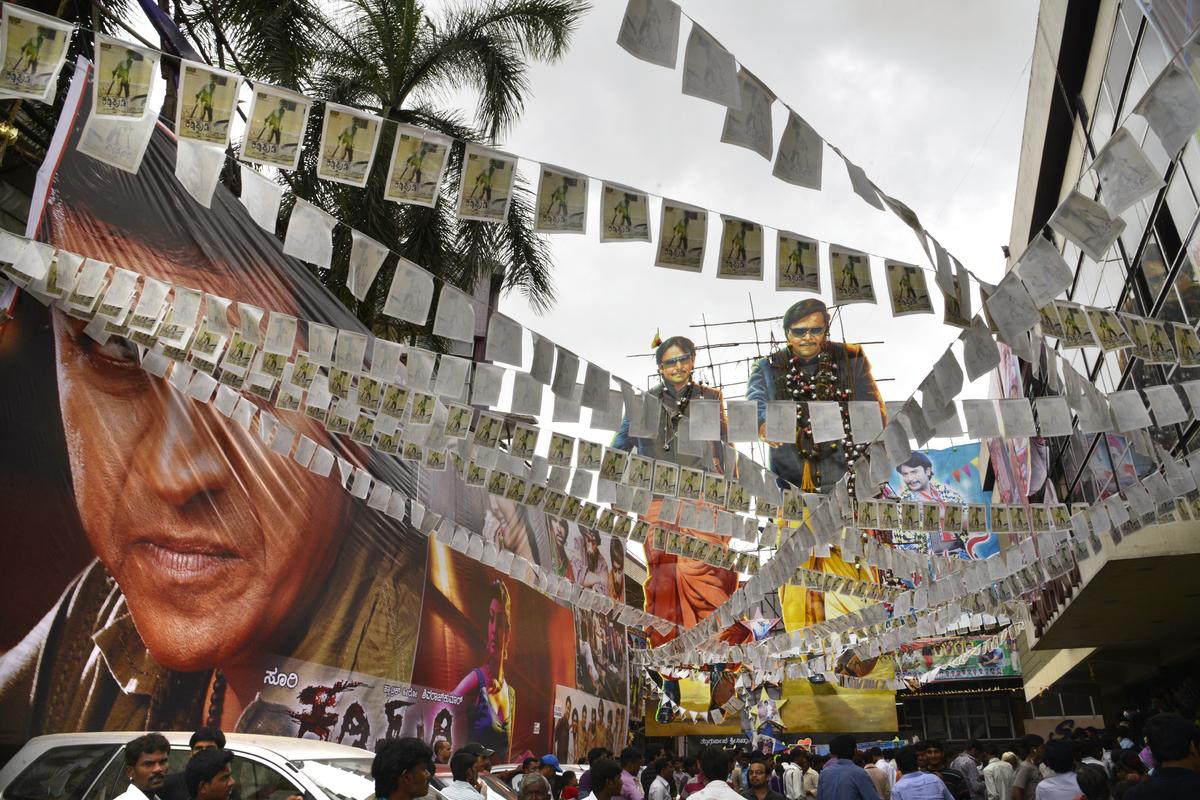
As Bengaluru grapples with balancing development and heritage, the fate of this iconic single screen has come to symbolise a larger dilemma. Whether it emerges from litigation intact or gives way to redevelopment will signal how the city values its cultural past amid relentless change. Until then, the theatre stands as a reminder of an era when cinema was not just consumed, but collectively experienced, cherished, and woven into the rhythm of everyday life.
Follow: Karnataka Government
Also read: Home | Channel 6 Network – Latest News, Breaking Updates: Politics, Business, Tech & More
