
In a significant development in medical research, scientists at the Indian Institute of Science (IISc), Bengaluru, have identified a key protein that could play a crucial role in combating tuberculosis (TB). The discovery, made in collaboration with national and international research institutions, offers new insights into how the TB-causing bacterium Mycobacterium tuberculosis survives within the human body. Experts believe that understanding this protein could pave the way for novel therapeutic approaches, potentially improving treatment efficacy and reducing the duration of TB therapy.
Researchers involved in the study emphasised that the protein’s discovery is a result of meticulous laboratory experiments and advanced computational analyses. By examining how Mycobacterium tuberculosis interacts with host cells, the team identified critical survival pathways regulated by the protein. Inhibiting these pathways in laboratory models led to a significant reduction in bacterial growth, demonstrating the protein’s central role in disease progression. Scientists believe that understanding these molecular mechanisms is essential for developing next-generation therapies that can overcome current drug resistance challenges in tuberculosis treatment.
The IISc team has highlighted the potential of this protein as a therapeutic target for drug-resistant TB strains. With multi-drug-resistant and extensively drug-resistant TB cases on the rise, conventional antibiotics are increasingly ineffective. By focusing on bacterial survival mechanisms rather than conventional pathways, therapies targeting this protein could offer an alternative approach to combat resistant infections. Researchers hope that future drug candidates will be more effective, shorter in duration, and less prone to inducing resistance.
International collaborators in the study praised the interdisciplinary approach taken by IISc researchers. Combining expertise in molecular biology, microbiology, bioinformatics, and immunology allowed the team to uncover both the structural characteristics and functional significance of the protein. This collaborative model demonstrates how pooling global expertise can accelerate scientific discoveries, particularly in tackling complex infectious diseases that remain major public health challenges worldwide.
Beyond therapeutic applications, the discovery may also inform vaccine development. Understanding the protein’s role in immune evasion by the TB bacterium could guide the design of vaccines that elicit stronger, targeted immune responses. Researchers are exploring whether components of the protein can be used to train the immune system to recognise and attack the bacterium more effectively, potentially improving the efficacy of future TB vaccines.
The IISc study has already attracted interest from pharmaceutical companies looking to develop small-molecule inhibitors targeting the protein. Preclinical screening of compounds that can selectively block its activity is underway, with the goal of advancing the most promising candidates into clinical trials. This translational focus underscores the potential for laboratory discoveries to move quickly toward real-world impact in patient care.
Health policy experts note that India, being home to a large number of TB cases, stands to benefit enormously from such research breakthroughs. If therapies targeting this protein prove effective, they could reduce the burden on healthcare systems, lower treatment costs, and improve patient outcomes. Widespread adoption of such treatments could contribute significantly to national and global TB elimination targets set for the coming decade.
The discovery also serves as an inspiration for young scientists and research institutions in India, demonstrating the potential for high-impact research within the country. IISc officials highlighted that sustained investment in infrastructure, training, and collaborative networks is key to producing world-class scientific discoveries. Encouraging young researchers to engage in infectious disease research is seen as vital for India’s continued leadership in biomedical innovation.
Finally, the IISc team reiterated that while the discovery of this protein is a major milestone, translating it into practical therapies will require rigorous testing, preclinical validation, and clinical trials. Patience and sustained support from both government and private sectors will be essential to ensure that this breakthrough benefits TB patients. Nevertheless, the identification of a key protein marks a pivotal step forward, offering renewed hope in the fight against one of the world’s deadliest infectious diseases.
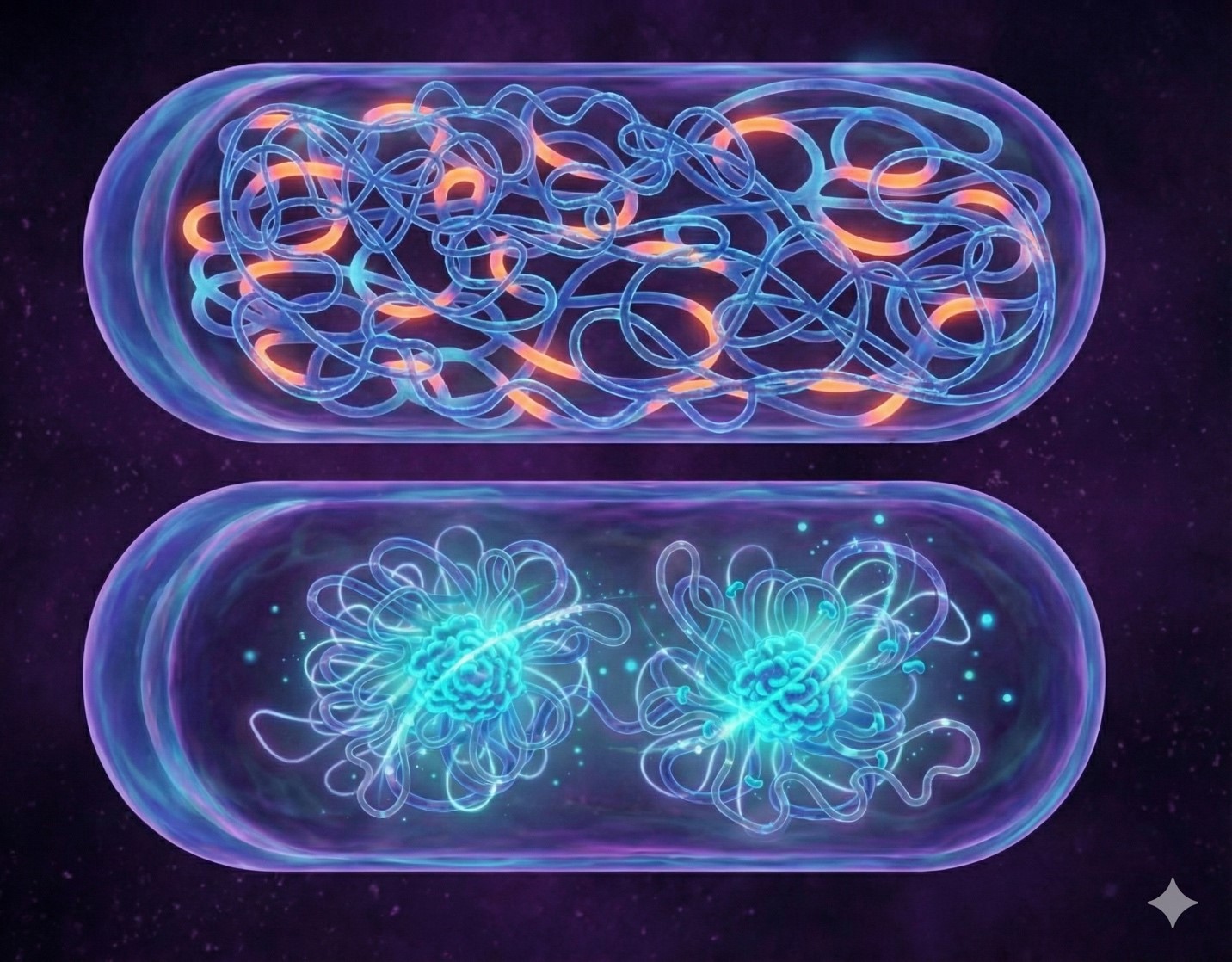
The collaborative study focused on the molecular mechanisms that allow Mycobacterium tuberculosis to evade the human immune system. Researchers identified the protein as essential for the bacterium’s survival and replication within host cells. Laboratory experiments demonstrated that inhibiting the protein impaired bacterial growth, highlighting its potential as a drug target. The findings have been published in a reputed international scientific journal, garnering attention from the global research community.
The discovery also opens avenues for drug development and vaccine research. Pharmaceutical companies and research institutions may explore compounds that specifically inhibit the protein, while immunologists consider its role in designing vaccines that enhance host immune response. This dual potential for therapy and prevention underscores the significance of the IISc study.
SCIENTIFIC AND MEDICAL SIGNIFICANCE
Tuberculosis remains a major public health challenge in India and worldwide, with millions of new cases reported annually. The disease’s ability to persist inside immune cells and develop resistance to existing drugs complicates treatment efforts. The IISc discovery is particularly significant because targeting the newly identified protein could disrupt bacterial survival mechanisms, offering an alternative approach to conventional antibiotics.
Researchers emphasised that the protein functions as a critical regulator of bacterial metabolism and virulence. By interfering with this protein, scientists can potentially reduce bacterial resistance, enhance immune clearance, and improve patient outcomes. The collaborative nature of the study, involving molecular biologists, immunologists, and biochemists, was key to understanding the protein’s role and its therapeutic implications.
In a significant development in medical research, scientists at the Indian Institute of Science (IISc), Bengaluru, have identified a key protein that could play a crucial role in combating tuberculosis (TB). The discovery, made in collaboration with national and international research institutions, offers new insights into how the TB-causing bacterium Mycobacterium tuberculosis survives within the human body. Experts believe that understanding this protein could pave the way for novel therapeutic approaches, potentially improving treatment efficacy and reducing the duration of TB therapy.
Researchers involved in the study emphasised that the protein’s discovery is a result of meticulous laboratory experiments and advanced computational analyses. By examining how Mycobacterium tuberculosis interacts with host cells, the team identified critical survival pathways regulated by the protein. Inhibiting these pathways in laboratory models led to a significant reduction in bacterial growth, demonstrating the protein’s central role in disease progression. Scientists believe that understanding these molecular mechanisms is essential for developing next-generation therapies that can overcome current drug resistance challenges in tuberculosis treatment.
POTENTIAL IMPACT ON TREATMENT
Experts believe that targeting the protein could lead to shorter and more effective TB treatment regimens. Current therapies often involve months of antibiotic use, which can be burdensome and lead to incomplete adherence, contributing to the development of drug-resistant strains. A therapy aimed at this protein could enhance treatment efficiency, potentially reducing treatment duration and minimizing side effects.
The discovery also opens avenues for drug development and vaccine research. Pharmaceutical companies and research institutions may explore compounds that specifically inhibit the protein, while immunologists consider its role in designing vaccines that enhance host immune response. This dual potential for therapy and prevention underscores the significance of the IISc study.
COLLABORATIVE EFFORTS
The study was conducted in partnership with multiple institutions, including international universities with expertise in infectious diseases. Such collaboration allowed researchers to combine advanced molecular biology techniques, computational modeling, and experimental immunology. The interdisciplinary approach was essential in identifying the protein’s function and validating its role as a potential therapeutic target.
IISc officials stated that the discovery is a testament to India’s growing capability in cutting-edge biomedical research. By leveraging institutional expertise, modern laboratories, and collaborative networks, Indian scientists are contributing meaningfully to global efforts against infectious diseases like TB. The study also highlights the importance of sustained research funding and capacity building in advanced biomedical fields.
GLOBAL RELEVANCE
Tuberculosis continues to be a leading cause of death in low- and middle-income countries, with drug-resistant strains posing a growing threat. The IISc discovery has implications beyond India, offering a potential universal target for new TB therapies. Global health experts have expressed optimism, noting that innovative approaches are critical to achieving TB elimination goals set by the World Health Organization.
Public health authorities have welcomed the development, emphasising the need for translating research findings into practical applications. While clinical trials and drug development will require time, identifying a critical bacterial protein represents a promising step toward improved disease management. Authorities are hopeful that such advances could strengthen India’s position in the global fight against TB.
NEXT STEPS
Researchers at IISc plan to continue studying the protein’s structure, function, and interactions within the host. The next phase involves screening potential inhibitors, conducting preclinical studies, and collaborating with pharmaceutical partners to develop targeted therapies. Additionally, researchers aim to explore whether the protein could serve as a biomarker for disease progression, aiding in early diagnosis and personalized treatment strategies.
The discovery marks a significant milestone in India’s biomedical research landscape. By identifying a protein critical to TB survival, IISc researchers have opened new avenues for therapeutic interventions, offering hope to millions affected by the disease. Continued research, collaboration, and clinical validation will be key to translating this breakthrough into effective treatments in the coming years.
Follow: Karnataka Government
Also read: Home | Channel 6 Network – Latest News, Breaking Updates: Politics, Business, Tech & More
