
In Japan Researchers Transform Daily Movement Into a Source of Clean Energy
In Japan researchers are working on a new form of urban technology that turns simple human movement into usable electricity. Across selected cities, specially designed walkways are being tested to capture energy from people walking, running, or standing on them. This approach focuses on using energy that is normally wasted and converting it into a small but useful power source for public spaces.
The technology relies on piezoelectric materials placed beneath the road or pavement surface. These materials react to pressure. When pedestrians step on the surface, a small mechanical movement occurs. That pressure is then converted into electrical energy. While a single step produces only a small amount of power, thousands of steps each day can collectively generate enough electricity to support basic public needs.
This idea is part of a broader effort in Japan to reduce dependency on traditional energy sources and to test how cities can become more self-sustaining. Instead of relying only on solar panels or wind turbines, this system uses constant human activity as an energy input.
In Japan Researchers Test Smart Walkways in Busy Urban Areas
In Japan researchers have chosen high-footfall locations to test this system. Experimental walkways have appeared in parts of Tokyo, Kyoto, and other urban centers where pedestrian traffic is heavy. Railway stations, shopping streets, and public squares are considered ideal locations because of continuous movement throughout the day.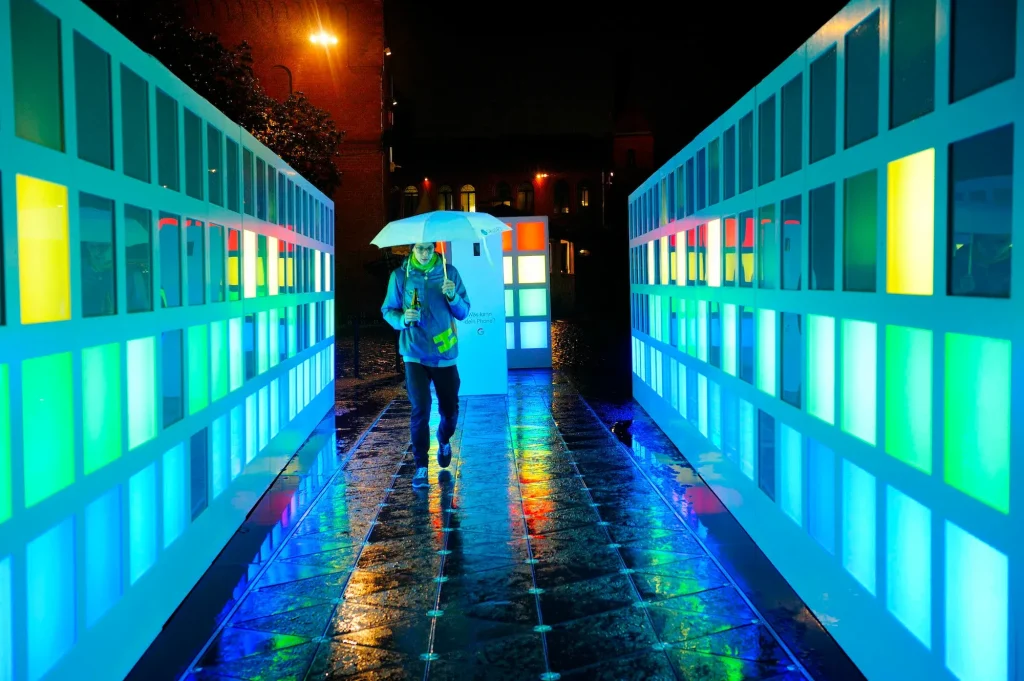
The electricity generated is currently used for small-scale applications. Street lighting, digital signboards, and pedestrian counters are some of the main uses. The system can also help city planners understand movement patterns, as the pressure data shows where and when people walk the most.
Officials involved in the trials have clarified that this technology is not meant to replace major power systems. Instead, it works as a supporting energy source. It reduces load on existing electricity networks and improves energy efficiency in public spaces. Over time, improvements in materials and design could increase output and lower costs.
Maintenance has also been a key focus. The walkways are designed to be durable and weather-resistant. Engineers are testing how the materials respond to long-term use, rain, heat, and heavy crowds. Early results suggest that the systems can function reliably with proper installation.
In Japan Researchers See Smart Roads as a Step Toward Sustainable Cities
In Japan researchers view this project as part of a larger vision for future cities. Urban areas consume large amounts of energy every day. Finding small, repeatable ways to reduce waste can make a meaningful difference over time. Smart walkways represent one such method by turning daily routines into contributions toward cleaner energy use.
Public response has been largely positive. Many people appreciate the idea that something as ordinary as walking can support environmental goals. The system does not require any behavior change from citizens. People simply move as they normally would, and the technology works silently beneath their feet.
The project also highlights how infrastructure can serve multiple purposes. A road is no longer just a surface for walking. It becomes an energy generator, a data source, and a sustainability tool. This multifunctional approach is increasingly important in densely populated cities where space and resources are limited.
View this post on Instagram
While challenges remain, including cost and energy output scale, the trials are offering valuable insights. Other countries are watching closely to see whether similar systems could be adapted to their own urban environments. Japan’s experience may help shape how cities worldwide think about integrating renewable energy into everyday infrastructure. Also Read: Sridhar Vembu and a Divorce That Is Reshaping India’s Biggest Private Tech Fortune
Conclusion
In Japan researchers are showing how small innovations can change the way cities think about energy. By turning footsteps into electricity, smart walkways demonstrate that sustainability does not always require large changes. Sometimes, progress begins with improving the systems people already use every day.
