
A Major Boost to Indigenous Defence Manufacturing
India is pressing ahead with an ambitious plan to ensure high levels of domestic production in its proposed acquisition of 114 Rafale fighter jets. In a significant policy push, the government has made it clear that nearly 80 percent of the aircraft will be manufactured in India. The move marks a decisive step in strengthening the country’s defence manufacturing base in line with the Make in India and Atmanirbhar Bharat initiatives.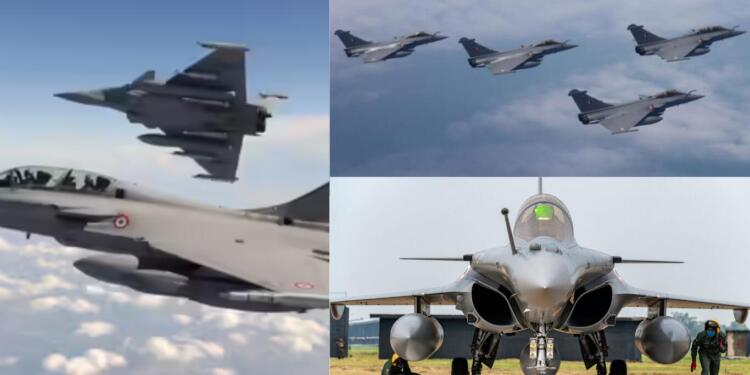
The proposed deal with French aerospace major Dassault Aviation goes far beyond a conventional defence purchase. It is being positioned as a long-term strategic programme aimed at building deep industrial capabilities within India’s aerospace sector. By insisting on extensive localisation, New Delhi is seeking to transform the acquisition into a catalyst for technological growth and industrial self-reliance.
From Import to Indigenous Production
This approach represents a clear departure from India’s earlier Rafale procurement. In 2016, the Indian Air Force inducted 36 Rafale jets in fly-away condition to meet urgent operational requirements. While that deal significantly enhanced combat capability, it offered limited scope for domestic manufacturing.
The proposed 114-jet programme is designed as a full-scale Make in India project. Under the plan, a large portion of the work, ranging from manufacturing complex airframe structures to final assembly integration and testing, will be carried out within the country. This shift reflects India’s determination to move from being a major arms importer to a producer with advanced manufacturing credentials.
Strategic Partnerships and Industrial Growth
Localisation is expected to be achieved through a strategic partnership between Dassault Aviation and an Indian Production Agency. This agency is likely to include a major private sector company alongside a public sector entity, creating a balanced industrial framework.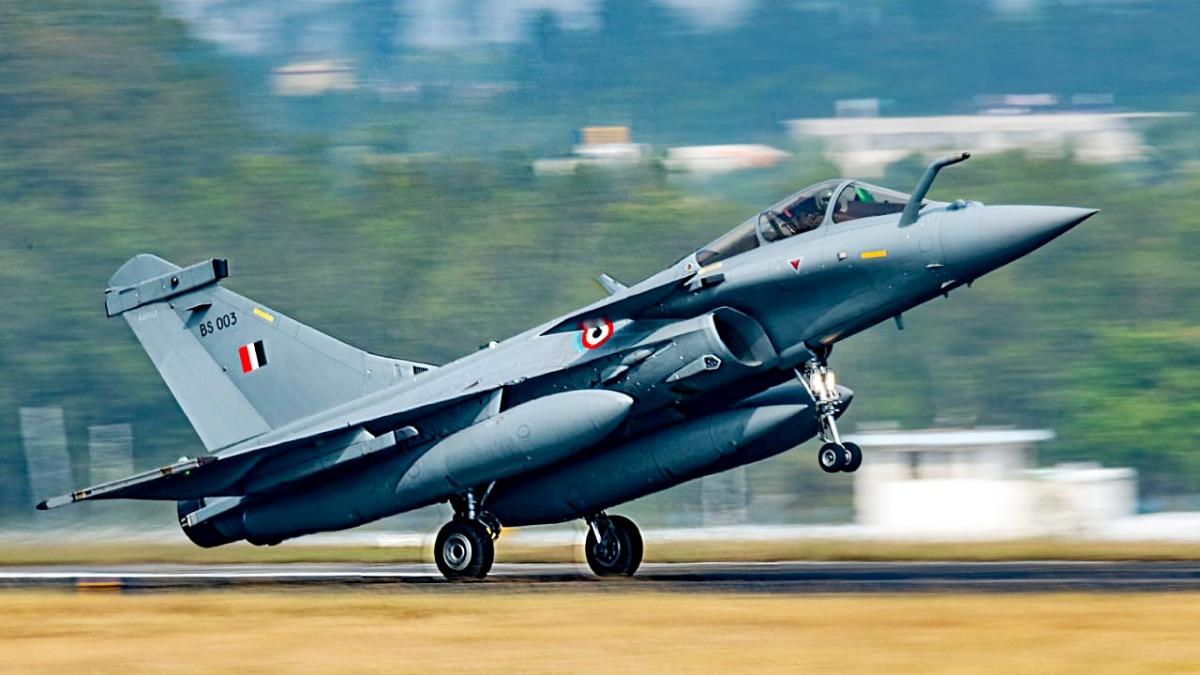
The project is expected to generate thousands of high-skilled jobs across engineering manufacturing and quality assurance domains. In addition, it is likely to spur the growth of ancillary industries supplying components materials and services, creating a strong multiplier effect for the broader economy. The emphasis on domestic production also opens opportunities for Indian firms to integrate into global aerospace supply chains.
Strengthening the Indian Air Force
For the Indian Air Force, the acquisition of 114 Rafale jets is operationally critical. The service is facing a shortfall in fighter squadrons even as regional security challenges continue to evolve. The Rafale, a proven 4.5-generation multi-role combat aircraft, has already demonstrated its effectiveness within the IAF.
Inducting a larger fleet is essential for maintaining air superiority and operational readiness. Building the aircraft is also expected to result in long-term benefits such as reduced maintenance costs quicker turnaround times and greater control over upgrades and modifications throughout the aircraft’s service life.
Beyond Airframes and Assembly
The localisation plan extends well beyond the physical structure of the aircraft. The government has indicated that this industry should be involved in producing a wide range of systems and sub-systems. These include avionics radar components and elements related to propulsion and electronic systems.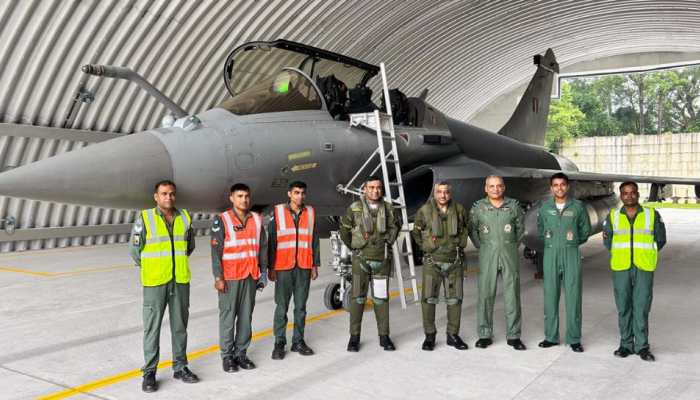
Such comprehensive localisation is aimed at ensuring that Indian firms gain life-cycle expertise in advanced fighter aircraft manufacturing. This knowledge base is seen as critical for future indigenous programmes and for positioning this country as a credible player in high-end defence production.
A Test of Strategic Autonomy
Defence analysts view the proposed Rafale programme as a test case for broader defence industrial ambitions. While negotiations remain complex and the final contours of the contract are yet to be defined, the government’s firm stance on technology transfer and local production sends a strong signal to global defence manufacturers.
If successfully executed, the project could redefine India’s role in the global defence ecosystem. Beyond strengthening the Indian Air Force, it has the potential to establish India as a long-term hub for advanced aerospace manufacturing, reinforcing both national security and economic resilience for decades to come.
