
In a first-of-its-kind achievement for India’s dairy sector, the Sarhad Dairy in Kutch, Gujarat has emerged as a pioneering hub for camel milk production, housing the country’s first dedicated camel milk processing plant and serving as the only producer of camel milk rajbhog ice cream in India. This landmark development not only showcases innovation in dairy processing, but also underscores new opportunities for pastoral communities and dairy cooperatives in India’s arid northwest.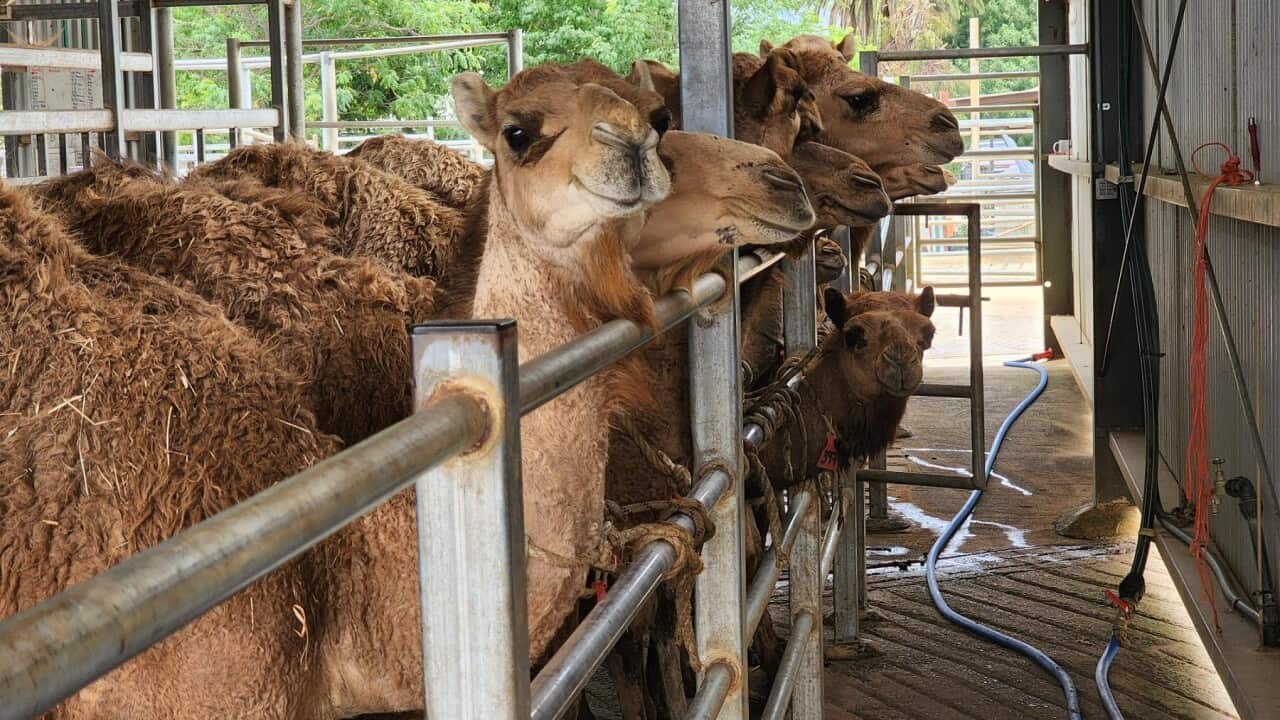
Situated in the Rann of Kutch — a region known as the “white gold” of the desert — camel milk has long been valued for its nutritional richness, including essential minerals and immune-boosting properties. Historically, collection and utilisation of camel milk posed logistical and processing challenges due to factors such as low shelf life and dispersed herder communities. Nonetheless, sustained efforts by cooperatives and dairy federations have transformed the narrative around this unique product.
A First in India
The camel milk processing facility at Sarhad Dairy became operational on 16 January 2019, making it India’s first plant designed to deodorise and process camel milk — addressing a key barrier that once limited broader consumption. The dairy has also secured organic certification for camel milk, affirming quality standards that appeal to health-conscious consumers.
Sarhad Dairy collects camel milk from multiple centres across Kutch district, including Rapar, Nakhatrana, Gadhshisha and Kotda Athamana, using an Amul-style cooperative network. In the financial year 2024–25, the plant procured 4,754 litres of camel milk daily, channeling payments of more than ₹8.7 million to over 350 local camel farming families.
Camel Milk Rajbhog Ice Cream — A Unique Offering
One of the most distinctive innovations from Sarhad Dairy is its camel milk rajbhog ice cream — in fact, the only such product in the country. The plant was inaugurated by Prime Minister Narendra Modi on 22 February 2024, and within just a year, it has launched 80 different varieties of the product, showcasing a creative fusion of traditional dairy flavours with camel milk’s unique profile.
In the year 2024–25, Sarhad Dairy produced a striking 24.52 lakh litres of ice cream, with a maximum daily dispatch of 58,000 litres — figures that highlight growing consumer interest not only locally but also in broader markets. This blend of tradition and modern product development has contributed to the dairy’s expanding portfolio.
Economic Impact on Pastoral Communities
The camel milk enterprise has significant implications for the economic empowerment of traditional herder communities in Kutch. By creating a consistent market and processing infrastructure, Sarhad Dairy has helped enhance income stability for camel rearers, who otherwise faced challenges in commercialising their produce. Through cooperative structures, pastoral families are now more directly integrated into the formal dairy economy.
Camel milk typically commands a premium price in the market — reflecting both its niche status and nutritional appeal — and this has encouraged greater participation from younger members of herding communities, reversing earlier migration trends to urban employment. As camel milk products gain visibility, new economic avenues are opening for rural households in the region.
Global Recognition and Showcases
Sarhad Dairy’s strides with camel milk have also won international attention. At the Gulf Food Expo 2025 in Dubai — one of the world’s largest food trade shows — products from Sarhad Dairy’s camel milk range attracted significant interest at the Amul stall, underscoring export potential and global curiosity around India’s unique dairy innovations.
Domestically, the dairy’s work was highlighted at the first Regional Dairy Conference organised by the International Dairy Federation (IDF) in Kochi (2024), where Sarhad Dairy presented its camel milk processing achievements as a model for the Asia-Pacific region.
Future Prospects and Expansion
With the foundation now laid for camel milk processing and value-added products, there is increasing interest in expanding camel milk utilisation into areas such as chocolates, cheese and other dairy derivatives — sectors where camel milk’s health benefits could spur new categories. While the product remains a niche offering compared to cow and buffalo milk, ongoing research and product development may broaden its appeal.
Moreover, continued support from government programmes and cooperative networks promises to strengthen rural livelihoods in Kutch and potentially inspire similar models in other parts of India where pastoral communities seek market access for camel milk and allied products.
Also read: https://channel6network.com/supreme-court-directs-eci/
