
Researchers at the Jawaharlal Nehru Centre for Advanced Scientific Research (JNCASR), Bengaluru, have uncovered a crucial missing link in the process of cellular cleanup, a discovery that could significantly advance the treatment of neurodegenerative disorders such as Alzheimer’s and Parkinson’s, as well as certain forms of cancer. The findings shed light on how cells maintain internal balance by clearing damaged components, a function that is central to human health and longevity.
Beyond immediate disease applications, the discovery has implications for understanding aging itself. Cellular cleanup mechanisms gradually decline with age, leading to the accumulation of damaged proteins and organelles. Scientists believe this decline contributes to frailty, cognitive impairment and increased susceptibility to disease. By clarifying how autophagy is regulated, the JNCASR findings provide a framework to study whether reinforcing this pathway could promote healthier aging and delay the onset of age-related disorders.
The research has also highlighted the importance of context-specific regulation within cells. The same cleanup process can have different consequences depending on cell type, developmental stage and environmental stress. This complexity underscores why one-size-fits-all therapies have struggled in the past. The newly identified regulatory link offers a way to fine-tune interventions, adjusting cellular cleanup precisely rather than broadly amplifying or suppressing it.
International collaborators and reviewers have noted that the study strengthens global efforts to map cellular quality-control systems in greater detail. Similar mechanisms may exist in other organisms, suggesting that the findings could have relevance beyond human disease. Comparative studies across species could help scientists understand how evolution has shaped cellular maintenance and why certain organisms are more resistant to neurodegeneration or cancer.
As further experiments build on this work, the emphasis will remain on bridging laboratory insights with real-world impact. The researchers have stressed that sustained funding, interdisciplinary collaboration and patient-focused translation will be essential to move from discovery to therapy. While challenges remain, the identification of this missing link has given scientists a clearer direction, marking a meaningful advance in the long journey toward treating some of the most complex diseases of our time.
The study focuses on autophagy, the cell’s self-cleaning mechanism, through which unwanted or damaged proteins and organelles are broken down and recycled. While autophagy has been studied extensively over the past two decades, scientists have long suspected that key regulatory steps in the process were not fully understood. The JNCASR team’s work identifies a previously unrecognised molecular interaction that plays a decisive role in coordinating this cleanup activity.
According to the researchers, the discovery fills a critical gap in understanding how cells decide what to degrade and when. This decision-making process is particularly important in neurons, which are long-lived cells and are highly vulnerable to the accumulation of toxic protein aggregates. Failure of cellular cleanup has been directly linked to neurodegenerative diseases, making the findings especially relevant.
The researchers explain that disruptions in autophagy not only contribute to brain disorders but also affect cancer progression. In some cancers, defective cellular cleanup allows abnormal cells to survive and multiply, while in others, excessive autophagy helps cancer cells withstand stress and treatment. Understanding the precise control mechanisms behind this process could therefore open new therapeutic avenues.
Scientists involved in the study have described the discovery as a foundational advance rather than an incremental one. By identifying the missing link, they say, it becomes possible to design targeted interventions that restore balance within cells. Such interventions could slow disease progression or enhance the effectiveness of existing treatments.
The findings have generated interest within the global scientific community, as they address a long-standing question in cell biology. Experts say the work highlights the growing contribution of Indian research institutions to cutting-edge biomedical science.
Decoding the Cell’s Recycling Machinery
At the centre of the discovery is a deeper understanding of how autophagy is regulated at the molecular level. Autophagy involves the formation of specialised structures that engulf cellular waste and deliver it to compartments where it is broken down. While the basic steps of this process are known, the regulatory signals that ensure precision and timing have remained elusive.
The JNCASR team identified a specific molecular mediator that acts as a bridge between cellular stress signals and the machinery responsible for waste clearance. This mediator ensures that autophagy is activated only when needed and directed towards the appropriate targets. Without this coordination, cells either accumulate toxic material or degrade essential components, both of which can be harmful.
Researchers found that this missing link plays a particularly important role in neurons. Unlike many other cells, neurons do not readily regenerate, making efficient cleanup essential for their survival. In conditions such as Alzheimer’s and Parkinson’s disease, proteins like amyloid-beta and alpha-synuclein accumulate abnormally, overwhelming the cell’s ability to clear them. The newly identified mechanism appears to influence how effectively such proteins are recognised and processed.
Laboratory experiments showed that when this regulatory link is disrupted, cells exhibit signs of stress and dysfunction. Conversely, restoring its function improves cellular health and resilience. These observations suggest that targeting this pathway could help slow or prevent the cellular damage seen in neurodegenerative diseases.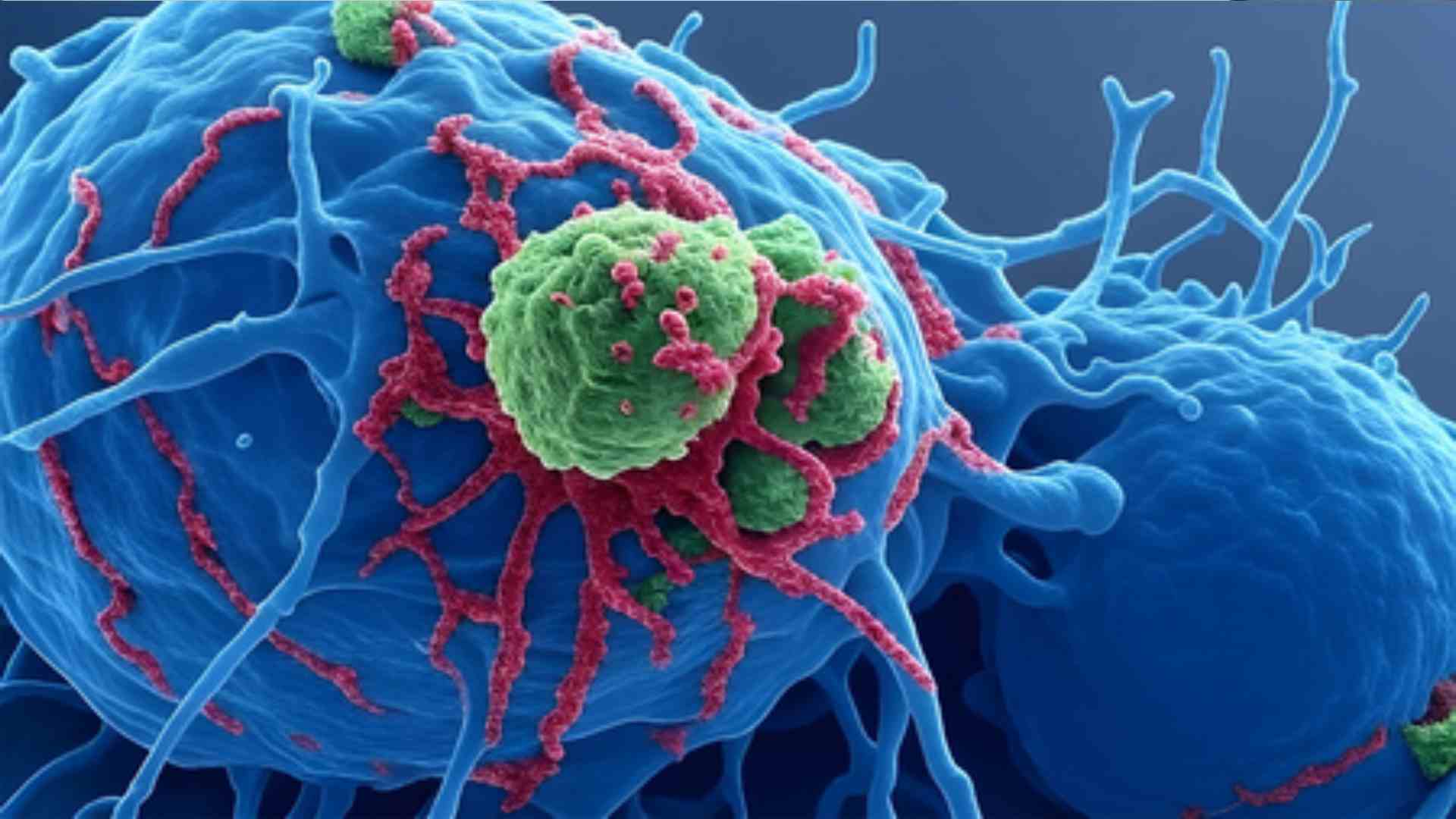
The study also explored implications for cancer biology. Autophagy has a complex relationship with cancer, acting as both a tumour suppressor and a survival mechanism depending on context. The researchers demonstrated that the missing link influences how cancer cells respond to metabolic stress. This insight could be used to design therapies that selectively weaken cancer cells by disrupting their adaptive cleanup processes.
Importantly, the discovery offers a more nuanced view of autophagy regulation. Rather than being a simple on-or-off process, cellular cleanup emerges as a finely tuned system governed by multiple checkpoints. Understanding these checkpoints allows scientists to think more precisely about intervention strategies.
Experts not involved in the study have noted that such mechanistic clarity is essential for translating basic research into clinical applications. Drugs that broadly stimulate or inhibit autophagy have shown limited success due to side effects. Targeting specific regulatory nodes, such as the one identified by the JNCASR team, could offer greater precision and safety.
Implications for Treatment and Future Research
The potential medical implications of the discovery are significant. Neurodegenerative diseases currently have no cures, and available treatments largely focus on managing symptoms rather than addressing underlying causes. By restoring proper cellular cleanup, it may be possible to slow the progression of these disorders and preserve neuronal function for longer periods.
In Alzheimer’s disease, for instance, impaired autophagy contributes to the buildup of toxic plaques and tangles. Enhancing the newly identified regulatory mechanism could help cells more efficiently remove these aggregates. Similarly, in Parkinson’s disease, improved clearance of damaged mitochondria and misfolded proteins could reduce neuronal stress and degeneration.
Cancer therapy could also benefit from the findings. Many tumours exploit autophagy to survive chemotherapy and radiation by recycling cellular components under stress. By selectively disrupting the regulatory link in cancer cells, treatments could make tumours more vulnerable while sparing healthy cells.
The researchers caution that translating these findings into therapies will take time. Drug development requires extensive testing to ensure safety and efficacy. However, identifying a clear molecular target is a crucial first step. The team is already exploring ways to modulate this pathway using small molecules and genetic approaches.
The discovery also opens new directions for fundamental research. Scientists can now investigate how this regulatory link interacts with other cellular pathways involved in metabolism, inflammation and aging. Such studies could reveal broader connections between cellular cleanup and systemic health.
Within India’s scientific ecosystem, the work is being seen as a testament to sustained investment in basic research. JNCASR has long been known for its emphasis on fundamental science, and this breakthrough underscores the value of curiosity-driven inquiry. Researchers involved in the study highlighted the collaborative nature of the work, which brought together expertise in cell biology, biochemistry and advanced imaging.
Policy experts have pointed out that discoveries of this nature strengthen the case for continued support of research institutions. Breakthroughs in understanding disease mechanisms often originate from basic science rather than immediate clinical goals. The long-term payoff, however, can be transformative.
As the global population ages, the burden of neurodegenerative diseases is expected to rise sharply. At the same time, cancer remains a leading cause of mortality worldwide. Advances that address shared cellular mechanisms underlying these conditions are therefore of immense importance.
While clinical applications may still be years away, the discovery of the missing link in cellular cleanup represents a critical step forward. It reshapes scientific understanding of how cells maintain health and respond to stress. For patients and families affected by Alzheimer’s, Parkinson’s and cancer, the findings offer a renewed sense of possibility.
In the broader narrative of biomedical research, the JNCASR study stands as a reminder that solving complex diseases often begins with uncovering the smallest, most fundamental processes within cells. By illuminating one such process, the researchers have opened a path that could eventually lead to more effective and targeted treatments, turning basic discovery into tangible hope.
Follow: Karnataka Government
Also read: Home | Channel 6 Network – Latest News, Breaking Updates: Politics, Business, Tech & More
