
AMB Cinemas Brings Life Back to Kapali
Bengaluru’s historic Kapali theatre has reopened its doors under the management of AMB Cinemas, signalling a new chapter for cinema-goers and the local entertainment industry. The theatre, which had been closed for several years due to declining footfalls and maintenance challenges, now boasts modern amenities, upgraded sound systems, and digital projection facilities. Film enthusiasts and local audiences have expressed excitement, seeing the revival as a chance to reconnect with the city’s rich cinematic culture. However, the reopening has also sparked debate: will it serve as a boost for Kannada cinema or primarily cater to commercial, multilingual releases?
The reopening of Kapali also has potential ripple effects on neighbouring businesses. Cafes, restaurants, and retail outlets around the theatre anticipate increased footfall as audiences attend screenings. Local vendors have expressed optimism that the theatre’s revival will reinvigorate the East Bengaluru economy, providing additional employment opportunities for youth and part-time workers. Analysts suggest that a thriving cinema culture in the area could serve as a model for integrating urban entertainment hubs with local commerce, making theatre districts self-sustaining while supporting ancillary businesses reliant on consistent crowd activity.
AMB Cinemas has announced plans to implement advanced ticketing solutions at Kapali, including online booking, QR-code scanning, and priority seating options. These initiatives aim to streamline the audience experience, reduce waiting times, and enhance safety measures by managing crowds more effectively. Observers believe that modernised booking systems also provide opportunities for targeted marketing, promotions, and loyalty programs, which can help maintain sustained interest in Kannada cinema releases. By combining technology with nostalgia, the theatre hopes to attract both traditional moviegoers and younger, tech-savvy audiences who are accustomed to seamless, digital-first entertainment experiences.
The revival is also a significant cultural milestone for Kannada cinema. Analysts note that urban theatres like Kapali have historically shaped audience perception, setting the tone for box-office success. Premieres and first-week performances at central venues often influence word-of-mouth publicity, critical reviews, and overall visibility for films. Kannada filmmakers argue that urban screenings are vital for balancing regional and city audiences, ensuring that productions not only succeed in rural strongholds but also achieve broader recognition. Kapali’s reopening thus provides a crucial platform for both commercial and experimental Kannada films, potentially boosting the industry’s profile nationally.
Industry veterans have also emphasised the role of Kapali in supporting smaller filmmakers. Unlike multiplexes prioritising high-grossing releases, Kapali’s programming flexibility allows screening of independent and low-budget Kannada films that may otherwise struggle for urban visibility. Filmmakers anticipate that curated slots and weekend specials could provide much-needed exposure, cultivating a niche audience for diverse cinematic content. By serving as a testing ground for innovative storytelling and experimental narratives, Kapali can foster a creative ecosystem where emerging talent finds opportunities to showcase work alongside mainstream releases, strengthening the Kannada film industry’s creative diversity.
Audience experience remains a critical consideration for the theatre’s management. Theatres like Kapali must balance technological upgrades with comfort, aesthetics, and nostalgia to create an immersive environment. Officials have highlighted improvements such as ergonomic seating, superior acoustics, and enhanced screen quality to rival modern multiplex standards. At the same time, they plan to retain the theatre’s historic charm, preserving its identity as a cultural landmark. Fans have welcomed this approach, noting that the combination of modern amenities and nostalgic architecture encourages them to return to theatres, creating a sense of continuity with the city’s cinematic past.
The reopening is also an opportunity for event-based promotions to engage audiences. AMB Cinemas has indicated plans to host film festivals, actor meet-and-greets, and interactive workshops alongside regular screenings. Such events can strengthen community ties, foster loyalty, and increase media attention on Kannada cinema. Experts note that audience engagement beyond mere film-watching is increasingly essential in urban markets, where viewers have multiple entertainment options. By creating experiential value through curated events, Kapali aims to differentiate itself from conventional multiplexes, positioning the theatre as a hub for cultural and cinematic interaction within the city.
Local governance and civic authorities have been closely involved in the theatre’s reopening, particularly regarding safety and urban planning. Traffic management, pedestrian flow, and emergency preparedness have been coordinated with municipal authorities to ensure minimal disruption. Observers highlight that such collaboration is crucial for high-density urban theatres, where public safety and convenience play a major role in audience retention. By integrating theatre operations with city planning, Kapali sets a precedent for responsible urban cinema management, demonstrating that cultural revival can be achieved without compromising safety or infrastructure efficiency.
Financial analysts suggest that Kapali’s revival could influence ticket pricing strategies for Kannada cinema. Central urban theatres often set benchmarks for pricing, balancing affordability with revenue generation. By offering flexible pricing for weekday, weekend, and special screenings, Kapali aims to attract a diverse audience, from students to working professionals. Properly calibrated pricing strategies can ensure sustained footfall, prevent empty seats, and maximise exposure for Kannada films. Analysts believe that the success of Kapali’s model could guide pricing policies for other theatres across Karnataka, promoting both accessibility and profitability for the regional cinema ecosystem.
Cinema critics highlight that Kapali’s return also provides a benchmark for audience trends in the digital era. With OTT platforms gaining popularity, theatres must compete with on-demand streaming by offering immersive, communal experiences. Kapali’s blend of nostalgia, technology, and curated programming is being closely watched as a case study. Critics suggest that audience response to screenings, attendance patterns for Kannada films, and engagement with special events will help determine the viability of similar revivals in other parts of the city. A successful relaunch could encourage other historic theatres to modernise while retaining cultural relevance.
Finally, the reopening of Kapali is being seen as a litmus test for the future of urban Kannada cinema. Its success will depend on careful scheduling of films, strategic marketing, audience engagement, and balancing commercial viability with regional promotion. While some fear that commercial interests could dominate, others are optimistic that the theatre can become a cultural hub, supporting both mainstream and experimental films. As screenings resume, industry insiders and fans alike will closely monitor Kapali’s impact on box-office performance, audience preferences, and the broader revival of Karnataka’s film culture in urban centres.
AMB Cinemas’ entry into Kapali aims to create a multiplex-style experience while retaining the theatre’s nostalgic charm. Officials say the theatre will screen a mix of Kannada films, regional cinema, and select Bollywood and international releases, providing diverse options for audiences. Upgraded seating, hygiene protocols, and enhanced concession facilities are expected to attract both families and young audiences. Cinema analysts note that the revival could rejuvenate urban theatres, which have struggled in recent years due to competition from streaming platforms and home-viewing culture.
Impact on Kannada Film Industry
Kannada filmmakers and producers have shown cautious optimism. Many believe the reopening of Kapali, a centrally located theatre, could provide a key platform for launching new films and attracting urban audiences who often drive box-office success. Industry insiders argue that the presence of a high-quality, centrally located screening venue helps regional cinema compete with films from other languages, which traditionally dominate Bengaluru’s multiplex screens. The theatre’s management has assured preferential slots for Kannada releases, emphasising that supporting local cinema is a core objective of the revival.
Despite optimism, some industry voices caution that the revival might not automatically translate into a boon for Kannada films. With AMB Cinemas also screening commercial Hindi and international releases, scheduling could prioritise higher-grossing films, potentially limiting prime-time slots for regional cinema. Filmmakers and distributors stress the need for careful planning to ensure Kannada films receive adequate exposure and marketing support. Audience engagement strategies, including discounted screenings, promotional events, and tie-ups with local colleges, could play a decisive role in sustaining footfalls for regional productions.
Cinema enthusiasts argue that Kapali’s revival comes at a crucial time, as theatres nationwide are grappling with post-pandemic challenges. Analysts suggest that quality facilities, enhanced viewing experiences, and effective marketing could encourage city audiences to return to theatres, benefiting Kannada cinema indirectly. By providing a dedicated urban screening space, Kapali could become a testing ground for innovative cinematic formats, including weekend premieres, interactive screenings, and regional film festivals, all of which can strengthen the local industry.
The reopening has also reignited nostalgia among long-time Bengaluru residents, who recall Kapali as a cultural landmark for decades. For many, the theatre represents more than just a venue; it is a space where generations have experienced iconic films, celebrated festivals, and community gatherings. Preservation of this cultural heritage, alongside modernisation, has been a key selling point for AMB Cinemas, appealing to both loyal patrons and younger audiences seeking contemporary entertainment experiences.
Financially, analysts believe that Kapali’s revival could influence box-office dynamics in Bengaluru. With a central location and upgraded facilities, the theatre can attract a premium segment of audiences willing to pay higher ticket prices. This could, in turn, impact revenue projections for Kannada films, especially if strategic screenings are scheduled to coincide with major releases. However, theatre owners emphasise that maintaining affordability and accessibility for diverse audiences is crucial to ensure sustained patronage.
Local residents have expressed mixed reactions to the revival. While many welcome the convenience and improved experience, some express concerns over increased traffic and parking issues around the theatre. Authorities have indicated plans to coordinate with the municipal corporation for traffic management and crowd control during peak screening times. Additionally, hygiene, safety, and COVID-appropriate measures are being maintained to reassure audiences returning to theatres after long breaks.
Industry observers also view Kapali’s revival as a test case for the broader regional cinema ecosystem. Success could encourage other historic theatres across Karnataka to modernise and reopen, creating more avenues for Kannada films. Conversely, if footfalls fail to meet expectations or scheduling skews heavily toward Hindi and international films, concerns may arise about the sustainability of such urban revival projects. The outcome at Kapali may shape the strategic approach for regional cinema promotion in the coming years.
Film critics have highlighted the importance of programming choices in determining Kapali’s impact. Curated screenings, themed film weeks, and collaborations with independent filmmakers can enhance the theatre’s role as a cultural hub rather than merely a commercial space. Critics also note that audience engagement, including Q&A sessions, director talks, and interactive events, could foster a loyal patron base that supports Kannada cinema, helping regional films gain visibility in a competitive urban market.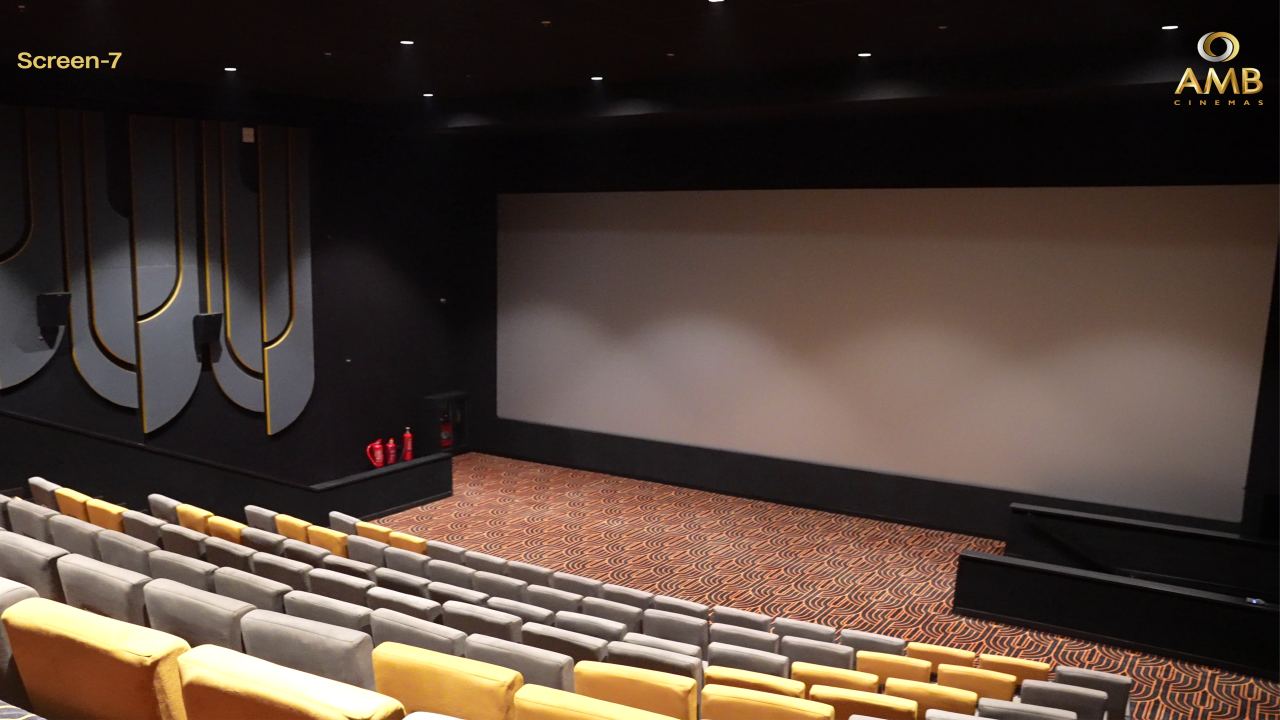
As Kapali prepares to host its first wave of screenings under AMB Cinemas, anticipation is high among audiences and industry stakeholders alike. The theatre’s success could reinvigorate urban cinema culture in Bengaluru, support regional filmmaking, and preserve the city’s heritage. However, balancing commercial imperatives with cultural responsibility, ensuring Kannada cinema receives priority, and maintaining audience satisfaction will be key to determining whether Kapali’s revival becomes a milestone for the local film industry or just another urban multiplex venture.
Follow: Karnataka Government
Also read: Home | Channel 6 Network – Latest News, Breaking Updates: Politics, Business, Tech & More
