
In a strongly worded letter to Kerala Chief Minister Pinarayi Vijayan, Karnataka Chief Minister has declared that the State will exert its constitutional right to oppose the proposed Malayalam Bhasha Bill. The move signals heightened tensions between the neighbouring states over language, administrative autonomy, and cultural identity. The CM emphasised that Karnataka will take all necessary legal and political steps to safeguard its interests, particularly in border districts where Malayalam-speaking populations are concentrated.
The Malayalam Bhasha Bill, currently under consideration in the Kerala Legislative Assembly, seeks to promote the use of Malayalam in official and educational spheres, including border regions. Karnataka authorities contend that certain provisions could adversely affect linguistic minorities in border areas and disrupt established administrative processes. Officials argue that the Bill may undermine the rights of Kannada-speaking populations in districts adjoining Kerala, including Kodagu, Dakshina Kannada, and parts of Chikkamagaluru.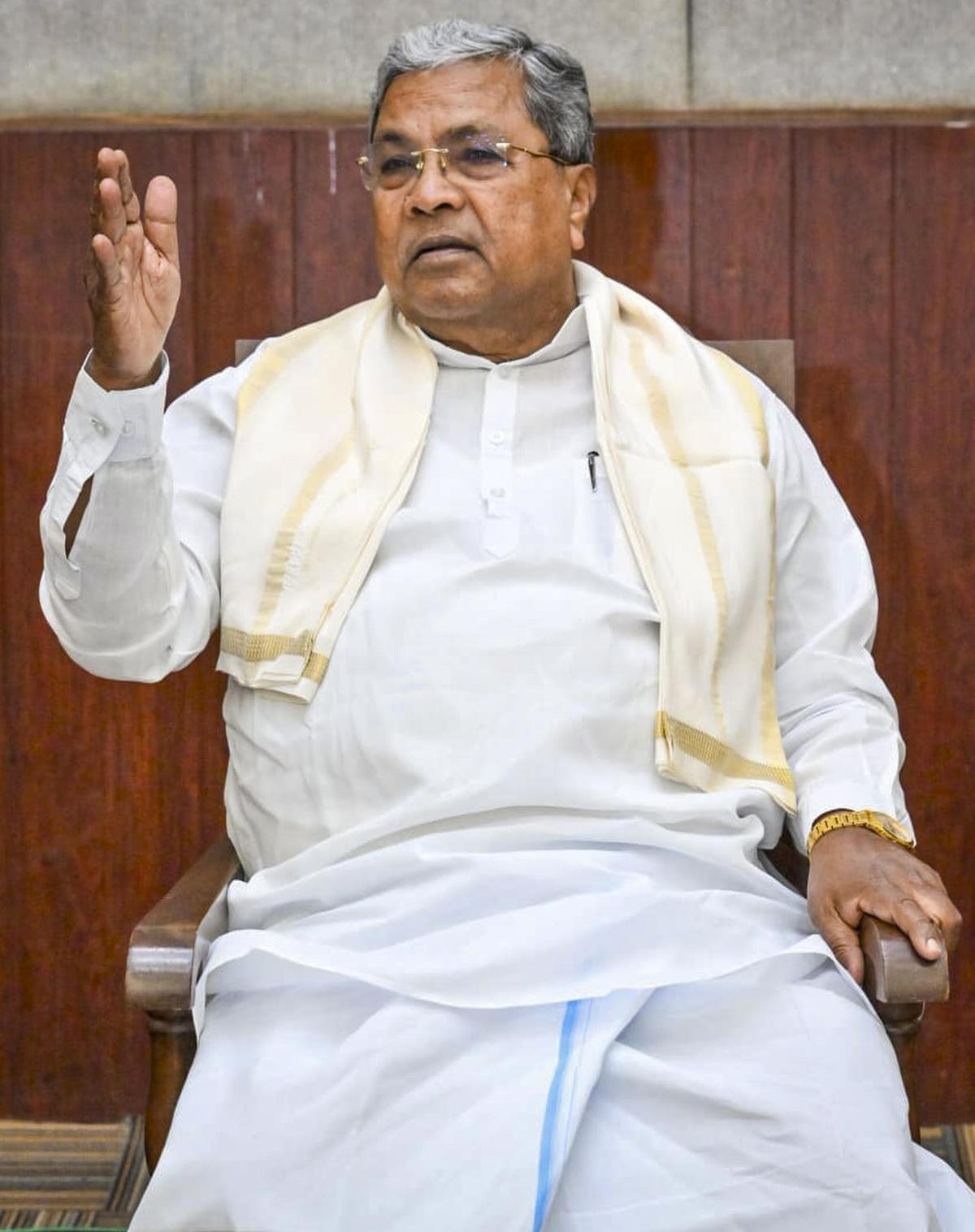
CM’S ASSERTION OF CONSTITUTIONAL RIGHTS
The Karnataka CM’s letter explicitly cites constitutional provisions safeguarding linguistic and cultural rights, asserting that any law affecting inter-state language dynamics must respect these guarantees. Legal experts indicate that the CM’s warning is likely to trigger a formal legal review, potentially involving the Inter-State Council or the Supreme Court, to resolve disputes arising from overlapping cultural and administrative claims.
Political observers note that language-related bills often carry both cultural significance and political ramifications. The letter signals Karnataka’s proactive approach, emphasizing that the State will not hesitate to challenge legislation perceived to infringe upon Kannada language rights. Officials have also indicated plans to engage with local representatives in border districts to prepare for legal and political advocacy if required.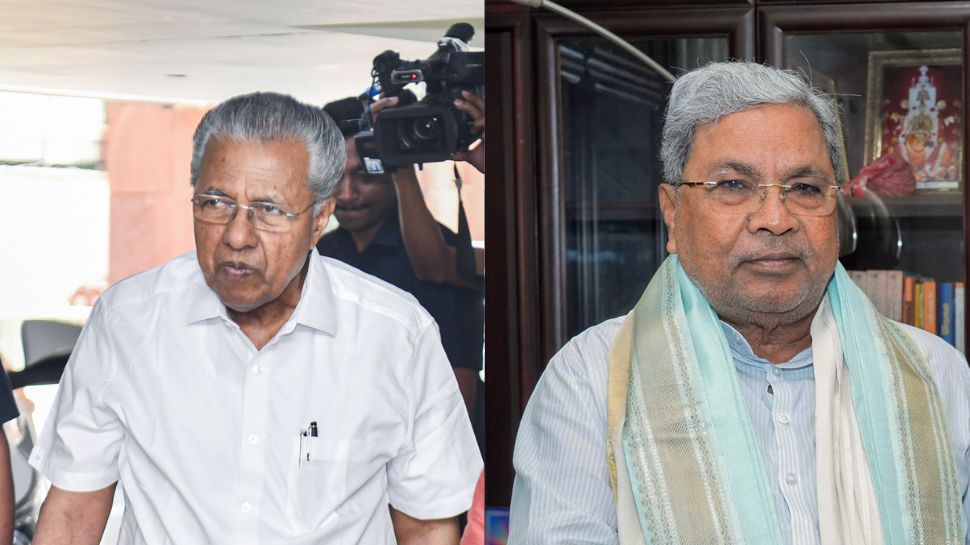)
RESPONSE AND REACTIONS
Kerala government sources, while acknowledging receipt of the letter, stated that the Bill is intended to strengthen Malayalam usage and safeguard cultural heritage. They emphasised that the proposed legislation does not intend to marginalise speakers of other languages but rather promote the regional language in administrative, educational, and cultural spheres.
Language rights activists in Karnataka have welcomed the CM’s stance, highlighting the importance of defending linguistic identity in border regions. They argue that ensuring Kannada remains the primary language of administration, education, and public life in Karnataka’s border districts is crucial for preserving cultural integrity and avoiding potential marginalisation of the local population.
The Karnataka CM’s letter also emphasised the historical coexistence of Kannada and Malayalam-speaking communities in border areas, stressing that any new legislation must not disrupt this delicate balance. Officials highlighted that decades of intermingling have created a multicultural environment, where administrative and educational systems have long accommodated linguistic diversity. The CM warned that the Malayalam Bhasha Bill, in its current form, risks altering this equilibrium, potentially marginalising Kannada speakers. Karnataka has requested Kerala to reconsider or amend the Bill to ensure that the rights of Kannada-speaking residents are fully respected, while still promoting Malayalam language and culture.
Legal experts note that inter-state language disputes often involve nuanced interpretations of constitutional provisions. Articles 29 and 30 of the Constitution safeguard linguistic and cultural rights, allowing states to promote their regional languages. However, these rights must be balanced against the rights of linguistic minorities residing in border districts. The Karnataka CM’s letter indicates that the state is prepared to escalate the matter legally if necessary, potentially involving the Supreme Court. Observers expect detailed arguments around minority protections, administrative convenience, and cultural preservation in any judicial review that may follow.
Political analysts say the letter may also have electoral implications. Border constituencies in Karnataka have sizable populations concerned about the preservation of Kannada language and cultural identity. By taking a firm stance, the CM is signalling commitment to protecting local interests. The move is likely to resonate with voters in districts such as Kodagu, Dakshina Kannada, and parts of Chikkamagaluru, where Malayalam influence has grown. Meanwhile, Kerala’s government may need to balance regional linguistic pride with interstate harmony to avoid escalating political tensions in the southern states.
Officials in Karnataka have begun outreach to local representatives, district administrators, and educational institutions to assess the potential impact of the Bill. Meetings are being planned to understand how administrative procedures, school curricula, and public communication could be affected. This preparatory work aims to gather evidence and community feedback, which could strengthen Karnataka’s legal and political position. Authorities emphasise that proactive engagement with citizens ensures that concerns are documented, articulated clearly, and addressed promptly if negotiations or legal proceedings become necessary.
Kerala government sources have maintained that the Bill is intended to strengthen the use of Malayalam in administration, education, and cultural initiatives without infringing on the rights of other linguistic groups. They argue that promotion of Malayalam is vital for preserving cultural heritage, fostering regional pride, and enhancing local governance. Kerala officials have indicated willingness to discuss concerns with Karnataka, emphasising collaboration and dialogue. However, they have defended the principle of allowing Malayalam to flourish in border districts, particularly in areas where native speakers form a significant population.
Language activists in Karnataka have welcomed the CM’s intervention, stating that strong state advocacy is necessary to protect Kannada identity. They stress that linguistic rights are not merely symbolic but affect education, employment, and administrative access for residents. The activists have called for continued vigilance in border areas, monitoring Malayalam language promotion to ensure it does not compromise Kannada speakers’ opportunities. Several groups have pledged to support the state government in legal and advocacy measures while encouraging dialogue between communities to maintain social harmony.
Observers note that this episode highlights broader challenges of managing linguistic diversity in India’s federal framework. States often need to balance the promotion of regional languages with protection of minority language speakers, particularly in border areas. Karnataka’s proactive stance could set a precedent for other states facing similar situations. Experts emphasise that cooperative mechanisms, such as inter-state language councils or consultation committees, can help mitigate tensions while respecting constitutional rights and cultural sensitivities.
The CM’s letter may also catalyse discussions on policy reforms for border districts. Suggestions include bilingual administrative procedures, optional educational streams in regional languages, and coordinated language promotion campaigns. Such measures aim to ensure that both Kannada and Malayalam communities can thrive without conflict. Authorities in Karnataka are expected to monitor developments closely, maintain communication with Kerala officials, and prepare for potential legal proceedings to safeguard linguistic and cultural interests along the interstate border.
Conversely, some observers have cautioned that aggressive posturing may strain inter-state relations. Kerala and Karnataka share a long history of cooperation and disputes over water, land, and cultural issues. Language, being a sensitive subject, requires careful handling to prevent escalation. Analysts suggest that dialogue, mediation, and constitutional interpretation will be critical in resolving the impasse.
LEGAL AND POLICY IMPLICATIONS
If the conflict escalates, Karnataka may approach the Supreme Court under Article 131, which provides the judiciary with the authority to adjudicate disputes between states. Experts note that courts have historically considered linguistic, cultural, and administrative factors when resolving inter-state disputes. The CM’s letter serves as both a formal warning and a preparatory step for possible legal intervention.
In border districts, the Bill could impact official communication, school instruction mediums, and administrative procedures. Karnataka officials have expressed concern that mandatory Malayalam usage could create confusion, impede local governance, and disadvantage Kannada-speaking residents. Stakeholders have urged both states to engage in consultation and seek a mutually acceptable framework.
CULTURAL AND POLITICAL CONTEXT
Language politics in southern India has historically been intertwined with identity, governance, and regional pride. The Malayalam Bhasha Bill, while aimed at cultural preservation, touches upon sensitive aspects of inter-state relations, particularly in multi-lingual regions. The Karnataka CM’s intervention underscores the significance of linguistic rights as a component of constitutional and political strategy, reflecting broader concerns about protecting minority language speakers.
Political analysts suggest that upcoming debates in the Kerala Assembly and potential legal challenges from Karnataka could dominate media discourse, influence voter sentiment in border areas, and shape regional cooperation policies. Both states are expected to emphasise dialogue channels while preparing for possible judicial scrutiny if disputes cannot be amicably resolved.
MOVING FORWARD
Karnataka’s clear assertion of constitutional rights signals that the issue will remain under close scrutiny in the coming weeks. Authorities in both states are likely to engage legal experts, language committees, and policy advisors to chart a path forward. Observers suggest that negotiation, inter-state councils, and judicial intervention may all play roles in balancing cultural promotion with minority language protections, ensuring peaceful coexistence along the Karnataka-Kerala border.
The letter marks a significant moment in inter-state language politics, highlighting the delicate balance between regional identity, constitutional guarantees, and administrative practicalities. As both states navigate this complex issue, careful dialogue and adherence to legal frameworks will be essential to prevent escalation and maintain cooperative relations.
Follow: Karnataka Government
Also read: Home | Channel 6 Network – Latest News, Breaking Updates: Politics, Business, Tech & More
