
Karnataka Chief Minister Siddaramaiah has urged the Union Government to compensate States for revenue losses caused by slower Goods and Services Tax (GST) growth. Speaking at a high-level review meeting, the CM highlighted that Karnataka, like several other States, has witnessed a shortfall in projected GST collections, adversely impacting developmental and welfare initiatives. He emphasised that consistent revenue streams are crucial for ongoing infrastructure projects, social schemes, and fiscal stability. Siddaramaiah stressed that Centre’s timely intervention is necessary to bridge the gap and ensure that States can continue public service delivery without compromising financial health.
The slowdown in GST growth has emerged as a key concern for State governments across India. Karnataka’s finance department reports that despite an uptick in economic activity, GST collections have lagged behind projections due to structural issues, delayed reimbursements, and compliance challenges. Siddaramaiah noted that failure to address these gaps could limit Karnataka’s ability to fund welfare programs and capital investments. The CM urged the Centre to release compensation promptly and review revenue-sharing mechanisms to ensure fiscal predictability for States navigating post-pandemic economic pressures.
The Chief Minister pointed out that slower GST growth directly affects key social welfare schemes, including health, education, and rural development programs. Karnataka has ambitious plans for expanding public infrastructure, upgrading healthcare facilities, and supporting low-income households, all dependent on stable revenue inflows. Siddaramaiah underscored that delayed or reduced compensation from the Centre could force States to curtail essential spending, undermining developmental goals. The appeal reflects growing concerns among States regarding fiscal autonomy and the need for predictable resource flows under the GST framework.
Officials in Karnataka note that GST revenue shortfalls have also strained allocations for urban and rural infrastructure projects. Delayed payments impact ongoing metro expansions, road construction, and water supply initiatives. CM Siddaramaiah highlighted that these projects are critical for citizen welfare and economic growth. He argued that the Centre must acknowledge the structural challenges contributing to lower GST growth and adopt measures to ensure timely compensation. Analysts say that effective collaboration between Centre and States is key to maintaining development momentum without compromising fiscal stability.
Several States have echoed Karnataka’s concerns in recent meetings with Union finance officials. Observers note that while GST has simplified indirect taxation and improved compliance, discrepancies in projected versus actual revenue remain a challenge. Siddaramaiah’s appeal highlights the need for a transparent mechanism that balances Centre-State fiscal responsibilities, ensures timely compensation, and addresses structural limitations. Political analysts suggest that resolving these revenue issues is essential for maintaining cooperative federalism and sustaining growth across all regions.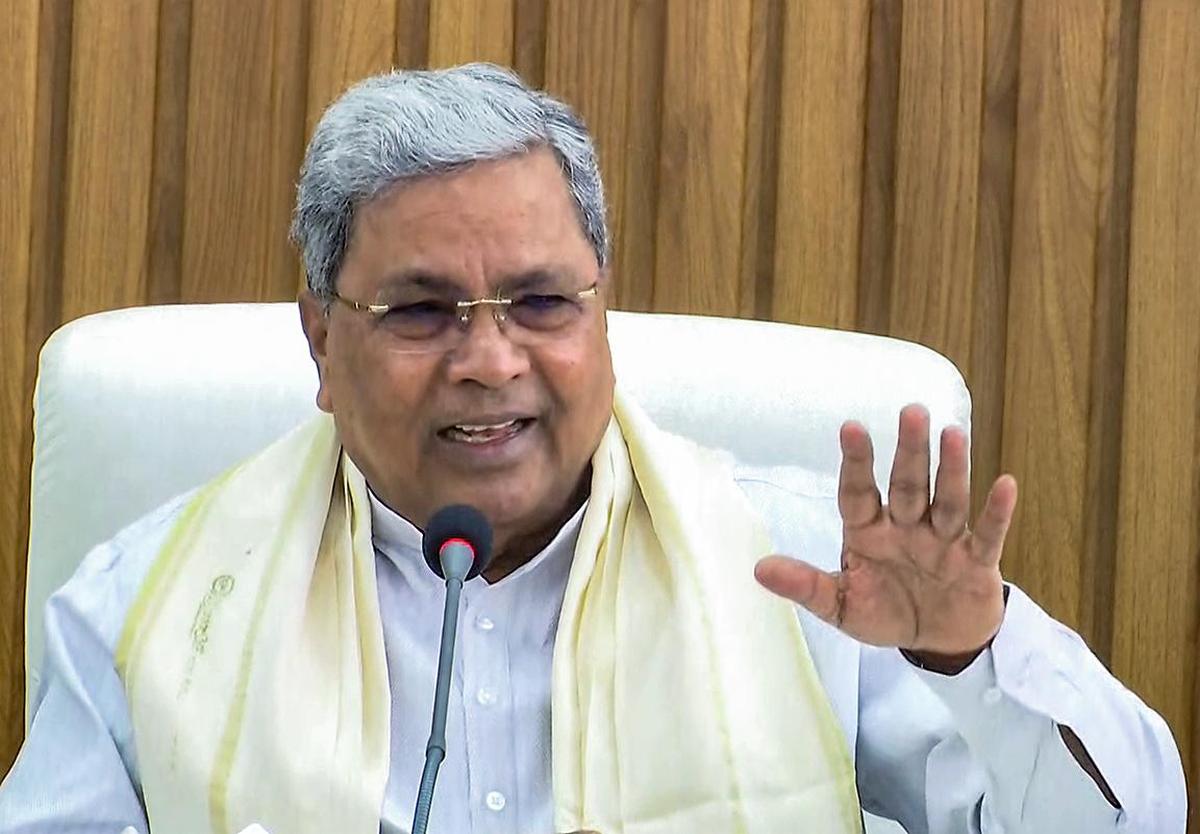
Economic Implications of Lower GST Growth
Economists warn that prolonged shortfall in GST revenue may affect the States’ fiscal health. Reduced collections can limit budgetary allocations, delay infrastructure projects, and constrain social welfare schemes. In Karnataka, the CM emphasised that compensatory payments from the Centre are crucial for maintaining financial stability. Analysts also note that slower GST growth reflects broader economic trends, including changing consumption patterns, compliance challenges, and inflationary pressures. Ensuring predictable revenue flows is vital to mitigate potential disruptions in governance and economic planning at the State level.
The Chief Minister underscored that revenue shortfalls disproportionately affect programs targeting vulnerable populations. Health insurance schemes, subsidies for education, and rural livelihood initiatives depend on timely funding. Siddaramaiah highlighted that any delay in GST compensation can undermine the effectiveness of these programs, potentially affecting millions of beneficiaries. The appeal calls on the Centre to maintain transparency in allocation and expedite payments to ensure that developmental priorities remain uninterrupted, reinforcing the commitment to inclusive growth.
Karnataka’s finance officials have suggested that structural reforms in GST collection and reconciliation could improve revenue predictability. Enhanced data analytics, timely audits, and improved compliance monitoring may bridge gaps in projected and actual collections. Siddaramaiah emphasised that while administrative improvements are ongoing, the Centre’s support in providing compensatory funds remains indispensable. Experts highlight that fiscal collaboration and proactive policy adjustments are essential to address revenue volatility while sustaining State-led development initiatives.
The slowdown in GST growth also affects investment and business planning. Private enterprises rely on predictable taxation policies and timely reimbursements to plan operations, expansions, and employment generation. Siddaramaiah pointed out that revenue uncertainty could indirectly impact investor confidence in Karnataka, a State traditionally seen as an industrial and technological hub. Centre’s swift intervention in compensating revenue shortfalls would reassure stakeholders, maintain economic stability, and support long-term growth trajectories across sectors.
The Chief Minister’s appeal has prompted discussions among States and Union finance officials on revising revenue-sharing formulas. Delays in GST compensation have been a recurring concern, with States advocating for more predictable disbursement schedules. Siddaramaiah stressed that collaborative mechanisms must be strengthened to ensure timely payments, reducing fiscal stress and enabling uninterrupted governance. Analysts argue that addressing this issue is critical for sustaining cooperative federalism and reinforcing public trust in the taxation framework.
Officials report that Karnataka has faced lower-than-expected GST inflows in multiple tax categories, including central and state levies on goods and services. Siddaramaiah noted that these shortfalls impact both recurring expenditure and capital projects, limiting the State’s ability to implement new schemes. By urging the Centre for immediate compensation, the CM aims to stabilise the State’s financial position and maintain continuity in critical development programs. Economists emphasise that such interventions are essential to preserve macroeconomic stability at the regional level.
Political observers suggest that Siddaramaiah’s proactive stance underscores Karnataka’s assertive approach toward fiscal federalism. By highlighting the impact of revenue shortfalls, the CM seeks to strengthen the State’s negotiating position with the Centre. Analysts note that this approach is likely to resonate with other States facing similar challenges, potentially prompting coordinated efforts to ensure timely GST compensation nationwide. The emphasis on transparency, predictability, and fairness forms the core of this appeal.
Centre-State Coordination and Policy Measures
The Union finance ministry has acknowledged concerns regarding GST revenue growth but cites structural factors and compliance delays as contributing causes. Karnataka’s CM reiterated that while States are improving collection efficiency, timely compensation remains critical to ensure continuity of public services. Officials suggest that policy measures, including revised disbursement schedules, automated reconciliations, and improved monitoring, could address revenue shortfalls and reduce future discrepancies. Effective Centre-State coordination is central to sustaining fiscal stability and enabling uninterrupted developmental progress.
Siddaramaiah’s government has undertaken several internal measures to enhance GST compliance and revenue efficiency. These include strengthening audit mechanisms, digital monitoring of tax filings, and outreach to taxpayers to reduce default rates. While these efforts have yielded incremental gains, the CM emphasised that structural support from the Centre in the form of timely compensation remains indispensable. Analysts argue that a balanced approach combining administrative improvements and compensatory frameworks can ensure fiscal stability and sustained public service delivery.
The appeal also underscores the impact on social and welfare schemes. Karnataka has ambitious plans for public health, education, and rural development initiatives, all requiring predictable funding. Siddaramaiah stressed that lower-than-expected GST inflows can jeopardise these programs. Compensatory payments from the Centre are crucial to ensure that developmental objectives continue without disruption. Analysts note that predictable revenue streams reinforce governance credibility and help maintain public confidence in the State administration.
Experts highlight that delayed GST compensation can have long-term implications for investment and economic growth. States rely on timely revenue to fund infrastructure projects, attract private investment, and support employment generation. Siddaramaiah pointed out that a stable fiscal environment is essential for Karnataka’s industrial, IT, and manufacturing sectors. Centre’s cooperation in compensating revenue shortfalls will not only stabilise finances but also create a favourable climate for business and economic expansion across the State.
The CM’s appeal has drawn attention to broader concerns regarding the GST framework. While GST has unified indirect taxation, revenue volatility continues to affect State budgets. Analysts argue that revisiting mechanisms for compensation, ensuring predictable schedules, and strengthening monitoring are critical steps. Karnataka’s initiative may prompt similar appeals from other States, signalling the need for a nationwide review of revenue-sharing and compensation protocols to safeguard fiscal stability.
Karnataka’s finance department continues to monitor GST inflows, identifying sectors contributing to shortfalls. Siddaramaiah emphasised the importance of accurate data collection and transparent reporting to ensure accountability. Early identification of gaps allows both State and Centre to address issues proactively, preventing compounding fiscal stress. Economists argue that such a data-driven approach, combined with timely compensation, can enhance financial planning and mitigate the impact of slower GST growth on governance and development projects.
The Chief Minister has highlighted the social impact of revenue shortfalls, noting that welfare programs for marginalised communities depend on uninterrupted funding. Health schemes, educational initiatives, and rural livelihood programs require predictable budgets. By urging the Centre to provide compensation, Siddaramaiah seeks to protect vulnerable populations from disruptions caused by fiscal gaps. Analysts observe that fiscal cooperation between Centre and States is not only a financial necessity but also a moral imperative to sustain inclusive development.
Officials report that Karnataka has consistently maintained compliance with GST norms, improving filing and reporting systems. Despite these efforts, compensatory delays continue to affect financial planning. Siddaramaiah emphasised that timely intervention by the Centre will provide fiscal stability, enable smooth execution of development projects, and maintain public confidence in governance. Experts suggest that strengthening institutional frameworks for compensation can prevent future bottlenecks and ensure sustainable State finances.
The CM’s appeal comes at a crucial time as States plan budgets for upcoming fiscal years. Predictable revenue inflows from GST are essential to finalise allocations for infrastructure, health, education, and social welfare programs. Siddaramaiah’s proactive engagement with the Centre reflects Karnataka’s commitment to maintaining fiscal discipline while ensuring uninterrupted public service delivery. Analysts highlight that coordinated action between State and Union governments is central to addressing structural challenges and fostering economic stability.
Political analysts note that Karnataka’s approach could set a precedent for other States facing similar GST revenue shortfalls. Coordinated appeals, transparency in financial data, and collaborative dialogue with the Centre are essential for long-term fiscal stability. Siddaramaiah’s emphasis on timely compensation reflects a broader call for strengthening mechanisms that balance Centre-State responsibilities and ensure uninterrupted governance. The focus on financial predictability underlines the importance of cooperative federalism in sustaining India’s economic development.
In conclusion, Karnataka CM Siddaramaiah’s appeal to the Centre for compensating revenue shortfalls due to slower GST growth underscores the State’s commitment to fiscal stability and public service continuity. Timely intervention is crucial for sustaining infrastructure development, social welfare schemes, and economic growth. Coordination between Centre and States, transparent mechanisms, and proactive policy measures will determine the effectiveness of this initiative. Karnataka’s stance highlights the importance of predictable revenue flows, cooperative governance, and fiscal prudence in maintaining both State development objectives and public confidence.
Follow: Karnataka Government
Also read: Home | Channel 6 Network – Latest News, Breaking Updates: Politics, Business, Tech & More
