
The Karnataka High Court has delivered a dramatic verdict in the ongoing admissions dispute: it has set aside the third-round provisional allotment list for MBBS and BDS courses issued by Karnataka Examinations Authority (KEA), ordering that the entire round be redone. The decision comes after numerous petitions challenged the fairness and transparency of the allotment process conducted recently. The annulment of the provisional list has shaken hopes of many students eagerly awaiting admission, while offering a flicker of hope for those who felt wronged by the earlier round.
Across Karnataka, medical and dental aspirants who had provisionally secured seats are now faced with uncertainty and anxiety. The cancellation means that assignments they may have counted on are no longer guaranteed, and they must await fresh counselling. For students who had reported to colleges, made plans, or even begun preparations for joining — the court’s order feels like a sudden reversal of fortune. At the same time, those who felt unfairly left out by the prior allotment see a chance for justice. The atmosphere is one of confusion, tension and cautious optimism.
Students and parents closely monitoring the developments have expressed mixed emotions. Some are frustrated — fearing that their earlier allotment might vanish, leaving them scrambling once again. Others feel relieved, believing that the fresh round will correct past injustices where merit and eligibility may have been overlooked. Many families have held off finalising plans — hostel bookings, relocations, fee payments — signaling the seriousness with which they now regard the fresh uncertainty. It is a moment of limbo for thousands across the state.
The challenge to the October-24 provisional list was rooted in complaints from students who argued that the process lacked transparency. A key contention was that after the addition of 443 new MBBS seats in certain colleges, fresh registrations and seat-options were allowed — but this, according to petitioners, was not part of the originally published guidelines. The resulting allotments allegedly bypassed some higher-ranked or eligible candidates in favour of others. These concerns triggered the legal proceedings that culminated in the High Court’s verdict.
In response to the petitions, when the case first came up, the High Court had intervened to prevent finalisation of the third-round seats. The provisional list remained under challenge, and the court ordered KEA to hold off on declaring a final allotment. That interim order bought time for a detailed judicial review of the entire counselling exercise. Many students welcomed this pause, hoping that justice would be served and procedural fairness ensured before final allocations became binding. The stakes had always been high — medical seats, after all, can shape futures.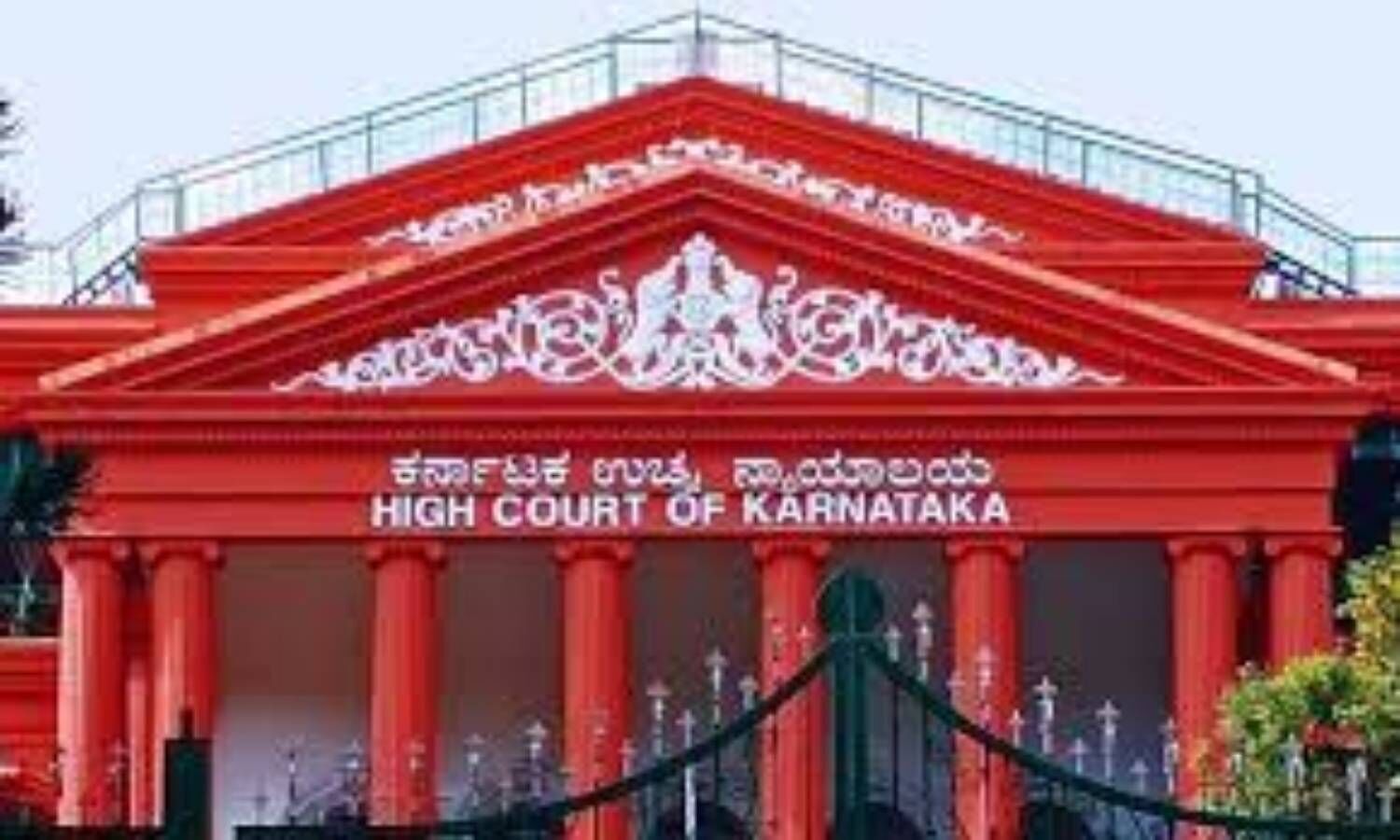
Transparency Questioned — Fresh Counselling Ordered: Karnataka
On the day of the decision, a deeper bench reviewed the matter and annulled the provisional list in its entirety. The court observed that the manner of introducing new seats mid-process, including allowing fresh registrations, had “rendered the counselling process opaque,” raising serious doubts about merit-based allocation. The judgement specifically directed KEA to conduct the third round of counselling afresh, strictly following the principles laid down by the apex court in a prior landmark case involving admissions allocation. The authorities have also been ordered to conclude the fresh allotment — including both stages of the third round — and declare the final list by a fixed date to avoid further delay.
For the students, this means a full re-ranking and re-allocation of seats, which could drastically alter the earlier provisional outcome. Some candidates who were earlier allotted seats — and had already accepted them — may lose their allocation. Conversely, those who missed out earlier may find themselves assigned seats on merit. The entire process must now be redone under greater scrutiny, with transparency and fairness as the guiding principles. For many, this is a second chance — but also a second period of uncertainty.
For authorities at KEA, the challenge ahead is enormous. The directive to redo counselling under tight deadlines demands careful planning. They must ensure that the fresh allotment process is transparent, merit-based, and free from the procedural oversights that led to this crisis. Communication with students must be clearer; all eligible candidates should get fair opportunity. At the same time, administrative efficiency will be tested, because thousands of aspirants expect quick resolution so their academic year is not disrupted further.
Among the students, reactions remain mixed. Some are vocal in their anger, blaming the earlier flawed allotment for causing distress, lost time, and false hopes. Others, however, see this as an opportunity to rectify wrongs. Many have turned to peer groups and social media to discuss possibilities — what colleges they might get now, whether their chances have improved, and whether the seat matrix might shift. Anxiety is high, because the outcome now depends not only on their NEET rank but also on how the fresh counselling is structured.
Parents of aspirants have voiced strong concerns. For many families, especially those from smaller towns, securing admission into a government medical or dental college has been a dream — accompanied by hopes of affordable education, stable future, and social mobility. The rollback of the provisional list threatens those dreams. Some parents have already spent money — on travelling, temporary lodging, or paid application fees — expecting the seat to be confirmed. The uncertainty now looms large, causing frustration and fear of loss.
For those who had provisionally accepted seats, the court’s verdict feels like lost ground. Some had started planning travel, hostel arrangements, or fee payments. Others had mentally prepared to move to new cities. Now, with everything on hold, they must wait — with no clarity on whether their effort and decisions will pay off. The emotional toll is evident. Students report sleepless nights, confusion, and a sense of limbo. For many, this isn’t just about a seat — it’s about hopes, aspirations and future careers.
The impact goes beyond individual candidates — the entire medical admissions ecosystem in Karnataka is shaken. Colleges preparing to welcome new batches now face uncertainty. Administrative schedules might be disrupted. Academic calendars may need adjustment. For institutions that had planned intake and orientation sessions, the sudden change brings logistical headaches. For medical aspirants across the state, it feels like the ground has shifted beneath their feet.
Legal experts say that the High Court’s decision is a wake-up call. Allowing new seats mid-process and fresh registrations without clearly updating the admission policy, they argue, compromises fairness. In their view, such shifts must be communicated transparently in official bulletins, and all candidates must be given equal chance under updated rules. Otherwise, merit and fairness — the core of such counselling — are undermined. The court’s verdict aims to restore that balance. But it also signals the urgency of reform in counselling procedures.
For many students, this fresh round may not just be a second chance — it might determine their future career path. Those now hopeful of admission may finally get their chance. Others may lose seats and will need to re-evaluate plans. In a sense, everyone now stands at a crossroads. The final outcome, when published, will influence not just which college they attend — but the kind of education, financial burden, and opportunities they receive. The stakes are high — and so is the stress.
Observers note that the ripple effects could be long-term. Delayed admissions might push back the academic calendar; orientation, classes, and internship schedules might shift. For students from rural or remote backgrounds, delays in hostel allotment, financial planning, or relocation could become serious hardships. The uncertainty adds to pressure already high among medical aspirants — who deal with entrance exam stress, cut-offs, and fierce competition. Now, procedural turbulence adds another layer of anxiety.
Meanwhile, some students and activists are calling for greater transparency in not just seat allotments, but the entire counselling system — especially when seat matrices are adjusted mid-process. They argue for publicly accessible data: when new seats are added, which colleges, how many seats, who is eligible for fresh registration, and how preference ranking will adjust. They contend that only through such openness can confidence in the process be restored. The High Court’s demand for a fresh round is seen as the first step — but not the last.
As KEA prepares to roll out fresh counselling, many students are on edge. They are closely watching for official notifications, updated seat-matrices, option-entry windows, and revised schedules. Some have started preparing backup plans — alternate career paths, tuition-fee funding, or private college options — in case government seats slip away. The pressure is palpable. What could have been a celebratory moment — securing a medical seat — has turned into a test of endurance, patience, and hope.
For parents and guardians, the coming weeks will be difficult. Many have delayed big decisions — resignations, relocations, travel plans — waiting for final confirmation. Some fear financial loss if seats are lost or fees paid elsewhere. Others worry about missed academic sessions, backlog, or wasted time. The emotional burden is heavy. For entire families, the dream of a doctor’s career now dangles on a thread of judicial and administrative decisions.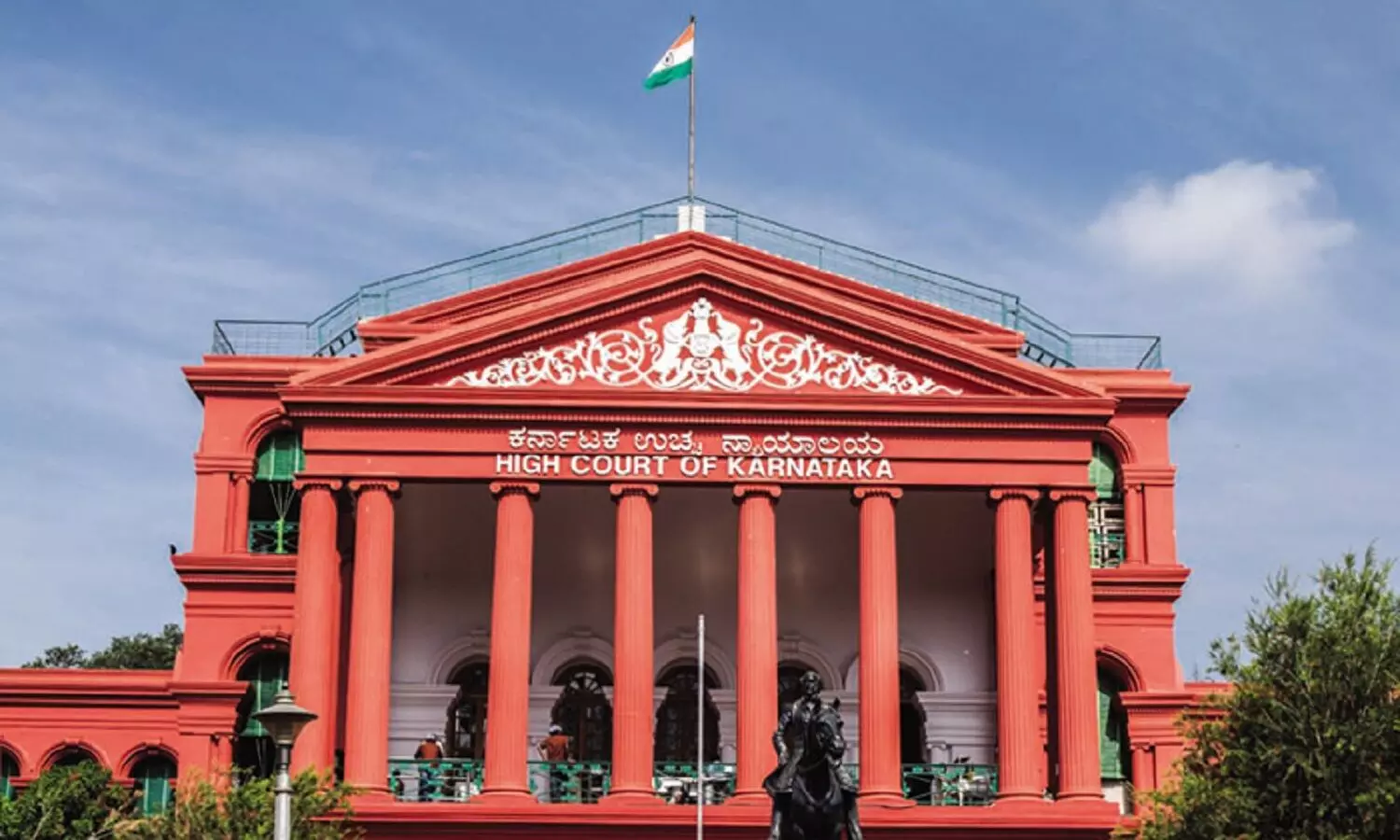
In the midst of all this, the court’s verdict is being hailed by some as a victory for fairness — a chance to correct flawed allotments and restore merit-based admissions. For others, it’s a painful disruption. For the state’s medical aspirants, it is both: a second chance and a renewed uncertainty. Whether the fresh round will deliver justice or deepen confusion remains to be seen. What is certain is that thousands of futures depend on the next few weeks.
As the new counselling proceeds, students, parents, colleges and authorities alike face a delicate balancing act — fairness versus speed, transparency versus convenience, hope versus frustration. The decisions taken now will determine not just the composition of this year’s medical batch, but the faith of many in the admissions process itself. For an entire generation of aspirants, this moment is turning into a test of trust — in institutions, in courts, in fairness — perhaps for the very first time in their journey.
Follow: Karnataka Government
Also read: Home | Channel 6 Network – Latest News, Breaking Updates: Politics, Business, Tech & More
