
The Karnataka High Court’s decision to stay the First Information Report registered against a private drone development firm has triggered wide debate across legal, technological, and administrative circles. The court’s move, coupled with its directive seeking an explanation from the concerned police inspector, has brought the spotlight on how emerging technology firms are investigated and regulated.
The High Court’s intervention has also prompted renewed discussion within policy circles about the need for a specialised regulatory interface for emerging technologies such as drones, artificial intelligence, and robotics. Policy analysts argue that without clearly defined escalation mechanisms, local enforcement agencies may continue to act independently, increasing the risk of conflicting interpretations of the law. They suggest that a single-window coordination system involving police, aviation regulators, and state technology departments could prevent premature criminalisation while still addressing legitimate security concerns in a timely manner.
Within the legal fraternity, the case is being seen as another instance where courts are being compelled to step in due to administrative ambiguity rather than deliberate wrongdoing. Several senior lawyers have pointed out that FIRs registered without robust preliminary inquiry often fail to withstand judicial scrutiny, leading to unnecessary litigation and burdening the justice system. They note that such cases consume valuable court time that could otherwise be devoted to serious crimes, underscoring the importance of internal checks before invoking criminal provisions.
The episode has also had a ripple effect on Karnataka’s startup ecosystem, with founders privately expressing concern about regulatory unpredictability. Entrepreneurs say that while they acknowledge the importance of national security and compliance, they seek consistency and transparency in enforcement. Some have called for regular sensitisation programmes for police officers on startup laws and sector-specific regulations, arguing that mutual understanding between innovators and enforcers is essential for a healthy innovation climate.
As the matter awaits further hearing, the High Court’s insistence on a detailed explanation from the police inspector is expected to set the tone for subsequent proceedings. Observers believe the court may use the opportunity to lay down broader guidelines on how police should approach cases involving specialised technology sectors. Such guidance, if issued, could serve as a reference point across the State, helping align policing practices with constitutional principles and the evolving demands of a technology-driven economy.
KARNATAKA HIGH COURT
At the heart of the matter lies a complex intersection of national security concerns, innovation governance, and procedural accountability within the police machinery. The case has assumed significance not merely because it involves a drone company, but because it raises broader questions about due process, proportionality of state action, and the treatment of technology-driven enterprises in India.
According to the petition placed before the High Court, the drone development firm alleged that the FIR was registered in haste, without adequate preliminary verification or consultation with competent authorities governing aviation and unmanned aerial systems. The firm argued that its activities were being conducted within the legal framework and under necessary permissions, and that the police action had caused reputational damage and operational disruption. The High Court, after hearing preliminary submissions, found merit in examining whether established procedures had been followed before invoking criminal law, leading to the interim stay on the FIR.
The court’s order has drawn attention to the expanding use of drones in sectors such as agriculture, infrastructure inspection, disaster management, and defence research. As drones increasingly become dual-use technologies, capable of both civilian and military applications, regulatory clarity and enforcement discipline become critical. The judiciary’s intervention in this case signals a cautious approach, ensuring that innovation is not stifled by arbitrary action, while also recognising the legitimate concerns of law enforcement agencies tasked with maintaining security.
Senior advocates observing the proceedings noted that the High Court’s insistence on an explanation from the police inspector reflects judicial concern over accountability at the operational level. Rather than merely staying the FIR, the court has sought to understand the rationale behind the decision to register the case, including whether higher authorities were consulted and whether statutory guidelines were adhered to. This aspect of the order has been seen as a reminder that investigative powers must be exercised responsibly, especially in sensitive domains involving advanced technology.
From the State’s perspective, officials have maintained that the registration of the FIR was driven by inputs suggesting potential violations related to drone usage and data handling. They argued that in an era where drones can pose security risks if misused, the police cannot afford complacency. However, the High Court’s intervention underscores the need to balance vigilance with fairness, ensuring that suspicion is supported by credible material before initiating criminal proceedings.
Judicial Scrutiny and the Question of Due Process
The High Court’s stay order has been widely interpreted as a reaffirmation of the principle that criminal law should not be the first resort in regulatory or technical disputes. Legal scholars point out that the Supreme Court and various High Courts have repeatedly cautioned against the misuse of FIRs to address issues that may be better handled through administrative or civil mechanisms. In the present case, the court’s observations suggest that it is keen to examine whether the alleged violations, if any, fell within the jurisdiction of specialised regulatory bodies rather than the local police station.
During the hearing, the bench reportedly questioned whether the police inspector had the technical expertise or statutory mandate to assess compliance issues related to drone development and testing. This line of inquiry highlights a systemic challenge faced by law enforcement agencies as technology evolves faster than institutional capacity. Without adequate training and coordination with domain experts, there is a risk of overreach, leading to legal setbacks and erosion of public confidence.
The requirement for the police inspector to submit an explanation has also been viewed as an assertion of judicial oversight over investigative discretion. By demanding accountability from the officer concerned, the court has signalled that procedural lapses will not be overlooked. This approach aligns with a growing judicial trend of scrutinising not just the legality of actions, but also the manner in which power is exercised by state functionaries.
For the drone firm, the stay on the FIR offers temporary relief, allowing it to continue operations without the immediate shadow of criminal proceedings. Company representatives have stated that the order vindicates their stand that the allegations were premature and unfounded. They have expressed hope that a detailed judicial examination will ultimately lead to the quashing of the FIR, restoring confidence among investors and partners.
At the same time, the case has sparked a conversation within the startup and technology ecosystem about regulatory engagement. Industry bodies have reiterated the need for clear channels of communication between innovators and enforcement agencies. They argue that misunderstandings often arise due to ambiguity in rules or lack of awareness, which can be resolved through dialogue rather than coercive action.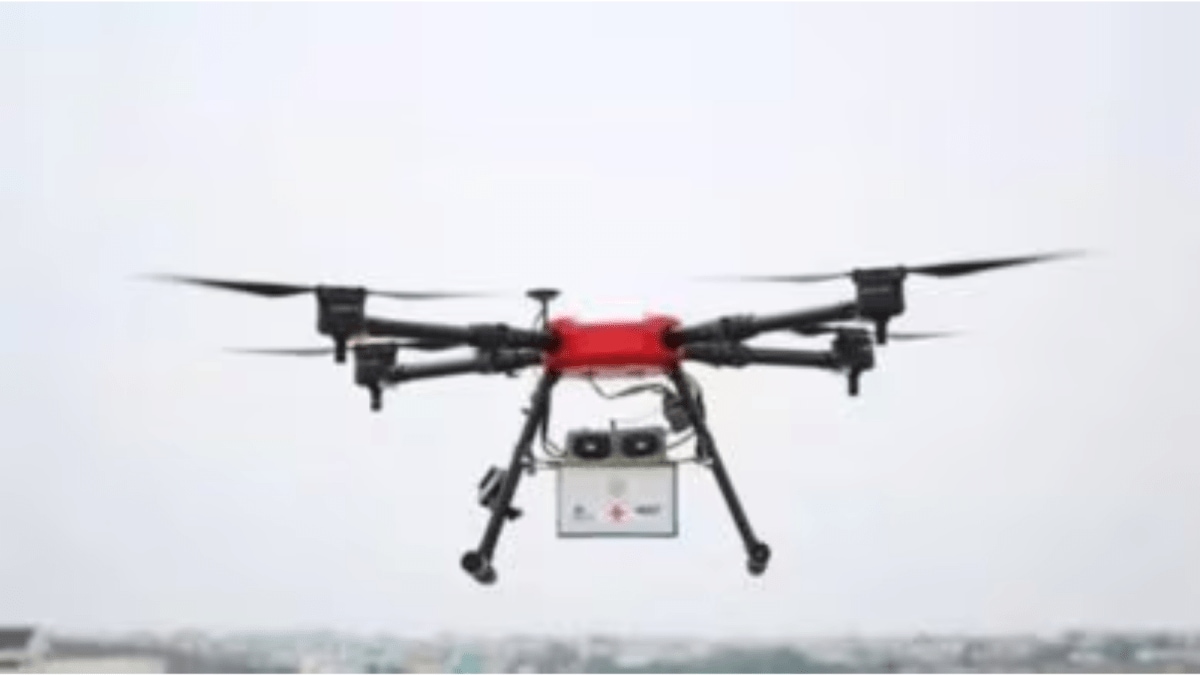
The State government, meanwhile, faces the delicate task of defending its agencies while respecting judicial directions. Officials are expected to place relevant records before the court, detailing the basis on which the FIR was registered. The outcome of this process could have implications beyond the immediate case, potentially shaping internal guidelines for police action in matters involving specialised technologies.
Implications for Innovation, Policing, and Governance
The broader implications of the High Court’s order extend into the realms of innovation policy and governance. As Karnataka positions itself as a hub for technology and startups, the manner in which regulatory and enforcement issues are handled becomes a factor in sustaining investor confidence. The perception that firms can be subjected to abrupt criminal action without due process may deter experimentation and risk-taking, which are essential for technological advancement.
Experts in technology law have observed that drones occupy a particularly sensitive regulatory space, governed by a mix of civil aviation rules, defence considerations, and data protection norms. Effective enforcement in this area requires coordination among multiple agencies, including aviation authorities, defence establishments, and civil administration. The present case highlights the pitfalls of fragmented oversight, where local-level action may not always align with broader regulatory intent.
For the police, the episode serves as a reminder of the need for capacity building. Training officers to understand emerging technologies and the legal frameworks governing them is crucial to avoid errors that invite judicial censure. The High Court’s demand for an explanation from the inspector could prompt introspection within the department, leading to clearer protocols and supervisory mechanisms.
Civil liberties advocates have welcomed the court’s intervention, viewing it as a safeguard against the criminalisation of legitimate business activity. They argue that the power to register an FIR carries serious consequences and must be exercised with restraint. In their view, the judiciary’s role in checking executive excess is especially important in cases involving novel technologies, where fear and unfamiliarity can drive disproportionate responses.
Conversely, security analysts caution against reading the stay order as a dilution of vigilance. They stress that drones have been used in hostile activities, including smuggling and surveillance, and that law enforcement agencies must remain alert. The challenge, they say, lies in distinguishing between genuine threats and lawful innovation, a task that requires both technical knowledge and procedural fairness.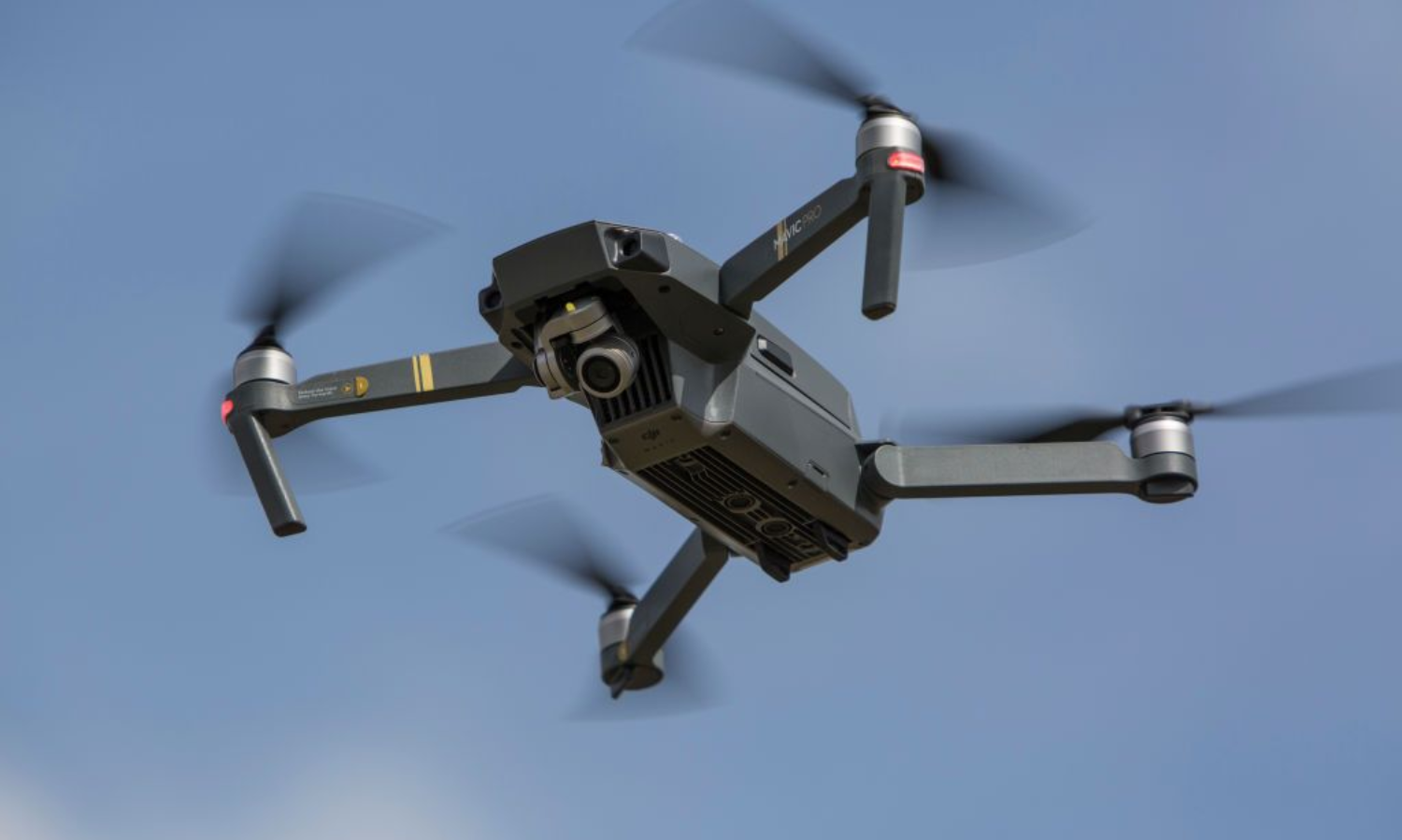
As the case progresses, the High Court’s final decision will be closely watched by multiple stakeholders. Whether the FIR is ultimately quashed or allowed to proceed after procedural corrections, the reasoning adopted by the court is likely to influence future interactions between technology firms and enforcement agencies. The emphasis on accountability and due process could set a benchmark for handling similar disputes.
In conclusion, the Karnataka High Court’s stay of the FIR against the private drone development firm is more than an interim relief in an isolated case. It reflects deeper tensions between innovation and regulation, security and liberty, discretion and accountability. By seeking an explanation from the police inspector, the court has underscored that the rule of law applies as much to the exercise of power as to its objectives. The unfolding of this case will not only determine the fate of the firm involved but may also shape the contours of governance in an increasingly technology-driven society.
Follow: Karnataka Government
Also read: Home | Channel 6 Network – Latest News, Breaking Updates: Politics, Business, Tech & More
