
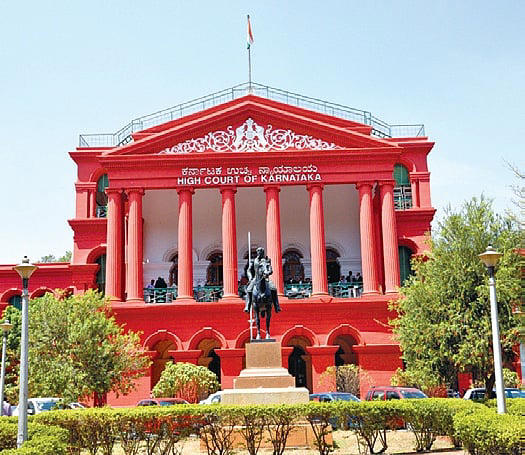
The Karnataka High Court’s decision to stay an earlier order that permitted free access through the Somanahalli toll plaza for vehicles belonging to local residents has triggered fresh discussion about toll regulation, public convenience, and the legal framework governing road infrastructure. The interim stay effectively pauses the implementation of the relief that had allowed certain commuters to pass without paying user charges, restoring the status quo until further hearings. The development has drawn attention from daily travellers, transport operators, and local communities who rely on the stretch for routine movement between nearby areas.
The case also brings attention to how dispute resolution mechanisms operate in infrastructure governance. Courts often serve as forums of last resort when administrative negotiations do not yield consensus. However, judicial processes take time, and interim arrangements can feel uncertain for affected communities. Strengthening dialogue channels between residents, local authorities, and concessionaires may help address concerns earlier, reducing reliance on prolonged litigation. Structured consultation models, where grievances are reviewed periodically, can complement legal proceedings and foster more cooperative problem-solving approaches.
Urban expansion patterns are another factor shaping such conflicts. Areas that were once sparsely populated have transformed into residential and commercial hubs, increasing local dependence on what were designed as regional corridors. Planning frameworks sometimes lag behind these demographic changes, leaving toll systems misaligned with ground realities. Cases like the Somanahalli dispute highlight the need for adaptive policy reviews that consider how infrastructure usage evolves over time. Periodic reassessment of toll boundaries and user categories could help reduce friction.
From a fiscal standpoint, authorities must also weigh how exemptions or discounts affect long-term infrastructure sustainability. Road development often relies on repayment models tied to projected toll revenues. Any significant reduction in collections may require renegotiation of agreements or alternative funding sources. Balancing fiscal responsibility with social equity is therefore a delicate exercise. Courts examining such issues must consider not only individual hardship but also broader implications for public finance and service delivery.
Transport planners suggest that integrated mobility planning can mitigate similar challenges. When alternate local roads, service lanes, or public transport options are developed alongside highways, dependence on toll corridors may decrease. Investment in feeder networks and affordable transit services can provide residents with choices, reducing pressure to seek toll waivers. Infrastructure strategies that anticipate mixed-use demands are more likely to remain resilient as settlement patterns shift.
Ultimately, the High Court’s stay signals that while community concerns are legitimate, solutions must emerge within structured legal and policy frameworks. The ongoing proceedings may encourage governments to revisit toll policies with a view to clarity, fairness, and adaptability. By addressing both contractual stability and citizen needs, future decisions could help shape a more balanced approach to funding and managing transport infrastructure in regions experiencing rapid growth.
The case emerged from petitions that questioned whether residents living close to the toll plaza should be exempted from paying charges for frequent short-distance travel. Supporters of the exemption had argued that toll systems are primarily designed for long-distance highway users, and that local residents often bear disproportionate costs despite using only small portions of the road. The earlier order granting relief was seen by many as recognition of this concern. However, the High Court’s stay indicates that the legal and contractual dimensions of toll operations require closer examination before any exemption can be sustained.
Toll plazas operate within agreements involving government agencies and concessionaires responsible for constructing, maintaining, and operating road stretches. These arrangements typically include revenue projections and defined categories of vehicles eligible for concessions. Altering access conditions without reviewing contractual obligations can have financial and legal implications. The High Court’s intervention suggests that such decisions must align with established frameworks rather than being introduced without comprehensive assessment of their impact on existing agreements and public policy.
For commuters, the stay has immediate practical consequences. Residents who had expected relief from daily toll expenses now face continued payment requirements until the matter is resolved. This has renewed conversations about the balance between infrastructure funding and local affordability. Many households near toll points use the same road repeatedly for work, education, and essential services. When toll costs accumulate, they can represent a significant recurring expense. The court’s decision therefore sits at the intersection of legal process and everyday economic realities.
LEGAL AND CONTRACTUAL QUESTIONS AT THE CORE
Legal experts explain that toll exemptions are not purely administrative choices but are often governed by central and state policies, concession agreements, and regulatory norms. Courts reviewing such matters must consider whether earlier orders adequately accounted for these dimensions. The stay order indicates that the High Court seeks to examine whether granting blanket free access to a specific group might conflict with contractual terms or broader policy guidelines. Interim stays are commonly issued to maintain existing conditions while legal questions are fully addressed.
Another aspect relates to uniformity. Toll policies generally aim to apply consistent rules across locations to avoid unequal treatment. If exemptions are granted in one case without clear legal basis, similar demands may arise elsewhere, complicating administration. Authorities must therefore demonstrate that any concession is supported by policy, feasibility, and financial sustainability. The court’s scrutiny highlights the need for structured decision-making rather than ad hoc solutions to local grievances.
Transport authorities often note that toll revenues support maintenance, loan repayment, and operational expenses. Concessionaires rely on projected income to manage road upkeep and service standards. Sudden changes in eligibility for payment can disrupt these calculations. Courts evaluating such issues must weigh public interest in affordable access against the need to preserve contractual stability and infrastructure quality. The stay does not resolve this balance but signals that it requires careful legal consideration.
At the same time, the judiciary remains attentive to citizen concerns. Residents’ petitions reflect lived realities where daily travel through toll points becomes unavoidable. Legal forums provide a channel for such grievances, especially when policy gaps leave communities feeling burdened. The High Court’s decision to hear the matter in detail suggests that while immediate relief is paused, the underlying issues will be examined thoroughly rather than dismissed.
IMPACT ON COMMUNITIES AND POLICY DEBATE
Local residents have expressed mixed reactions. Some view the stay as a setback that prolongs financial strain, while others see it as part of a broader legal process that could eventually clarify their rights. Community groups have emphasised that people living near toll plazas often lack alternative routes, making toll payment unavoidable. They argue that policy frameworks should recognise this distinct category of users. The current legal proceedings may therefore contribute to a wider policy discussion beyond the specific location.
Policy analysts point out that toll systems across the country have faced similar debates. Rapid urban expansion has turned what were once peripheral highways into busy local corridors. Infrastructure designed for through-traffic now serves residential populations, blurring the line between highway and local road use. This evolution challenges traditional toll models. Courts, governments, and concessionaires increasingly confront questions about adapting systems to changing settlement patterns while maintaining financial viability.
Administrative authorities may also review whether special passes, discounts, or limited exemptions can be structured within legal frameworks. Some regions have introduced resident passes at reduced rates rather than full waivers. Such models attempt to balance equity with revenue needs. The High Court’s ongoing consideration of the Somanahalli issue could influence how similar solutions are framed in the future, especially if the judgment outlines guiding principles for handling local-user concerns.
Economic considerations remain central. For households with modest incomes, daily toll charges add to living costs. Transport expenses directly affect employment choices and access to education or healthcare. When roads serve both regional and local functions, funding models must account for social impact. Legal debates around tolls thus connect to broader questions of inclusive infrastructure development and the distribution of public costs.
From a governance perspective, the case underscores the importance of transparent communication. Clear explanation of toll policies, concession agreements, and available grievance mechanisms can reduce misunderstanding. When residents feel informed and consulted, conflicts may be managed more constructively. Authorities handling such disputes often face the dual task of upholding legal contracts and responding to citizen expectations shaped by changing urban realities.
The High Court’s interim stay also highlights procedural caution. Rather than allowing a significant change to operate before legal clarity is achieved, the court opted to preserve existing arrangements. This approach seeks to prevent potential complications if the earlier order is later modified or set aside. While this may temporarily disappoint some commuters, it reflects the judiciary’s emphasis on orderly adjudication.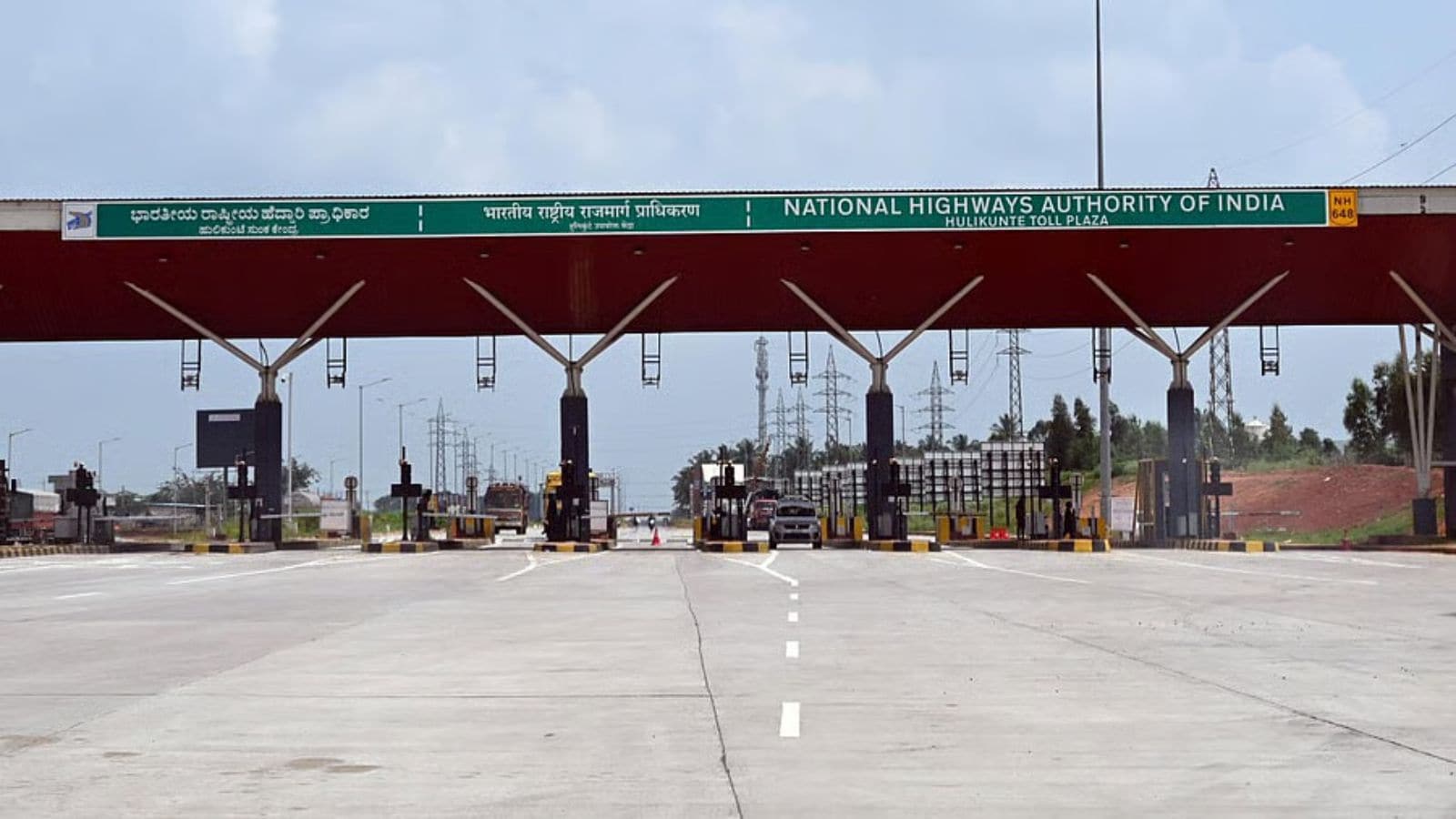
Observers note that the final outcome could have implications beyond a single toll plaza. As cities grow and infrastructure networks expand, similar issues may arise elsewhere. Judicial guidance on how to balance contractual commitments with local equity concerns can provide a reference for policymakers and administrators. Clear legal principles help reduce uncertainty and support consistent handling of comparable situations.
In conclusion, the Karnataka High Court’s stay on the order permitting free access through the Somanahalli toll plaza underscores the complexity of toll governance. The issue involves not only commuter hardship but also legal contracts, policy consistency, and infrastructure financing. While immediate relief for local residents is on hold, the proceedings open space for a detailed examination of how toll systems adapt to evolving community needs. The eventual decision may shape future approaches to reconciling legal frameworks with everyday mobility realities in growing urban regions.
Follow: Karnataka Government
Also read: Home | Channel 6 Network – Latest News, Breaking Updates: Politics, Business, Tech & More
