
Karnataka has announced an ambitious plan to develop a comprehensive Digital Heritage Portal aimed at preserving the state’s rich cultural and historical legacy. The portal, envisioned as a centralized digital repository, will feature artifacts, manuscripts, monuments, folk traditions, and oral histories spanning centuries. By integrating modern technology with cultural documentation, the initiative seeks to ensure that Karnataka’s heritage remains accessible to scholars, students, and citizens while safeguarding it against decay or loss. Officials emphasise that this initiative marks a significant step toward leveraging technology for cultural preservation in the 21st century.
The initiative is spearheaded by the Karnataka Department of Archaeology and Museums in collaboration with the Department of Information Technology. It will involve digitisation of thousands of historical documents, rare manuscripts, temple inscriptions, and other cultural records. Using advanced scanning, imaging, and metadata tagging, each item will be catalogued and preserved in digital format. The portal aims to serve as a resource for researchers, historians, educators, and enthusiasts, offering easy online access while reducing the physical handling of fragile materials, thereby prolonging their lifespan.
Karnataka’s cultural wealth is immense, ranging from ancient temples, palaces, and forts to classical art forms such as Yakshagana and Carnatic music traditions. By digitising these diverse elements, the portal aims to create a unified platform that showcases the state’s legacy in a structured and accessible manner. Officials also hope to incorporate virtual reality and interactive tools, allowing users to experience heritage sites and cultural performances remotely. This approach will not only preserve artifacts but also engage younger generations, encouraging continued interest in Karnataka’s rich history.
In addition to physical artifacts, oral traditions and folk literature form a crucial part of Karnataka’s heritage. The Digital Heritage Portal will include recordings of folk songs, narratives, and rituals from different regions, documenting local dialects, performance techniques, and traditional knowledge systems. Teams of researchers and anthropologists will collaborate to capture these intangible cultural assets. The portal’s creators believe that digitising both tangible and intangible heritage will provide a holistic understanding of Karnataka’s cultural identity, bridging gaps between historical scholarship and public engagement.
The project has been welcomed by historians, archaeologists, and cultural activists. Experts emphasise that digitisation can prevent irreversible loss caused by natural decay, theft, or neglect. Additionally, by making heritage digitally accessible, the portal can facilitate global awareness of Karnataka’s cultural contributions. Scholars from across India and the world will be able to study manuscripts, inscriptions, and performances without physical travel, thereby expanding research opportunities. The initiative is seen as both a preservation strategy and a tool for knowledge dissemination.
Technology Meets Tradition: Digitising Karnataka’s Past
Modern technology forms the backbone of the portal. High-resolution imaging, 3D scanning, and virtual reality simulations will allow detailed preservation of sculptures, architecture, and artifacts. Advanced software will manage metadata, ensuring that every item is catalogued with historical context, provenance, and descriptions. Interactive maps and virtual tours of heritage sites will provide users with immersive experiences. By combining digital tools with traditional scholarship, Karnataka aims to create a dynamic platform that goes beyond archiving, offering educational and cultural enrichment for students, researchers, and tourists alike.
The portal will also incorporate machine learning and AI-driven tools to enhance searchability and classification. Algorithms will help in identifying historical patterns, cross-referencing related artifacts, and generating insights for research purposes. Additionally, multilingual access will ensure that information is available in Kannada, English, and other major languages, expanding outreach. Officials stress that technological innovation will be complemented by scholarly rigor, ensuring accuracy, authenticity, and cultural sensitivity throughout the digitisation process.
Funding for the initiative comes from the state government’s cultural preservation budget, supplemented by grants from private institutions and international cultural organisations. The collaborative model will include partnerships with universities, research institutes, and heritage conservation NGOs. By pooling resources and expertise, the project aims to achieve both scale and quality. Government officials have underscored that the portal will be a long-term commitment, with continuous updates, periodic audits, and integration of newly discovered heritage assets over the coming decades.
Community involvement forms a critical part of the project’s success. Local historians, cultural practitioners, and village elders are being invited to contribute knowledge, photographs, and oral histories. Training programs for volunteers and students are being conducted to ensure high-quality digitisation and documentation. By incorporating grassroots knowledge, the portal seeks to capture regional diversity and authenticity. Experts argue that engaging local communities will not only enrich the content but also promote public ownership and responsibility toward preserving Karnataka’s heritage.
Educators and students are expected to benefit significantly from the Digital Heritage Portal. Schools and universities can integrate digital resources into curriculum and research projects. Virtual tours of historical monuments, manuscripts, and traditional performances will supplement classroom learning. Additionally, students of archaeology, history, and performing arts will gain practical exposure to digital preservation techniques. By connecting technology with education, the portal will foster new generations of heritage-conscious citizens and professionals equipped with both cultural knowledge and digital skills.
The initiative also has potential economic implications. Digital access to Karnataka’s cultural heritage can boost tourism by enticing domestic and international visitors to explore historical sites physically. Heritage-based educational programs and cultural festivals linked to the portal may stimulate local economies. Moreover, start-ups and technology providers involved in digitisation, AI, and virtual reality can find opportunities for innovation and business expansion. By merging culture and commerce, the portal aims to create sustainable models for heritage promotion and preservation.
Preservation, Accessibility, and Global Engagement
Experts stress that the portal will serve multiple goals: preservation, accessibility, and global engagement. Digitisation ensures that fragile artifacts are protected while accessible globally. Researchers worldwide can study Karnataka’s manuscripts, inscriptions, and traditional arts remotely, fostering cross-cultural scholarship. The portal’s design also anticipates future integration with global digital heritage initiatives, allowing Karnataka’s treasures to feature in international databases and cultural exchanges. Such engagement strengthens both the state’s visibility and its contribution to the collective understanding of human history.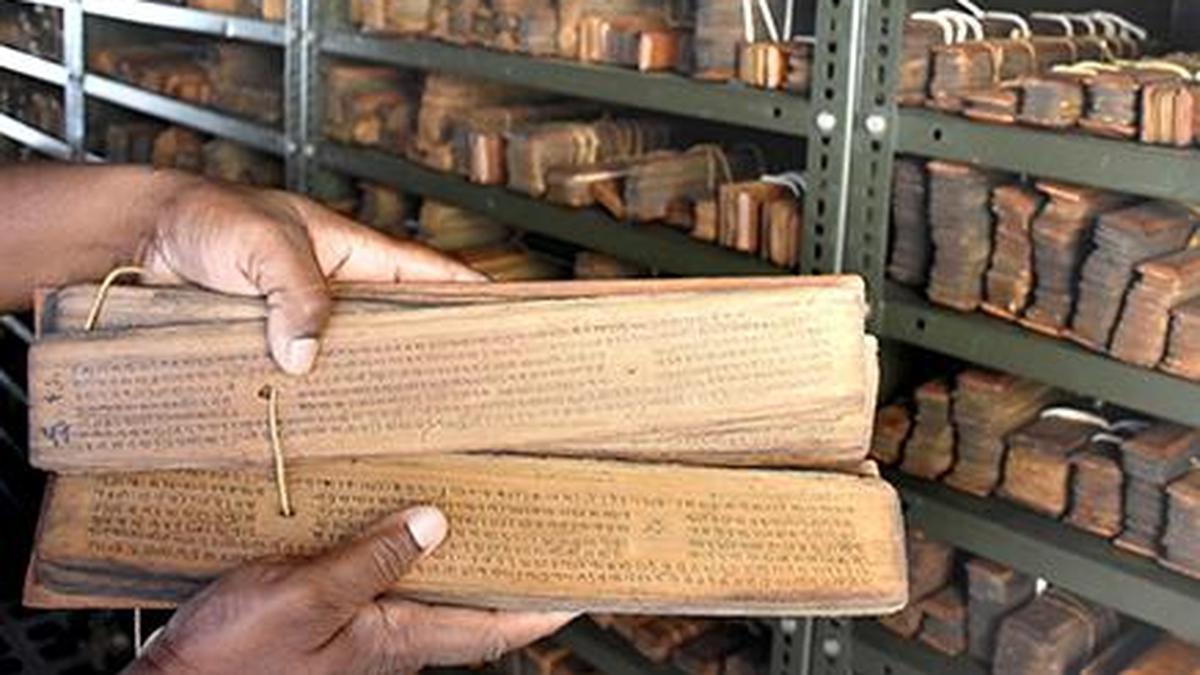
Challenges remain, particularly in documenting vast rural and remote cultural assets. Many traditional performances, folk rituals, and oral histories exist in small villages where access to technology is limited. Project teams are employing mobile digitisation units and portable recording devices to reach these areas. Language barriers, documentation gaps, and preservation of perishable materials are additional hurdles. Officials acknowledge these challenges and emphasise careful planning, local partnerships, and phased implementation to ensure comprehensive coverage.
Security and intellectual property considerations are also crucial. Digital artifacts must be protected against cyber threats, unauthorized copying, and misuse. Measures such as encryption, watermarking, and access controls are being implemented. Additionally, the portal will establish clear guidelines for use by researchers, educators, and the general public. Protecting the rights of cultural practitioners and ensuring ethical usage of heritage data is central to the project’s credibility and long-term sustainability.
Scholars highlight the importance of contextualisation. Digitisation alone is insufficient if artifacts, manuscripts, and performances are not accompanied by accurate historical, social, and cultural explanations. The portal will feature detailed annotations, scholarly commentary, and references to facilitate comprehensive understanding. Multimedia integration, including audio, video, and interactive timelines, will help users engage with heritage in multiple formats. Contextual clarity is critical to transforming the portal from a static repository into a vibrant learning and research tool.
Stakeholders emphasise that the Digital Heritage Portal will strengthen cultural identity and community pride. Citizens will have access to resources highlighting Karnataka’s contributions to literature, art, architecture, and science. By connecting people with their historical roots, the portal aims to foster appreciation and active participation in heritage preservation. Educational campaigns, public exhibitions, and virtual experiences will further promote cultural literacy and engagement among both residents and global audiences.
Implementation of the project involves careful phasing. Initial stages focus on digitising major monuments, manuscripts, and artifacts housed in museums and libraries. Subsequent phases will incorporate folk traditions, oral histories, and rural heritage. Continuous monitoring, quality audits, and expert validation will ensure accuracy and comprehensiveness. Officials stress that the phased approach balances scale, quality, and sustainability, ensuring the portal becomes a long-lasting, authoritative resource for Karnataka’s heritage.
The initiative has garnered support from international cultural preservation organisations. Collaboration with global institutions provides technical guidance, training, and potential funding support. Karnataka’s initiative aligns with international standards for digital archiving, metadata management, and public accessibility. Such collaboration enhances credibility and ensures that the portal’s methodologies are globally recognised, facilitating integration with larger cultural heritage networks. The project positions Karnataka as a leader in both digital preservation and heritage innovation.
Public outreach and awareness campaigns are planned to ensure maximum utilisation. Workshops, webinars, and school programs will introduce citizens to the portal and its features. By engaging students, teachers, researchers, and cultural enthusiasts, officials hope to make the platform a living resource, continuously enriched with contributions from multiple stakeholders. Public participation is seen as key to sustaining interest, relevance, and growth of the Digital Heritage Portal over the long term.
The portal’s long-term vision includes integration with emerging technologies such as augmented reality, virtual reality, and AI-based analytics. Users will be able to virtually explore heritage sites, study 3D scans of artifacts, and access AI-assisted research tools. Such technological integration ensures that the portal is not just a digital archive but an immersive, interactive experience that bridges past and present. The combination of preservation and innovation highlights Karnataka’s commitment to making heritage accessible and engaging for the modern age.
Experts argue that the Digital Heritage Portal is both a preservation and a nation-building tool. By making cultural assets accessible, Karnataka reinforces its identity while contributing to broader Indian heritage narratives. The platform can serve as a model for other states seeking to digitise and safeguard their cultural wealth. With careful implementation, robust technology, and community participation, the portal is expected to set new benchmarks for cultural preservation and digital engagement.
As work progresses, Karnataka faces challenges of scale, technology, and inclusion, but the state’s determination is clear. Officials envision the portal as a living repository, continuously updated with new discoveries, performances, and artifacts. By combining scholarship, technology, and community engagement, the initiative promises to safeguard Karnataka’s legacy while inspiring citizens and scholars alike. The Digital Heritage Portal represents a forward-looking approach to heritage preservation — one that balances tradition with innovation for generations to come.
In conclusion, Karnataka’s Digital Heritage Portal is poised to become a cornerstone of cultural preservation. By combining modern digital tools with meticulous documentation and community participation, the initiative aims to protect, promote, and share the state’s rich legacy. From ancient temples to folk traditions, the portal will offer accessible, interactive experiences that engage local and global audiences alike. If successfully implemented, Karnataka will not only safeguard its heritage but also provide a model for other regions, ensuring that culture and history remain alive in the digital age.
Follow: Karnataka Government
Also read: Home | Channel 6 Network – Latest News, Breaking Updates: Politics, Business, Tech & More
