
In a significant development marked by strong political messaging, the Karnataka Legislature passed a resolution opposing what members described as VB-G RAM G related measures and simultaneously demanded the reinstatement and strengthening of the Mahatma Gandhi National Rural Employment Guarantee Act implementation framework. The twin resolutions reflect a broad expression of concern within the House over issues linked to rural livelihoods, governance approaches, and the perceived impact of recent administrative or policy shifts on vulnerable communities. Legislators across party lines spoke about the importance of safeguarding social welfare mechanisms that directly support rural households facing economic uncertainty.
The debate in the Legislature underscored the continuing relevance of employment guarantee programmes in a State where agriculture, seasonal work, and informal labour remain critical sources of income for millions. Members noted that MGNREGA has long functioned as a safety net, providing wage employment during lean agricultural periods, drought conditions, or economic slowdowns. By passing a resolution demanding reinstatement or strengthening of its implementation, the House sought to send a collective message emphasising the programme’s role in sustaining rural economies and preventing distress migration.
Speakers highlighted that rural workers, especially women, marginal farmers, and landless labourers, depend on timely work allocation and wage payments under the scheme. Any disruption, delay, or reduction in scope can have immediate consequences for household stability. Legislators argued that beyond income support, the programme contributes to asset creation such as water conservation structures, rural roads, and land development works, which strengthen long-term resilience in villages. The resolution was framed as both an economic and social necessity.
The other part of the resolution, opposing VB-G RAM G related concerns, was presented as an assertion of the State’s position on matters perceived to affect local priorities and governance autonomy. Members expressed that decisions influencing rural development and welfare delivery should consider regional realities. The debate reflected a broader theme of federal balance, with legislators stressing the importance of consultation and sensitivity to ground conditions in States with diverse socio-economic profiles.
The House proceedings saw emotional interventions from several members who recounted experiences from their constituencies. They described families relying on employment guarantee wages to meet basic needs such as food, education expenses, and healthcare. For many, the programme serves as a buffer against debt and financial vulnerability. Legislators warned that weakening such support systems could widen inequalities and deepen distress in already fragile regions.
The resolution has also drawn attention to the broader question of how cooperative federalism functions during periods of policy disagreement. State leaders have argued that welfare schemes linked to rural livelihoods should remain insulated from political or administrative disruptions, as their suspension directly affects vulnerable communities. By formally recording its position, the Legislature has attempted to elevate the matter from a procedural issue to one of rights and entitlements. Such moves often signal to central authorities that states expect structured dialogue and timely responses when programme implementation faces hurdles that affect large sections of the population.
Rural development experts point out that employment guarantee schemes serve not only as social protection measures but also as stabilisers for local economies. Wages earned through public works tend to circulate within villages, supporting small shops, services, and agricultural activities. Interruptions in fund flow or project approvals can therefore create ripple effects beyond individual households. Legislators supporting the resolution have emphasised that continuity in implementation is essential to prevent seasonal migration spikes and income shocks. They argue that predictable access to work strengthens long-term resilience in regions already facing climatic and market uncertainties.
The debate has also highlighted administrative dimensions, including data management, verification procedures, and coordination between state and central agencies. Officials note that discrepancies or delays in digital records can sometimes trigger broader operational issues, underlining the need for robust technical systems. Strengthening grievance redressal mechanisms, improving training at local levels, and ensuring clear communication channels are seen as steps that can reduce friction. By linking its demand with procedural improvements, the Legislature has indicated that accountability and efficiency should go hand in hand with the protection of workers’ entitlements.
Civil society organisations working in rural areas have welcomed the discussion for bringing worker voices into the policy spotlight. Many groups have documented how timely access to employment under the scheme supports women’s financial participation and strengthens household decision-making power. They stress that beyond income, the programme often enables the creation of assets such as water conservation structures and rural connectivity works, contributing to long-term development. The resolution, they believe, reinforces the idea that livelihood security and local infrastructure growth are interconnected goals rather than separate policy tracks.
Going forward, observers expect continued engagement between different levels of government to address the concerns raised. Legislative resolutions, while not binding on their own, carry symbolic and political weight, especially when they reflect cross-party sentiment. If negotiations lead to restored implementation and smoother coordination, the episode could set a precedent for resolving similar disputes through institutional channels. Ultimately, the focus remains on ensuring that rural households dependent on wage employment receive stable opportunities, while administrative systems evolve to support transparent and uninterrupted delivery of benefits.
Officials associated with rural development programmes have previously noted that demand for employment under MGNREGA often rises during periods of climatic stress, crop failure, or economic disruption. The Legislature’s call for reinstatement or reinforcement reflects recognition of these patterns. Ensuring adequate funding, timely approvals, and administrative support were cited as essential to maintaining the programme’s effectiveness.
The resolution also carries symbolic weight. Legislative resolutions represent the collective will of elected representatives and often serve to articulate State perspectives in national policy dialogues. By passing the motion, the Karnataka Legislature positioned itself as a voice advocating for continuity and strength in employment guarantee mechanisms, aligning with the interests of rural communities that form a substantial segment of the electorate.
RURAL LIVELIHOODS AND SOCIAL SECURITY IN FOCUS
The discussions placed rural livelihoods at the centre of governance priorities. Agriculture in many districts remains dependent on rainfall, making incomes uncertain and seasonal. Employment guarantee schemes offer supplementary work that reduces vulnerability during off-season months. Legislators argued that this predictable source of wages helps families avoid high-interest borrowing and stabilises consumption patterns, indirectly supporting local markets and small businesses.
Women’s participation under MGNREGA received particular attention during the debate. Members pointed out that the scheme has historically enabled large numbers of women to enter paid work close to their homes. This not only provides income but also enhances financial independence and decision-making within households. Reduced opportunities under the programme could disproportionately affect women, reversing gains made in rural workforce participation.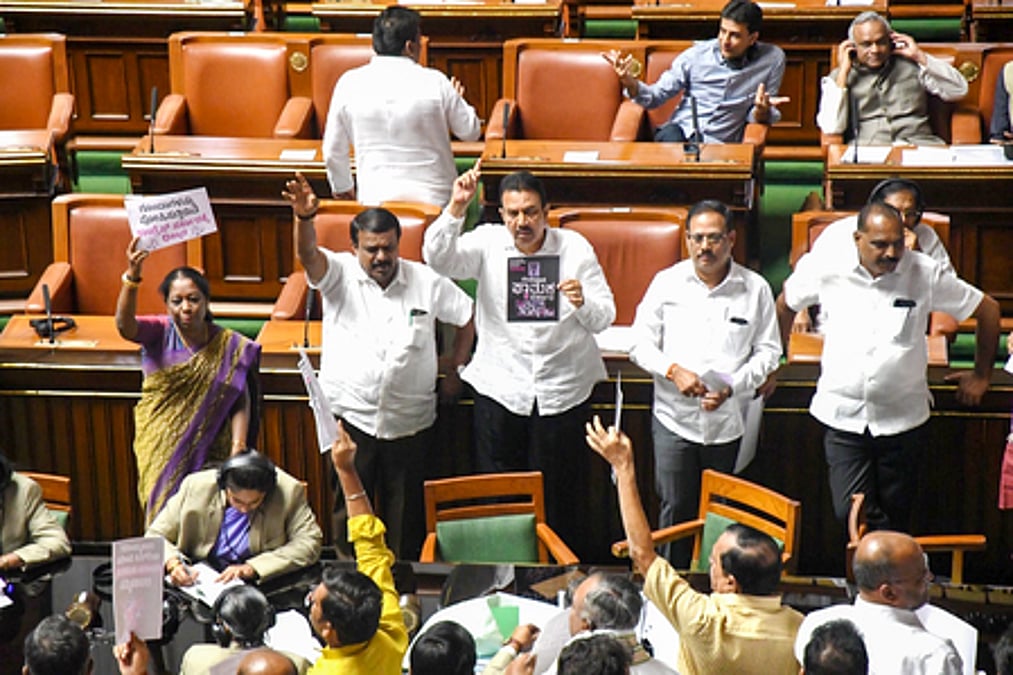
Another theme was the creation of durable rural assets. Works undertaken through employment guarantee initiatives often focus on water harvesting, soil conservation, and minor irrigation. These assets can improve agricultural productivity over time, offering benefits beyond immediate wage payments. Legislators emphasised that investment in such infrastructure contributes to climate resilience, an increasingly urgent priority amid changing weather patterns.
The House also heard arguments about migration patterns. In the absence of local employment, workers may migrate to urban areas under difficult conditions, sometimes accepting low wages or insecure work. Strengthening rural employment options can reduce forced migration and associated social challenges. The resolution’s supporters described this as essential to balanced regional development.
Administrative efficiency emerged as a related concern. Timely release of funds, prompt wage disbursal, and streamlined approvals are crucial for programme credibility. Delays can erode trust among workers who rely on regular payments. Legislators urged that operational issues be addressed to ensure that policy commitments translate into effective implementation on the ground.
Some members framed the debate within a broader vision of inclusive growth. Welfare schemes, they argued, should not be viewed merely as expenditure but as investments in human security and rural stability. By supporting livelihoods, such programmes contribute to social cohesion and reduce long-term economic risks.
POLITICAL AND POLICY IMPLICATIONS
The passage of the resolution carries implications beyond immediate administrative concerns. It signals how State legislatures can engage with national policy frameworks by expressing formal positions. Such resolutions, while not binding in themselves, can influence dialogue between different levels of government and shape public discourse.
Politically, the issue resonates strongly with rural voters. Employment, wage security, and development projects are tangible concerns that often outweigh abstract debates. By foregrounding these issues, legislators align themselves with everyday realities faced by constituents. The debate may therefore have electoral as well as policy significance.
Observers note that the Legislature’s action reflects the continued centrality of social protection in governance discussions. Even as economies modernise and diversify, safety nets remain crucial in cushioning vulnerable populations. Employment guarantee programmes, in particular, represent a rights-based approach to welfare, linking support to work while creating public assets.
The resolution may also prompt administrative reviews within the State to assess how effectively existing schemes are being implemented. Identifying bottlenecks, enhancing transparency, and improving monitoring systems could strengthen outcomes. Legislative attention often acts as a catalyst for bureaucratic focus.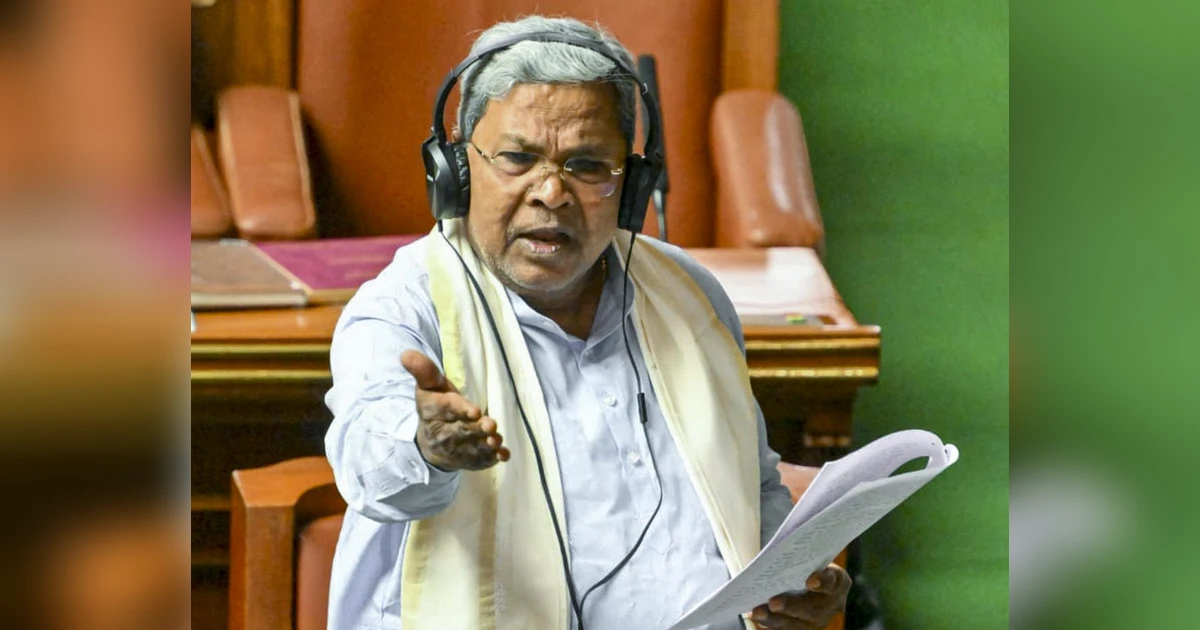
Civil society organisations working in rural areas have long advocated for robust employment guarantee implementation. They argue that the scheme’s legal framework and community involvement make it a powerful tool for accountability. The Legislature’s stance may encourage continued engagement between government bodies and grassroots groups to address implementation challenges.
The broader conversation touches on the evolving nature of cooperative federalism. States frequently seek to tailor national programmes to local needs, while the Centre balances uniform policy with regional flexibility. Resolutions like this one highlight ongoing negotiations within this framework.
For rural households, the practical outcome they seek is simple: access to reliable work and timely wages. Legislative debates, while procedural, connect directly to these expectations. The emotional tone of the discussion reflected awareness that policy decisions translate into lived experiences in villages across the State.
In conclusion, the Karnataka Legislature’s twin resolutions encapsulate a moment of collective concern over rural welfare and governance priorities. By opposing certain measures and demanding reinforcement of employment guarantee implementation, the House emphasised its commitment to protecting livelihoods and social security. The move underscores the enduring importance of programmes that link work, income, and development, and signals that issues affecting the most vulnerable remain at the forefront of legislative attention.
Follow: Karnataka Government
Also read: Home | Channel 6 Network – Latest News, Breaking Updates: Politics, Business, Tech & More
