
The Karnataka government is considering a range of legal measures to challenge the proposed repeal of the Mahatma Gandhi National Rural Employment Guarantee Act (MGNREGA), a flagship welfare legislation that has been a lifeline for millions of rural households across the country. Senior government sources confirmed that the State is examining constitutional, legal, and federal options to oppose any move that weakens or dismantles the rural employment guarantee framework, which Karnataka believes is central to livelihoods, social security, and rural stability.
The development comes amid growing concern among State governments, civil society organisations, and labour groups over indications that the Centre may dilute or repeal the Act. Karnataka, which has consistently implemented MGNREGA at scale, sees the legislation not merely as a welfare programme but as a statutory right to employment that protects rural families during agrarian distress, droughts, and economic slowdowns. Officials said the State’s legal teams are studying precedents and constitutional provisions to assess the scope for judicial intervention.
According to senior officials in the Rural Development and Panchayat Raj Department, the government is particularly concerned about the federal implications of repealing a centrally sponsored scheme that directly affects States’ constitutional responsibilities towards social welfare. They noted that any unilateral repeal without adequate consultation with States could be challenged as undermining cooperative federalism. The State is also gathering data on the economic and social impact of MGNREGA in Karnataka to strengthen its legal position.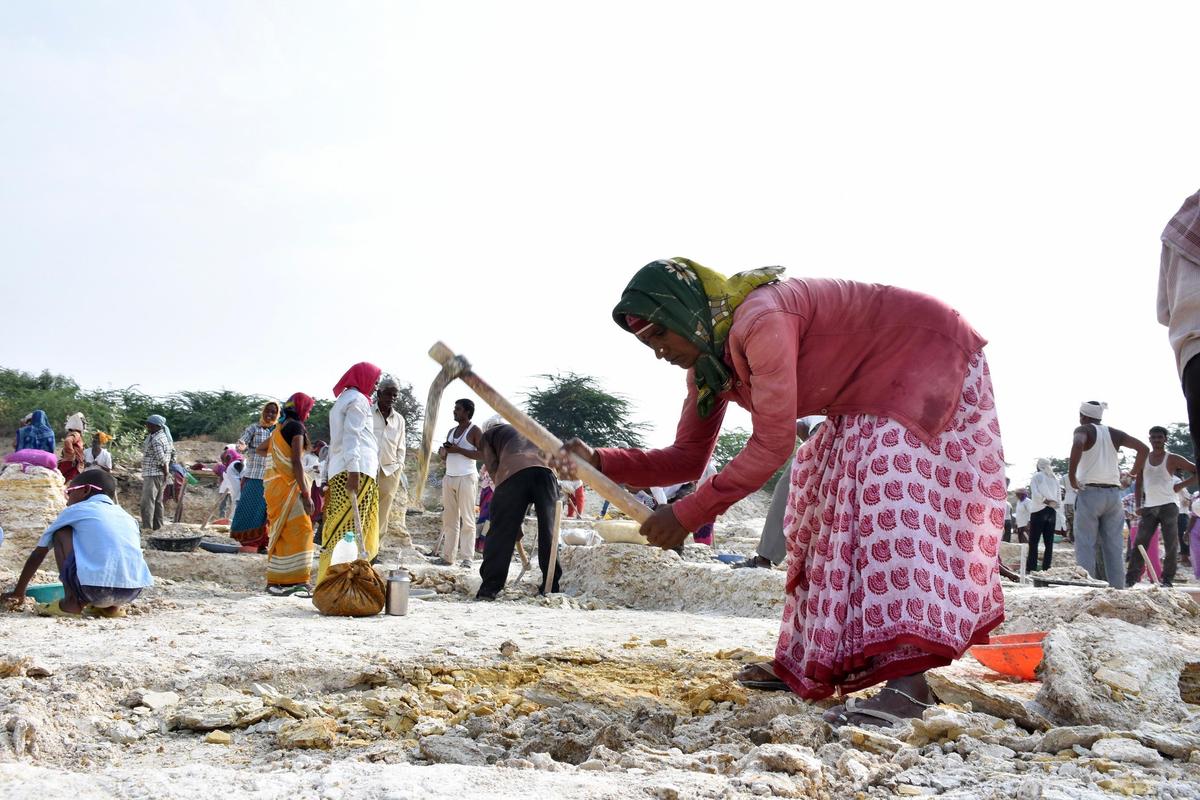
WHY MGNREGA MATTERS DEEPLY TO KARNATAKA
MGNREGA has played a crucial role in Karnataka’s rural economy, especially in drought-prone districts of North and Central Karnataka. The scheme guarantees 100 days of wage employment to rural households, providing income security while creating durable assets such as water conservation structures, roads, and irrigation facilities. Officials pointed out that during years of erratic monsoons and rising input costs, MGNREGA has often been the only assured source of income for landless labourers and marginal farmers.
Data from the State government indicates that women form a significant proportion of MGNREGA workers in Karnataka, making the scheme a critical instrument for women’s economic empowerment. Scheduled Castes, Scheduled Tribes, and other vulnerable communities also account for a large share of beneficiaries. The government fears that repealing the Act would disproportionately affect these groups, widening inequality and pushing more families into distress migration.
Ministers have argued that MGNREGA’s importance extends beyond employment. By strengthening village-level infrastructure and decentralised planning through gram panchayats, the scheme has reinforced local self-governance. Officials stressed that dismantling such a framework would undo years of institutional capacity-building at the grassroots level, weakening rural governance systems.
LEGAL OPTIONS AND CONSTITUTIONAL QUESTIONS
The Karnataka government is reportedly exploring multiple legal routes, including approaching the Supreme Court if the repeal is carried out. Legal experts within the administration are examining whether the right to employment under MGNREGA can be linked to constitutional guarantees such as the right to life and livelihood. They are also assessing whether Parliament can repeal a law that creates enforceable rights without providing an equivalent alternative safety net.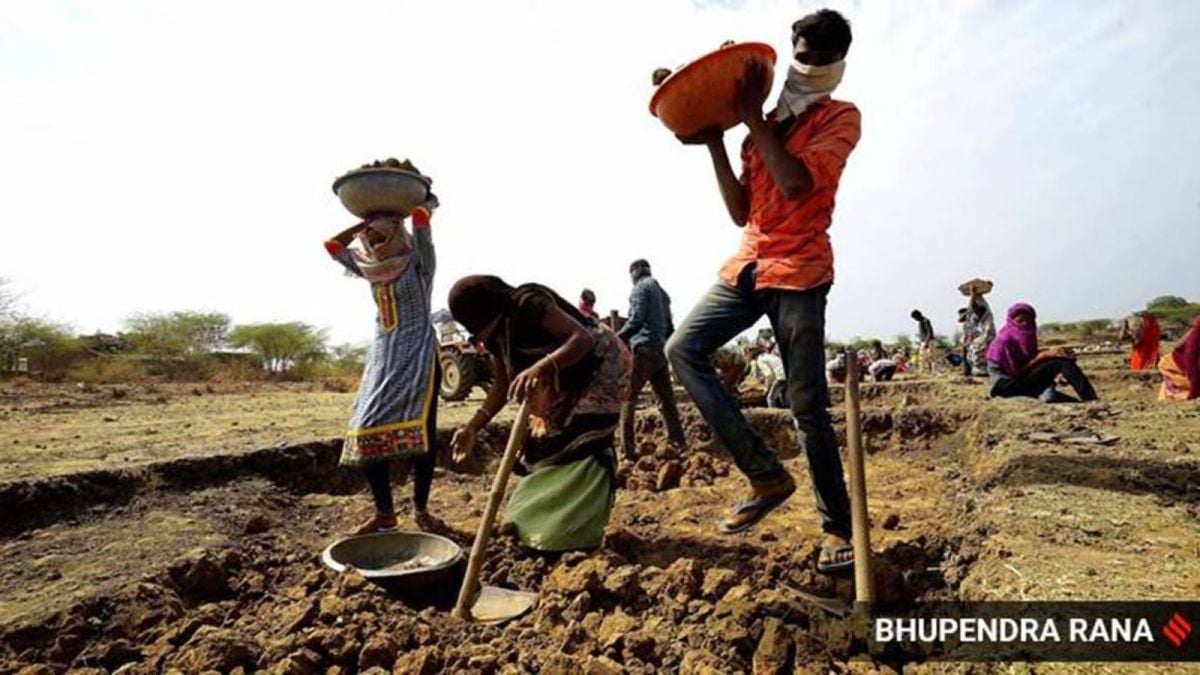
Another aspect under examination is the financial architecture of the scheme. Karnataka officials noted that delays in wage payments and reductions in central allocations in recent years have already strained implementation. A complete repeal, they argue, would amount to abdication of responsibility towards rural workers. The State may also argue that States have built long-term development plans around MGNREGA, and sudden withdrawal would cause administrative and economic disruption.
Sources indicated that Karnataka is in touch with other States governed by different political parties to explore the possibility of a collective legal or political response. A coordinated stand by multiple States could strengthen the argument that the issue transcends partisan politics and concerns the basic welfare framework of rural India.
POLITICAL AND SOCIAL REACTIONS
The prospect of repealing MGNREGA has triggered strong reactions from opposition parties, trade unions, and farmer organisations in Karnataka. Several groups have warned of protests if the Act is diluted, arguing that it represents one of the few legally enforceable entitlements for rural workers. Political leaders across party lines have acknowledged the scheme’s role in cushioning rural distress, even as debates continue over implementation efficiency.
The State government has sought to frame its response as a defence of rural interests rather than a political confrontation. Ministers have said Karnataka’s stand is guided by ground realities and the lived experiences of rural households. They emphasised that any reform to MGNREGA should focus on strengthening transparency, timely payments, and asset quality, rather than scrapping the law altogether.
WHAT LIES AHEAD
As the Centre’s intentions become clearer, Karnataka is expected to finalise its legal strategy in the coming weeks. Officials said consultations are ongoing with constitutional experts, economists, and rural development practitioners to build a robust case. The State may also pass a resolution in the legislature expressing opposition to the repeal, signalling political consensus on the issue.
For millions of rural families in Karnataka, the debate is not abstract or ideological. It is about daily wages, food security, and the ability to remain in their villages with dignity. As the State weighs its legal options, the outcome of this confrontation could have far-reaching implications for rural employment policy, federal relations, and the future of rights-based welfare legislation in India.
The debate around the proposed repeal has also reopened discussions on the original intent of MGNREGA as a rights-based legislation rather than a discretionary welfare scheme. Senior officials in Karnataka argue that the Act marked a paradigm shift by legally obligating the State to provide employment on demand, failing which unemployment allowance becomes payable. They contend that repealing such a law without a comparable statutory guarantee would dilute the concept of social justice embedded in the Constitution. This, they say, raises serious ethical and legal questions about the State’s responsibility towards its most vulnerable citizens.
Economists advising the Karnataka government have highlighted the counter-cyclical role played by MGNREGA in rural economies. During periods of economic slowdown, drought, or crop failure, the scheme injects purchasing power into villages, sustaining local markets and preventing sharp declines in consumption. Officials fear that removing this stabilising mechanism could deepen rural distress and indirectly impact urban economies through increased migration and pressure on informal labour markets in cities.
The State has also expressed concern about the impact on rural infrastructure development if the Act is repealed. Thousands of small but crucial works, such as check dams, farm ponds, desilting of tanks, and rural connectivity projects, are executed annually under MGNREGA. These assets, officials argue, contribute to long-term agricultural resilience and water security. Without the scheme, gram panchayats may struggle to find alternative funding for such labour-intensive projects that do not easily attract private investment.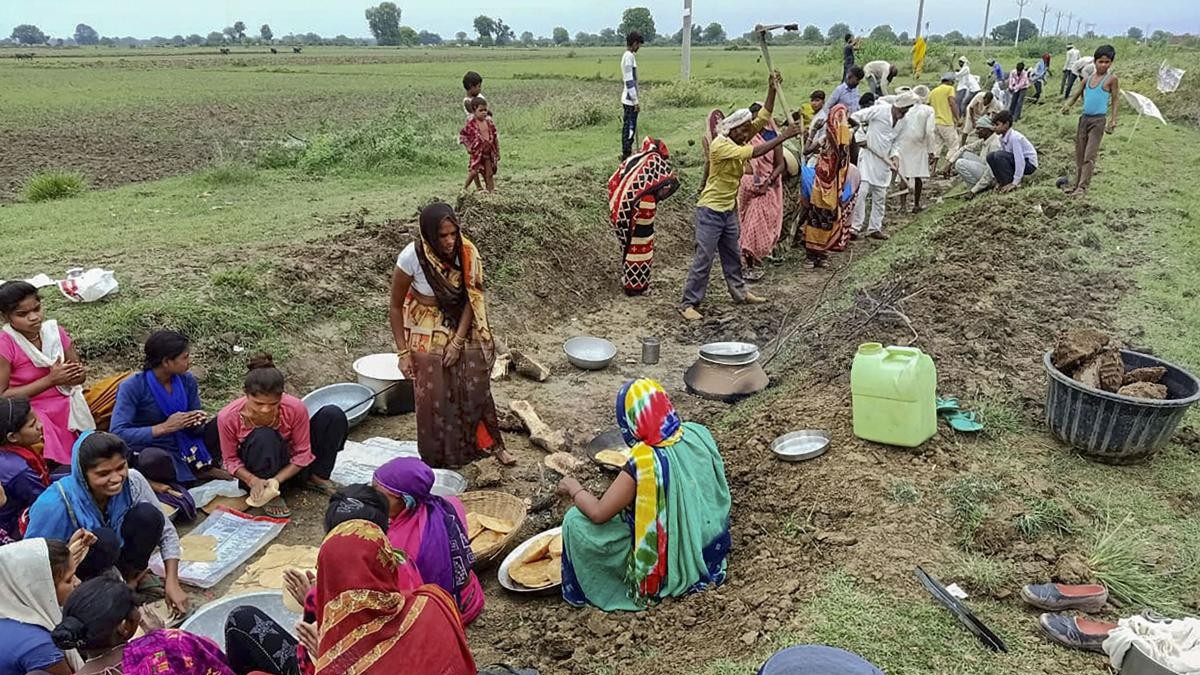
Legal advisors to the government are examining whether the repeal could be challenged on the grounds of arbitrariness. They argue that dismantling a long-standing welfare framework without a clear transition plan or substitute could be seen as unreasonable and disproportionate. The State may also question whether adequate impact assessments and stakeholder consultations were conducted before proposing such a significant policy shift that affects millions of workers nationwide.
From an administrative perspective, Karnataka officials point out that the State has invested heavily in building institutional capacity around MGNREGA. Panchayat staff, technical assistants, and social audit mechanisms have been developed over years to ensure transparency and accountability. Repeal of the Act, they say, would render much of this infrastructure redundant, resulting in loss of public investment and weakening grassroots governance systems that rely on participatory planning.
Labour unions in Karnataka have warned that the repeal could reverse hard-won gains in wage parity and bargaining power for rural workers. MGNREGA wages, though modest, often set a benchmark for agricultural labour rates in villages. Without this floor, workers may be forced to accept lower wages or more exploitative conditions. The State government has taken note of these concerns, acknowledging that rural labour markets are deeply intertwined with the scheme’s existence.
There is also apprehension about the gendered impact of a repeal. Officials noted that MGNREGA has been one of the few programmes where women’s participation consistently exceeds 50 percent. The loss of assured local employment could push women back into unpaid domestic labour or force them into unsafe migration. Karnataka sees this as a setback to decades of progress in women’s economic participation and social empowerment in rural areas.
The government is also analysing potential political fallout at the grassroots level. Rural voters, cutting across party lines, have historically viewed MGNREGA as a tangible benefit that directly affects their livelihoods. Any attempt to dismantle it could trigger widespread discontent and unrest. Karnataka leaders believe that defending the scheme aligns not only with social welfare goals but also with democratic accountability to rural constituencies.
Discussions are underway on whether Karnataka can explore State-level alternatives if the central law is repealed. While officials acknowledge the fiscal burden such a move would entail, they argue that the moral and social costs of abandoning rural employment guarantees may be higher. However, they stress that a State-only programme cannot fully replace the scale and shared financial responsibility of a centrally backed law.
As deliberations continue, Karnataka’s stance has positioned it as one of the leading voices resisting the rollback of rights-based welfare legislation. The coming weeks are expected to be crucial in determining whether this resistance translates into a legal challenge, a political coalition of States, or a broader national debate on the future of rural employment policy. For now, the State remains firm in its view that MGNREGA is not just a scheme, but a safeguard for rural dignity and economic survival.
Follow: Karnataka Government
Also read: Home | Channel 6 Network – Latest News, Breaking Updates: Politics, Business, Tech & More
