
Karnataka has announced an ambitious expansion of menstrual cup distribution as part of its ongoing drive toward sustainable menstrual hygiene management, signaling a significant step in public health and environmental stewardship. The initiative, spearheaded by the Department of Health and Family Welfare in collaboration with state education and women’s welfare departments, aims to make menstrual cups accessible to a wider population of menstruating individuals, particularly students, women in rural areas, and low-income communities. By moving beyond conventional sanitary pads, the state government seeks to reduce environmental waste, promote cost-effective hygiene solutions, and encourage informed health practices.
The expanded menstrual cup programme is expected to have a transformative impact on school attendance and academic engagement, particularly among adolescent girls. Studies have shown that lack of access to reliable menstrual products often leads to absenteeism, as young girls stay home during their periods due to discomfort, embarrassment, or lack of privacy. By providing a sustainable and convenient alternative, Karnataka aims to reduce these barriers and enable uninterrupted education. Teachers and school health coordinators will play a pivotal role in guiding students on proper usage, hygiene practices, and disposal methods, fostering a culture of informed menstrual management within educational institutions.
Beyond schools, the initiative seeks to reach women in rural and semi-urban areas who often face challenges in accessing affordable menstrual products. Village-level health workers, Anganwadi centres, and local self-help groups will form the backbone of community distribution networks. These efforts will ensure that menstrual cups reach women who previously relied solely on disposable pads, which may be irregularly available or costly. By extending coverage to underrepresented populations, the programme aims to achieve both health equity and environmental sustainability simultaneously.
Financial implications of the initiative are significant, as menstrual cups, being reusable for up to a decade, dramatically reduce recurring expenses for families. Households that previously spent considerable sums annually on disposable sanitary products will benefit from long-term cost savings. This economic relief is particularly relevant for low-income communities, where menstrual hygiene can be an added financial burden. Additionally, the reduced dependency on single-use products alleviates pressure on local markets, waste disposal systems, and urban sanitation infrastructure, yielding broader societal benefits.
Environmental conservation remains a core pillar of the programme. The widespread adoption of menstrual cups could lead to a substantial reduction in non-biodegradable waste generated by single-use pads and tampons. Estimates suggest that a single user could prevent hundreds of disposable products from entering landfills over several years. For Karnataka, a state with high population density and growing urbanisation, the environmental benefits of reducing menstrual waste are considerable, contributing to cleaner surroundings, reduced microplastic pollution, and more sustainable waste management practices.
To ensure successful implementation, the government has planned comprehensive awareness campaigns, including workshops, digital content, and community engagement sessions. These campaigns aim to dispel myths surrounding menstrual cups, educate users on proper sanitation practices, and normalize conversations about menstruation. By fostering informed choices and creating a supportive environment, the state hopes to encourage widespread adoption and long-term behavioural change, ensuring that menstrual cups become a mainstream and accepted menstrual hygiene option.
Finally, the initiative represents a broader shift in public health policy toward sustainability and gender equity. Karnataka is setting a precedent by integrating eco-friendly solutions into essential healthcare services, demonstrating that environmental responsibility can coexist with social welfare. The success of the menstrual cup programme could inspire other states to adopt similar measures, potentially transforming menstrual hygiene management nationwide. As communities adapt to this change, the programme promises not only improved health outcomes and cost savings but also a significant step toward reducing stigma, promoting environmental consciousness, and empowering women and girls across the state.
The move comes against the backdrop of growing concern over disposable menstrual products, which contribute to plastic pollution, clog drains, and burden waste management systems. Menstrual cups, being reusable and durable for several years, offer an environmentally friendly alternative that can significantly lower disposable waste. Officials have emphasised that distribution will be accompanied by awareness campaigns, training sessions, and educational workshops to ensure proper usage, maintenance, and hygiene practices.
Initially piloted in select districts and schools, the menstrual cup programme demonstrated encouraging results in both uptake and user satisfaction. Feedback highlighted not only the product’s convenience and cost-effectiveness but also its positive impact on menstrual confidence and mobility for young women and girls. Based on this success, the state has decided to scale up the initiative, aiming for comprehensive coverage across government schools, colleges, urban localities, and rural communities.
Experts note that the expanded distribution represents a convergence of health policy, gender equity, and environmental consciousness. Beyond individual benefits, widespread adoption could relieve pressure on municipal solid waste systems, reduce pollution from incineration of disposable products, and promote broader cultural acceptance of sustainable menstrual practices. The initiative is being hailed as a pioneering example of how public health programs can simultaneously address social, environmental, and economic objectives.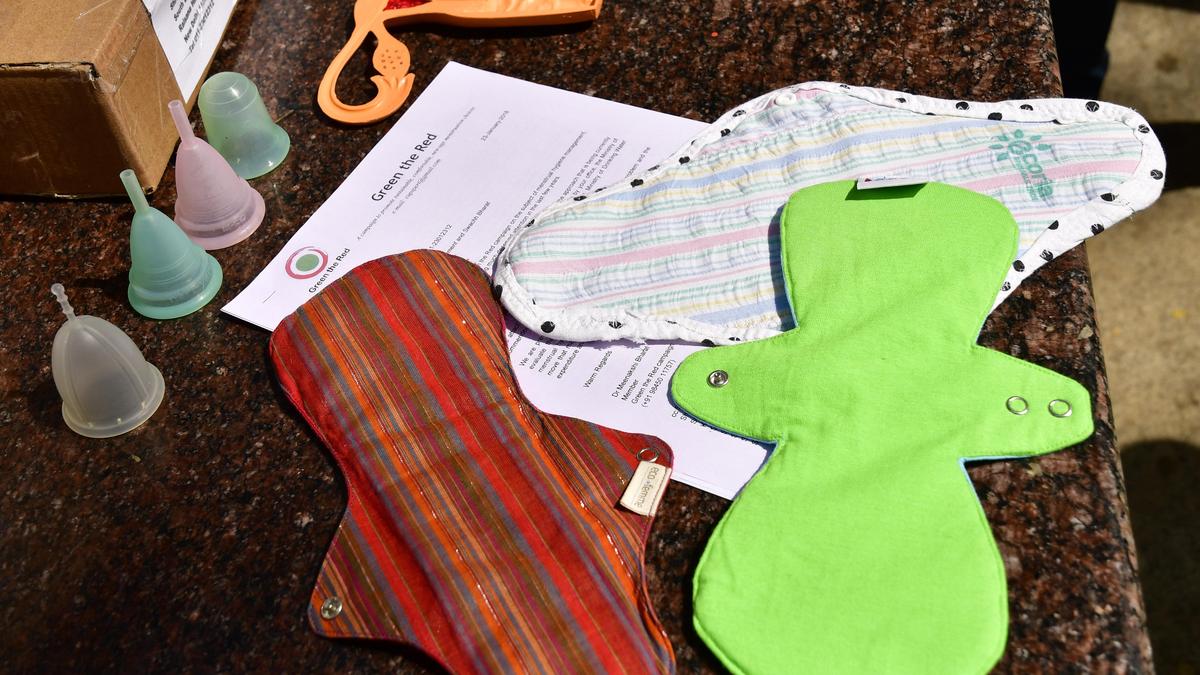
A PUSH TOWARD SUSTAINABLE MENSTRUAL HYGIENE
The Karnataka government’s menstrual cup expansion is part of a larger vision to modernise menstrual hygiene management and ensure equitable access to sustainable solutions. Menstrual cups, typically made of medical-grade silicone, are designed to collect menstrual flow safely and can last up to ten years with proper care. Unlike disposable pads, which must be replaced frequently, cups reduce recurring expenses, making them particularly suitable for students, low-income women, and communities with limited access to sanitary products.
Health officials have underscored the importance of education alongside distribution. Workshops will be organised to teach insertion, removal, cleaning, and safe storage, addressing concerns related to hygiene and comfort. The state also plans to involve school nurses, health workers, and community volunteers in ongoing support, ensuring that recipients feel confident and empowered to use the products effectively.
The programme’s sustainability goals are significant. Estimates suggest that a single menstrual cup can replace hundreds of disposable pads over its lifetime, reducing plastic waste and easing environmental pressure. For Karnataka, a state with dense urban settlements and significant rural populations, the environmental and logistical benefits are substantial. The initiative aligns with global movements advocating reusable menstrual products as part of broader strategies to achieve zero-waste targets and climate-conscious public health policies.
Pilot phases revealed promising results in behaviour change. Students and women reported reduced absenteeism from school or work due to menstrual discomfort, as well as greater confidence in managing periods safely. Health experts emphasise that menstrual cups, when promoted correctly, not only offer physical benefits but also support menstrual literacy and gender equality by normalising sustainable menstrual care practices.
Community engagement remains a cornerstone of the initiative. Local leaders, teachers, and women’s collectives are being involved to disseminate accurate information, address misconceptions, and ensure culturally sensitive messaging. Such holistic approaches are expected to increase adoption rates and reinforce long-term acceptance of menstrual cups across diverse populations.
HEALTH, ENVIRONMENT, AND EMPOWERMENT
Karnataka’s strategy underscores the intersection of health, environmental responsibility, and social empowerment. By choosing reusable menstrual products, the government addresses three critical areas simultaneously: menstrual health management, environmental conservation, and financial accessibility. The cost savings for households, particularly for students and women in economically vulnerable segments, can be substantial over time.
From a health perspective, menstrual cups are generally considered safe when used according to instructions. They help maintain hygiene, reduce the risk of infections associated with improper disposal or prolonged use of disposable pads, and minimise skin irritation. Medical experts supporting the initiative emphasise the importance of proper training and guidance, which will form a key component of the distribution campaign.
Environmental experts have welcomed the government’s move, highlighting that menstrual waste contributes significantly to landfill accumulation and microplastic pollution. By promoting cups, the state reduces dependency on single-use sanitary products, thereby addressing an under-recognised environmental challenge.
The programme also carries social and psychological benefits. Empowering women and girls with choice, control, and knowledge about menstrual health enhances confidence and autonomy. Early adoption in schools fosters open discussions about menstrual health, dismantling stigma, and encouraging informed decisions. Public awareness campaigns, combined with government support, aim to normalise sustainable menstrual practices as standard care rather than optional alternatives.
The initiative further complements existing state programs distributing free or subsidised sanitary products. By integrating reusable cups into the broader menstrual health ecosystem, Karnataka positions itself as a leader in innovative, cost-effective, and sustainable hygiene solutions in India.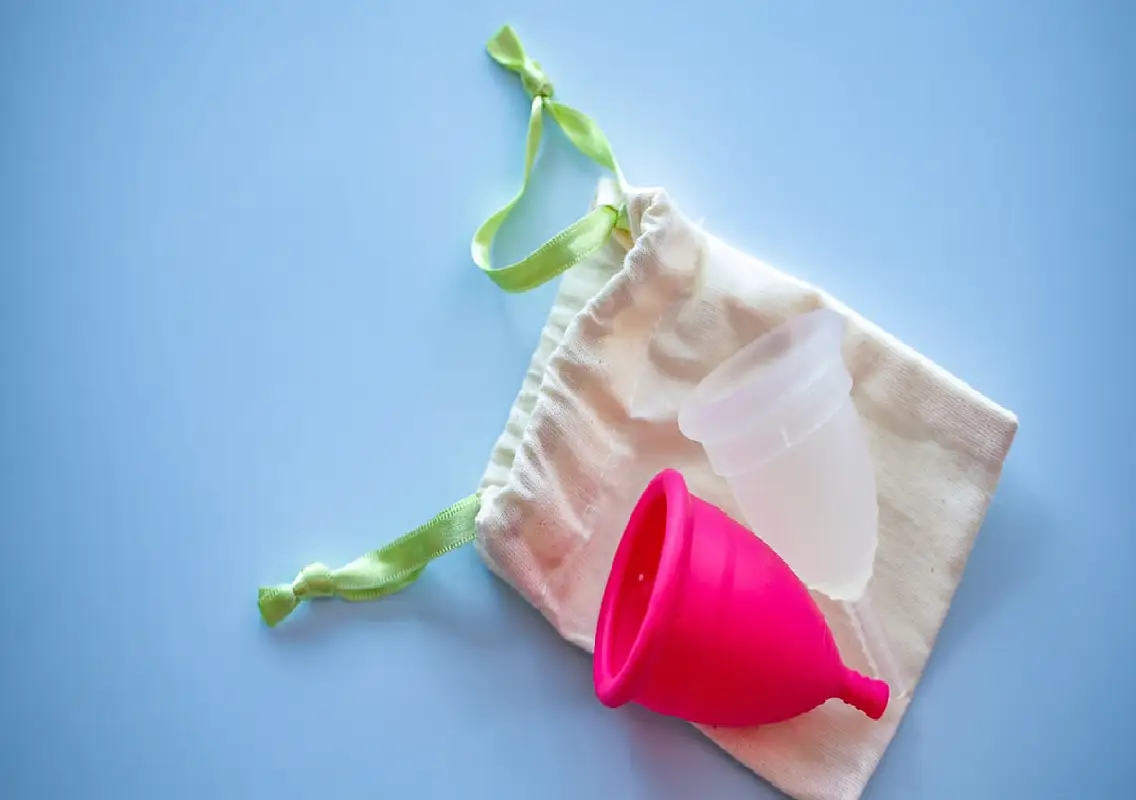
CHALLENGES AND THE ROAD AHEAD
Despite the promise, challenges remain. Menstrual cups require behavioural adaptation, careful cleaning, and consistent usage, which may initially deter some users. Cultural perceptions, misinformation, and hesitation around insertion can slow adoption if not addressed through effective education. To mitigate these challenges, the government plans continuous monitoring, feedback mechanisms, and dedicated helplines to assist users in their transition from disposable pads to reusable cups.
Logistics and supply chain management also play a critical role. Ensuring adequate availability, timely distribution, and tracking uptake across urban and rural areas will require coordinated effort among health departments, local bodies, and community organisations. The government has emphasised that the initiative will be phased carefully to allow for training, evaluation, and course correction.
Experts note that success depends not just on distribution but on sustained cultural acceptance. Menstrual literacy campaigns, school programmes, and community workshops must continue to reinforce hygiene practices, address myths, and build trust in reusable products. Over time, these measures are expected to normalize menstrual cups as a practical, sustainable alternative.
The expanded programme represents a long-term investment in public health, environmental responsibility, and women’s empowerment. If effectively implemented, it could serve as a model for other states and regions, demonstrating how government initiatives can harmonise health, sustainability, and gender equity objectives.
Karnataka’s decision to scale menstrual cup distribution reflects a forward-looking vision, blending innovation with social responsibility. By combining education, accessibility, and environmental consciousness, the state is not only transforming menstrual hygiene but also setting a precedent for sustainable public health practices that could resonate nationwide.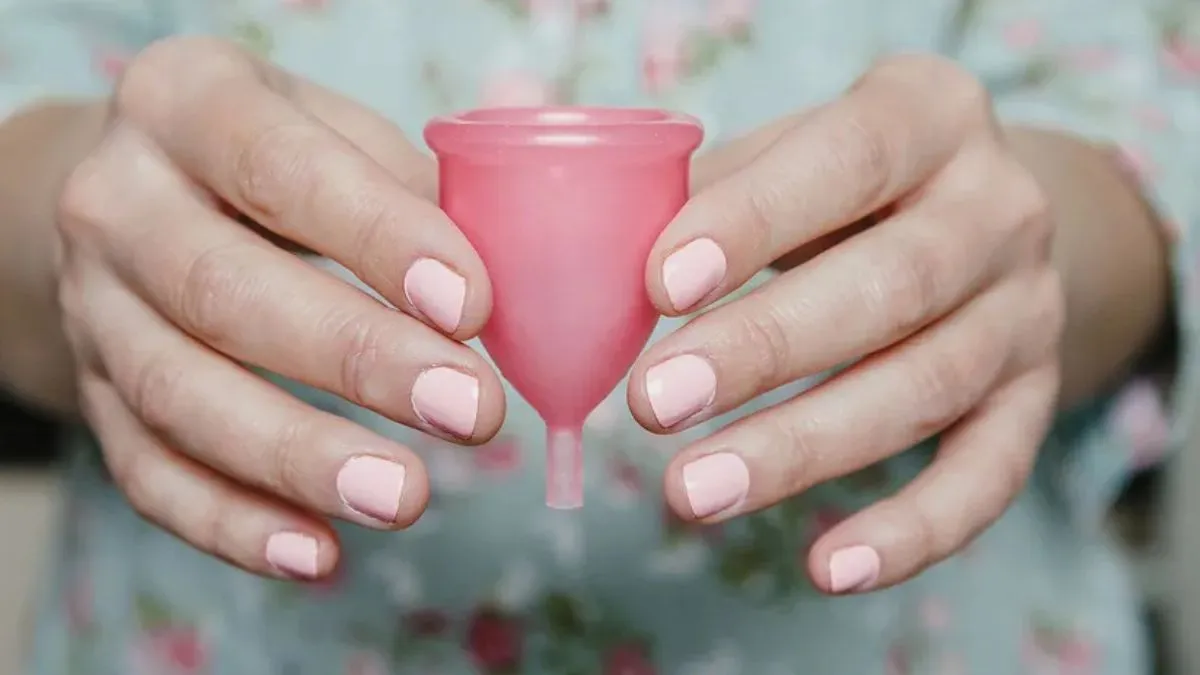
The initiative stands as a testament to the state’s commitment to empowering women, reducing waste, and fostering healthier, more resilient communities—one menstrual cup at a time.
Follow: Karnataka Government
Also read: Home | Channel 6 Network – Latest News, Breaking Updates: Politics, Business, Tech & More
