
In a significant move to safeguard its rich cultural and historical assets, the Government of Karnataka has announced plans to develop a comprehensive ‘Digital Heritage Portal.’ The initiative aims to digitise, catalogue, and make accessible the state’s diverse heritage, spanning monuments, museums, manuscripts, traditional arts, and performing arts. Officials highlighted that the portal will serve as a one-stop digital repository, ensuring preservation, academic access, and public engagement with Karnataka’s centuries-old cultural legacy, which includes contributions from dynasties such as the Hoysalas, Vijayanagara Empire, and the Wodeyars of Mysuru.
Government’s Vision for Digital Preservation
The Department of Archaeology, Museums, and Heritage (DAMH) is spearheading the project under the broader State e-Governance initiatives. Karnataka’s Culture Minister noted that the portal will integrate modern technologies, including 3D imaging, augmented reality, and GIS mapping, to document and present historical sites virtually. The government hopes this will make heritage accessible to a wider audience, including students, researchers, and tourists, while protecting fragile artefacts from the wear and tear associated with physical exposure. This digital archive is envisaged as a bridge between traditional heritage and contemporary technological engagement.
Scope and Features of the Portal
The Digital Heritage Portal will include detailed information on Karnataka’s forts, palaces, temples, caves, and natural heritage sites. It will provide high-resolution images, 3D virtual tours, interactive maps, and digitised manuscripts in multiple languages. Experts will document oral histories, folk arts, and regional music, creating an expansive repository. The portal will also include educational resources for schools and universities, enabling virtual learning and research. The government plans to partner with tech firms and cultural organisations to ensure that content is accurate, immersive, and user-friendly.
Preserving Manuscripts and Rare Artefacts
Karnataka houses thousands of rare manuscripts and artefacts, many of which are centuries old and highly susceptible to decay. The Digital Heritage Portal will prioritise their digitisation using advanced scanning techniques. Conservation experts will work alongside IT specialists to ensure authenticity and precision. By creating digital copies, the state aims to reduce physical handling of fragile materials, thereby prolonging their life while facilitating scholarly study. Scholars and historians have welcomed this initiative, noting that it could provide unprecedented access to texts previously confined to private collections or remote archives.
Promoting Cultural Tourism
Tourism authorities see the portal as a means to enhance Karnataka’s profile as a cultural destination. Virtual tours and interactive guides will help tourists plan visits, understand historical context, and experience sites remotely before arriving. The government hopes that by integrating ticketing, event updates, and educational content, the portal will encourage responsible tourism. Sites such as Hampi, Belur, Halebidu, and the Mysuru Palace, already popular among visitors, could gain additional visibility, attracting both domestic and international tourists. This digital approach aligns with global trends in heritage tourism and promotes immersive experiences without overburdening sensitive sites.
Integration with Educational Initiatives
The portal will be designed with students in mind. Schools and universities will have access to digitised manuscripts, virtual museum tours, and interactive modules on Karnataka’s history, arts, and architecture. Teachers will be able to incorporate multimedia resources into classrooms, enabling experiential learning beyond textbooks. Educational institutions can collaborate with the portal to host webinars, virtual workshops, and heritage-focused competitions. Officials emphasised that this initiative aims not only to preserve heritage but also to inspire younger generations to value and engage with Karnataka’s cultural legacy in innovative ways.
Supporting Folk Arts and Traditional Knowledge
In addition to monuments and manuscripts, the portal will document folk arts, music, dance, and traditional crafts. Karnataka is home to diverse performing arts such as Yakshagana, Dollu Kunitha, and Kamsale, alongside indigenous crafts like sandalwood carving and Channapatna toys. Digital recording and archival of performances, techniques, and oral histories will ensure these intangible assets are preserved for future generations. Artisans will also be able to use the platform to reach wider audiences, sell products, and conduct online workshops, thereby linking cultural preservation with economic empowerment.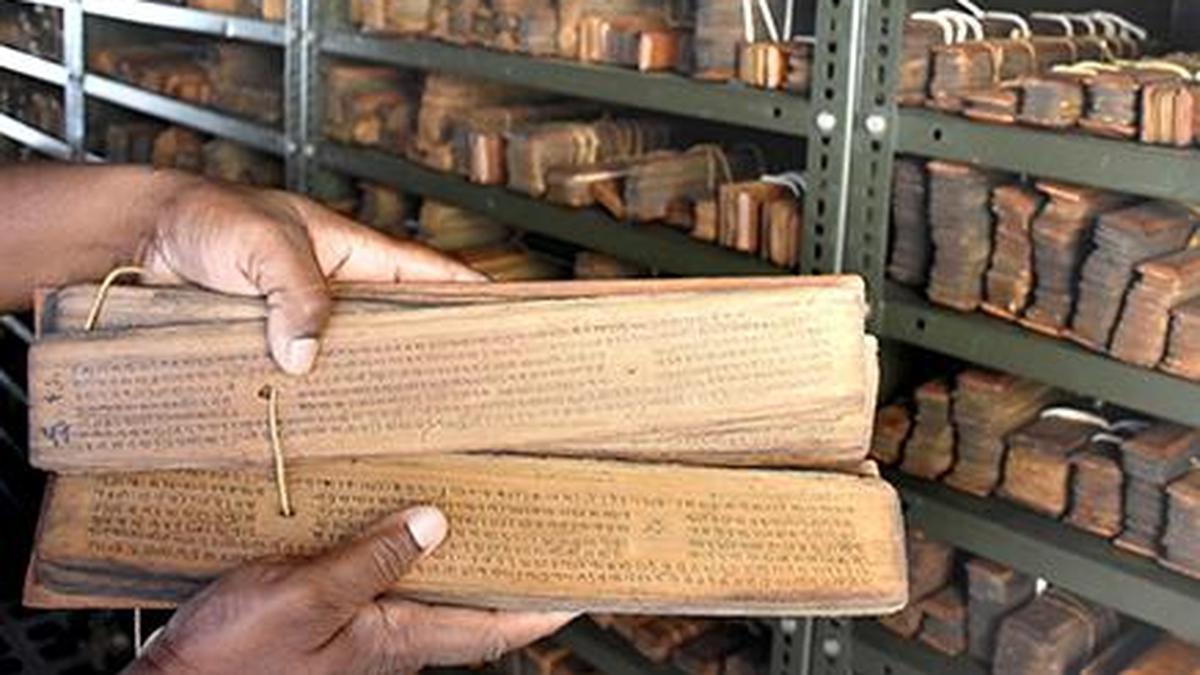
Collaboration with Technology Partners
The success of the Digital Heritage Portal hinges on collaboration between cultural experts and technology firms. The government plans to partner with IT companies, universities, and research organisations to develop user-friendly interfaces, immersive content, and secure data storage. Artificial intelligence will be deployed for content tagging, search optimisation, and automated translation, making resources accessible to a multilingual audience. Experts note that such partnerships are critical for ensuring that digital archives remain updated, accurate, and technologically robust, keeping pace with global standards in digital heritage management.
Citizen Engagement and Crowdsourcing
The portal is expected to include features that allow citizens to contribute to Karnataka’s heritage documentation. Local communities can upload photographs, videos, and stories related to historical sites, rituals, and festivals. Crowdsourcing initiatives will help uncover lesser-known sites and preserve intangible cultural practices. Officials emphasised that public participation is crucial for creating a comprehensive and representative digital archive. By involving citizens, the state also hopes to foster a sense of ownership and responsibility towards heritage conservation, while promoting cultural pride and awareness at the grassroots level.
Security and Data Management
Given the sensitive nature of historical data and artefacts, cybersecurity will be a major priority for the Digital Heritage Portal. The government plans to implement robust data encryption, access controls, and regular audits to protect content from misuse or theft. Cloud storage solutions will ensure redundancy and disaster recovery, safeguarding valuable digital assets. Additionally, the portal will include legal frameworks to prevent unauthorised commercial exploitation of digitised materials. Experts highlight that digital preservation without proper security measures could compromise both scholarly research and cultural integrity.
Impact on Research and Scholarship
Academics and researchers will benefit significantly from the portal’s digitisation efforts. Remote access to manuscripts, architectural plans, and archival images will reduce the need for physical travel, making research more efficient and inclusive. The portal will also facilitate comparative studies, interdisciplinary research, and collaborative projects with institutions across India and abroad. By centralising resources, Karnataka aims to position itself as a hub for South Asian cultural studies, providing scholars with tools and data to deepen understanding of regional history, arts, and literature.
Linking Heritage and Tourism Revenue
Authorities anticipate that the Digital Heritage Portal could have economic benefits beyond preservation. By promoting heritage tourism digitally, the portal can attract visitors who contribute to local economies through accommodation, dining, and transport services. Special online packages, virtual events, and educational tours could be monetised to generate revenue for both the state and local communities. Experts note that digital engagement can complement physical tourism, providing additional income streams while ensuring that fragile sites are not overburdened by mass visitation.
Preserving Linguistic Diversity
Karnataka is linguistically diverse, with Kannada as the state language alongside Tulu, Kodava, Konkani, and Beary dialects. The portal aims to document manuscripts, oral histories, and folk songs in their original languages, with translations available for wider accessibility. Linguists highlight the importance of digital preservation in maintaining endangered dialects and literary traditions. By integrating language-focused content, the portal will contribute to safeguarding Karnataka’s linguistic heritage while facilitating cross-cultural learning and understanding among students, researchers, and tourists.
Future Expansion Plans
Officials have indicated that the portal will evolve over time, with additional modules for newly discovered sites, contemporary cultural events, and citizen-generated content. Plans include mobile applications, VR experiences, and integration with educational platforms. The state also envisions linking the portal with national heritage initiatives and international archives, promoting Karnataka as a global cultural destination. These expansion efforts aim to make heritage preservation dynamic, interactive, and adaptable to future technological and societal changes.
Community Empowerment and Skill Development
By digitising folk arts, crafts, and performance traditions, the portal can empower communities economically. Artisans, performers, and cultural custodians will gain visibility, enabling online workshops, product sales, and collaborations with cultural institutions. Skill development programs linked to digital heritage documentation could train local youth in photography, digitisation, and archival work. Experts believe this approach creates a sustainable model where heritage preservation and community development reinforce each other, providing economic incentives while safeguarding cultural practices.
Challenges and Limitations
Despite its ambitious scope, the Digital Heritage Portal faces challenges. Technical issues such as high-quality digitisation of fragile artefacts, consistent data updating, and multilingual support require significant investment and expertise. Ensuring participation from rural communities and less-accessible regions is another hurdle. Moreover, maintaining public interest and engagement over time will be critical to the portal’s success. Officials acknowledge these challenges but emphasise that strategic partnerships, capacity building, and phased implementation can mitigate risks and enhance the portal’s long-term sustainability.
Global Context and Comparisons
Several countries have successfully implemented digital heritage initiatives, including the UK’s National Heritage Portal, France’s Gallica library, and Japan’s digital archives for cultural properties. Karnataka’s initiative draws lessons from these models, combining technological sophistication with community involvement. Experts suggest that aligning with global standards in metadata, digitisation quality, and access protocols will increase the portal’s credibility and usability. By benchmarking against international practices, Karnataka aims to position itself as a leader in digital heritage preservation in South Asia.
Conclusion
The Digital Heritage Portal represents a transformative step for Karnataka, combining technology, culture, and education to preserve and promote the state’s rich legacy. By digitising historical sites, manuscripts, arts, and traditions, the portal will make heritage accessible to wider audiences, facilitate research, and support cultural tourism. While challenges remain in technical implementation and stakeholder engagement, government officials and cultural experts are optimistic that the initiative will safeguard Karnataka’s identity for generations to come. It exemplifies how digital innovation can coexist with tradition, creating a model for other states and nations.
Follow: Karnataka Government
Also read: Home | Channel 6 Network – Latest News, Breaking Updates: Politics, Business, Tech & More
