
In a major reform aimed at strengthening public healthcare delivery, the Karnataka government has decided that regions where government medical colleges are currently attached to district hospitals will get separate hospitals, a move expected to significantly reduce pressure on district-level healthcare facilities. The first such standalone hospital is slated to open in February 2026, marking the beginning of a phased transition that officials say will improve patient care, streamline administration and enhance medical education across the State.
At present, several district hospitals function simultaneously as general hospitals for the public and as teaching hospitals for government medical colleges. While this model has helped expand medical education infrastructure, it has also led to overcrowding, stretched resources and competing priorities between patient care and academic requirements. The government’s decision seeks to address these long-standing concerns by clearly separating the two functions.
Health department officials said the reform is intended to ensure that district hospitals can focus exclusively on providing timely and accessible healthcare services to the general population, while newly established teaching hospitals attached to medical colleges will cater to academic, training and tertiary care needs. This separation, they said, is expected to improve efficiency on both fronts.
The first standalone hospital under this plan is expected to be inaugurated in February 2026. Preparatory work, including infrastructure planning, land identification and administrative approvals, is already under way. Officials described the upcoming facility as a model institution that will guide similar projects in other regions over the next few years.
The announcement has been welcomed by healthcare professionals, who have long argued that district hospitals are overburdened due to their dual role. Doctors working in such hospitals say patient load often overwhelms available staff and infrastructure, affecting both service quality and teaching standards. The separation, they believe, will allow for better allocation of resources and clearer accountability.
The move is also being seen as a response to public complaints about overcrowding and long waiting times at district hospitals. In many regions, district hospitals serve as the first point of referral for surrounding taluks, leading to heavy footfall. When combined with the additional responsibilities of medical education, the strain becomes severe, often impacting patient experience.
Officials said the reform aligns with the government’s broader vision of strengthening public healthcare infrastructure and improving access to quality medical services in both urban and semi-urban areas. By decentralising functions and expanding facilities, the State aims to reduce pressure on existing institutions and bring healthcare closer to people.
Why Separation Matters for Healthcare and Medical Education
Healthcare experts explain that the current model of attaching government medical colleges to district hospitals was initially adopted to optimise resources and accelerate the expansion of medical education. However, as patient volumes and academic demands grew, the limitations of this arrangement became increasingly evident. District hospitals, designed primarily for secondary-level care, found themselves struggling to accommodate tertiary care needs and teaching activities simultaneously.
One of the key challenges has been overcrowding. District hospitals attached to medical colleges often witness an influx of patients seeking specialised treatment, drawn by the presence of senior doctors and advanced facilities meant for teaching. This leads to longer waiting times, overcrowded wards and increased pressure on nursing and support staff. For patients seeking basic care, the experience can be frustrating and exhausting.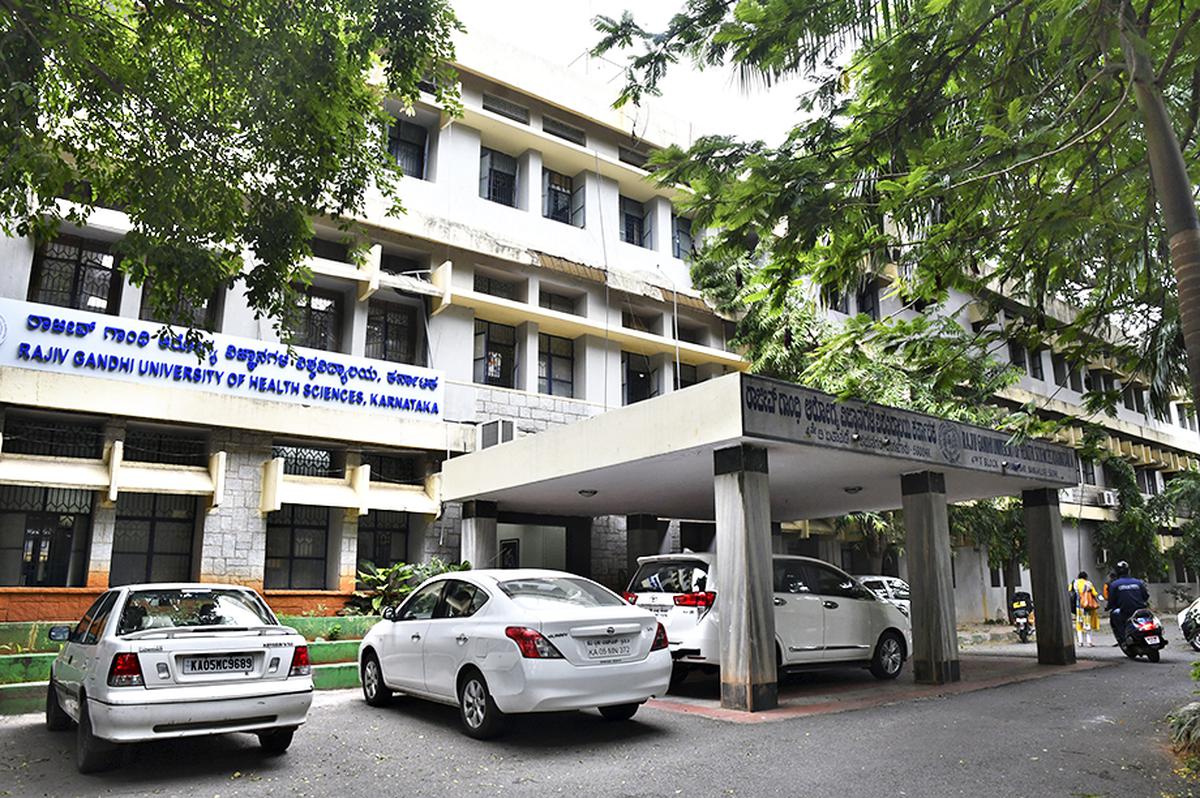
From an academic perspective, medical educators say that teaching in overcrowded district hospitals poses its own difficulties. Clinical training requires structured exposure, supervision and adequate infrastructure. When doctors are overwhelmed by patient load, the quality of teaching inevitably suffers. Students may not receive the focused mentoring needed to develop clinical skills effectively.
Separating teaching hospitals from district hospitals is expected to address these issues by creating dedicated spaces for education and advanced care. Standalone teaching hospitals can be designed with modern infrastructure, simulation labs, specialised departments and academic facilities that support contemporary medical education. This, experts say, will raise the overall standard of training for future doctors.
District hospitals, freed from academic obligations, can concentrate on delivering efficient secondary care. Health officials believe this will enable better management of outpatient and inpatient services, quicker decision-making and improved patient satisfaction. With clearer mandates, administrators can tailor staffing, equipment and workflows specifically for patient care.
Another important aspect is administrative clarity. Currently, hospital administrators often juggle competing priorities, balancing the needs of patients with academic schedules and examinations. Separate institutions would allow for independent administrative structures, reducing confusion and improving governance. Officials say this will also make performance monitoring more effective.
Public health specialists point out that the reform could strengthen referral systems. With district hospitals focusing on secondary care and teaching hospitals handling tertiary and specialised services, patient movement across the healthcare system can become more structured. Clear referral pathways can reduce unnecessary congestion and ensure patients receive appropriate care at the right level.
The decision also reflects an acknowledgment of the changing healthcare landscape. With rising population, increasing non-communicable diseases and greater demand for specialised care, the burden on public hospitals has grown significantly. Experts argue that infrastructure models must evolve to keep pace with these realities.
Implementation Plans, Challenges and the Road Ahead
The government has indicated that the separation will be implemented in a phased manner, prioritising regions with the highest patient load and most acute infrastructure constraints. The first standalone hospital, expected to open in February 2026, will serve as a pilot project. Lessons learned from its operation will inform subsequent rollouts across the State.
Officials said land availability and funding are among the key considerations in implementing the plan. In some regions, suitable land for constructing new teaching hospitals has already been identified, while in others, acquisition processes are under way. Budgetary allocations will be made in phases to ensure financial sustainability without disrupting ongoing healthcare services.
Recruitment and redistribution of staff will be another critical challenge. Separating hospitals will require careful planning to ensure that both district hospitals and teaching hospitals are adequately staffed. Health department officials said they are working on manpower plans that include new appointments as well as rational redeployment of existing personnel.
Medical professionals have cautioned that the transition phase must be managed carefully to avoid temporary disruptions. Shifting departments, patients and academic activities requires detailed planning and clear communication. Experts stress that continuity of care must remain a priority during the transition.
The government has also emphasised the importance of community engagement. Residents in regions where new hospitals are planned will be informed about changes in services and referral patterns. Clear communication, officials say, will help manage expectations and ensure smooth adaptation to the new system.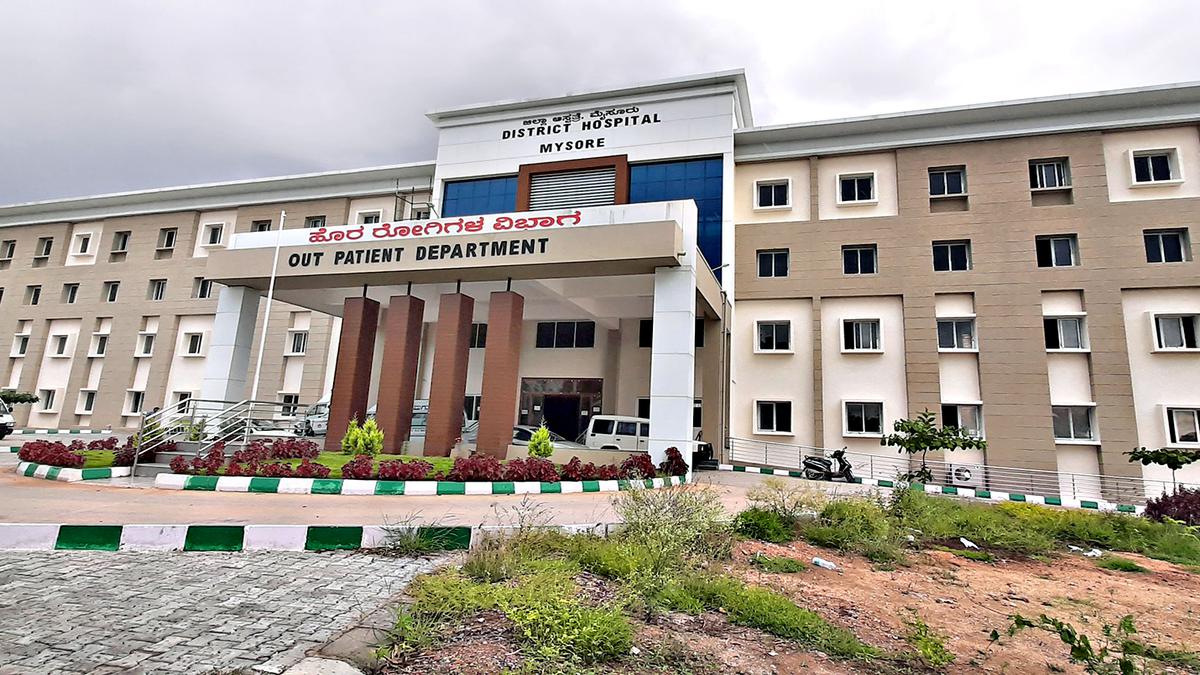
For medical students, the reform promises improved learning environments but also raises questions about transition timelines. Authorities have assured that academic calendars and training requirements will be protected, with minimal disruption. Dedicated committees are expected to oversee the shift and address concerns raised by students and faculty.
Health economists view the move as a long-term investment in public health. While the initial costs of constructing new hospitals and hiring staff may be high, the benefits in terms of improved efficiency, better health outcomes and stronger medical education are expected to outweigh the expenses. They argue that underinvestment in public healthcare ultimately costs more in terms of disease burden and lost productivity.
Opposition parties and civil society groups have broadly welcomed the announcement but urged the government to ensure timely execution. Past experiences, they warn, show that ambitious infrastructure projects can face delays due to administrative bottlenecks and funding constraints. Sustained political will and transparent monitoring will be essential to keep the project on track.
Doctors working in district hospitals say the reform has raised hopes of better working conditions. Reduced overcrowding and clearer roles could alleviate burnout and improve morale among healthcare workers. Many say that the current system places unrealistic demands on staff, affecting both patient care and personal well-being.
The planned February 2026 inauguration of the first standalone hospital has therefore become a symbolic milestone. It represents not just a new building, but a shift in how public healthcare and medical education are structured in Karnataka. Officials say meeting this deadline will demonstrate the government’s commitment to reform.
As Karnataka continues to expand its network of government medical colleges, the need for sustainable and efficient models becomes more pressing. The decision to separate district hospitals from teaching hospitals marks a significant step in that direction. If implemented effectively, it could set a precedent for other States grappling with similar challenges.
Ultimately, the success of this reform will be judged by its impact on patients, students and healthcare workers. Reduced waiting times, improved quality of care, better training outcomes and stronger institutional governance will be key indicators. The coming years will reveal whether this ambitious plan translates into tangible improvements on the ground.
For now, the announcement has generated cautious optimism. In a healthcare system under constant strain, any move that promises clarity, capacity expansion and better outcomes is likely to be welcomed. The first standalone hospital, opening in February 2026, will be closely watched as a test case for Karnataka’s vision of a more balanced and resilient public healthcare system.
Follow: Karnataka Government
Also read: Home | Channel 6 Network – Latest News, Breaking Updates: Politics, Business, Tech & More
