
The Karnataka government has held back a proposed amendment to the State’s Anti-Cow Slaughter Act, citing the need for further consultation and review. The Bill, which has generated debate among legislators, animal welfare groups, and farmers, seeks to clarify certain provisions related to cattle trade, transport, and slaughter. Its delay has intensified scrutiny from opposition parties, activists, and rural stakeholders, who argue that months of discussion have yielded no tangible outcome. With political, religious, and economic interests intertwined, the issue has become emblematic of the challenges in balancing law enforcement, cultural sentiment, and livelihoods dependent on cattle.
Stakeholders emphasise that the delay in the amendment disproportionately affects marginalised communities, who often depend on small-scale cattle trade for survival. For many farmers, particularly in drought-prone districts, selling unproductive or aging cattle is a critical source of income. Uncertainty in the law prevents them from making essential economic decisions, leaving them vulnerable to financial losses and exploitation by middlemen operating in informal markets.
Animal welfare organisations argue that enforcement gaps caused by the pending amendment have led to sporadic instances of illegal slaughter, often hidden from authorities due to loopholes in the law. They claim that without clear, enforceable provisions, monitoring and prosecution remain inconsistent. The lack of clarity emboldens unscrupulous traders while punishing farmers and transporters who follow existing guidelines but encounter ambiguous rules.
Some legal experts note that the Act, in its current form, has been challenged in courts on multiple occasions. Ambiguities surrounding definitions of “slaughter,” “transport,” and “ownership” have created opportunities for legal contestation. They warn that delaying the amendment increases the risk of inconsistent judicial interpretation, leaving authorities uncertain about how to apply the law uniformly across districts.
Cultural commentators have weighed in, stressing that cows hold not only economic value but deep religious and symbolic significance in Karnataka. Any perceived laxity or delay in strengthening the Act can provoke public sentiment, potentially leading to protests or political pressure. At the same time, overly harsh measures risk alienating rural communities who depend on regulated cattle trade for their livelihood. Navigating this balance remains a sensitive administrative challenge.
District authorities report operational difficulties arising from the pending amendment. Enforcement officials say that they are often caught between directives to prevent illegal slaughter and the absence of clarified rules regarding exemptions, penalties, and transport. This uncertainty complicates planning, inspections, and coordination with local police, leaving officials frustrated and citizens confused.
Public discourse around the amendment has intensified, with debates taking place not only in the legislature but also across media, civil society forums, and farmers’ associations. Citizens demand timely resolution, transparency in the drafting process, and meaningful stakeholder engagement. As political, ethical, and economic pressures converge, the fate of the Anti-Cow Slaughter Amendment Bill remains a crucial test of the government’s ability to address sensitive legislation with foresight and equity.
The Karnataka government has held back a proposed amendment to the State’s Anti-Cow Slaughter Act, citing the need for further consultation and review. The Bill, which has generated debate among legislators, animal welfare groups, and farmers, seeks to clarify certain provisions related to cattle trade, transport, and slaughter. Its delay has intensified scrutiny from opposition parties, activists, and rural stakeholders, who argue that months of discussion have yielded no tangible outcome. With political, religious, and economic interests intertwined, the issue has become emblematic of the challenges in balancing law enforcement, cultural sentiment, and livelihoods dependent on cattle.
Legislators in both the ruling and opposition camps have expressed frustration over the government’s indecision. While proponents of the amendment insist that the Bill is necessary to close loopholes exploited by illegal cattle traders, opponents warn that overly stringent measures could criminalise farmers and small-scale cattle owners. The stalemate has left local authorities uncertain about enforcement priorities, creating confusion in districts where cattle trading and transport are routine economic activities.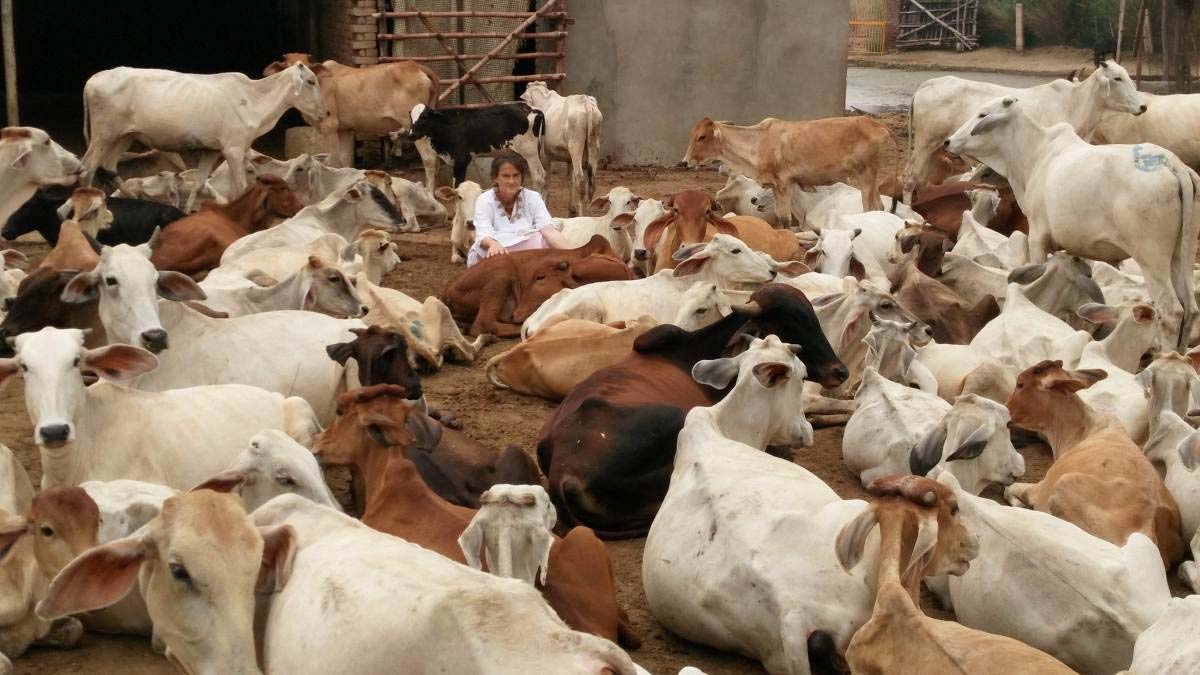
Animal welfare groups argue that the existing law requires urgent clarification. They say ambiguities in the original Act have been repeatedly exploited by illegal slaughter operations, contributing to both law-and-order challenges and ethical concerns. Activists note that enforcement agencies are caught between legal technicalities and public expectations, making it difficult to prosecute offences effectively. The Bill, they claim, could provide the clarity needed to ensure both humane treatment of animals and fair treatment of lawful owners.
Farmers and traders, particularly in rural districts, have voiced apprehensions about the economic consequences of stringent amendments. Cattle trade is a critical source of livelihood for many smallholders, who rely on regulated markets to sell aging or unproductive animals. Any sudden tightening of rules, without adequate consultation or compensation mechanisms, could disrupt rural economies and exacerbate financial stress among marginal farmers.
Officials in the law and legislative departments say the government is taking time to balance multiple considerations. Legal experts have been consulted to assess potential conflicts with existing state and central statutes, while economists have been asked to evaluate the impact on rural incomes. The review process, while necessary for precision, has nonetheless extended the delay, leaving stakeholders increasingly impatient.
Political Dynamics and Legislative Implications
The delay in introducing the amendment has created a tense environment within the Assembly. Opposition parties have demanded that the Bill be tabled immediately, arguing that the government is yielding to pressure from specific lobbies rather than acting in the broader public interest. Ruling party leaders, however, maintain that hasty decisions could inflame communal sensitivities or negatively affect farmers, and insist on a careful approach.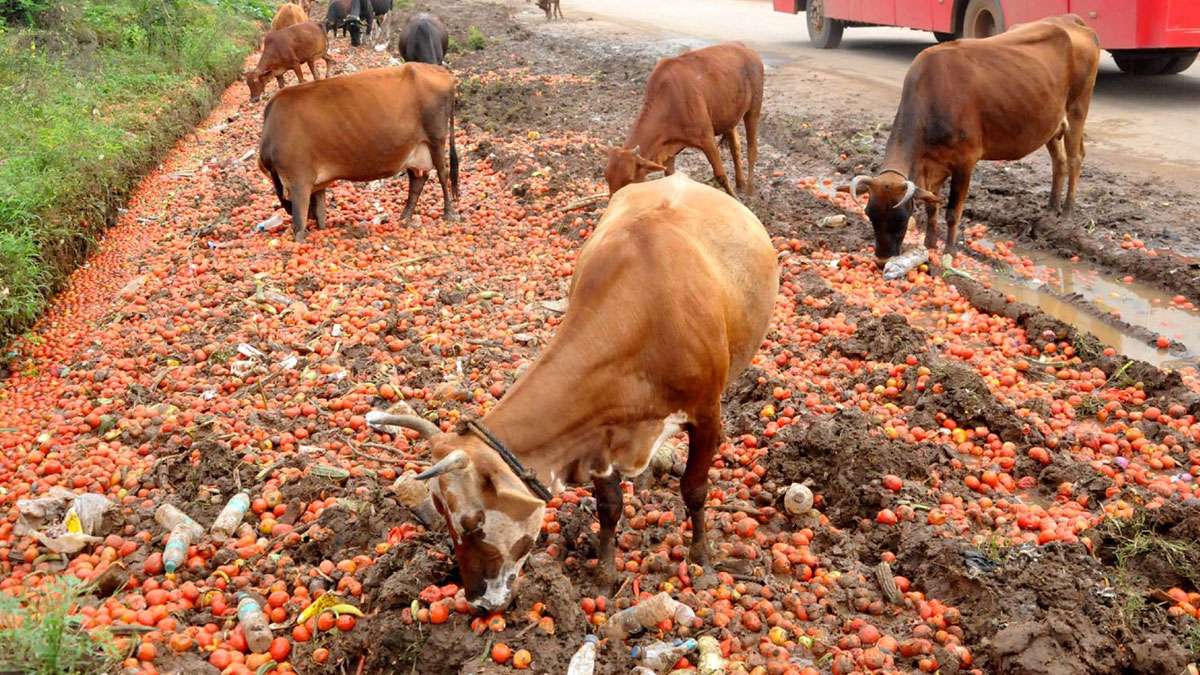
Observers note that the amendment touches on sensitive cultural and religious sentiments, as cows hold symbolic significance for a large section of the population. Any perceived leniency or delay is interpreted politically, adding pressure on the government to act without alienating constituencies. At the same time, strict enforcement could lead to unrest in rural areas dependent on cattle trade, leaving the administration navigating a complex socio-political landscape.
Some legislators argue that the delay undermines the credibility of the government’s legislative agenda. Bills that linger for months without progress are perceived as indecisive, eroding public confidence in governance. In addition, district officials and law enforcement officers face practical difficulties in implementing the Act when clarity on amendments is unavailable. Enforcement without updated rules risks legal challenges, while waiting prolongs loopholes that illegal traders exploit.
Animal rights organisations have taken to public forums to highlight the need for ethical enforcement. They claim that, in the absence of amendments, illegal slaughter continues unchecked in certain regions, undermining both animal welfare standards and public trust in law enforcement. For them, clarity in legislation is not merely a bureaucratic necessity but a moral imperative.
Farmers, meanwhile, are caught between compliance demands and livelihood pressures. Without clear guidelines, many smallholders are uncertain whether transporting or selling cattle for legitimate purposes might invite legal action. This uncertainty has led some to avoid lawful trade entirely, reducing income and creating informal markets where regulations are harder to monitor.
Balancing Enforcement, Culture, and Livelihoods
Legal experts point out that the challenge lies in crafting amendments that simultaneously respect cultural sentiments, protect animal welfare, and safeguard livelihoods. The Anti-Cow Slaughter Act is designed to prevent cruelty and illegal killing of cattle, but enforcement must be sensitive to rural realities. A poorly timed or unbalanced amendment risks alienating stakeholders across the spectrum.
Several rounds of stakeholder consultations have reportedly taken place, but consensus remains elusive. While animal welfare groups demand stricter penalties and improved monitoring, traders and farmers emphasise flexibility and safeguards against arbitrary enforcement. Administrators face the difficult task of reconciling these interests while ensuring the law remains robust and enforceable.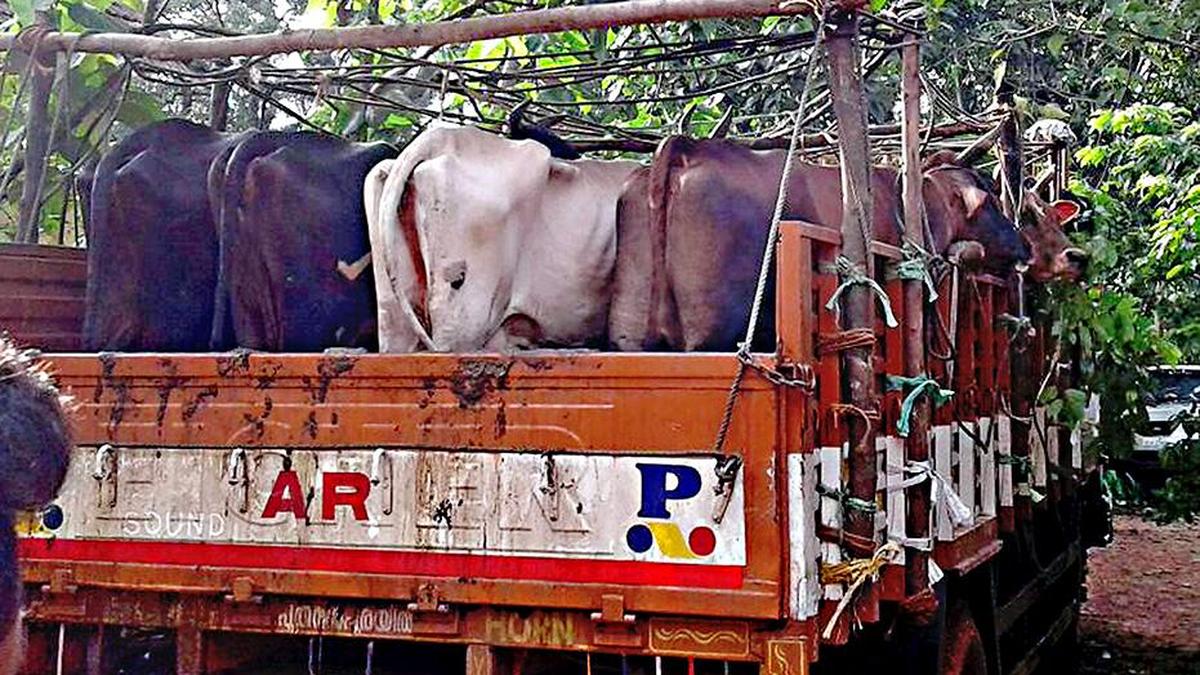
Political analysts suggest that delays may also be a strategic decision. With upcoming elections and heightened media attention, the government may be cautious about taking positions that could be interpreted as either too harsh or too lenient. Maintaining a balance between enforcing ethical standards and protecting economic and cultural interests has become central to policy deliberations.
Observers note that this situation reflects a broader pattern in legislatures nationwide, where sensitive socio-legal issues often face prolonged debate before resolution. While such deliberation ensures thoroughness, it also highlights the tension between legislative intent and administrative urgency. In the case of the Anti-Cow Slaughter Act amendment, the stakes are particularly high given the convergence of cultural, economic, and ethical factors.
Civil society groups continue to push for transparency and timely decision-making. They have urged the government to publicly release consultation reports and draft provisions to allow informed debate and prevent misinformation. By doing so, they argue, the administration can demonstrate accountability while avoiding the perception of bias toward any particular group.
With the amendment’s future hanging in balance, Karnataka’s cattle-dependent communities, animal welfare advocates, and lawmakers remain watchful. The timing and content of the Bill will have far-reaching implications, not only for legal clarity but also for social cohesion, rural economies, and the State’s approach to ethical enforcement. For now, the pending amendment represents both an administrative challenge and a litmus test for the government’s ability to navigate complex, sensitive legislation with fairness and foresight.
With the amendment’s future hanging in balance, Karnataka’s cattle-dependent communities, animal welfare advocates, and lawmakers remain watchful. The timing and content of the Bill will have far-reaching implications, not only for legal clarity but also for social cohesion, rural economies, and the State’s approach to ethical enforcement. For now, the pending amendment represents both an administrative challenge and a litmus test for the government’s ability to navigate complex, sensitive legislation with fairness and foresight.
Follow: Karnataka Government
Also read: Home | Channel 6 Network – Latest News, Breaking Updates: Politics, Business, Tech & More
