
Karnataka’s newly proposed Hate Speech Bill has ignited intense public debate, political scrutiny, and legal discussion across the state, prompting many to seek clarity on what the legislation actually contains and why it has attracted such strong reactions. The Bill, introduced as part of the government’s wider push to maintain public order and curb rising incidents of communal provocation, aims to define hate speech more precisely while expanding the scope of punishment for those who engage in inflammatory communication. Supporters hail it as a necessary step to protect vulnerable communities, while critics warn of its potential misuse. The debate reflects broader national anxieties around speech, identity, and public safety.
At its core, the Bill seeks to formally codify hate speech as a specific category of offence rather than treating it as a combination of multiple penal provisions as is currently the case. Karnataka officials argue that existing laws — particularly those under the IPC — are too broad and outdated, often failing to secure convictions because they require complex interpretations of intent and harm. The proposed law aims to offer clear definitions of what constitutes hate speech, who can be held accountable, and how enforcement should occur. This clarity, the government asserts, will help police act swiftly during sensitive situations and curb provocation before it escalates into violence.
Early reactions to the Bill have highlighted a tension between free expression and community safety. Supporters argue that the rise of social media, rapid circulation of provocative content, and increasing polarisation require stronger legal tools to prevent targeted verbal attacks. They believe the Bill acknowledges the growing seriousness of speech-driven conflicts that have, in several instances, spilled into physical violence. On the other hand, civil liberties groups caution that even well-intentioned legislation may be weaponised against dissent or criticism of the government. The central question is whether the Bill can balance the twin priorities of protecting communities and safeguarding democratic freedoms.
Key Provisions: Definitions, Punishments, and Expanded Scope
One of the bill’s most significant contributions is its attempt to offer a comprehensive definition of hate speech. It classifies hate speech as any statement, gesture, publication, digital post, or public act intended to insult, provoke, or inflame hostility against individuals or groups based on religion, caste, language, gender identity, sexual orientation, ethnicity, or region. Importantly, the Bill seeks to bridge gaps in older statutes that did not explicitly recognise newer forms of identity-based discrimination. This expanded scope has been widely acknowledged as a progressive shift that reflects the evolving nature of social interactions and conflicts.
The Bill proposes graded punishment depending on the nature and severity of the offence. First-time offenders may face imprisonment along with substantial fines, while repeat offenders can incur harsher penalties designed to serve as a strong deterrent. A key distinction introduced by the Bill is between “reckless hate speech” — statements made without direct intent to cause harm but which still inflame tensions — and “malicious hate speech,” which involves premeditation. By differentiating between these categories, the legislation seeks to make enforcement more nuanced and proportional, addressing concerns that overly broad laws can criminalise unintentional or misinterpreted statements.
Another major feature is the inclusion of digital and social media platforms. Recognising the central role that online communication now plays in shaping public sentiment, the Bill mandates stricter accountability for individuals who circulate or amplify hate speech through messaging platforms, videos, posts, or comments. It empowers authorities to trace the origin of inflammatory content and hold creators, forwarders, and organisers of targeted campaigns responsible. Officials say this provision is essential to curb coordinated online harassment and ensure that the internet does not remain a loophole through which hate-driven narratives spread unchecked.
Legal and Political Context Behind the Bill
The introduction of the Bill comes at a moment when several states and the Supreme Court are examining the broader issue of hate speech and its implications for national stability. Karnataka, with its diverse communities and history of sharp political contestation, has witnessed several incidents in recent years involving provocative speeches, communal appeals during campaigns, and targeted online abuse. Government officials argue that the Bill is a pre-emptive and preventive measure aimed at strengthening the legal framework before tensions escalate into larger conflicts. They position the Bill as part of a modern legal response to emerging challenges.
Opposition parties, however, have voiced strong concerns that the Bill could become a political tool. They argue that without robust safeguards, authorities may selectively invoke the law to suppress criticism or target political rivals under the guise of maintaining harmony. Some leaders contend that the definition of hate speech, though comprehensive, still leaves room for subjective interpretation, which could result in inconsistent or biased enforcement. They call for independent oversight mechanisms, clear guidelines for police, and strong protections for journalists, activists, and political speakers who engage in legitimate public debate.
Constitutional experts are divided on the Bill’s implications. Some say that the proposed law aligns with constitutional principles that allow reasonable restrictions on speech in the interest of public order, decency, and protection of marginalised communities. Others caution that even reasonable restrictions require precise drafting and implementation standards to avoid chilling effects on free expression. The debate reflects the ongoing struggle within Indian law to reconcile freedom of speech with the need to prevent speech that incites violence or discrimination. The Bill, they argue, will likely face judicial scrutiny once enacted.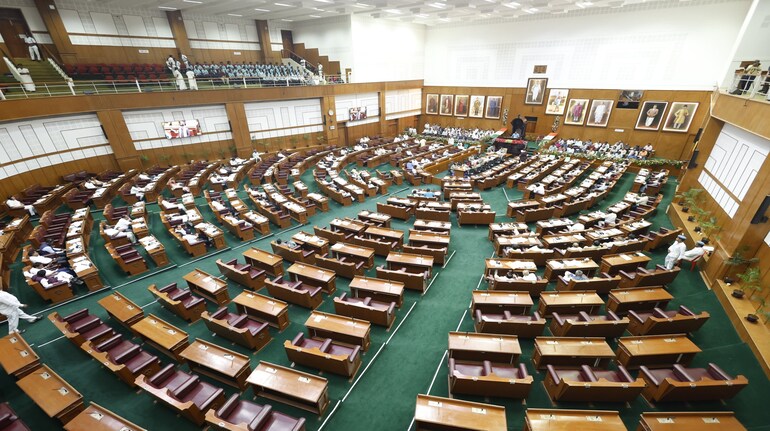
As public debate intensifies, educators and student groups have raised concerns about how the Bill may impact campus discourse. Universities and colleges, often hubs of political expression, worry that the law’s broad scope might discourage open debate on socially sensitive issues. Some student leaders say that while they support curbing inflammatory rhetoric, they fear that provocative or critical academic discussions might be misinterpreted as hate speech. They call for detailed guidelines that draw clear boundaries between harmful speech and legitimate critique, ensuring that campuses remain spaces of intellectual freedom.
Journalists, too, have expressed apprehension. Media organisations emphasise that reporting on communal tensions often requires quoting inflammatory statements made by political actors, community leaders, or protestors. Without clear exemptions or contextual provisions, journalists worry that they may face legal consequences simply for doing their job. They recommend explicit safeguards in the Bill acknowledging the role of the press, including provisions that protect responsible reporting undertaken in public interest. Failure to include such protections, they caution, may result in self-censorship that weakens public awareness and democratic accountability.
Civil society organisations have called attention to the need for training and sensitisation among law enforcement agencies who will implement the Bill. They argue that without systematic training on distinguishing harmful speech from protected expression, the law may be applied inconsistently. Some NGOs suggest that human rights commissions should play an oversight role, reviewing grievances related to misuse or overreach. They emphasise that laws designed to protect vulnerable groups must also be implemented with sensitivity to avoid inadvertently marginalising dissenting voices.
At the same time, several community leaders, particularly those representing marginalised groups, have welcomed the Bill with cautious optimism. They recount frequent instances of targeted abuse, derogatory references, and online trolling that go unpunished under existing laws. For them, the Bill represents an overdue acknowledgement of the pain and harm inflicted by hate speech, which they say has become increasingly normalised. They argue that legal protection is essential not only for dignity but also for safety, as verbal attacks often precede physical threats or exclusionary actions.
Business and technology groups have also stepped into the conversation, noting that the Bill’s digital provisions may require companies to enhance monitoring mechanisms. Social media platforms may need to respond to takedown requests more quickly and strengthen detection of harmful content. Industry representatives argue that while they support curbing hate speech, compliance mechanisms must be clearly outlined, technologically feasible, and respectful of user privacy. They stress the need for collaborative frameworks between government, platforms, and civil society to ensure effective, fair, and transparent implementation.
The Bill has already triggered shifts in public discourse, with many recognising that the rise of polarising content has created a climate of distrust and hostility. Psychologists and sociologists point out that hate speech contributes to the erosion of social cohesion by normalising stereotypes and encouraging group-based antagonism. They argue that the law, if properly implemented, could help restore a culture of respectful dialogue. However, they caution that legal measures alone cannot eliminate deeply rooted biases; broader social efforts in education, media responsibility, and political leadership are equally necessary.
As Karnataka evaluates public feedback, officials say they are open to incorporating changes suggested by stakeholders before finalising the Bill. They emphasise that the aim is not to restrict legitimate expression but to build a protective legal architecture that safeguards vulnerable communities and preserves peace. Authorities suggest that public consultations and committee reviews will refine definitions, clarify enforcement processes, and embed safeguards against misuse. Such steps, they hope, will enhance public confidence and ensure that the law serves its intended purpose.
Opposition parties continue to demand transparency and broader deliberation. They insist that the government must release a detailed explanation of how the law will be operationalised, what oversight bodies will be empowered, and how grievances against misuse will be addressed. Without such clarity, they argue, the Bill’s implementation may undermine democratic freedoms rather than strengthen social harmony. Several leaders have warned that if adequate safeguards are not integrated, they may challenge the law in court.
Teachers, parents, and community elders across the state are discussing the Bill in local meetings, curious about its impact on everyday interactions. Many believe that if implemented responsibly, the law could reduce the spread of provocative rumours, inflammatory speeches at community gatherings, and harmful narratives that target specific groups. However, they also worry about misinterpretations, particularly in rural regions where legal awareness is limited. Some call for awareness programmes that explain citizens’ rights and responsibilities under the new legislation.
Ultimately, Karnataka’s Hate Speech Bill marks an important moment in the state’s legal and political landscape. It reflects an attempt to address rising social tensions through a stronger, more structured legal framework. Whether it becomes a powerful tool for protecting communities or a contested instrument of political control will depend on careful drafting, transparent implementation, and continued public engagement. As the Bill moves through the legislative process, the hope is that Karnataka can craft a law that strengthens harmony without compromising the fundamental right to free expression.
Follow: Karnataka Government
Also read: Home | Channel 6 Network – Latest News, Breaking Updates: Politics, Business, Tech & More
